Finding a balance between affordability and technical performance is the primary challenge for outdoor enthusiasts seeking a cheap camping windbreaker. While the market is flooded with low-cost options, the critical distinction lies in whether a garment truly protects the wearer from convective heat loss or merely serves as a lightweight layer.
For many, a windbreaker is not just a piece of clothing but a vital tool for temperature regulation during unpredictable outdoor excursions. The focus has shifted from purely high-end luxury brands to functional, cost-effective gear that utilizes modern textile engineering to provide essential protection without a premium price tag.
This guide examines the technical trade-offs of budget-friendly outerwear and how to evaluate materials, durability, and safety features to ensure your gear performs when conditions deteriorate.

Understanding the Functional Role of Budget Windbreakers

A windbreaker's primary objective is to block wind from penetrating the clothing, thereby reducing the wind-chill effect and preserving body heat. In the context of a budget-friendly camping windbreaker, the goal is to achieve maximum wind resistance and basic water repellency without the extreme cost of high-altitude mountaineering gear.
Many users confuse "cheap" with "low quality." However, in the modern textile industry, efficiency in manufacturing—such as the use of high-density polyester and nylon blends—allows for the production of gear that is highly effective for general camping, hiking, and light outdoor work.
The key is understanding the environment. While a low-cost jacket may not withstand a Category 5 hurricane, it is perfectly suited for the moderate gusts and shifting temperatures typical of recreational camping and outdoor labor.
Core Technical Indicators for Cost-Effective Outerwear
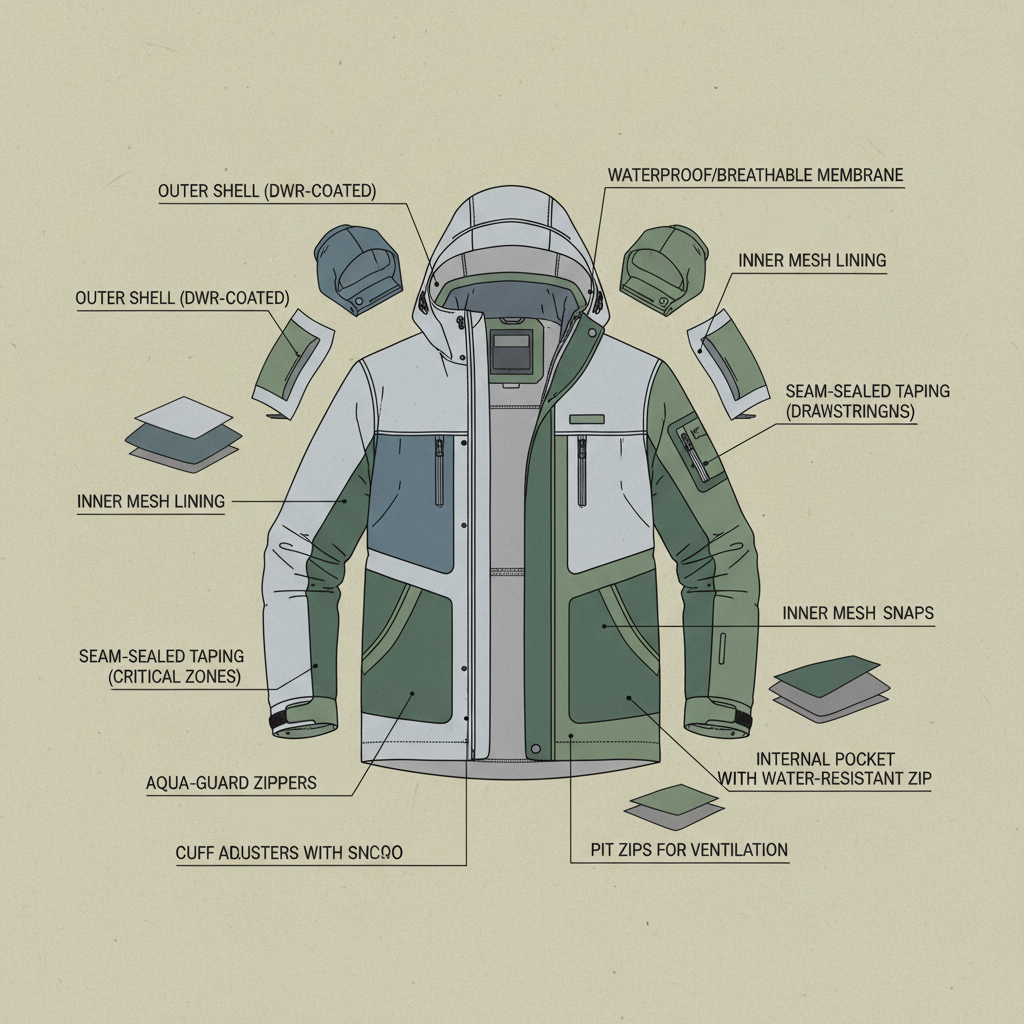
When evaluating the technical value of a windbreaker, one must look beyond the price tag and examine the fabric's weave and finish. High-quality budget options often employ selected fabrics that are breathable and resistant to pilling, ensuring the garment does not degrade after a few trips.
Breathability is the most common trade-off in cheap gear. A jacket that blocks wind but traps all moisture inside will lead to dampness from perspiration, which can eventually cause chills. Look for materials that balance weave density with moisture vapor transmission.
Additionally, safety features like reflective strips are becoming standard in professional-grade budget gear. These additions improve visibility in low-light environments, making the jacket suitable not only for camping but also for site work or evening excursions.
Optimal Application Scenarios for Lightweight Wind Layers
Budget windbreakers are most effective when used as part of a layering system. In a typical camping scenario, they serve as the "shell," protecting the insulating mid-layer (like a fleece) from external wind and light drizzle.
Beyond recreation, these garments are highly applicable in industrial settings. Workers in warehouses, construction sites, or open-air factories require clothing that is wear-resistant and dustproof. A functional windbreaker with reinforced pockets and elastic cuffs allows for freedom of movement while providing the necessary shielding from the elements.
Whether it is a professional worker needing visibility or a camper needing a light outer layer, the utility of these jackets depends on the alignment between the fabric's durability and the physical demands of the activity.
Analyzing Performance Trade-offs in Budget Textiles
Comparing the performance of a budget windbreaker against premium alternatives reveals that the gap is narrower than previously thought in specific categories, such as basic windproofing and weight.
While premium gear offers superior waterproof membranes (like Gore-Tex), the "good enough" threshold for casual camping is often met by high-density polyester treatments that offer excellent wind blockage and sufficient water resistance for light rain.
cheap camping windbreaker Performance Metrics
As shown in the metrics, budget options often match or nearly match premium gear in weight and wind resistance, while the primary divergence occurs in extreme waterproofing and long-term abrasion resistance.
Procurement Strategies for Durable Outdoor Clothing
For procurement managers or individual buyers, the goal is to maximize the lifecycle of the garment relative to its cost. This involves assessing the "wear points"—cuffs, zippers, and necklines—to ensure they are reinforced.
Checking for "no pilling" and "no fading" specifications is essential. A jacket that looks professional and remains intact after repeated washes offers a much better ROI than a disposable garment that needs replacement every season.
When ordering in bulk for teams or organizations, focusing on versatility—such as choosing neutral colors with high-visibility accents—ensures the clothing serves multiple roles, from active field work to transit.
Emerging Trends in Sustainable Protective Apparel
The industry is seeing a move toward recycled polyester and PFC-free water repellents, even in the budget sector. This shift is driven by both regulatory pressure and a growing consumer preference for eco-friendly outdoor gear.
Future budget windbreakers may likely integrate smarter fabric blends that offer better thermal regulation without adding bulk. The focus is moving toward "adaptive" clothing that can be easily adjusted via ventilation zips or modular attachments.
Additionally, the integration of professional labor protection standards into consumer camping gear is creating a new category of "hybrid" outerwear that is both stylish for the trail and durable enough for the workshop.
Comparing Windbreaker Specifications for Decision Making
To choose the right gear, buyers should compare the specific attributes of different jacket types based on their primary use case, whether it be extreme wind protection or lightweight versatility.
The following table breaks down the critical differences between common budget-tier outerwear options to help you identify the best fit for your needs.
| Outerwear Type | Primary Material | Best Use Case | Durability Level |
|---|---|---|---|
| Thin Polyester | Summer Hiking | Moderate | |
| Heavy-Duty Nylon | Industrial Sites | High | |
| Coated Polyester | Light Drizzle | Moderate | |
| Lined Synthetic | Autumn Camping | Moderate | |
| Reflective Mesh | Night Visibility | High | |
| Ripstop Nylon | Rough Terrain | Very High |
Selecting the correct material—such as Ripstop for rocky areas or high-visibility polyester for roadsides—ensures that the gear provides the protection required for the specific environment.
Frequently Asked Questions
Conclusion
Securing a high-performance, affordable windbreaker is a matter of aligning the garment's specifications with the actual demands of the environment. By prioritizing wind-blocking density, breathability, and reinforced construction over brand prestige, users can obtain reliable protection that serves both recreational and professional needs.
For those evaluating specific options or seeking wholesale protective apparel, the technical and product details available at www.xdqhppe.com provide a comprehensive resource for making an informed procurement decision.