
+8615630398555

Sep . 11, 2025 09:00 Back to list
Camouflage Lab Coats: Unique Style Meets Professional Protection
Introduction to Advanced Protective Apparel and the camouflage lab coat
In demanding industrial and research environments, the need for specialized personal protective equipment (PPE) extends beyond conventional safety garments. Modern challenges necessitate attire that offers not only superior protection against chemical exposure, particulate matter, and physical abrasions but also integrates functionality such as visual discretion or anti-static properties. This evolution has led to innovative designs, including the specialized camouflage lab coat, which combines high-performance material science with a non-traditional aesthetic tailored for specific operational requirements.
Our focus is on providing robust, technologically advanced solutions, exemplified by our QH-5002 labor protection coat. This article delves into the intricate details of such advanced protective garments, from their sophisticated manufacturing processes and technical specifications to diverse application scenarios and the critical factors for vendor selection. We aim to equip B2B decision-makers and engineers with comprehensive insights into these essential safety solutions.
Industry Trends in Specialized Protective Apparel
The global market for protective apparel is experiencing rapid growth, driven by stringent safety regulations, increasing industrialization, and a growing awareness of occupational hazards. According to reports, the market size is projected to reach over USD 80 billion by 2027, with a compound annual growth rate (CAGR) exceeding 6%. Key trends shaping this market include the development of multi-functional fabrics, enhanced comfort and ergonomics, and the integration of smart technologies. Demand for specialized garments, such as the camouflage lab coat, is rising in niche sectors where traditional PPE falls short.
Emerging Demands:
- Advanced Material Composites: Blending fibers like aramid, modacrylic, and polyester with specialized coatings for superior chemical resistance, flame retardancy, and anti-static properties.
- Ergonomics and Comfort: Design improvements to ensure maximum wearer comfort and flexibility, reducing fatigue during long shifts, crucial for specialized tasks.
- Sustainability: Increasing focus on eco-friendly materials and manufacturing processes, driven by corporate social responsibility initiatives.
- Specialized Visual Camouflage/Discretion: For field researchers, surveillance, or operations requiring subtle presence, the visual properties of a camouflage lab coat offer distinct advantages.
These trends underscore the importance of selecting PPE that is not only compliant but also optimized for the specific operational environment and wearer needs.
Technical Specifications and Material Science of the QH-5002
The QH-5002 labor protection coat, designed with advanced functionalities in mind, exemplifies a high-performance camouflage lab coat. Its technical prowess stems from a meticulously engineered material composition and construction.
Key Material Attributes:
- Fabric Composition: Typically a blend of high-strength polyester and cotton, often treated with specialized finishes. For enhanced protection, options might include blends with aramid fibers for flame resistance or carbon fibers for anti-static properties. The base fabric ensures durability and comfort.
- Weave Structure: Twill or plain weave, optimized for tear resistance and abrasion protection, crucial for longevity in harsh environments. The tight weave also contributes to barrier properties against particulates.
- Specialized Coatings/Treatments:
- Chemical Splash Resistance (DWR): Durable Water Repellent finish, often fluoropolymer-based, to repel liquids and prevent absorption.
- Anti-static Properties: Achieved by incorporating conductive fibers or specific chemical treatments, dissipating electrostatic charges to prevent sparks, vital in volatile atmospheres.
- UV Resistance: Integral for outdoor applications, protecting both the wearer and the garment's integrity from solar degradation.
- Antimicrobial Finish: Reduces odor and inhibits bacterial growth, enhancing hygiene during prolonged use.
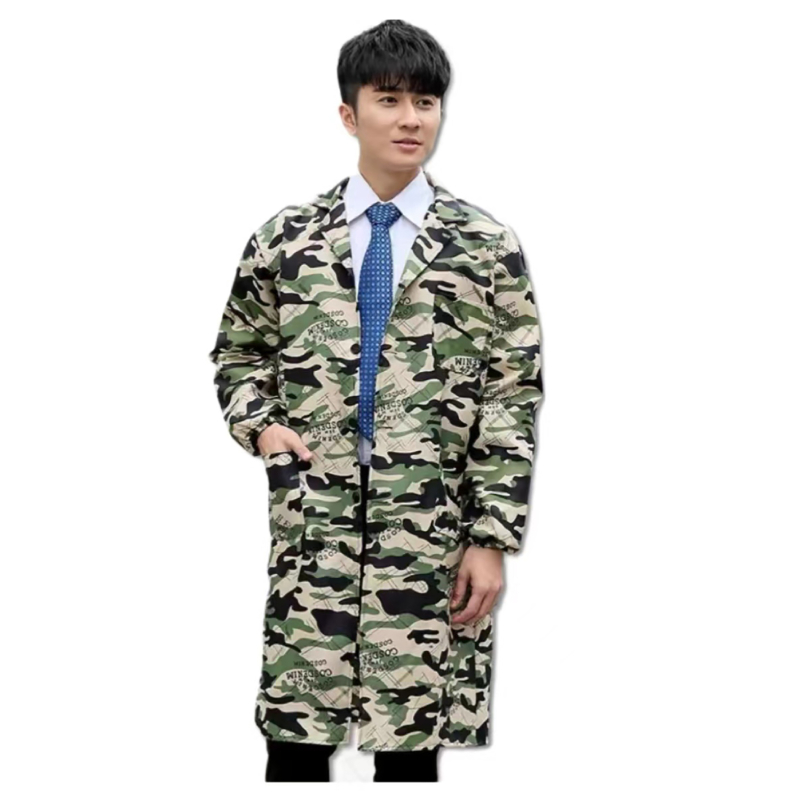
Figure 1: Advanced fabric structure for the camouflage lab coat.
QH-5002 Camouflage Protective Lab Coat: Key Specifications
| Parameter | Specification (Typical for QH-5002) | Standard/Method |
|---|---|---|
| Fabric Composition | 65% Polyester / 35% Cotton (or 60% Cotton / 40% Polyester for comfort) with specialized finish | ISO 1833-1 |
| Fabric Weight | 200-240 g/m² (GSM) | ISO 3801 |
| Tensile Strength (Warp/Weft) | >800 N / >700 N | ISO 13934-1 |
| Tear Resistance (Warp/Weft) | >35 N / >30 N | ISO 13937-2 |
| Chemical Splash Resistance | AATCC 22 (Water Repellency Score 90+) | AATCC 22 |
| Anti-static Properties | Surface Resistivity | EN 1149-5 (if applicable) |
| Color Fastness (Light) | Grade 4-5 (on 1-5 scale) | ISO 105-B02 |
| Breathability | Moderate (Enhanced through specific weaves) | ISO 9237 |
These specifications ensure that the QH-5002 can withstand rigorous industrial demands while providing crucial protection. The inherent strength and treated surfaces extend the garment's service life significantly beyond standard lab coats, often exceeding 150 industrial wash cycles without substantial degradation of protective properties.
Manufacturing Process of the Advanced Protective Garment
The production of a high-performance garment like the camouflage lab coat involves a sophisticated sequence of steps, prioritizing precision, material integrity, and adherence to stringent quality control.
Process Flow:
1. Raw Material Sourcing & Inspection
High-grade polyester-cotton blends or technical fabrics are procured. Rigorous incoming inspection for fiber composition, weave uniformity, and defect assessment (ISO 9001 compliance).
2. Fabric Treatment & Camouflage Printing
Fabrics undergo specialized treatments (DWR, anti-static, antimicrobial). Digital or rotary screen printing applies the precise camouflage pattern, ensuring color fastness and pattern consistency.
3. Precision Cutting (CAD/CAM)
Computer-Aided Design (CAD) patterns are nested for optimal material utilization. Computer-Aided Manufacturing (CAM) systems ensure precise, high-volume cutting, minimizing waste.
4. Advanced Stitching & Seam Sealing
Multi-needle industrial sewing machines create durable seams. Critical protective seams may be taped or heat-sealed to prevent liquid penetration, enhancing barrier properties.
5. Finishing & Quality Control
Trimming, button/zipper attachment, and final inspection for workmanship, dimensions (ANSI/AATCC standards), and material integrity. Batch testing for protective features (e.g., chemical repellency).
6. Packaging & Distribution
Garments are individually packed to maintain cleanliness and protective properties, ready for shipment to end-users.
This structured approach ensures that every camouflage lab coat meets the highest standards of quality and performance, delivering reliable protection and an extended service life in demanding operational settings.
Application Scenarios and Target Industries
The unique combination of protective features and visual discretion makes the camouflage lab coat invaluable in a variety of specialized industries and scenarios that extend beyond conventional laboratory settings. Its design addresses specific needs where blending into the environment, preventing cross-contamination, or managing specific hazards are paramount.
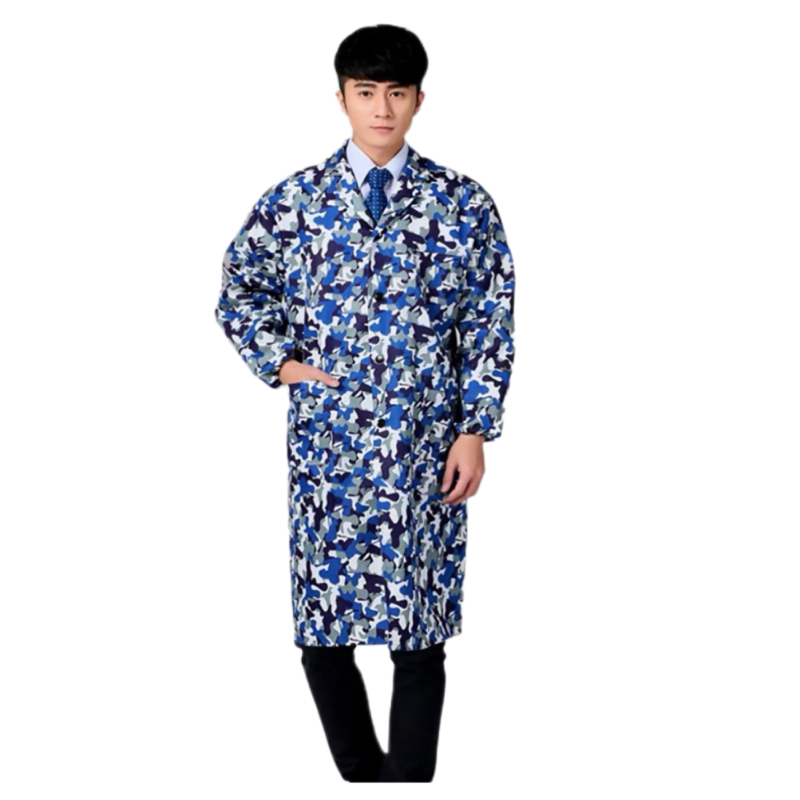
Figure 2: A specialized camouflage lab coat in action during an environmental survey.
Key Target Industries & Scenarios:
- Environmental Field Research: Scientists and ecologists working in sensitive habitats (e.g., forests, wetlands) require protection from elements, minor abrasions, and specific contaminants, while also needing to blend in to avoid disturbing wildlife. The camouflage pattern serves this dual purpose, providing protection and visual discretion.
- Industrial Plant Inspections & Audits (e.g., Petrochemical, Metallurgy): In large, complex industrial facilities, safety inspectors or researchers may need protective clothing that offers chemical splash resistance or anti-static properties. A subtly patterned or specific color-matched coat, sometimes referred to as 'camouflage' for industrial blending, can also aid in delineating specific zones or personnel roles without drawing undue attention, facilitating discreet observation in hazardous zones.
- Specialized Water Supply & Drainage System Maintenance: Technicians often work in confined spaces, near biological or chemical agents. A protective coat with water repellency and resistance to common industrial chemicals is essential. The 'camouflage' could signify a specific departmental uniform designed for these conditions, aiding in quick identification of specialized teams.
- Biosecurity & Agricultural Research: In outdoor or semi-controlled agricultural settings, protective coats might need to offer resistance to biological agents, pesticides, or particulate matter. A patterned design could help mask minor soiling, maintaining a professional appearance while providing necessary protection.
- Forensic or Crime Scene Investigation: While typically sterile, specific forensic field operations might require protective gear that also offers a degree of visual blending in challenging external environments.
Demonstrated Advantages:
- Enhanced Worker Safety: Superior barrier protection against hazardous substances, minimizing skin exposure.
- Durability & Cost-Effectiveness: Robust materials and construction lead to a longer service life, reducing replacement frequency.
- Operational Discretion: The specialized pattern aids in blending with the environment, crucial for observational tasks.
- Compliance: Meets relevant industry standards for protective apparel, ensuring regulatory adherence.
- Comfort & Mobility: Ergonomic design allows for unrestricted movement, reducing wearer fatigue.
Technical Advantages and Performance Metrics
The QH-5002 camouflage lab coat distinguishes itself through a suite of technical advantages that directly translate into superior performance and safety for the end-user. These advantages are quantitatively measurable and crucial for B2B procurement decisions.
Comparative Performance Analysis: QH-5002 vs. Standard Alternatives
| Feature/Metric | QH-5002 Camouflage Protective Coat | Standard White Lab Coat (Cotton/Poly Blend) | General Workwear (Heavy Duty) |
|---|---|---|---|
| Chemical Splash Resistance | High (DWR treated, repels common liquids & some chemicals) | Low (Absorbent, limited repellency) | Moderate (Depends on fabric, generally no specific treatment) |
| Anti-static Properties | Excellent (Integrated conductive fibers/treatment) | Poor (Static buildup common) | Variable (Typically not a primary feature) |
| Tear & Abrasion Resistance | Very High (Robust weave, high tensile strength) | Moderate (Standard fabric durability) | High (Heavy fabrics, but might lack other protective features) |
| UV Resistance (Outdoor Use) | Good (Specialized treatments/fibers) | Poor (Color fading, fiber degradation over time) | Moderate (Darker colors may resist fading better, but not structural) |
| Service Life (Industrial Washes) | 150+ cycles with maintained properties | 50-100 cycles before significant wear | 75-120 cycles (durability varies) |
| Visual Discretion/Blending | Excellent (Purpose-designed camouflage pattern) | None (Highly visible) | Limited (Standard colors, no specific pattern) |
This comparison highlights the superior performance envelope of the QH-5002, positioning it as a strategic investment for organizations requiring advanced protective and functional attributes from their PPE.
Vendor Comparison and Selection Criteria
Selecting the right vendor for specialized protective apparel like the camouflage lab coat is a critical decision that impacts safety, compliance, and operational efficiency. Beyond basic pricing, key factors must be evaluated to ensure long-term value.
Essential Selection Criteria:
- Certifications and Compliance: Verify adherence to international standards (e.g., ISO 9001 for quality management, OEKO-TEX for textile safety, industry-specific performance standards like AATCC).
- Material Science Expertise: A vendor's ability to innovate and integrate advanced materials, like those in the QH-5002, is crucial for cutting-edge protection.
- Customization Capabilities: The flexibility to tailor designs, patterns, sizes, and protective features to unique organizational needs.
- Quality Control Processes: Robust in-house testing and inspection throughout the manufacturing process.
- Lead Time and Supply Chain Reliability: The ability to consistently deliver products on schedule, especially for large or recurring orders.
- After-Sales Support & Warranty: Clear policies on product warranties, returns, and responsive customer service.
- Industry Experience & Reputation: A proven track record with reputable clients in similar demanding sectors.
Our company prides itself on meeting and exceeding these criteria, offering not just products, but comprehensive protective solutions backed by expertise and dedicated support.
Customized Solutions and Design Flexibility
Understanding that 'one size does not fit all,' particularly in specialized industrial and research applications, we offer extensive customization options for our protective garments, including the camouflage lab coat. This flexibility ensures that the final product perfectly aligns with specific operational demands and corporate branding.
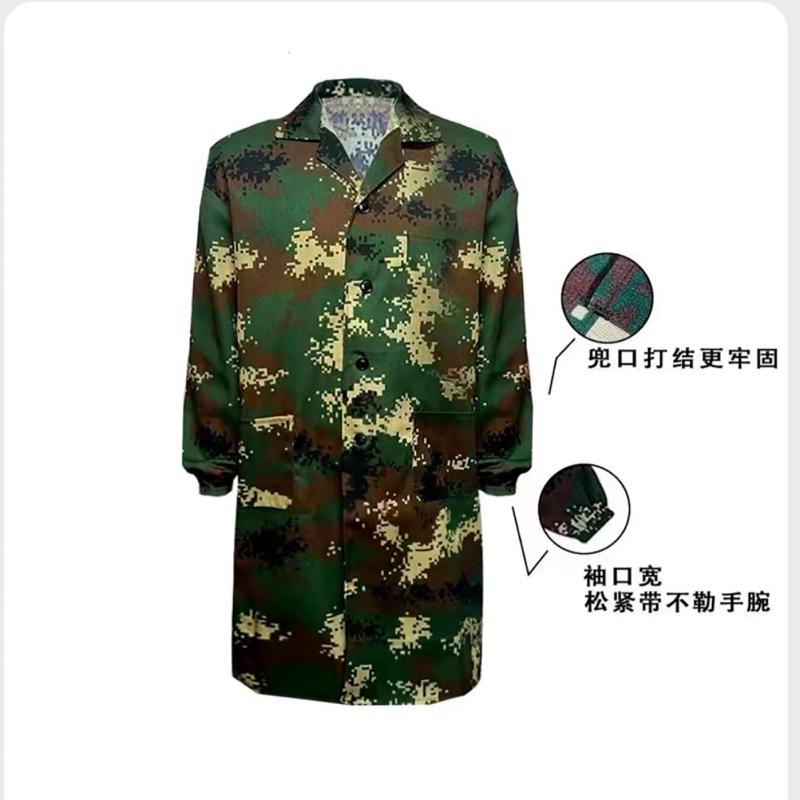
Figure 3: Tailored features and design options for a specialized protective garment.
Customization Avenues Include:
- Material Selection: Choice of fabric blends (e.g., higher cotton for breathability, increased polyester for durability, aramid for fire resistance), and specific protective treatments.
- Camouflage Pattern & Color: Development of bespoke patterns for unique environmental blending or specific corporate/team identification. This can range from subtle industrial patterns to more traditional outdoor camouflage.
- Design Modifications: Alterations to pocket configurations, closure types (snaps, zippers, velcro), cuff designs, and ventilation points for enhanced functionality and comfort.
- Sizing and Fit: Custom sizing charts or made-to-measure options for optimal ergonomic fit for diverse workforces.
- Integrated Features: Addition of reflective strips, badge holders, specific tool loops, or specialized reinforcements in high-wear areas.
- Branding: Embroidery or heat-transfer of company logos, employee names, or departmental identifiers.
Our design team works closely with clients to translate specific requirements into functional, compliant, and aesthetically appropriate protective solutions.
Application Case Studies
Case Study 1: Remote Environmental Monitoring Team
A leading environmental consultancy required specialized protective coats for their field teams conducting biodiversity surveys in a dense forest ecosystem. Traditional lab coats were visually conspicuous and offered insufficient protection against thorns, insect bites, and occasional chemical spills from field equipment (e.g., battery acid, minor solvents). Their existing workwear lacked anti-static properties, a concern when working near sensitive electronic sensors.
Solution: We provided customized QH-5002 camouflage lab coat units. The coats featured a bespoke forest-green camouflage pattern for visual blending, a robust polyester-cotton blend with enhanced tear resistance, and a DWR finish for water and light chemical splash protection. Integrated anti-static properties were included to protect sensitive equipment and personnel. Reinforced elbows and shoulders provided extra durability.
Outcome: The team reported significantly improved comfort and protection. The camouflage pattern effectively reduced disturbance to wildlife during observations. The enhanced durability reduced garment replacement costs by 30% over a year, and the anti-static properties ensured safe operation of sensitive electronic devices, leading to more reliable data collection.
Case Study 2: Petrochemical Plant Safety Audit Team
A major petrochemical company needed specialized protective outerwear for their internal safety audit team during routine inspections of refinery units. The team required protection against incidental contact with various chemicals, general grime, and potential electrostatic discharge. Traditional white lab coats were easily stained and offered limited chemical protection, while standard FR (Flame Retardant) workwear often lacked the specific anti-static and light chemical splash resistance needed for this role. Furthermore, a non-distracting, uniform appearance was desired.
Solution: We supplied a variant of the QH-5002 camouflage lab coat, adapted with a subtle, industrial-grey mottled pattern (functioning as 'camouflage' against plant grime and for team identity). These coats featured a specialized anti-static treatment compliant with EN 1149-5 and an advanced chemical splash-resistant finish. The fabric blend was optimized for comfort in warm environments, yet robust enough for daily industrial exposure.
Outcome: The audit team experienced enhanced safety with reliable chemical and anti-static protection. The industrial-patterned coats maintained a cleaner appearance longer, projecting a professional image despite challenging conditions. Feedback indicated improved team morale due to the specialized, comfortable, and functional apparel, leading to a company-wide adoption for similar roles.
Trustworthiness and Support
Establishing trust with our B2B partners is paramount. We achieve this through transparent operations, robust certifications, and comprehensive customer support for every camouflage lab coat and protective garment we supply.
Certifications and Compliance:
- ISO 9001:2015 Certified: Demonstrates our commitment to consistent quality management systems in manufacturing.
- OEKO-TEX Standard 100: Ensures our fabrics are free from harmful substances, safeguarding wearer health and environmental responsibility.
- AATCC/ASTM Testing Protocols: All products undergo rigorous testing according to American Association of Textile Chemists and Colorists (AATCC) and American Society for Testing and Materials (ASTM) standards for performance metrics like chemical repellency, colorfastness, and durability.
Years of Service & Partner Clients:
With over 15 years in the protective apparel industry, we have cultivated partnerships with leading enterprises in environmental services, industrial manufacturing, and specialized research. Our client roster includes Fortune 500 companies in the energy sector and prominent university research institutions.
Warranty Commitments:
All QH-5002 protective coats come with a 1-year limited warranty covering defects in materials and workmanship under normal use and recommended care. This commitment underscores our confidence in product durability and quality.
Lead Time & Fulfillment:
Standard orders for in-stock items typically ship within 5-7 business days. Customized orders or large volume procurements are subject to a lead time negotiated at the time of order, generally ranging from 4-8 weeks, depending on complexity and quantity. We maintain robust inventory management and flexible manufacturing capabilities to meet diverse client needs efficiently.
Customer Support:
Our dedicated B2B support team is available Monday to Friday, 9:00 AM - 5:00 PM (EST), via phone and email. We provide expert consultation, technical assistance, and post-sales support to ensure complete client satisfaction.
Frequently Asked Questions (FAQ)
Q: What makes the camouflage lab coat different from standard lab coats?
A: The camouflage lab coat, such as our QH-5002, is engineered for specialized environments. Unlike standard lab coats that offer basic protection and visibility, our product features advanced material treatments for chemical splash resistance, anti-static properties, and enhanced tear strength. The distinctive camouflage pattern provides visual discretion for field operations or specific team identification, a functional benefit not found in conventional white lab coats.
Q: How do I choose the right size and fit for my team?
A: We provide detailed sizing charts based on industry standards. For large procurements, our team can assist with on-site measurement guidance or provide samples for fit testing. Custom sizing and ergonomic considerations are also available as part of our tailored solutions to ensure optimal comfort and mobility.
Q: What are the cleaning and maintenance requirements for the QH-5002?
A: The QH-5002 is designed for industrial laundering. We recommend professional laundering services that adhere to care label instructions, typically involving machine washing at moderate temperatures with non-chlorine bleach and tumble drying on low. Specific care instructions are provided with each garment to maintain its protective properties and extend service life.
Q: Can the camouflage pattern be customized?
A: Yes, we offer customization of camouflage patterns and colors. This allows clients to select patterns that best suit their specific operational environment (e.g., forest, urban, industrial grey) or integrate corporate branding elements for unique team identification. Minimum order quantities apply for custom pattern development.
Q: What is the expected service life of the QH-5002?
A: Under normal use and recommended industrial laundering, the QH-5002 is designed for an extended service life, typically exceeding 150 wash cycles while maintaining its primary protective characteristics. Regular inspection is recommended to assess continued suitability based on specific wear patterns and exposure conditions.
Conclusion
The demand for specialized protective apparel continues to grow across diverse industrial and research sectors. The QH-5002 camouflage lab coat represents the pinnacle of this evolution, offering an unparalleled blend of advanced material science, robust protection, and functional design. By understanding the intricate manufacturing processes, adhering to stringent technical specifications, and offering extensive customization, we empower organizations to safeguard their personnel effectively while enhancing operational efficiency.
Investing in high-quality, fit-for-purpose PPE is not merely a compliance measure but a strategic decision that reflects a commitment to safety, longevity, and performance. Our dedication to innovation and customer satisfaction ensures that the QH-5002 stands as a reliable solution for your most demanding protective apparel needs.
References
- Textile Industry Analysis & Forecasts. Mordor Intelligence. Available at: mordorintelligence.com
- AATCC Technical Manual. American Association of Textile Chemists and Colorists. Available at: aatcc.org
- ISO 9001:2015 Quality Management Systems – Requirements. International Organization for Standardization. Available at: iso.org
- OEKO-TEX Standard 100. International Association for Research and Testing in the Field of Textile and Leather Ecology. Available at: oeko-tex.com
- EN 1149-5:2018 Protective clothing - Electrostatic properties - Part 5: Material performance and design requirements. European Committee for Standardization. Available at: cen.eu
Latest news
-
Professional Tactical Reflective Jacket for Maximum Safety Guide
NewsApr.16,2026
-
Professional Tactical Reflective Vest for High Visibility Safety
NewsApr.09,2026
-
Enhancing Safety and Visibility with a Tactical Vest Reflective
NewsApr.07,2026
-
Comprehensive Guide to Choosing the Right Traffic Reflective Jacket for Safety
NewsApr.04,2026
-
Choosing the Right Traffic Vest for Enhanced Workplace Safety
NewsMar.31,2026
-
Comprehensive Guide to Traffic Vest Security and Worker Safety
NewsMar.28,2026
Copyright © 2026 Handan Xinda Qihang Trading Co., Ltd. All Rights Reserved. Sitemap | Privacy Policy | Top Blog | Global Service


