
+8615630398555

Mar . 11, 2026 02:05 Back to list
Choosing the Optimal Vest with Reflector for Maximum Safety and Visibility
Choosing the Right Vest with Reflector for Enhanced Safety
Visibility is paramount when it comes to safety, especially in low-light conditions or busy environments. A vest with reflector is a simple yet incredibly effective solution for increasing visibility and reducing the risk of accidents. This article will delve into the world of reflective vests, covering their benefits, types, standards, and how to choose the right one for your needs. We’ll explore why investing in high-quality reflective wear is crucial for protecting yourself and others.

Why Wear a Vest with Reflector?
The primary benefit of a reflective vest is enhanced visibility. Reflective materials bounce light back to its source, making the wearer much more noticeable to drivers, cyclists, and pedestrians. This is particularly important during nighttime, dawn, dusk, and in adverse weather conditions like rain, fog, or snow. Wearing a reflective vest significantly reduces the risk of being struck by a vehicle or colliding with other objects. Beyond safety, wearing a reflective vest can also be a legal requirement in certain work environments, ensuring compliance with safety regulations.
Key Benefits: Enhanced visibility, reduced accident risk, compliance with safety regulations, increased peace of mind.
Types of Reflective Vests
Reflective vests come in a variety of styles to suit different needs. Here's a breakdown of some common types:
- Standard Reflective Vests: These are the most common type, typically made from polyester mesh with reflective tape. They offer basic visibility and are suitable for general use.
- High-Visibility Vests: These vests use more reflective material and often feature a brighter fluorescent background for maximum visibility. They are ideal for high-risk environments.
- Surveyor Vests: Designed for professionals who need to carry tools and equipment, surveyor vests often include multiple pockets.
- Winter Vests: These vests are insulated for warmth and feature a water-resistant outer layer, making them suitable for cold weather conditions.
- Self-Illuminating Vests: These vests incorporate glow-in-the-dark materials providing visibility even without a light source.
Understanding ANSI/ISEA Standards for Vests with Reflector
The American National Standards Institute (ANSI) and the International Safety Equipment Association (ISEA) set standards for high-visibility apparel, including reflective vests. These standards classify vests into different performance classes based on the amount of reflective material and the intended use. Understanding these classes is crucial for selecting the right vest for your needs.
Factors to Consider When Choosing a Vest with Reflector
Selecting the right reflective vest requires considering several factors:
- Work Environment: What hazards are present? Are you working in traffic, near moving machinery, or in low-light conditions?
- ANSI Class: Choose a vest that meets the appropriate ANSI class for your work environment.
- Comfort: Consider the material and fit of the vest. You'll be wearing it for extended periods, so comfort is essential.
- Features: Do you need pockets, a zipper closure, or other features?
- Durability: Look for a vest made from high-quality materials that can withstand wear and tear.
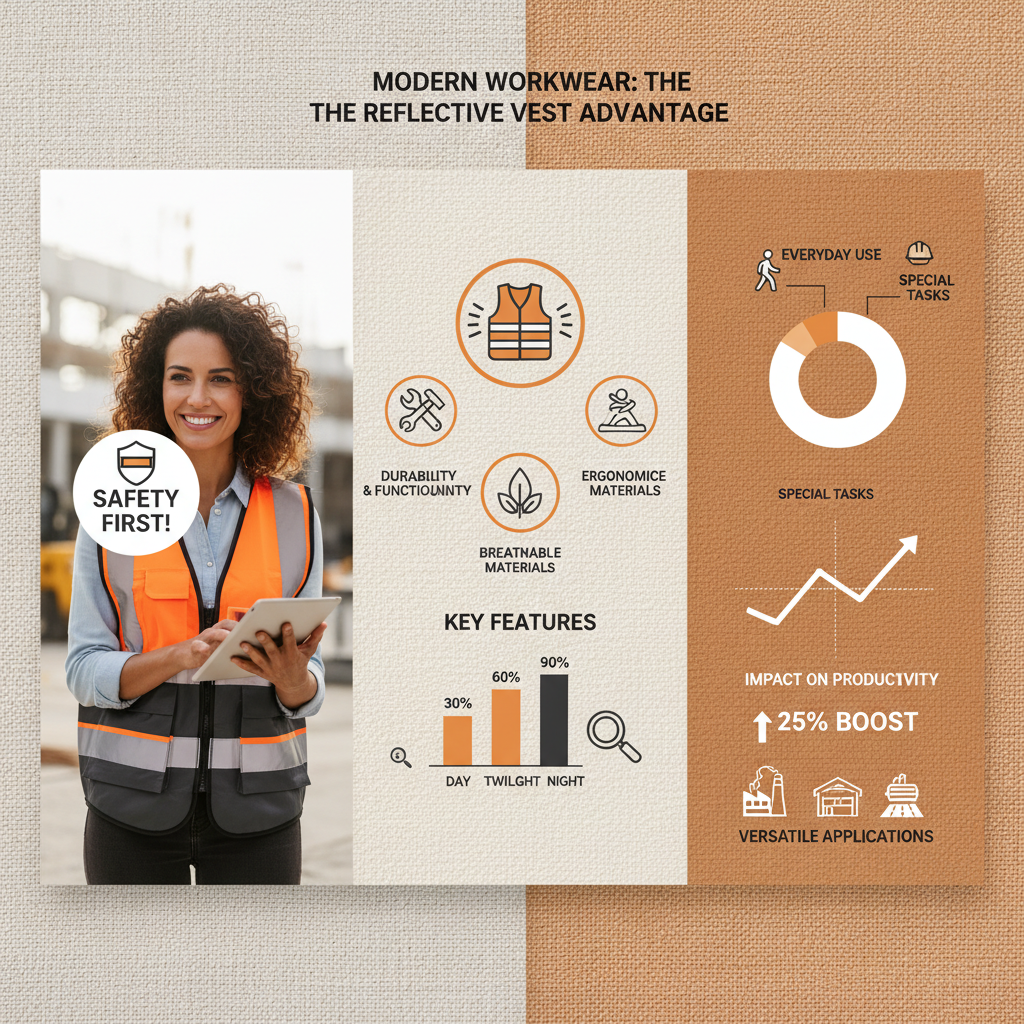
Conclusion: Prioritize Safety with a Quality Reflective Vest
Investing in a high-quality vest with reflector is a simple yet highly effective way to enhance your safety and the safety of those around you. By understanding the different types of vests, ANSI standards, and key considerations, you can choose the right vest for your specific needs. Don’t compromise on safety – choose reliable reflective apparel from xdqhppe.com.
Frequently Asked Questions (FAQs)
How often should I replace my reflective vest?
The lifespan of a reflective vest depends on usage and care. However, it's generally recommended to replace your vest every 1-2 years, or sooner if you notice any signs of damage, such as fading of the reflective material, tears, or wear and tear on the fabric. Regular washing (following the manufacturer's instructions) can help extend its lifespan. If the vest has been exposed to harsh chemicals or extreme temperatures, it should be replaced immediately. Consider factors like the frequency of use and the severity of the work environment when determining replacement intervals.
Can I wash my reflective vest?
Yes, you can wash most reflective vests, but it's crucial to follow the manufacturer's instructions. Generally, it's recommended to wash them in cold water with a mild detergent and tumble dry on low heat. Avoid using bleach or harsh chemicals, as these can damage the reflective material. Hand washing is also a good option for delicate vests. Always check the care label for specific instructions.
What is the difference between fluorescent and reflective material?
Fluorescent materials glow brightly in daylight, attracting attention. They are effective during dawn, dusk, and overcast conditions. Reflective materials, on the other hand, bounce light back to its source, making the wearer visible in low-light or nighttime conditions. A vest with reflector often combines both fluorescent and reflective materials for maximum visibility in all conditions. Fluorescent provides daytime visibility, while reflective provides nighttime visibility.
Latest news
-
Professional Tactical Reflective Jacket for Maximum Safety Guide
NewsApr.16,2026
-
Professional Tactical Reflective Vest for High Visibility Safety
NewsApr.09,2026
-
Enhancing Safety and Visibility with a Tactical Vest Reflective
NewsApr.07,2026
-
Comprehensive Guide to Choosing the Right Traffic Reflective Jacket for Safety
NewsApr.04,2026
-
Choosing the Right Traffic Vest for Enhanced Workplace Safety
NewsMar.31,2026
-
Comprehensive Guide to Traffic Vest Security and Worker Safety
NewsMar.28,2026
Copyright © 2026 Handan Xinda Qihang Trading Co., Ltd. All Rights Reserved. Sitemap | Privacy Policy | Top Blog | Global Service | Hot Products


