
+8615630398555

Feb . 28, 2026 02:05 Back to list
Choosing the Right Work Jacket with Reflective Stripes for Enhanced Safety
Choosing the Right Work Jacket with Reflective Stripes for Safety and Visibility
When working in low-light conditions or high-traffic areas, visibility is paramount. A work jacket with reflective stripes is an essential piece of personal protective equipment (PPE) that significantly enhances safety. This article will explore the benefits, features, and considerations when selecting a work jacket with reflective stripes, focusing on how to choose the right jacket for your specific needs. Investing in a quality, high-visibility jacket can reduce the risk of accidents and ensure a safer work environment.
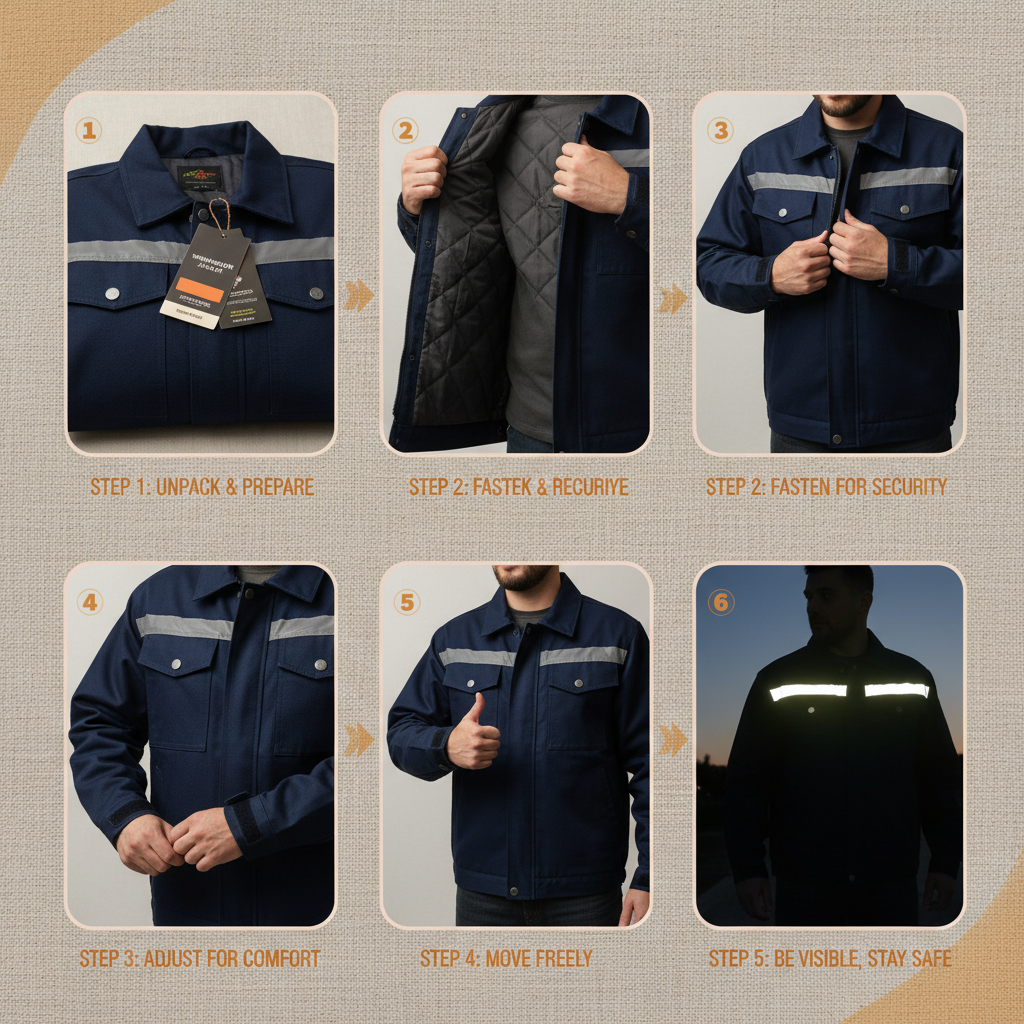
Understanding the Importance of Reflective Stripes
Reflective stripes, typically made from retroreflective materials, work by bouncing light back to its source – such as headlights – making the wearer highly visible even in darkness. The wider the stripe, the greater the visibility. These jackets are particularly crucial for workers in industries like construction, road maintenance, logistics, and emergency services. Different levels of reflectivity are defined by standards like ANSI/ISEA 107 in the US and EN ISO 20471 in Europe. Choosing a jacket that meets the appropriate standard for your region and job requirements is critical. A properly designed reflective work jacket provides an added layer of security and peace of mind.
Key Benefit: Enhanced visibility significantly reduces the risk of accidents involving vehicles or equipment, particularly in low-light or hazardous conditions.
Types of Reflective Materials and Their Performance
Several types of retroreflective materials are used in work jackets, each offering varying levels of performance. These include glass bead, prismatic, and microprismatic materials. Glass bead is the most common and affordable, offering good reflectivity for general use. Prismatic materials utilize tiny cube-shaped structures that reflect light more efficiently, providing brighter and wider visibility. Microprismatic materials are the most advanced, offering superior reflectivity and durability, making them ideal for high-risk environments. The choice of material depends on the required level of visibility and the jacket’s intended use. A work jacket using microprismatic materials provides the highest level of protection.
Reflective Material Comparison:
• Glass Bead: Good reflectivity, cost-effective.
• Prismatic: Brighter and wider visibility than glass bead.
• Microprismatic: Highest reflectivity, superior durability.
Work Jacket with Reflective Stripes: Key Features to Consider
When selecting a work jacket with reflective stripes, consider the following features: Material: Choose a durable, weather-resistant material like polyester or nylon. Visibility Level: Ensure the jacket meets the appropriate ANSI/ISEA or EN ISO standard. Comfort: Look for breathable fabrics and a comfortable fit. Additional Features: Consider features like pockets, adjustable cuffs, and a hood for added convenience and protection. Durability: Check the quality of stitching and reflective tape to ensure long-lasting performance. A well-made jacket will withstand repeated use and washing. The jacket’s construction directly impacts its performance and longevity.
Selecting the Right Jacket: Factors Based on Industry
The ideal work jacket with reflective stripes varies depending on the industry. Construction workers often require heavy-duty jackets with reinforced seams and durable materials. Road crews may benefit from waterproof jackets with extensive reflective coverage. For logistics and transportation, lightweight, breathable jackets are preferred. Emergency responders may need jackets with specialized features like radio pockets and integrated lights. Understanding the specific hazards and requirements of your work environment is essential for making the right choice. Always prioritize safety and select a jacket that provides adequate protection for your needs.
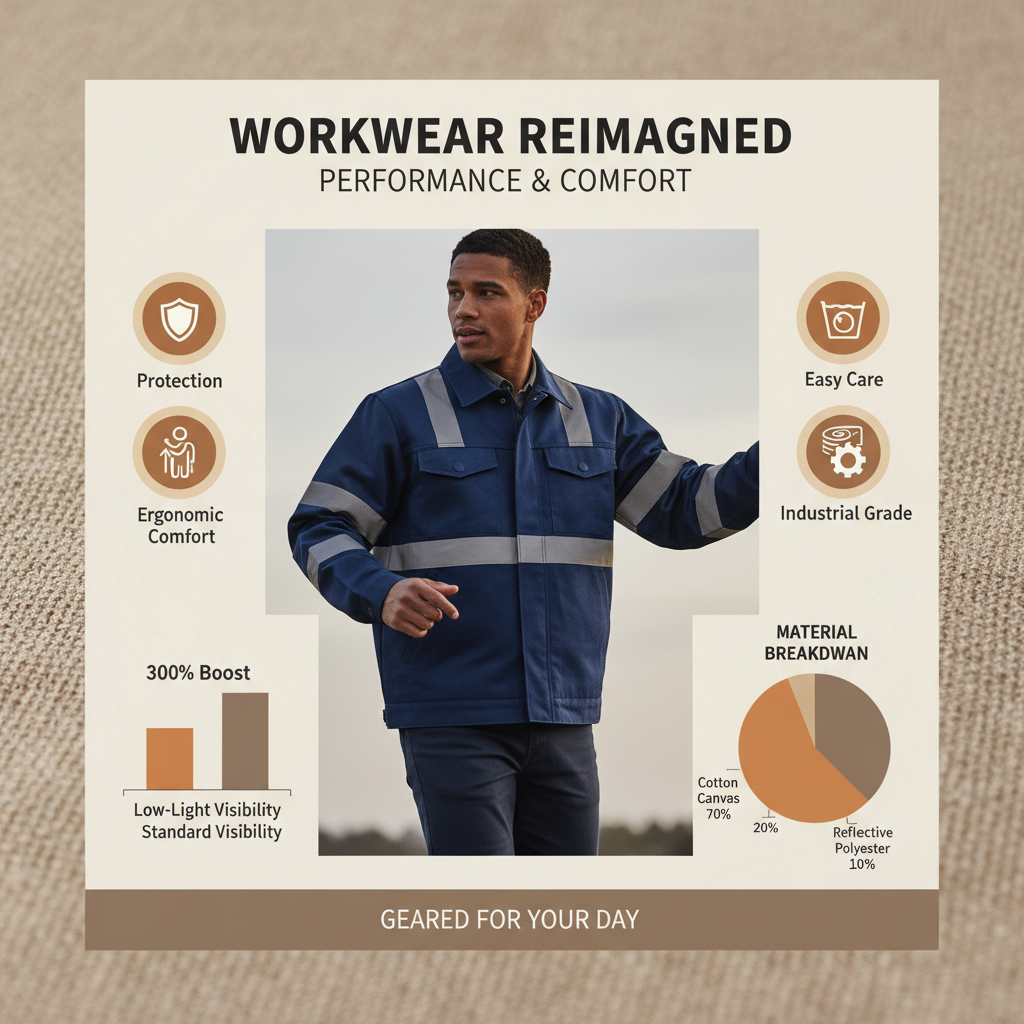
Maintaining Your Reflective Work Jacket
To ensure the longevity and effectiveness of your reflective work jacket, proper maintenance is crucial. Regularly inspect the jacket for damage, such as tears or cracks in the reflective material. Wash the jacket according to the manufacturer's instructions, avoiding harsh detergents and excessive heat. Store the jacket in a clean, dry place away from direct sunlight. Replacing a damaged jacket promptly is vital to maintaining a high level of safety. Following these simple maintenance steps will help ensure your reflective work jacket remains in optimal condition.
Conclusion: Prioritizing Safety with High-Visibility Workwear
Investing in a quality work jacket with reflective stripes is a proactive step towards creating a safer work environment. By understanding the importance of reflective materials, key features, and proper maintenance, you can select a jacket that provides reliable protection and enhances visibility in hazardous conditions. Don’t compromise on safety – choose the right work jacket for your needs.
Frequently Asked Questions (FAQs)
What visibility standard should I look for when buying a work jacket?
The appropriate visibility standard depends on your location and industry. In the US, ANSI/ISEA 107 is the primary standard. In Europe, it's EN ISO 20471. These standards classify garments into different visibility levels based on the amount of reflective material and the background color. Understanding these standards will ensure you choose a jacket that provides adequate protection for your work environment. Always check local regulations and industry best practices to determine the required level of visibility. Choosing a jacket that doesn’t meet the necessary standard can compromise safety.
How often should I replace my reflective work jacket?
The frequency of replacement depends on usage and wear and tear. Typically, a reflective work jacket should be replaced every 1-3 years, or sooner if the reflective material is damaged or faded. Regular inspection is crucial. If you notice cracks, peeling, or diminished reflectivity, it’s time for a replacement. Remember, a damaged jacket compromises visibility and puts you at risk. Investing in a new jacket is a small price to pay for maintaining safety.
Can I wash my reflective work jacket in a washing machine?
Yes, but it’s essential to follow the manufacturer’s washing instructions carefully. Typically, you can machine wash the jacket on a gentle cycle with mild detergent. Avoid using bleach or fabric softeners, as these can damage the reflective material. Air drying is recommended to prevent shrinkage and maintain reflectivity. Overwashing can also degrade the reflective material, so wash only when necessary.
What is the difference between ANSI/ISEA 107 and EN ISO 20471?
ANSI/ISEA 107 is the standard for high-visibility safety apparel in the United States, while EN ISO 20471 is the European standard. While both standards aim to provide high visibility, they differ in their classification system and performance requirements. For example, ANSI/ISEA 107 classifies garments into three performance classes (Class 1, Class 2, and Class 3), while EN ISO 20471 uses three classes (Class 1, Class 2, and Class 3) but with different minimum requirements for reflective tape area. Knowing which standard applies to your region is essential for ensuring compliance and safety.
Latest news
-
Professional Tactical Reflective Jacket for Maximum Safety Guide
NewsApr.16,2026
-
Professional Tactical Reflective Vest for High Visibility Safety
NewsApr.09,2026
-
Enhancing Safety and Visibility with a Tactical Vest Reflective
NewsApr.07,2026
-
Comprehensive Guide to Choosing the Right Traffic Reflective Jacket for Safety
NewsApr.04,2026
-
Choosing the Right Traffic Vest for Enhanced Workplace Safety
NewsMar.31,2026
-
Comprehensive Guide to Traffic Vest Security and Worker Safety
NewsMar.28,2026
Copyright © 2026 Handan Xinda Qihang Trading Co., Ltd. All Rights Reserved. Sitemap | Privacy Policy | Top Blog | Global Service | Hot Products


