
+8615630398555

Feb . 27, 2026 02:05 Back to list
Choosing the Right Work Reflective Vest for Enhanced Workplace Safety
Choosing the Right Work Reflective Vest: A Comprehensive Guide
In any workplace where visibility is crucial, a work reflective vest is not just a garment – it's a vital safety component. From construction sites to roadside assistance, these vests dramatically increase worker safety by ensuring they are seen in low-light conditions or adverse weather. This article will delve into the world of work reflective vests, exploring types, standards, selection criteria, and why choosing the right vest can significantly reduce workplace accidents. Understanding your needs and the available options is the first step towards a safer working environment.
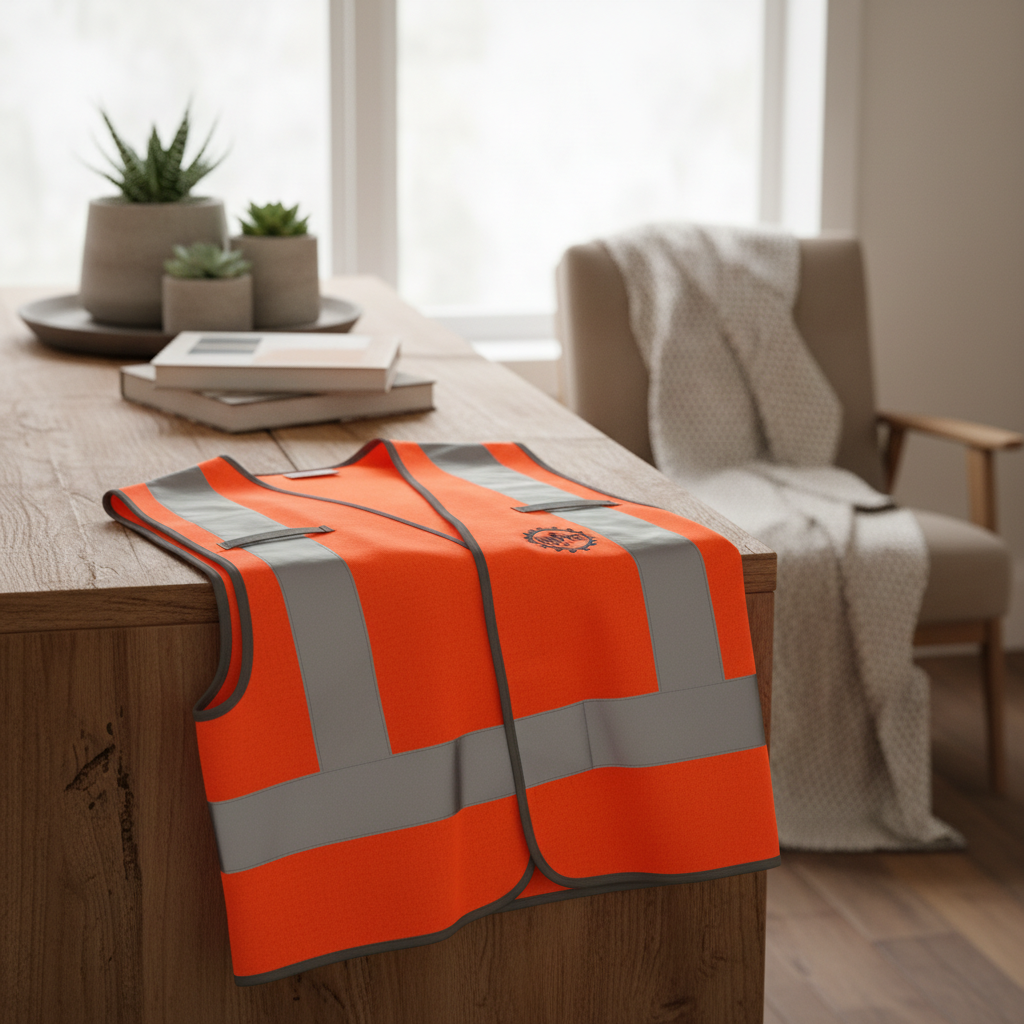
Understanding the Importance of Work Reflective Vests
The primary function of a work reflective vest is to enhance visibility, making workers more noticeable to motorists, equipment operators, and other personnel. This is achieved through the use of retroreflective materials that bounce light back to its source, creating a bright and easily visible outline. This is especially critical in conditions such as dawn, dusk, nighttime, or during inclement weather like rain, fog, or snow. By ensuring workers are seen, these vests significantly reduce the risk of being struck by vehicles or equipment, leading to fewer workplace injuries and fatalities. Investing in quality reflective safety vests is a proactive step towards a safer and more secure workplace.
Key Benefit: Increased visibility reduces the risk of accidents by making workers more easily seen in low-light or hazardous conditions.
Types of Work Reflective Vests
Work reflective vests come in various types, each designed for specific applications and levels of protection. The most common types include:
- Standard Vest: Typically made of polyester mesh with reflective tape, suitable for general visibility needs.
- High-Visibility Vest: Offers greater reflectivity and coverage, often used in high-risk environments like construction and road work.
- Surveyor Vest: Designed for surveyors and those needing a vest with pockets for tools and equipment.
- Flame-Resistant Vest: Constructed with flame-resistant materials for use in industries involving fire hazards.
- Winter Vest: Quilted or padded for added warmth and comfort in cold weather conditions.
Choosing the correct type of vest depends on the specific work environment and potential hazards.
Vest Type Breakdown:
• Standard Vest: General visibility
• High-Visibility Vest: High-risk environments
• Surveyor Vest: Tool and equipment storage
• Flame-Resistant Vest: Fire hazard areas
• Winter Vest: Cold weather protection
Work Reflective Vest Standards & Classes
Work reflective vests are classified based on their level of visibility and reflectivity. These classifications are established by standards organizations like ANSI/ISEA (American National Standards Institute/International Safety Equipment Association). The three main classes are:
Coverage Area is the total amount of retroreflective material on the vest.
Factors to Consider When Choosing a Work Reflective Vest
Selecting the right work reflective vest requires careful consideration of several factors:
- Work Environment: Assess the potential hazards and visibility conditions in the work area.
- ANSI/ISEA Class: Choose a vest that meets the appropriate ANSI/ISEA class for the level of risk.
- Comfort and Fit: Ensure the vest is comfortable and fits properly to encourage consistent wear.
- Durability: Opt for a vest made of durable materials that can withstand regular use and washing.
- Additional Features: Consider features like pockets, adjustable straps, and breathable materials.
You can find a wide selection of high-quality reflective vests at XDQH PPE to meet your specific needs.
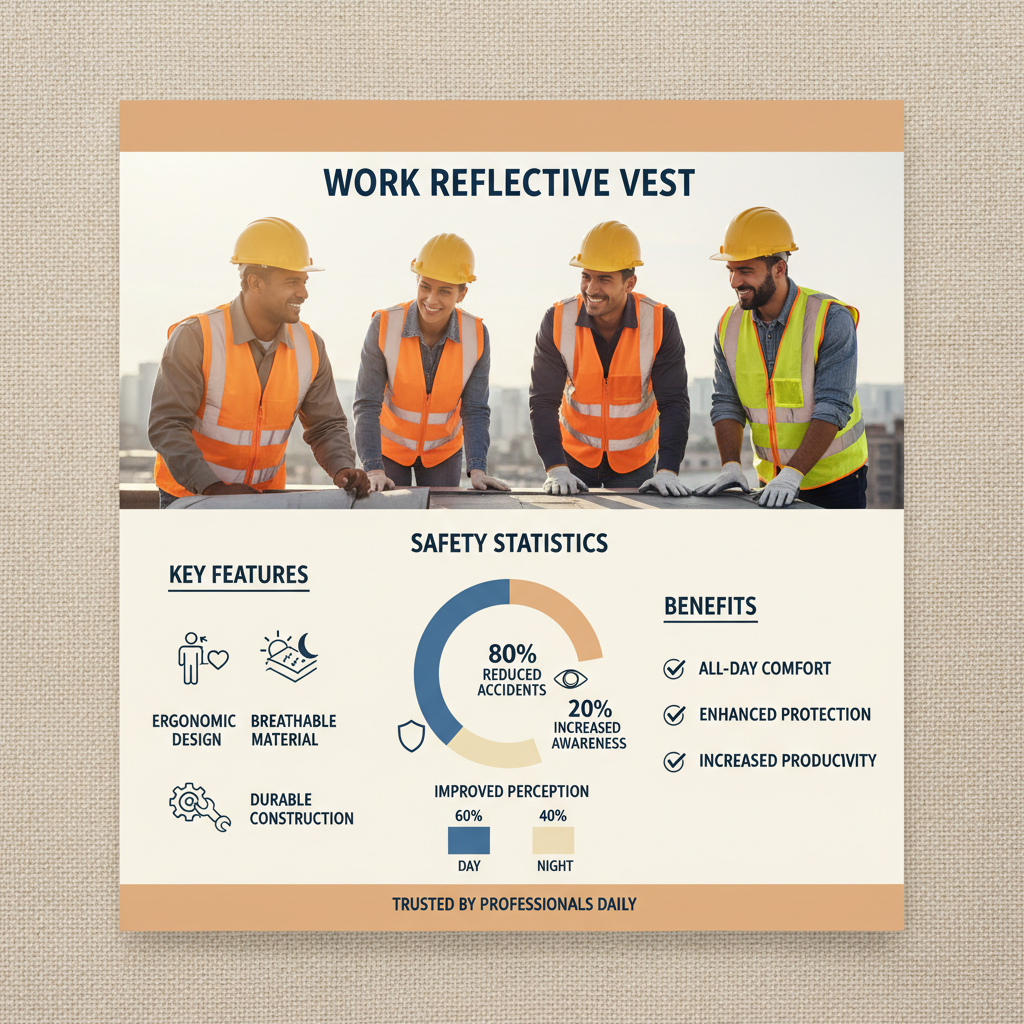
Maintaining Your Work Reflective Vest
To ensure your work reflective vest continues to provide optimal protection, regular maintenance is essential. Follow these guidelines:
- Washing: Machine wash in cold water with a mild detergent. Avoid bleach and fabric softeners.
- Drying: Air dry or tumble dry on low heat.
- Inspection: Regularly inspect the vest for tears, cracks, or damage to the reflective material.
- Replacement: Replace the vest if it is damaged or no longer meets the required safety standards.
Proper care will prolong the life and effectiveness of your work reflective vest, ensuring your continued safety.
Conclusion: Prioritizing Safety with the Right Work Reflective Vest
Investing in a high-quality work reflective vest is a critical step towards protecting workers and promoting a safe work environment. By understanding the different types, standards, and maintenance requirements, you can make an informed decision that ensures optimal visibility and reduces the risk of accidents. Don't compromise on safety – choose the right vest for the job.
Frequently Asked Questions (FAQs)
What is the difference between Class 2 and Class 3 reflective vests?
Class 2 vests offer intermediate levels of reflectivity and are suitable for workers in situations where traffic is present but speeds are relatively low, such as roadside workers or school crossing guards. Class 3 vests provide the highest level of reflectivity and coverage, making them ideal for high-risk environments like highway construction or emergency response where workers are exposed to fast-moving traffic and potentially hazardous conditions. The choice depends on the level of risk and the specific requirements of the job site.
How often should I replace my work reflective vest?
The frequency of replacement depends on usage and wear. As a general guideline, replace your vest every 1-2 years with regular use, or sooner if it shows signs of damage, such as tears, cracks, or fading of the reflective material. Always replace a vest if it has been involved in an incident or has been exposed to harsh chemicals. Regular inspection is crucial to identify potential issues and ensure continued protection.
Are flame-resistant reflective vests available?
Yes, flame-resistant (FR) reflective vests are available for workers in industries where there is a risk of fire or flash fire, such as oil and gas, petrochemical, and welding. These vests are made with FR materials that are designed to self-extinguish and provide protection against burns. It's essential to choose a vest that meets the appropriate FR standards for your specific industry and application. You can find FR vests on the XDQH PPE website.
Latest news
-
Professional Tactical Reflective Jacket for Maximum Safety Guide
NewsApr.16,2026
-
Professional Tactical Reflective Vest for High Visibility Safety
NewsApr.09,2026
-
Enhancing Safety and Visibility with a Tactical Vest Reflective
NewsApr.07,2026
-
Comprehensive Guide to Choosing the Right Traffic Reflective Jacket for Safety
NewsApr.04,2026
-
Choosing the Right Traffic Vest for Enhanced Workplace Safety
NewsMar.31,2026
-
Comprehensive Guide to Traffic Vest Security and Worker Safety
NewsMar.28,2026
Copyright © 2026 Handan Xinda Qihang Trading Co., Ltd. All Rights Reserved. Sitemap | Privacy Policy | Top Blog | Global Service | Hot Products


