
+8615630398555

Mar . 09, 2026 02:05 Back to list
Comprehensive Guide to Choosing the Right Visibility Safety Vest for Workplace Protection
Choosing the Right Visibility Safety Vest: A Comprehensive Guide
In any work environment where visibility is crucial, a visibility safety vest is more than just apparel – it's a critical component of personal protective equipment (PPE). These vests significantly enhance worker safety by increasing their visibility to others, particularly in low-light conditions, during inclement weather, or near moving vehicles. Selecting the appropriate vest requires careful consideration of factors like material, reflectivity, and compliance with safety standards. This article provides a comprehensive overview of visibility safety vests, helping you make an informed decision to protect your workforce.

Understanding the Importance of High-Visibility Apparel
Accidents involving workers with low visibility are often preventable. A quality visibility safety vest dramatically improves the likelihood of being seen, reducing the risk of collisions with vehicles, machinery, and other potential hazards. Industries like construction, road work, airport ground crews, emergency responders, and logistics all heavily rely on high-visibility apparel to ensure worker safety. Investing in proper vests isn't just about compliance; it’s about prioritizing the well-being of your team and reducing potential liability. Regular inspections and replacements are also key to maintaining optimal performance.
Key Takeaway: Prioritizing high-visibility apparel is a proactive step towards creating a safer work environment and protecting valuable employees.
Types of Visibility Safety Vests: Choosing the Right Class
Visibility safety vests are categorized into different classes based on the level of protection they provide. These classes, defined by ANSI/ISEA 107 standards, dictate the amount of reflective material and the type of background color required.
- Class 1 Vests: Provide a basic level of visibility and are suitable for low-risk environments where minimal visibility is required, like parking lot attendants or warehouse workers.
- Class 2 Vests: Offer a moderate level of visibility and are commonly used in road construction, school crossings, and airport ground personnel.
- Class 3 Vests: Provide the highest level of visibility, featuring ample reflective material and often including reflective striping on arms and legs. These are essential for high-risk environments like highway road work, emergency responders, and situations with fast-moving traffic.
Material Matters: Examining Vest Construction
The material used in a visibility safety vest significantly impacts its comfort, durability, and overall performance. Common materials include:
- Polyester: Durable, lightweight, and resistant to shrinking and stretching. Often used for standard vests.
- Mesh: Provides excellent breathability, making it ideal for warm weather conditions.
- Knitted Polyester: Offers a softer, more comfortable feel.
- Flame-Resistant (FR) Fabrics: Essential for industries like oil and gas, where fire hazards are present.
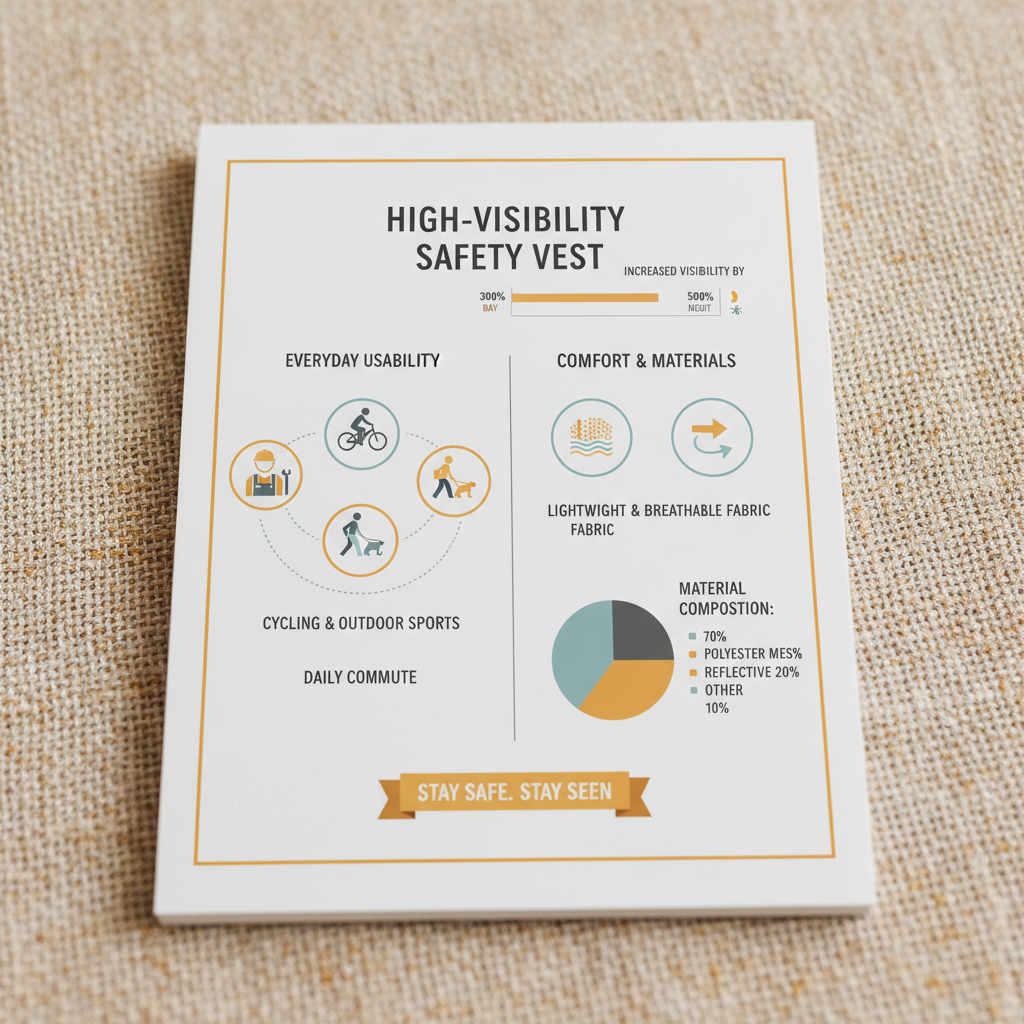
Comparing Reflective Materials: Silver vs. Fluorescent
Reflective materials are the cornerstone of a visibility safety vest. Two primary types are used:
Ensuring Compliance and Maintenance of Your Vests
Selecting a visibility safety vest that meets ANSI/ISEA 107 standards is paramount. Regular inspection of vests is crucial. Look for signs of wear and tear, fading of reflective material, or damage to the fabric. Follow the manufacturer’s washing instructions carefully to maintain reflectivity and extend the vest’s lifespan. Replace vests that are damaged or no longer meet safety standards. You can find a wide selection of compliant vests at XDQH PPE.
Conclusion: Investing in Visibility, Investing in Safety
Choosing the right visibility safety vest is a fundamental step in creating a safe and productive work environment. By understanding the different classes, materials, and reflective options, you can make an informed decision that protects your workforce and ensures compliance with safety regulations. Don’t compromise on visibility – prioritize safety with quality PPE.
Frequently Asked Questions (FAQs)
How often should I replace visibility safety vests?
The lifespan of a visibility safety vest depends on usage and care. Generally, vests should be replaced every 12-18 months with regular use, or sooner if the reflective material shows signs of fading, cracking, or detachment. Vests that have been involved in an accident or exposed to harsh chemicals should be replaced immediately. Regular inspection is key to identifying wear and tear.
What washing instructions should I follow for visibility vests?
Always follow the manufacturer's washing instructions. Generally, visibility vests should be machine washed on a gentle cycle with mild detergent and cold water. Avoid using bleach or fabric softeners, as these can damage the reflective material. Hang or lay flat to dry; do not tumble dry. Excessive heat can compromise the vest's visibility and durability.
Are there visibility vests for specific weather conditions?
Yes, there are vests designed for various weather conditions. For cold weather, insulated vests provide warmth without compromising visibility. For rainy conditions, waterproof vests are available to keep workers dry and comfortable. Breathable mesh vests are ideal for hot weather to promote airflow and prevent overheating.
How do I determine the correct size visibility vest?
Proper sizing is crucial for comfort and safety. Most vests come in sizes ranging from small to extra-large. Refer to the manufacturer's size chart, which typically includes chest measurements. The vest should fit snugly but allow for a full range of motion. Ensure the vest doesn't restrict movement or cause discomfort.
Latest news
-
Professional Tactical Reflective Jacket for Maximum Safety Guide
NewsApr.16,2026
-
Professional Tactical Reflective Vest for High Visibility Safety
NewsApr.09,2026
-
Enhancing Safety and Visibility with a Tactical Vest Reflective
NewsApr.07,2026
-
Comprehensive Guide to Choosing the Right Traffic Reflective Jacket for Safety
NewsApr.04,2026
-
Choosing the Right Traffic Vest for Enhanced Workplace Safety
NewsMar.31,2026
-
Comprehensive Guide to Traffic Vest Security and Worker Safety
NewsMar.28,2026
Copyright © 2026 Handan Xinda Qihang Trading Co., Ltd. All Rights Reserved. Sitemap | Privacy Policy | Top Blog | Global Service | Hot Products


