
+8615630398555

Mar . 04, 2026 02:15 Back to list
Comprehensive Guide to Choosing the Right Washable Safety Vest for Optimal Protection
Choosing the Right Washable Safety Vest: A Comprehensive Guide
In environments demanding high visibility and worker safety, the washable safety vest is an indispensable piece of Personal Protective Equipment (PPE). Beyond simply being seen, a quality safety vest offers comfort, durability, and increasingly, the convenience of being machine washable. This article explores the key features, benefits, choosing factors, and care instructions for washable safety vests, ensuring you select the optimal vest for your needs. We’ll cover everything from material types to ANSI standards, empowering you to make an informed decision.
Why Choose a Washable Safety Vest?
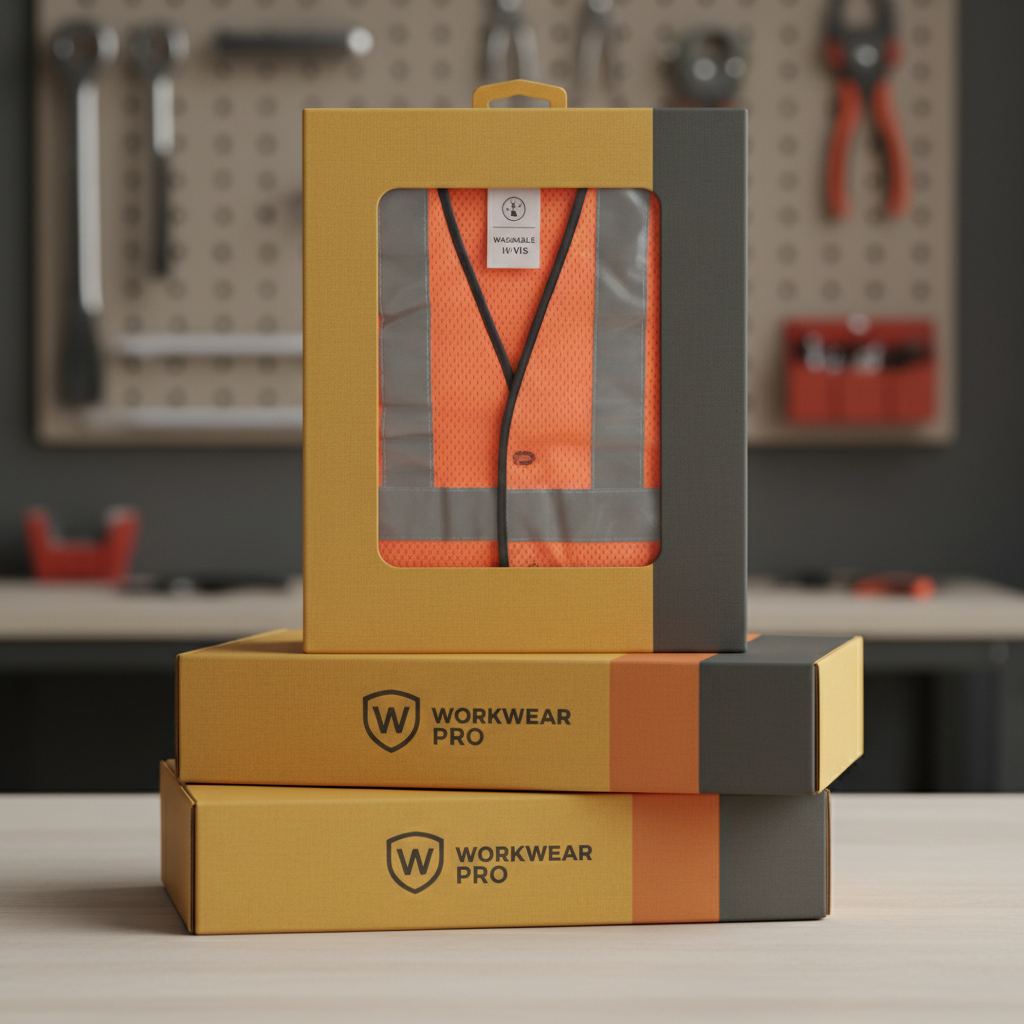
Traditional safety vests often require hand washing or spot cleaning, which can be time-consuming and less effective. Washable safety vests are constructed with materials and designs that allow for machine washing without compromising their high-visibility properties. This is a significant advantage for industries where vests are frequently soiled – construction, traffic control, warehousing, and more. A washable vest reduces maintenance costs and ensures workers always have a clean, highly visible garment, promoting a safer work environment. Moreover, consistent cleanliness contributes to improved hygiene and worker morale.
Key Benefits: Machine washable for easy maintenance, maintains high visibility even after washing, reduces maintenance costs, improves hygiene, and enhances worker morale.
Material Matters: Types of Washable Safety Vest Fabrics
The material of a safety vest significantly impacts its washability, durability, and comfort. Common materials include polyester, nylon, and various blends. Polyester is a popular choice due to its excellent washability, resistance to shrinking and fading, and affordability. Nylon offers superior abrasion resistance but may be more expensive. Blends combine the benefits of both materials. Look for vests with a durable water repellent (DWR) finish to enhance stain resistance and improve washability. It’s also important to consider the reflective tape material – it should be heat-sealed to the vest fabric to ensure it remains securely attached even after repeated washing.
Washable Fabric Benefits:
• Polyester: Excellent washability and affordability.
• Nylon: Superior abrasion resistance.
• Blends: Combine the best of both worlds.
• DWR Finish: Enhances stain resistance and washability.
Washable Safety Vest: ANSI/ISEA Standards & Classifications
Safety vests are classified according to the American National Standards Institute (ANSI)/International Safety Equipment Association (ISEA) 107 standard. This standard defines the levels of performance for high-visibility apparel. The three classes – Class 1, Class 2, and Class 3 – are based on the amount of background material and reflective tape. Class 2 vests are most common for general work environments, while Class 3 vests offer the highest level of visibility and are typically used in high-risk situations, like near moving traffic. When choosing a washable safety vest, ensure it meets the appropriate ANSI/ISEA standard for your specific work environment. The XDQH PPE range includes vests certified to various ANSI classes.
Proper Care for Your Washable Safety Vest
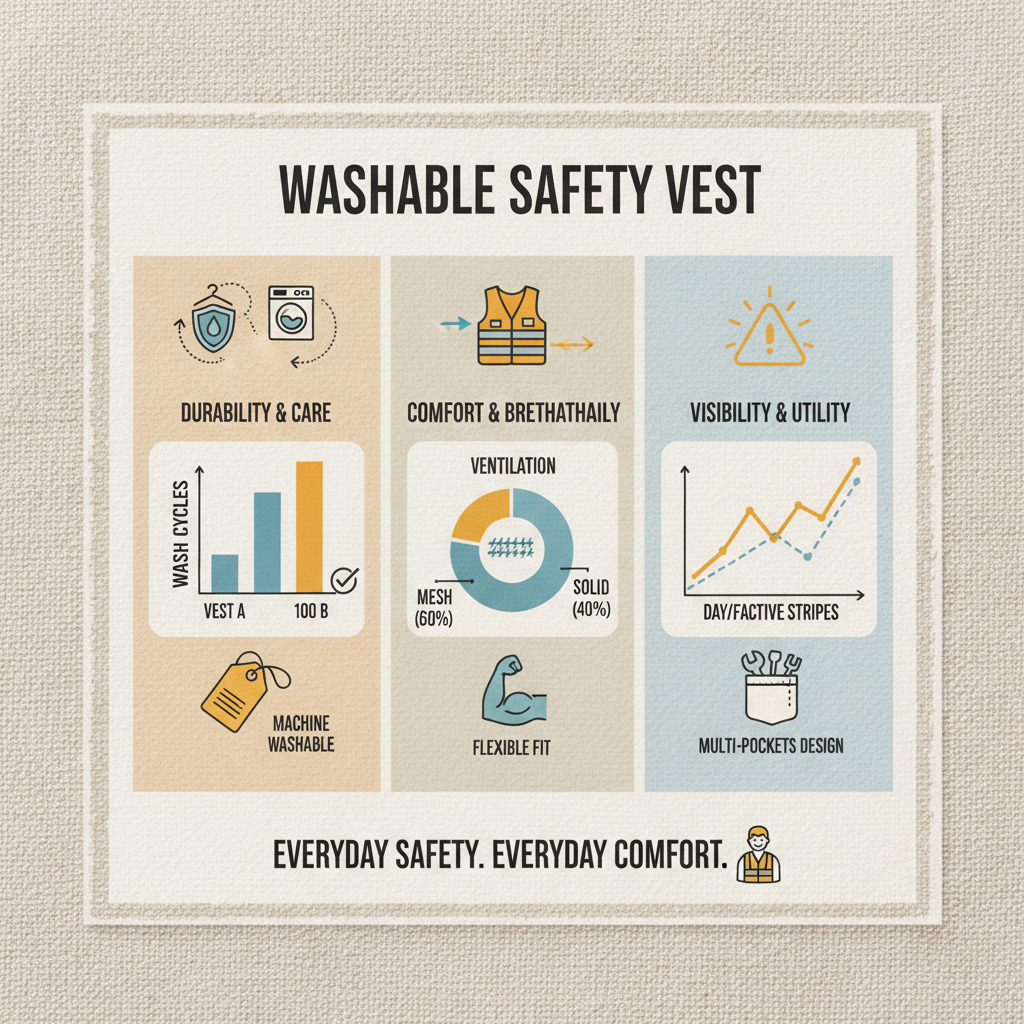
To maximize the lifespan and maintain the visibility of your washable safety vest, follow these care instructions: Always check the manufacturer's label for specific guidance. Use a mild detergent and avoid bleach or fabric softeners, as these can damage the reflective tape. Machine wash on a gentle cycle in cold or lukewarm water. Tumble dry on low heat or hang to dry. Avoid ironing the vest, as this can also damage the reflective material. Regularly inspect the vest for tears, damage, or fading, and replace it when necessary.
Selecting the Best Washable Safety Vest for Your Needs
Choosing the right washable safety vest involves considering several factors: the work environment, the level of risk, the required ANSI class, comfort, and durability. Look for vests with adjustable features to ensure a secure and comfortable fit. Consider features like pockets for added convenience. Prioritize vests made from high-quality materials that can withstand frequent washing and wear. And, most importantly, ensure the vest meets the appropriate safety standards for your specific application. XDQH PPE offers a wide selection of high-quality, washable safety vests to meet diverse needs.
Conclusion: Prioritize Safety with a Washable Vest
Investing in a high-quality, washable safety vest is a crucial step in protecting your workforce. By choosing a vest that meets the appropriate standards, offers superior comfort and durability, and is easy to maintain, you can create a safer and more productive work environment. Don't compromise on safety – choose wisely and ensure your team is always visible and protected.
Frequently Asked Questions (FAQs)
How often should I wash my safety vest?
The frequency of washing depends on the level of soiling. If the vest becomes visibly dirty or contaminated, it should be washed immediately. As a general guideline, wash your safety vest at least once a week, or more often if working in particularly dirty environments. Regular washing ensures optimal visibility and hygiene.
Can I use bleach on my washable safety vest?
No, you should never use bleach on your safety vest. Bleach can damage the fluorescent material and reflective tape, reducing the vest's visibility and effectiveness. Always use a mild detergent and avoid harsh chemicals. If you need to disinfect the vest, consider using a disinfectant spray specifically designed for fabrics, following the manufacturer’s instructions.
What should I do if the reflective tape on my vest is damaged?
If the reflective tape is cracked, peeling, or otherwise damaged, the vest should be replaced immediately. Damaged reflective tape significantly reduces the vest’s visibility and compromises worker safety. Do not attempt to repair the tape yourself, as this may not restore its reflective properties. A damaged vest no longer meets safety standards and should be disposed of responsibly.
Are all safety vests labeled with ANSI/ISEA standards?
Not all safety vests are labeled with ANSI/ISEA standards. It’s crucial to check for a label indicating compliance with the appropriate standard (ANSI/ISEA 107) before purchasing a vest. The label will also specify the vest’s class (1, 2, or 3). Purchasing from reputable manufacturers like XDQH PPE ensures you receive a certified and compliant product.
Latest news
-
Professional Tactical Reflective Jacket for Maximum Safety Guide
NewsApr.16,2026
-
Professional Tactical Reflective Vest for High Visibility Safety
NewsApr.09,2026
-
Enhancing Safety and Visibility with a Tactical Vest Reflective
NewsApr.07,2026
-
Comprehensive Guide to Choosing the Right Traffic Reflective Jacket for Safety
NewsApr.04,2026
-
Choosing the Right Traffic Vest for Enhanced Workplace Safety
NewsMar.31,2026
-
Comprehensive Guide to Traffic Vest Security and Worker Safety
NewsMar.28,2026
Copyright © 2026 Handan Xinda Qihang Trading Co., Ltd. All Rights Reserved. Sitemap | Privacy Policy | Top Blog | Global Service | Hot Products


