
+8615630398555

Feb . 25, 2026 02:05 Back to list
Comprehensive Guide to Sourcing Quality Reflective Vest China Suppliers
Choosing the Right Reflective Vest China Supplier: A Comprehensive Guide
Sourcing high-quality reflective vests from China is crucial for businesses prioritizing safety and visibility. With a vast number of suppliers available, navigating the market requires careful consideration. This article provides a detailed guide to help you identify reliable manufacturers, assess product quality, understand key specifications, and ensure a smooth import process. We'll explore the factors that distinguish reputable suppliers and ensure you receive durable, compliant, and cost-effective reflective vests.
Understanding the Importance of Reflective Vests
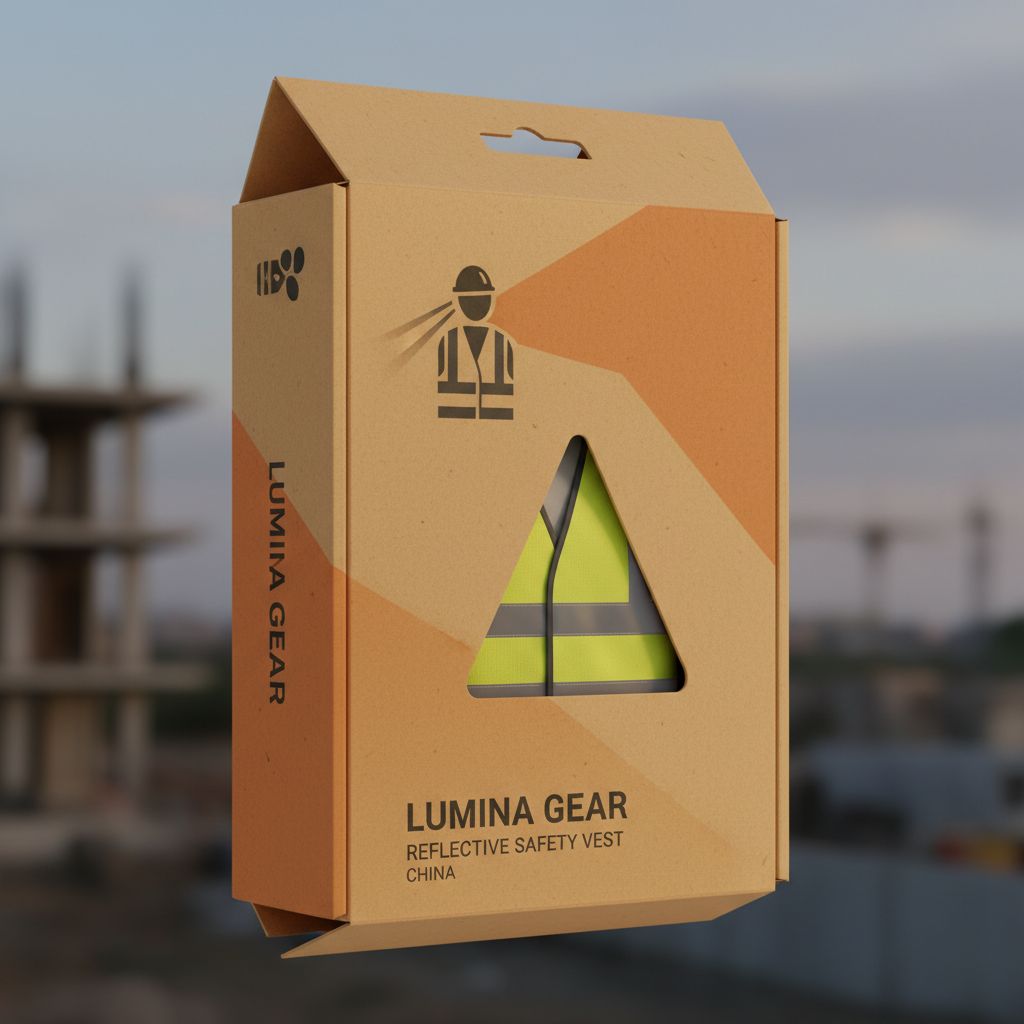
Reflective vests are essential personal protective equipment (PPE) used to enhance visibility, particularly in low-light conditions. They play a vital role in preventing accidents involving pedestrians, cyclists, construction workers, traffic controllers, and emergency responders. Choosing the right reflective vest isn’t just about meeting safety standards; it’s about protecting lives. The quality of the reflective material, the vest's construction, and adherence to international standards like EN ISO 20471 are paramount. A well-made reflective vest China offers superior protection and durability.
Key Benefits: Enhanced visibility in low-light, reduced risk of accidents, compliance with safety regulations, and increased worker safety.
Key Factors When Selecting a Reflective Vest China Supplier
When searching for a reflective vest supplier in China, several factors should be considered. First, verify their certifications (e.g., ISO 9001) to ensure they adhere to quality management systems. Second, assess their manufacturing capacity and lead times to ensure they can meet your order requirements. Third, examine their product range, including different vest classes, materials, and customization options. Finally, communication is key – a responsive and clear communication process is essential for a smooth transaction.
Supplier Evaluation Checklist:
• Certifications (ISO 9001, etc.)
• Manufacturing Capacity
• Product Range
• Communication Responsiveness
Comparing Reflective Vest Classes: EN ISO 20471 Standards
The EN ISO 20471 standard defines three classes of high-visibility clothing based on the amount of reflective material used. Class 1 provides the lowest level of visibility, suitable for low-risk environments. Class 2 offers moderate visibility for general workwear, while Class 3 provides the highest level of visibility for high-risk situations, such as roadside work. Choosing the appropriate class depends on the specific application and the level of risk involved. A reputable reflective vest China supplier will clearly indicate the class of each vest.
Materials and Customization Options for Reflective Vests
Common materials used for reflective vests include polyester, knitted fabrics, and mesh. Polyester offers durability and water resistance, while knitted fabrics provide comfort and breathability. Customization options include logo printing, adding pockets, and selecting specific colors. A reliable supplier should offer a range of customization options to meet your branding and functional needs. Xdqhppe provides bespoke reflective vest solutions tailored to your exact requirements.
Importing from China: Key Considerations
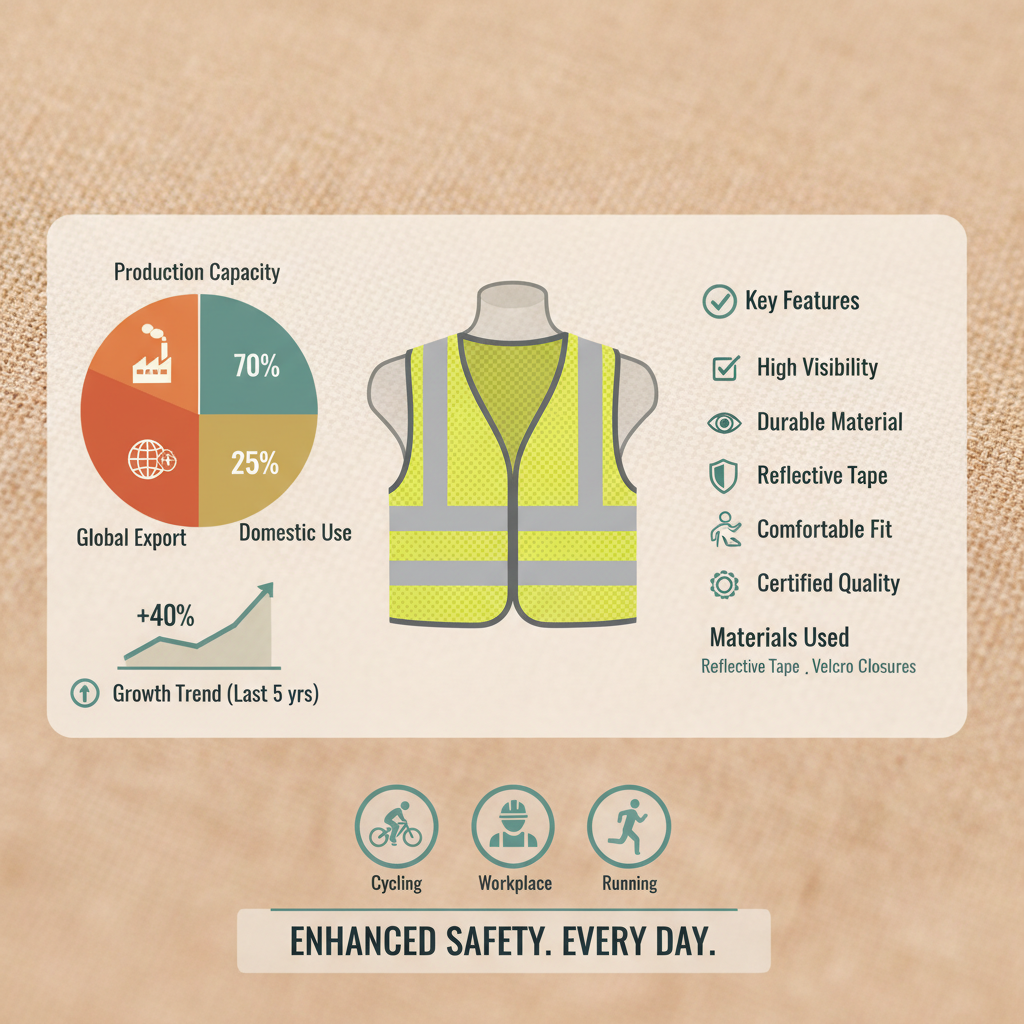
Importing from China involves logistical and regulatory considerations. Ensure your supplier can provide the necessary documentation for customs clearance, including commercial invoices, packing lists, and certificates of origin. Understanding import duties, taxes, and shipping costs is crucial for accurate budgeting. Working with a reputable freight forwarder can streamline the import process and minimize potential delays. Thoroughly research import regulations in your country to ensure compliance.
Conclusion: Partnering with a Trusted Reflective Vest China Supplier
Choosing the right reflective vest supplier in China is a critical step in ensuring workplace safety and complying with industry regulations. By carefully evaluating suppliers, understanding product specifications, and navigating the import process effectively, you can secure high-quality, cost-effective reflective vests that protect your workforce. Prioritize quality, reliability, and clear communication to build a long-term partnership.
Frequently Asked Questions (FAQs)
What are the key certifications I should look for in a reflective vest supplier?
When evaluating a supplier, prioritize certifications such as ISO 9001 (quality management system) and compliance with relevant safety standards like EN ISO 20471 (high-visibility clothing). These certifications demonstrate a commitment to quality control and adherence to international safety regulations. Additionally, look for certifications related to environmental standards and ethical labor practices. A reputable supplier will readily provide documentation proving their compliance with these standards.
How can I ensure the reflective material meets the required visibility standards?
Request a sample of the reflective material from the supplier and ask for test reports demonstrating its conformity to EN ISO 20471 standards. These reports should detail the retroreflective performance of the material, ensuring it meets the minimum reflectivity requirements for the specified vest class. Independent testing by a third-party laboratory can provide further assurance of quality and compliance.
What is the typical lead time for ordering reflective vests from a Chinese supplier?
Lead times can vary depending on the order quantity, customization requirements, and the supplier's production capacity. Generally, expect a lead time of 2-4 weeks for standard orders and 4-6 weeks for customized orders. It's essential to confirm the lead time with the supplier before placing your order and factor in additional time for shipping and customs clearance.
What should I consider when negotiating pricing with a supplier?
When negotiating pricing, consider factors like order quantity, material specifications, customization options, and shipping terms. Don't solely focus on the unit price; consider the total cost, including shipping, duties, and taxes. Establish a clear payment schedule and ensure the supplier provides a detailed quotation outlining all costs. Build a strong relationship with the supplier to foster long-term trust and potentially secure more favorable pricing in the future.
Latest news
-
Professional Tactical Reflective Jacket for Maximum Safety Guide
NewsApr.16,2026
-
Professional Tactical Reflective Vest for High Visibility Safety
NewsApr.09,2026
-
Enhancing Safety and Visibility with a Tactical Vest Reflective
NewsApr.07,2026
-
Comprehensive Guide to Choosing the Right Traffic Reflective Jacket for Safety
NewsApr.04,2026
-
Choosing the Right Traffic Vest for Enhanced Workplace Safety
NewsMar.31,2026
-
Comprehensive Guide to Traffic Vest Security and Worker Safety
NewsMar.28,2026
Copyright © 2026 Handan Xinda Qihang Trading Co., Ltd. All Rights Reserved. Sitemap | Privacy Policy | Top Blog | Global Service


