
+8615630398555

Mar . 28, 2026 02:15 Back to list
Comprehensive Guide to Traffic Vest Security and Worker Safety
Traffic Vest Security: A Comprehensive Guide
Ensuring worker safety is paramount in any industry, and high-visibility traffic vests are a crucial component of a comprehensive safety program. These vests significantly enhance visibility, reducing the risk of accidents, particularly in low-light conditions or around moving vehicles. This article will explore the importance of traffic vest security, the various types available, key features to consider, relevant standards, and how to choose the right vest for your specific needs. Investing in quality traffic vests is not just a compliance issue; it's an investment in the well-being of your workforce.
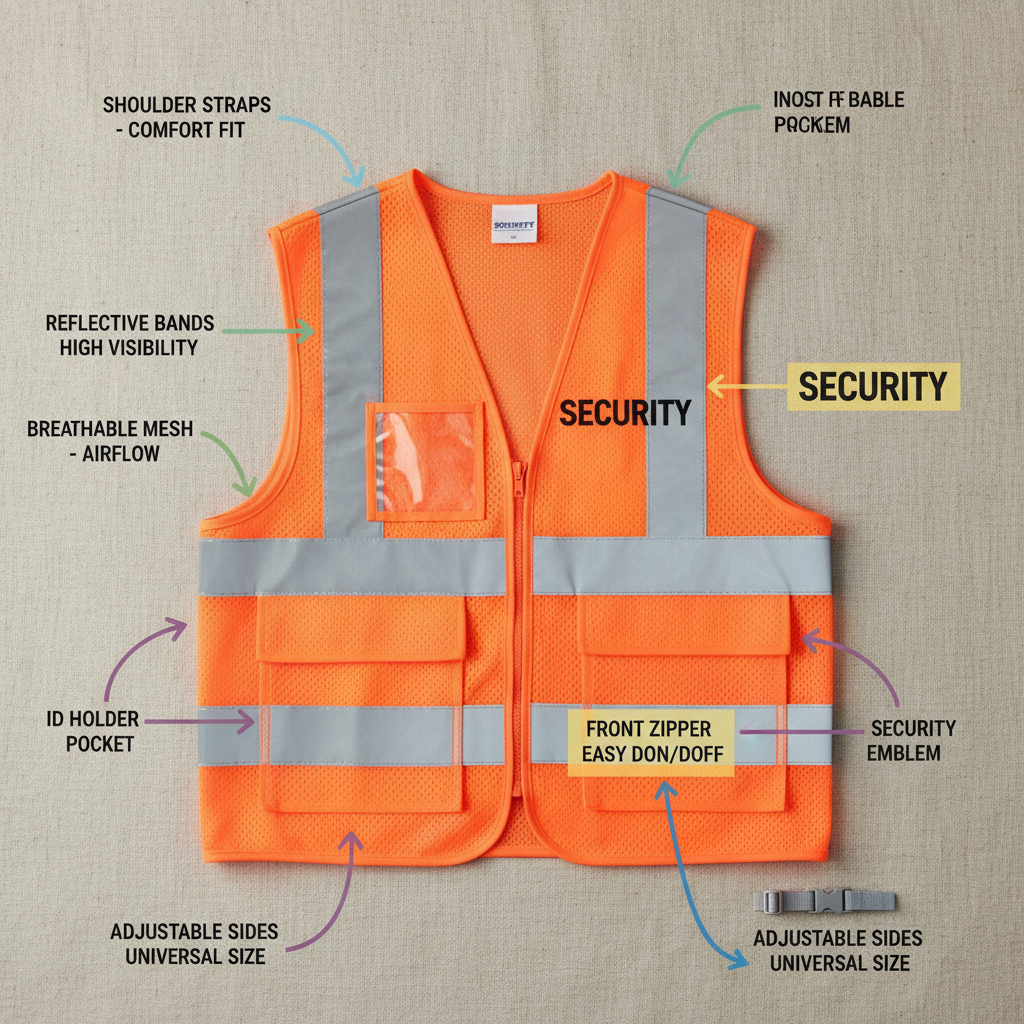
The Importance of Traffic Vest Security
Traffic vest security isn’t solely about ensuring the vest is visible; it's about the entire package – the quality of the reflective material, the durability of the fabric, and the proper fit. A poorly made or ill-fitting vest can significantly reduce its effectiveness. These vests are designed to make workers stand out, alerting drivers and equipment operators to their presence. This is particularly critical in industries like construction, road maintenance, logistics, and emergency response where workers are frequently exposed to vehicular traffic. A secure and well-maintained vest can be the difference between a near miss and a serious accident. Furthermore, proper use and maintenance of traffic vests contribute to workplace safety culture and demonstrate a commitment to employee well-being.
Key Takeaway: High-visibility traffic vests are a critical safety measure, reducing the risk of accidents by enhancing worker visibility in hazardous environments.
Types of Traffic Vests Available
Traffic vests come in various styles, each suited to different needs and applications. The primary types include:
- Standard Vests: Basic vests offering good visibility for general use.
- High-Visibility Vests: Provide enhanced reflectivity, ideal for low-light conditions.
- Two-Tone Vests: Feature contrasting colors for improved visibility.
- Surveyor Vests: Often include additional pockets for carrying tools and equipment.
- Winter Vests: Designed with added insulation for cold-weather protection.
Choosing the right type depends on the specific work environment, weather conditions, and the level of visibility required. Xdqhppe offers a wide selection to meet diverse safety requirements.
Key Vest Types:
• Standard Vests
• High-Visibility Vests
• Two-Tone Vests
• Surveyor Vests
Key Features to Look for in Traffic Vest Security
When selecting traffic vests, consider these crucial features: Reflective Material: Look for vests made with high-quality, retroreflective materials that meet ANSI/ISEA standards. Vest Material: Durable, breathable fabrics like polyester are preferred for comfort and longevity. Fit and Size: A properly fitted vest ensures optimal visibility and comfort. Vests should be snug but not restrictive. Closure Type: Secure closures, such as Velcro or zippers, are essential for keeping the vest in place. Additional Features: Pockets, adjustable straps, and breakaway designs can enhance functionality and safety.
Relevant Standards for Traffic Vest Security
Several standards govern the performance and quality of traffic vests. The most prominent is the ANSI/ISEA 107 standard, which outlines requirements for high-visibility safety apparel. This standard classifies vests into different performance classes based on their reflectivity and background color. Compliance with ANSI/ISEA 107 ensures that the vest provides adequate visibility and meets industry safety benchmarks. Additionally, some regions may have specific local regulations regarding traffic vest requirements. Always verify that the vests you purchase meet the applicable standards for your location and industry. You can find detailed information regarding standards compliance on our website.
Choosing the Right Traffic Vest for Your Needs
Selecting the appropriate traffic vest involves considering the specific work environment, potential hazards, and worker preferences. Assess the level of visibility needed, taking into account lighting conditions and traffic density. Choose a vest that offers sufficient reflectivity and a comfortable fit. Consider the durability of the material and the need for additional features like pockets or adjustable straps. Prioritize compliance with relevant safety standards. Regular inspection and replacement of worn or damaged vests are also crucial for maintaining effective traffic vest security.
Conclusion: Prioritizing Safety with Quality Traffic Vests
Investing in high-quality traffic vests is a proactive step towards ensuring worker safety and minimizing the risk of accidents. By selecting vests that meet relevant standards, offer superior visibility, and provide a comfortable fit, you can create a safer working environment for your employees. Don't compromise on safety – choose quality, choose visibility, and choose peace of mind.
Frequently Asked Questions (FAQs)
How often should traffic vests be replaced?
Traffic vests should be replaced regularly, even if they show no visible signs of damage. The recommended replacement frequency is typically every 12-18 months for regular use, or sooner if the reflective material is faded or worn. Vests should also be replaced immediately if they have been involved in an accident or exposed to harsh chemicals. Regular inspection for damage, such as tears or compromised reflectivity, is crucial to ensure continued effectiveness.
What is the ANSI/ISEA 107 standard and why is it important?
The ANSI/ISEA 107 standard is the American National Standard for High-Visibility Safety Apparel. It sets minimum requirements for the performance characteristics of high-visibility garments, including reflectivity, color, and design. Compliance with ANSI/ISEA 107 ensures that traffic vests provide adequate visibility and meet recognized safety benchmarks, protecting workers from potential hazards. Choosing ANSI-compliant vests demonstrates a commitment to workplace safety and can help prevent accidents.
How should traffic vests be stored when not in use?
Proper storage of traffic vests is essential to prolong their lifespan and maintain their effectiveness. Vests should be stored in a clean, dry, and well-ventilated area, away from direct sunlight and harsh chemicals. Avoid storing vests in damp or humid environments, as this can damage the reflective material. Hanging vests or storing them flat is preferable to folding them, which can cause creases and reduce reflectivity.
Can traffic vests be washed? If so, what are the recommended washing instructions?
Yes, most traffic vests can be washed, but it's crucial to follow the manufacturer's instructions carefully. Generally, vests should be machine washed on a gentle cycle with mild detergent. Avoid using bleach or harsh chemicals, as these can damage the reflective material. Do not tumble dry, as heat can also degrade the reflectivity. Instead, hang the vest to air dry. Check the care label on the vest for specific washing instructions.
Latest news
-
Professional Tactical Reflective Jacket for Maximum Safety Guide
NewsApr.16,2026
-
Professional Tactical Reflective Vest for High Visibility Safety
NewsApr.09,2026
-
Enhancing Safety and Visibility with a Tactical Vest Reflective
NewsApr.07,2026
-
Comprehensive Guide to Choosing the Right Traffic Reflective Jacket for Safety
NewsApr.04,2026
-
Choosing the Right Traffic Vest for Enhanced Workplace Safety
NewsMar.31,2026
Copyright © 2026 Handan Xinda Qihang Trading Co., Ltd. All Rights Reserved. Sitemap | Privacy Policy | Top Blog | Global Service | Hot Products


