
+8615630398555

Mar . 17, 2026 02:05 Back to list
Comprehensive Guide to Vest Reflective Safety and Enhanced Visibility
Understanding Vest Reflective Safety: A Comprehensive Guide
In any environment where visibility is compromised – from roadside construction to cycling in low light – vest reflective safety is paramount. These garments are designed to dramatically increase wearer visibility, reducing the risk of accidents and injuries. This article will explore the importance of reflective vests, the different types available, key standards, and how to choose the right vest for your needs. Investing in high-quality reflective safety gear is a crucial step towards ensuring personal safety and complying with industry regulations.
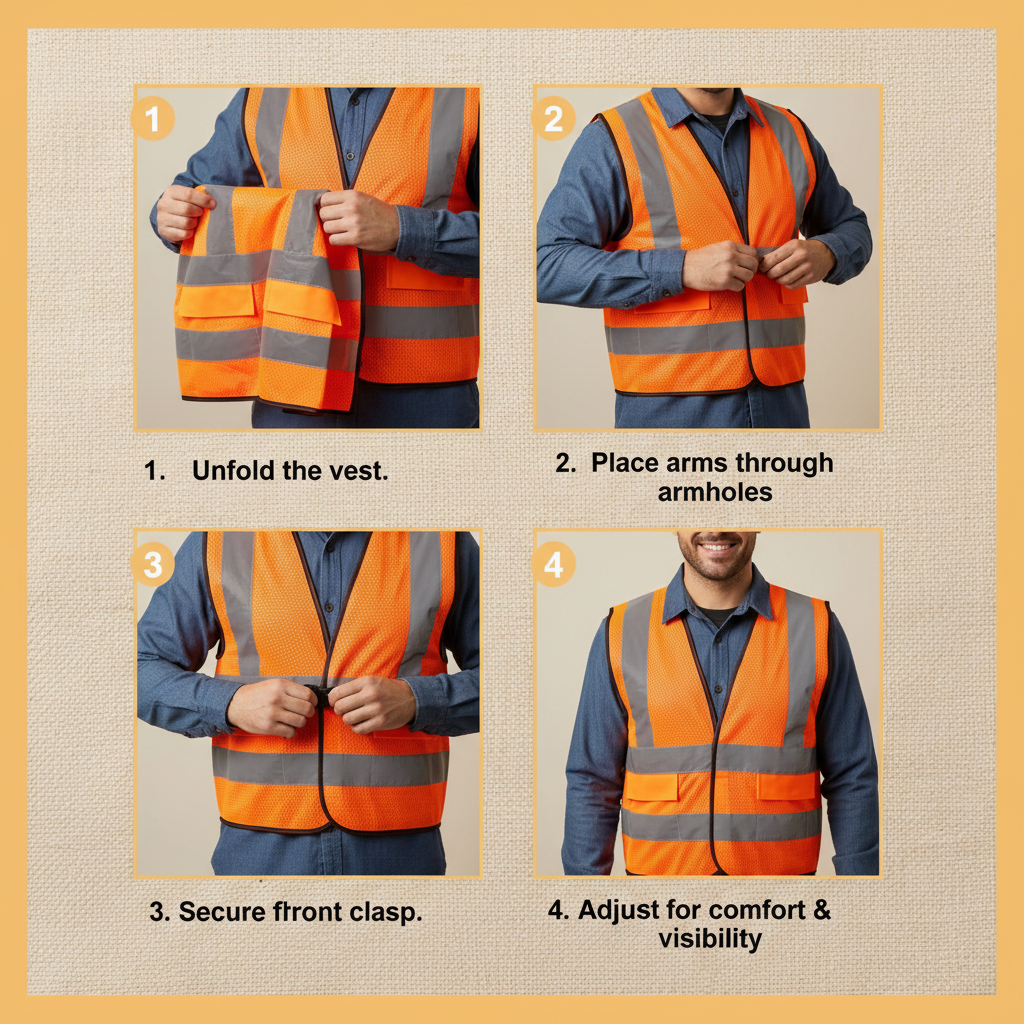
Why is Vest Reflective Safety Important?
The primary function of a reflective vest is to make the wearer highly visible, particularly in low-light conditions or inclement weather. They achieve this by utilizing retroreflective materials that bounce light back to its source, effectively 'illuminating' the wearer to approaching drivers, cyclists, or other individuals. This dramatically increases reaction time and reduces the likelihood of collisions. Industries where reflective vests are essential include construction, road maintenance, traffic control, emergency services, cycling, and running. Failing to prioritize visibility in these environments can lead to severe consequences. The benefit of reflective vests isn't just about avoiding accidents, it’s about safeguarding lives.
Key Benefits: Increased visibility, reduced accident risk, compliance with safety regulations, enhanced worker safety, and improved overall safety awareness.
Types of Vest Reflective Safety
Reflective vests come in various classes, each offering a different level of protection and suitability for specific applications. The ANSI/ISEA 107 standard defines these classes: Class 1 provides basic visibility and is suitable for low-risk environments. Class 2 offers moderate visibility and is commonly used in roadside work and traffic control. Class 3 provides the highest level of visibility and is required for high-risk environments like highway construction or emergency response situations. Beyond class, vests can differ in material (polyester, mesh, knitted fabrics), closure type (zipper, Velcro), and additional features like pockets or segmented reflective tape.
Understanding ANSI/ISEA Classes:
• Class 1: Basic visibility, low-risk environments
• Class 2: Moderate visibility, roadside work, traffic control
• Class 3: Highest visibility, high-risk environments
Key Features to Consider When Choosing a Vest Reflective Safety
When selecting a reflective vest, several factors should be taken into consideration. The work environment is paramount – a high-risk highway construction site necessitates a Class 3 vest, while a warehouse worker might suffice with Class 1. Comfort is also crucial; consider breathable materials like mesh, particularly for extended wear. The type of reflective material impacts visibility; prismatic reflective tape offers the highest level of reflectivity. Finally, ensure the vest meets relevant safety standards (ANSI/ISEA 107 in the US) and features a secure closure mechanism. Choosing the right vest means prioritizing both safety and practicality.
Maintenance and Care of Your Reflective Vest
To ensure your reflective vest maintains its effectiveness, proper maintenance is essential. Regularly inspect the vest for damage, such as tears or peeling reflective tape. Follow the manufacturer's washing instructions carefully; typically, hand washing or a gentle machine cycle with mild detergent is recommended. Avoid harsh chemicals or abrasive cleaners. Store the vest in a clean, dry place away from direct sunlight. Properly cared for, a reflective vest can provide reliable protection for years. Xdqhppe.com offers comprehensive care guidelines for all its products.
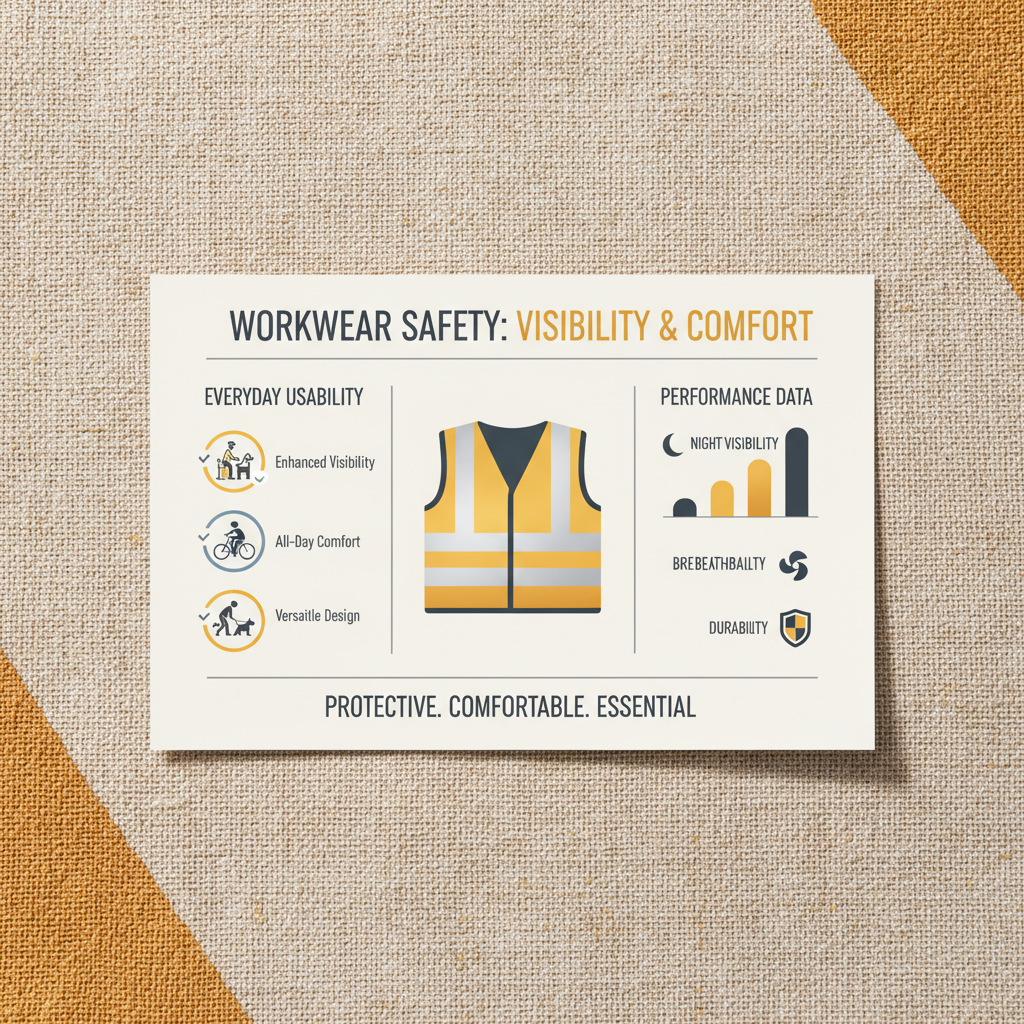
Where to Purchase High-Quality Vest Reflective Safety
Choosing a reputable supplier is critical when purchasing reflective safety vests. Xdqhppe.com is a leading provider of high-quality PPE, including a wide range of ANSI-compliant reflective vests. We offer competitive pricing, fast shipping, and excellent customer support. When selecting a vendor, ensure they provide certification of compliance with relevant safety standards and offer a variety of vest styles to meet your specific needs.
Conclusion: Prioritizing Visibility for Safety
Investing in vest reflective safety is not merely a matter of compliance; it's a commitment to protecting lives. By understanding the different classes, key features, and proper maintenance practices, you can make informed decisions and ensure your workforce remains visible and safe. Don’t compromise on visibility – choose quality, choose compliance, and choose safety.
Frequently Asked Questions (FAQs)
What is the difference between prismatic and glass bead reflective tape?
Both prismatic and glass bead reflective tapes enhance visibility, but prismatic tape offers significantly higher reflectivity. Glass bead tape uses tiny glass spheres embedded in the material to reflect light, while prismatic tape utilizes microscopic prisms for superior light return. Prismatic tape is more expensive but provides greater visibility, particularly at wider angles and longer distances. It's recommended for high-risk environments where maximum visibility is crucial.
How often should reflective vests be replaced?
The lifespan of a reflective vest depends on usage and care. Generally, vests should be replaced every 1-2 years with regular use or if they show signs of damage, such as fading reflective tape, tears, or a compromised closure. Even if no visible damage is present, consider replacement after extended exposure to harsh conditions. Consistent inspection is key to identifying potential issues before they compromise safety.
Are reflective vests washable?
Yes, most reflective vests are washable, but it’s crucial to follow the manufacturer’s instructions. Generally, hand washing or a gentle machine cycle with mild detergent is recommended. Avoid harsh chemicals, bleach, and hot water, as these can damage the reflective material. Air drying is preferred over machine drying to prevent shrinkage and maintain reflectivity. Always check the care label before washing.
What ANSI class vest is best for cycling?
For cycling, ANSI Class 2 is generally recommended. It provides sufficient visibility for moderate-risk environments, such as roads with traffic. However, if cycling in low-light conditions, at night, or on high-speed roadways, a Class 3 vest is a better choice for enhanced safety. Consider wearing additional reflective accessories, such as ankle bands and helmet covers, to further increase visibility.
Latest news
-
Professional Tactical Reflective Jacket for Maximum Safety Guide
NewsApr.16,2026
-
Professional Tactical Reflective Vest for High Visibility Safety
NewsApr.09,2026
-
Enhancing Safety and Visibility with a Tactical Vest Reflective
NewsApr.07,2026
-
Comprehensive Guide to Choosing the Right Traffic Reflective Jacket for Safety
NewsApr.04,2026
-
Choosing the Right Traffic Vest for Enhanced Workplace Safety
NewsMar.31,2026
-
Comprehensive Guide to Traffic Vest Security and Worker Safety
NewsMar.28,2026
Copyright © 2026 Handan Xinda Qihang Trading Co., Ltd. All Rights Reserved. Sitemap | Privacy Policy | Top Blog | Global Service | Hot Products


