Selecting the right mens waterproof hiking jacket is more than a matter of fashion; it is a critical decision for anyone venturing into the unpredictable elements of the great outdoors. Whether facing a sudden alpine downpour or enduring the humid mist of a coastal trail, the quality of your outer shell directly impacts your body temperature regulation and overall safety.
In the global context of outdoor recreation and industrial safety, the evolution of waterproof membranes has transformed how we perceive environmental limits. Modern textile engineering allows for a delicate balance between total water impermeability and the necessity of breathability, ensuring that moisture from perspiration can escape while external rain is locked out.
Understanding the technical specifications of a high-performance mens waterproof hiking jacket enables users to make informed investments. By focusing on material durability, seam sealing, and ergonomic design, hikers can ensure long-term reliability and comfort across diverse terrains and climates.
Global Relevance of Waterproof Outdoor Gear
The demand for a high-quality mens waterproof hiking jacket has surged globally as outdoor tourism and extreme sports become more accessible. According to global trade data in the apparel sector, there is a marked shift toward "functional wear" that bridges the gap between professional athletic gear and everyday utility. This trend is driven by a growing awareness of climate instability, where weather patterns have become increasingly volatile, making reliable protective clothing a necessity rather than a luxury.
From the rainy Highlands of Scotland to the humid rainforests of Southeast Asia, the ability to remain dry is the first line of defense against hypothermia. Industry standards, often aligned with ISO certifications for textile performance, emphasize that a failure in waterproofing can lead to rapid heat loss, which is a critical safety risk in remote areas. Consequently, the industry is focusing on enhancing the hydrostatic head ratings to ensure gear can withstand intense pressure from wind-driven rain.
Defining the Technical Standards of Hiking Jackets
At its core, a mens waterproof hiking jacket is a specialized garment engineered to prevent water penetration while allowing internal water vapor (sweat) to escape. This paradoxical requirement is achieved through the use of microporous membranes or hydrophobic coatings. These materials feature pores that are thousands of times smaller than a water droplet but large enough to let individual gas molecules pass through, ensuring the wearer stays dry from both the outside and the inside.
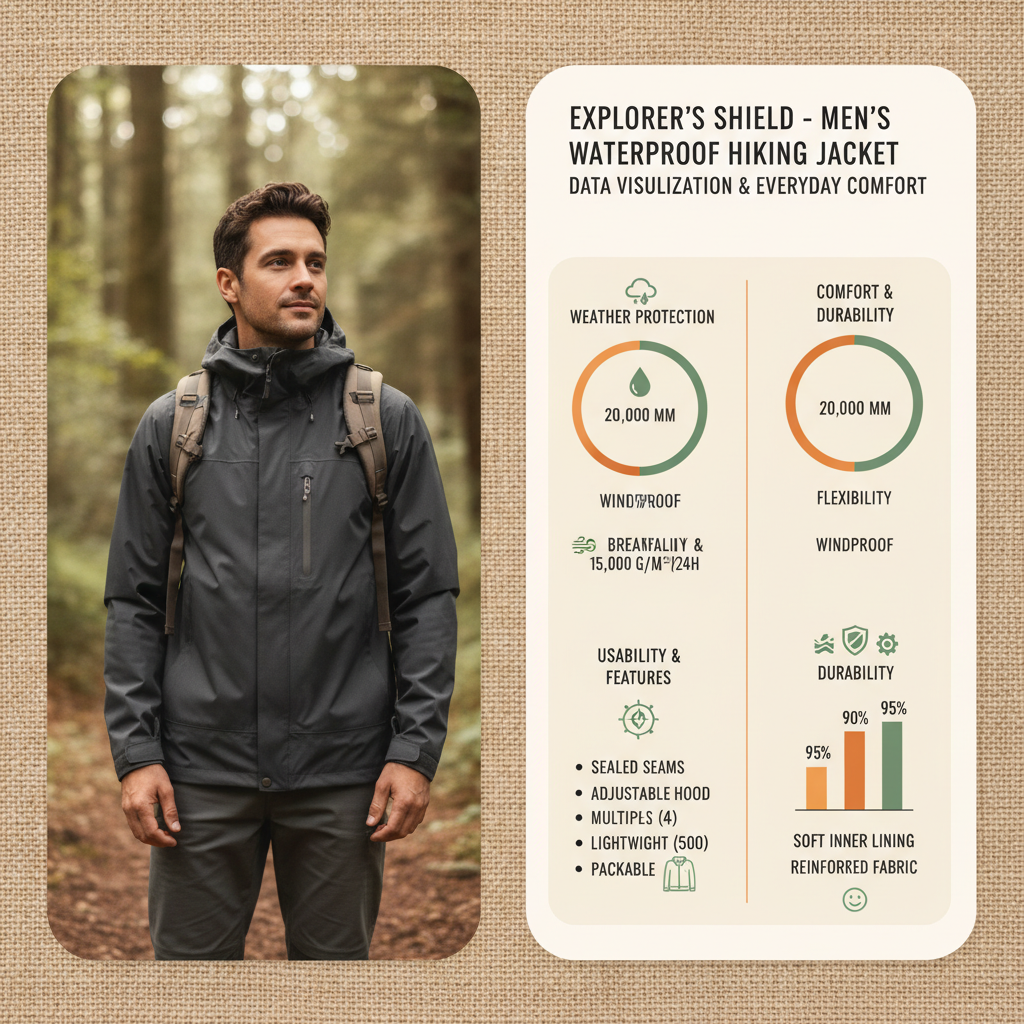
In the modern manufacturing landscape, these jackets are often categorized by their "breathability" and "waterproofness" ratings. Waterproofness is typically measured in millimeters (mm); for instance, a 10,000mm rating means the fabric can withstand a column of water 10,000mm high before leaking. This technical approach ensures that gear is matched to the environment—lightweight shells for mild drizzle and heavy-duty hardshells for torrential storms.
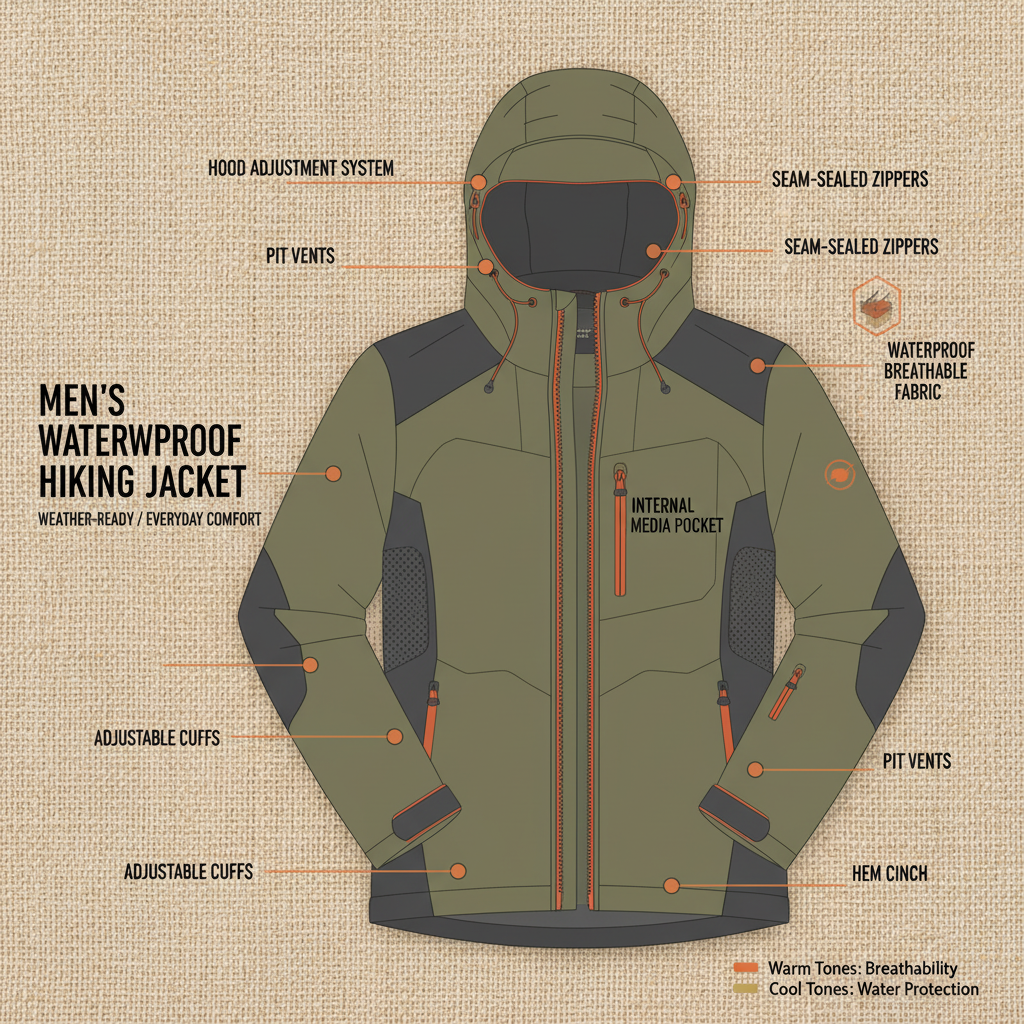
Beyond simple chemistry, the definition of a professional hiking jacket includes ergonomic construction. This involves articulated elbows for movement, adjustable hoods to seal out wind, and reinforced shoulder panels to prevent wear from backpack straps. By integrating these elements, the garment transforms from a simple piece of clothing into a piece of essential safety equipment for the modern explorer.
Core Components for Maximum Weather Protection
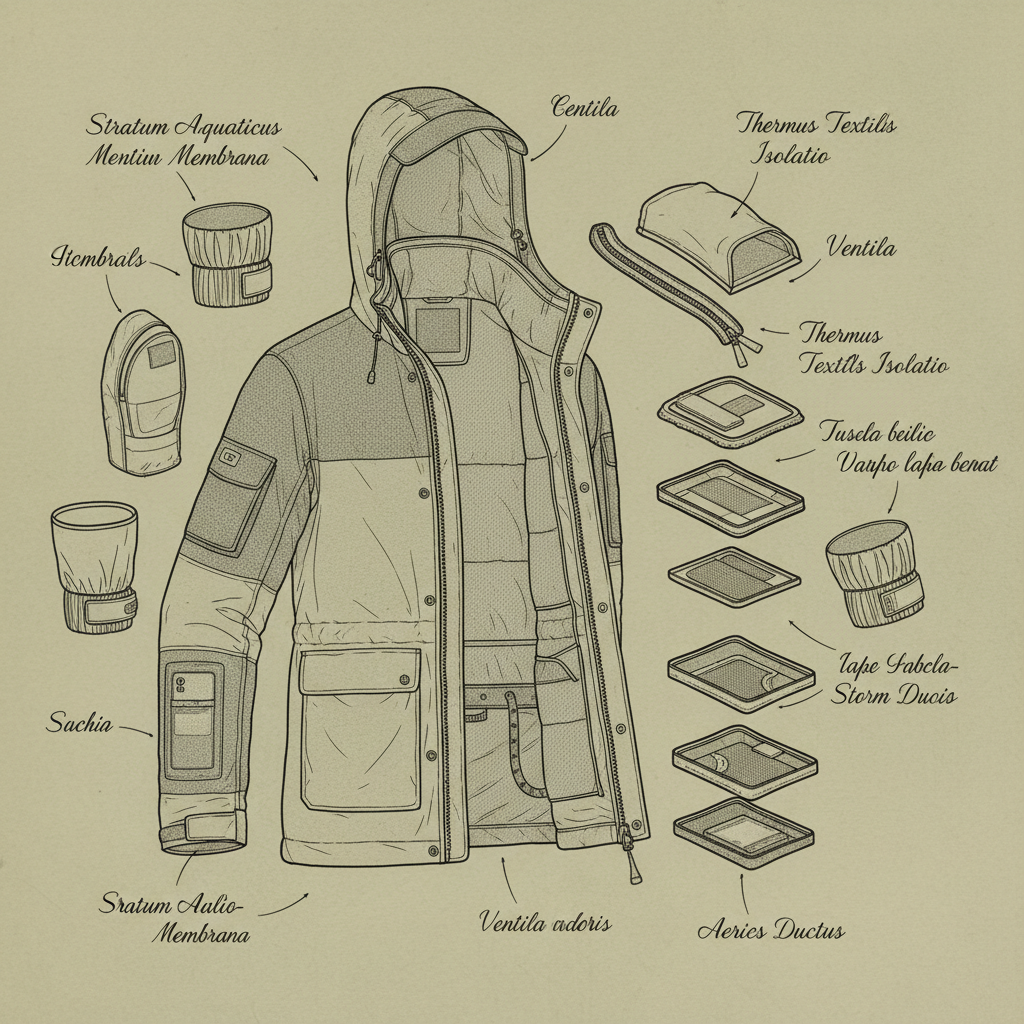
The efficacy of a mens waterproof hiking jacket depends heavily on its membrane technology. Whether using expanded Polytetrafluoroethylene (ePTFE) or polyurethane (PU) coatings, the membrane serves as the primary barrier. The interaction between the face fabric and the membrane determines the jacket's overall durability and resistance to abrasion in rocky environments.
Seam sealing is the often-overlooked hero of the mens waterproof hiking jacket. Even the most waterproof fabric is useless if water leaks through the stitching. Taped seams involve applying a waterproof thermoplastic tape over every stitch line, ensuring a hermetic seal that prevents capillary action from pulling water into the garment's interior.
Finally, the integration of DWR (Durable Water Repellent) finishes on the exterior of the mens waterproof hiking jacket prevents "wetting out." When the outer fabric becomes saturated, it blocks the breathable membrane, causing the wearer to feel damp inside. A high-quality DWR causes water to bead and roll off, maintaining the jacket's breathability during prolonged exposure to rain.
Performance Metrics and Material Efficiency
When evaluating a mens waterproof hiking jacket, professionals look at the balance between weight and protection. Heavy-duty fabrics offer superior tear strength but can be cumbersome, whereas ultra-lightweight shells provide agility but may wear out faster. The goal is to optimize the "strength-to-weight" ratio to ensure the user is not fatigued by their own gear during steep ascents.
Modern testing involves simulating extreme conditions, including high-pressure water tests and moisture vapor transmission rate (MVTR) analysis. These metrics allow manufacturers to categorize jackets into "Light," "Mid," and "Extreme" tiers, giving hikers a clear guide on which garment to pack based on the forecasted weather of their destination.
Performance Comparison of Waterproofing Methods
Global Applications Across Diverse Terrains
The application of a mens waterproof hiking jacket extends beyond leisure. In remote industrial zones, such as wind farm maintenance in the North Sea or mining operations in the Andes, these jackets are integrated into PPE (Personal Protective Equipment) standards. The ability to withstand wind-chill and moisture is vital for worker productivity and the prevention of occupational health hazards.
Similarly, in humanitarian and post-disaster relief operations, rapid-deployment teams rely on waterproof shells to maintain operational capacity during floods or storms. The durability of a professional-grade jacket ensures that rescue workers can navigate debris and harsh weather without compromising their own safety, proving that high-performance outdoor gear has significant utility in life-saving contexts.
Long-Term Value and Sustainability Benefits
Investing in a premium mens waterproof hiking jacket offers significant long-term economic value. Cheap, non-breathable raincoats often fail after a single season, leading to a cycle of waste and repurchase. In contrast, a high-quality hardshell is designed for longevity, featuring repairable zippers and fabrics that can be re-treated with DWR sprays, reducing the environmental footprint of the consumer.
From a psychological perspective, the reliability of a waterproof jacket provides "environmental confidence." When a hiker knows their gear will not fail, they can focus on the journey and the landscape rather than worrying about their physical comfort. This trust in equipment is a core component of the outdoor experience, enabling exploration and fostering a deeper connection with nature.
Furthermore, the industry is moving toward a circular economy. Many top-tier manufacturers now offer recycling programs for old jackets, reclaiming the synthetic polymers to create new textiles. This shift ensures that the high-performance materials used in a mens waterproof hiking jacket do not end up in landfills, aligning industrial growth with ecological preservation.
Future Innovations in Waterproof Textiles
The future of the mens waterproof hiking jacket lies in "smart textiles." Researchers are developing membranes that can dynamically adjust their porosity based on the wearer's body temperature and the external humidity. This "adaptive breathability" would eliminate the need for manual pit-zips, automatically opening the fabric's structure as the wearer's exertion increases.
Sustainability is also driving a move away from PFAS (per- and polyfluoroalkyl substances), which have historically been used in waterproof coatings but are harmful to the environment. The next generation of jackets will utilize bio-based polymers and plant-derived water repellents, ensuring that the protection provided by the gear does not come at the cost of planetary health.
Integration with wearable technology is another emerging trend. Future jackets may incorporate embedded sensors that monitor the wearer's vitals or provide real-time weather alerts through haptic feedback in the collar. This evolution transforms the mens waterproof hiking jacket from a passive barrier into an active safety system.
Comparative Analysis of Next-Gen Waterproofing Technologies
| Technology Type |
Waterproof Rating |
Eco-Friendliness |
Market Readiness |
| ePTFE Membrane |
Extreme (10/10) |
Low (PFAS issues) |
Fully Available |
| PFC-Free DWR |
High (8/10) |
High (9/10) |
Widely Adopted |
| Bio-based Polyester |
Medium (7/10) |
Extreme (10/10) |
Emerging |
| Adaptive Membranes |
Dynamic (9/10) |
Medium (6/10) |
Prototyping |
| Graphene Coating |
High (8/10) |
Medium (7/10) |
Early Stage |
| Recycled Nylon Shell |
High (9/10) |
High (8/10) |
Available |
FAQS
A water-resistant jacket can repel light rain but will eventually soak through under pressure. A mens waterproof hiking jacket uses a membrane that completely blocks water molecules from entering the fabric, even during heavy rainfall or when leaning against a wet surface. Waterproof gear is essential for multi-day treks, while water-resistant gear is suitable for short urban walks.
To maintain your jacket, regularly wash it with a specialized technical detergent and tumble dry on low heat to "reactivate" the DWR coating. If water stops beading on the surface, apply a spray-on PFC-free DWR treatment. Avoid standard fabric softeners, as they can clog the pores of the breathable membrane, significantly reducing the jacket's performance.
It depends on the conditions. A hardshell mens waterproof hiking jacket is superior for wind-proofing and total rain protection but is less breathable. A softshell is more comfortable and breathable for high-exertion activities but only offers water resistance. For unpredictable mountain weather, a hardshell is the safer, more critical choice.
A 20,000mm rating means that the fabric can withstand the pressure of a water column 20,000 millimeters high before leaking. In practical terms, this means the jacket can handle heavy rain, wet snow, and the pressure exerted by backpack straps on your shoulders without letting water seep through to your base layers.
Yes, but you should prioritize a lightweight version with high breathability and "pit-zips" (underarm vents). While it protects you from sudden summer thunderstorms, the main challenge is heat management. Choosing a jacket with a high MVTR (Moisture Vapor Transmission Rate) ensures that you don't overheat while staying protected from the rain.
Modern PFC-free and recycled membranes are now nearly identical in performance to traditional PFAS-based versions. While some early eco-alternatives had slightly lower DWR longevity, the latest innovations in bio-polymers provide excellent protection. Choosing a sustainable mens waterproof hiking jacket no longer requires a significant compromise in safety or quality.
Conclusion
In summary, a high-performance mens waterproof hiking jacket is a sophisticated intersection of textile chemistry and ergonomic engineering. By balancing absolute water impermeability with essential breathability and durability, these garments provide a critical safety barrier that allows humans to explore the most challenging environments on Earth. From the technical importance of seam sealing to the strategic use of DWR coatings, every detail contributes to the wearer's survival and comfort in the wild.
As we look toward the future, the integration of smart textiles and the transition toward non-toxic, bio-based materials will further refine the role of protective outdoor wear. We recommend that hikers and professionals prioritize quality over quantity, investing in gear that offers both longevity and sustainability. To explore a wide range of professional-grade protective apparel and functional outerwear, visit our website: www.xdqhppe.com.