When sourcing high-visibility gear, many procurement officers struggle to distinguish between generic apparel and professional-grade equipment that meets rigorous safety standards. The choice of reflective vest manufacturers often determines not just the visibility of a worker, but their overall safety and comfort during long shifts in hazardous environments. Selecting a partner who understands the intersection of textile durability and optical reflectivity is critical for risk mitigation.
Safety vests are not standalone items; they are part of a comprehensive personal protective equipment (PPE) ecosystem. Whether it is integrated with a polyester cotton jumpsuit or paired with labor protective gloves, the synergy between different garments ensures that workers remain shielded from the elements while remaining conspicuous. The effectiveness of these garments depends heavily on the quality of the fabric and the precision of the reflective strip placement, which directly impacts the wearer's visibility from multiple angles.
Understanding the technical nuances of high-visibility clothing allows buyers to move beyond price-point decisions and toward value-based procurement. This guide analyzes the critical factors in selecting reflective vest manufacturers, focusing on material science, functional design, and the operational requirements of modern industrial environments to help you secure the most reliable protection for your workforce.


High-visibility safety apparel is engineered to make the wearer conspicuous against a background, primarily through the use of fluorescent materials and retro-reflective tapes. The core principle is to maximize the contrast between the worker and their environment, whether in broad daylight or total darkness. This requires a sophisticated combination of neon dyes and micro-prismatic technology that reflects light back to its source, such as vehicle headlights.
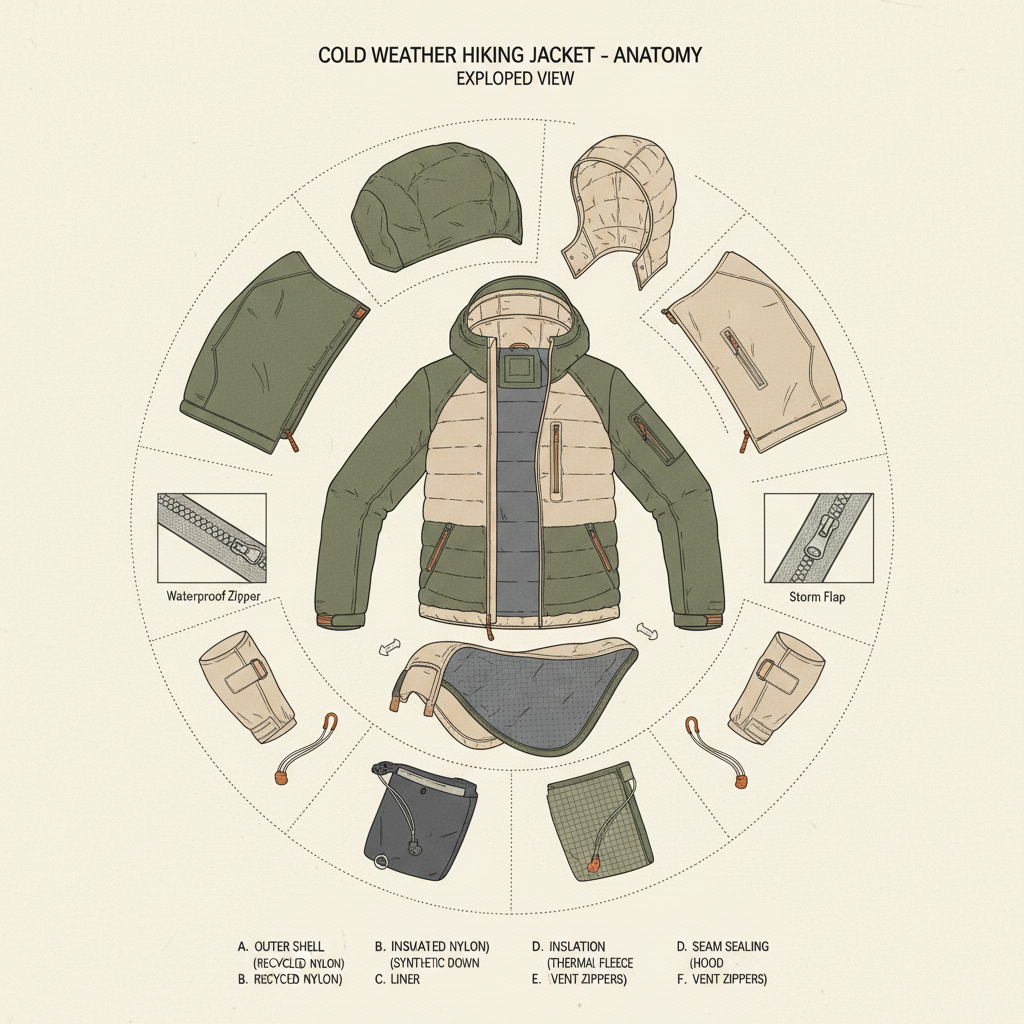
From a structural perspective, a professional safety vest consists of a base fabric—often polyester for breathability and cost-effectiveness—and high-intensity reflective strips. The integration of these components must be seamless to prevent peeling during industrial laundering. For those operating in extreme climates, these vests may be combined with specialized layers, such as a fleece jacket or a windproof outer shell, to maintain thermal regulation without compromising visibility.
The performance of a safety vest is dictated by the quality of the raw materials and the precision of the manufacturing process. Fabric density is a primary factor; tight fabric construction prevents wind penetration and increases the lifespan of the garment. Furthermore, the choice of fasteners, such as high-quality brand zippers and heavy-duty Velcro, ensures that the garment remains secure and functional even under the stress of physical labor.
True safety value is realized when reflective materials maintain their luminance after repeated wash cycles and exposure to UV radiation, ensuring that the garment does not lose its protective capability prematurely.
Beyond visibility, ergonomic design plays a vital role. Features such as widened brims for rain protection, adjustable cuffs to lock in temperature, and strategically placed zippered storage pockets for essential tools convert a simple piece of clothing into a functional piece of equipment. When these elements are combined with breathable fabrics, the resulting garment reduces worker fatigue and increases compliance with safety protocols.
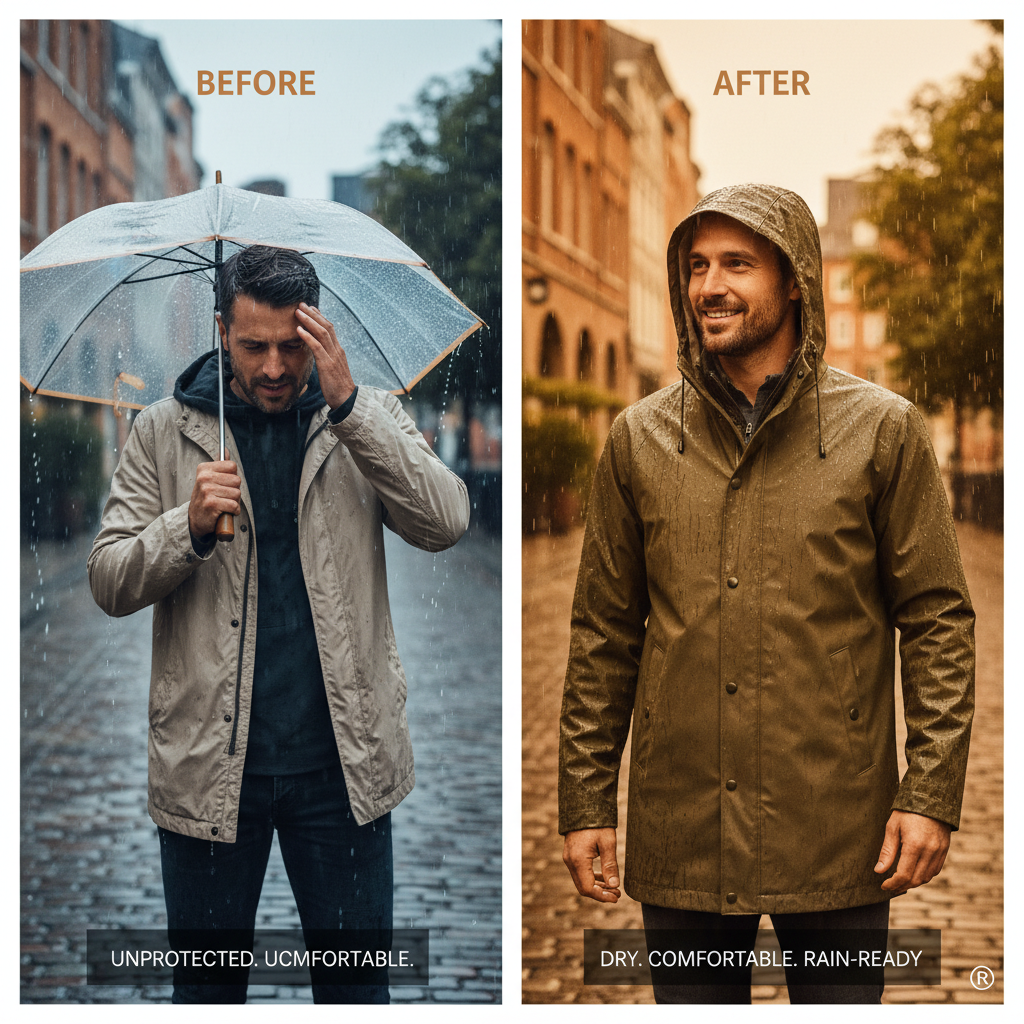
When comparing different safety apparel options, procurement teams must analyze the relationship between material composition and operational lifespan. For instance, a standard polyester vest may be sufficient for indoor warehouse use, but outdoor environments require fabrics that are windproof, waterproof, and breathable to ensure the wearer stays dry and comfortable in all weather conditions.
The following data represents a relative comparison of material performance across different industrial environments, highlighting how specialized fabrics outperform standard options in harsh conditions.
The application of high-visibility gear varies significantly across sectors. In logistics and warehousing, lightweight vests with multiple pockets are prioritized for efficiency and comfort. In contrast, construction and roadwork require heavy-duty vests that can withstand abrasion and provide maximum luminosity to protect workers from oncoming traffic in low-visibility conditions.
Specialized environments, such as cold-weather outdoor sites, require a multi-layered approach. Combining a reflective vest with an all-in-one fleece jacket or a wind-resistant one-piece workwear ensures that the worker is protected from hypothermia while remaining visible. This versatility allows a single manufacturer to provide a full suite of PPE, from polo shirts for supervisors to heavy-duty jumpsuits for technicians.
The industry is shifting toward "smart" textiles that integrate functionality with safety. Modern trends emphasize the use of breathable, moisture-wicking fabrics that reduce heat stress, alongside reflective materials that offer wider angles of visibility. This evolution ensures that safety gear no longer hinders the worker's movement or comfort, which in turn increases the likelihood of consistent use.
Furthermore, there is an increasing demand for customization. Companies are no longer satisfied with off-the-shelf solutions; they require garments tailored to specific operational needs, such as specialized pockets for digital devices or integrated reinforcement in high-wear areas. This shift puts a premium on manufacturers who can offer one-stop processing from raw materials to finished products.
Looking forward, the integration of sustainable materials without compromising the reflective properties of the fabric is likely to become a standard requirement. The move toward eco-friendly polyester and recycled reflective tapes represents a plausible direction for the industry to align safety with corporate social responsibility goals.
One of the most common challenges for buyers is the "quality gap"—where a sample appears high-quality, but the bulk production fails in durability or luminosity. To solve this, buyers should evaluate the manufacturer's technical force and their ability to maintain consistency across large orders, ensuring that the wiring is even and the zippers operate smoothly across thousands of units.
Another significant issue is the balance between cost and compliance. While cheap alternatives exist, the long-term ROI of higher-quality gear is found in reduced replacement frequency and lower accident rates. By investing in garments with velvet linings for winter or wear-resistant covers for heavy industry, companies reduce the total cost of ownership over the garment's lifecycle.
Finally, managing a diverse range of PPE—from chef uniforms to safety vests—can be logistically complex. Partnering with an industry and trade integrated enterprise allows for a streamlined supply chain, providing stable supply and a wide selection of goods that can be customized to meet specific individual needs.
| Environment | Priority Feature | Recommended Material | Lifecycle Expectancy |
|---|---|---|---|
| Urban Roadwork | Max Luminosity | Micro-Prismatic Tape | 6-12 Months |
| Cold Storage | Thermal Insulation | Fleece + Reflective | 12-24 Months |
| Heavy Factory | Abrasion Resistance | Heavy-Duty Polyester | 18-30 Months |
| Logistics Hub | Breathability | Lightweight Mesh | 6-18 Months |
| Rainy Outdoor | Waterproofing | Treated Nylon Shell | 12-24 Months |
| General Site | Versatility | Poly-Cotton Blend | 12-18 Months |
A high-quality manufacturer is defined by their ability to integrate professional-grade materials with precise construction. This includes using high-quality brand zippers, ensuring even and tight wiring, and utilizing fabrics that are both durable and breathable. Furthermore, the ability to provide one-stop processing and customization based on specific customer needs indicates a strong technical force and a reliable production chain.
The choice depends on the lighting conditions and environment of the workspace. Glass-bead reflective tapes are excellent for general visibility, while micro-prismatic materials provide higher luminosity for high-speed road environments. For those working in extreme weather, you should look for materials that maintain their reflective properties even when wet or exposed to intense UV rays to ensure constant worker protection.
Yes, professional manufacturers can customize vests to meet specific industrial requirements. This includes adding specialized pockets for tools, adjusting the weight of the fabric for different climates, or incorporating additional safety features like flame-resistant treatments. Customization ensures that the garment supports the worker's specific tasks without compromising the essential visibility requirements.
Fabric choice directly impacts durability and replacement cycles. Tight, high-density fabrics are more resistant to tears and abrasions, extending the life of the garment in rugged environments. Additionally, fabrics treated for wind and water resistance prevent the garment from degrading quickly due to environmental exposure, thereby reducing the frequency of replacement and lowering long-term procurement costs.
The ROI is realized through lower replacement costs and increased worker safety. Premium gear typically lasts 2-3 times longer than budget options and maintains its reflective properties longer, reducing the risk of accidents. When you factor in the cost of labor downtime and potential liability, the slightly higher initial investment in professional-grade gear results in significant overall savings.
Proper maintenance involves following specific laundering instructions to avoid damaging the reflective strips. Avoid using harsh chemicals or high-heat drying, which can melt the micro-prismatic beads. Regularly inspecting the vests for peeling tape or faded fluorescent colors is essential; once the reflectivity drops below a certain threshold, the garment should be replaced to ensure the worker remains safe.
Selecting the right partner among various reflective vest manufacturers is a strategic decision that balances technical specifications, material durability, and operational utility. By focusing on the synergy between breathable fabrics, high-intensity reflective technology, and ergonomic design, companies can ensure their workforce is not only visible but also protected and comfortable in the most challenging industrial environments.
For organizations seeking a reliable supply of professional safety apparel and comprehensive PPE solutions, exploring a manufacturer with deep industry experience and a diverse product range is the most efficient path. You can find a complete selection of high-quality protective gear and customization options at https://www.xdqhppe.com to optimize your site's safety standards.