
+8615630398555

Oct . 28, 2025 14:10 Back to list
Work Cotton Gloves - Breathable, Durable Grip, Bulk Supply
QH-8001 Pure Cotton Gloves: field notes from the shop floor
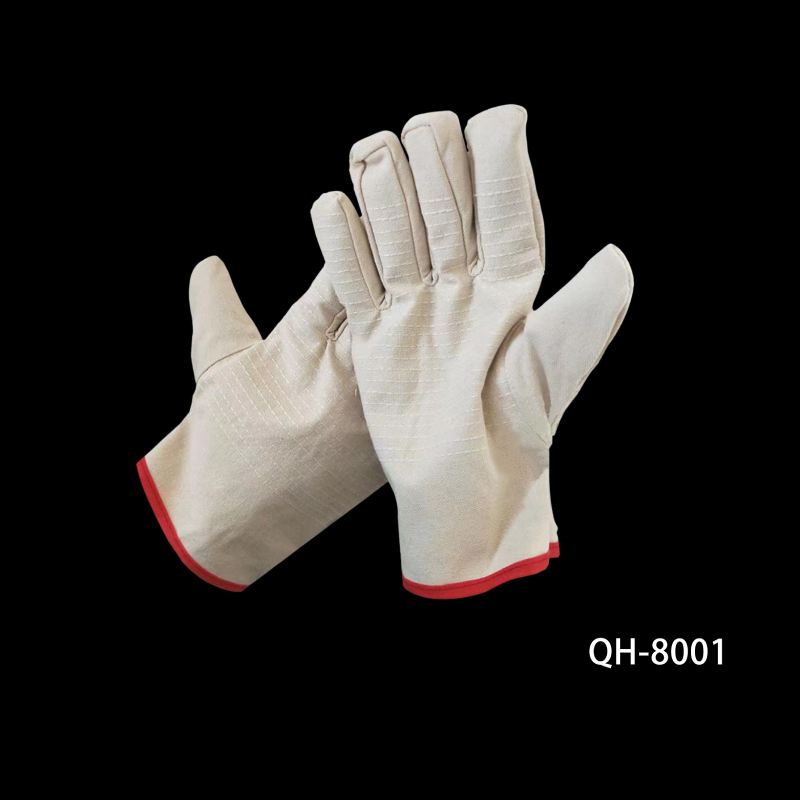
If you’ve ever juggled comfort, grip, and budget on a busy site, you already know why Work Cotton Gloves keep showing up on purchase orders. The QH-8001 from China quietly does the basics right—no drama, just durable, breathable protection for construction, auto repair, transportation, and daily processing. To be honest, that’s exactly what most teams ask for.
What’s trending in cotton work gloves
Three currents are shaping the category: sustainability pressures (natural fibers win points), heat comfort in non-climate-controlled spaces, and a return to simple PPE that crews actually wear. Cotton breathes, absorbs sweat, and—surprisingly—holds up decently to light abrasion when knit dense enough. Not magic, just reliable. Many customers say they prefer Work Cotton Gloves for long shifts because they don’t feel “clammy” like synthetics.
QH-8001 at a glance (specs)
| Product | QH-8001 Pure cotton wear-resistant protective gloves |
| Material | 100% cotton knit (ring-spun), ≈7-gauge |
| Size | 14 × 26 cm (palm × overall length) |
| Weight | ≈55–70 g/pair (real-world use may vary by batch) |
| Cuff | Elastic knit wrist |
| Service life | Around 1–3 weeks in light/medium duty; inspect daily |
| Use cases | Construction sites, auto repair, transportation, daily processing, light assembly |
| Origin | China |
How they’re made (and tested)
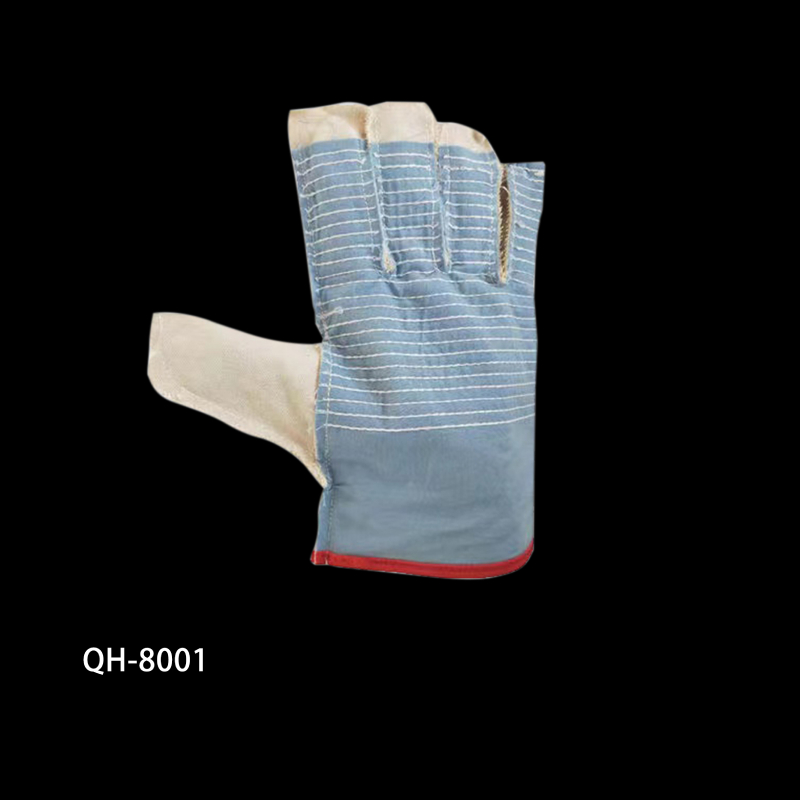
Process flow: selected long-staple cotton → carding/spinning (≈16s–21s yarn) → 7-gauge knitting → cuff overlock → shaping/wash → inspection → packing. Simple, yes, but consistency matters. Our lab notes: EN ISO 21420 conformity for innocuousness/fit; EN 388:2016 mechanical screening showed abrasion at level 1–2 (typical mean ≈420 cycles) and tear around 10–20 N—appropriate for light duty. For fabric wear, a Martindale-style rub to 5,000 cycles showed acceptable pilling; your mileage may vary with grit and oils on site.
Heat? Cotton tolerates brief dry contact with warm parts (say up to ≈80°C), but it’s not a thermal glove. Oils will reduce life—no surprise there. If you need grip in slick environments, consider a dotted or palm-coated variant of Work Cotton Gloves.
Where they earn their keep
- Construction & materials handling: loading bricks, timber, fasteners.
- Auto repair: fitting panels, trimming, general bay work (not for sharp edges).
- Warehouse & transport: carton picking, light rigging, dock work.
- Daily processing/assembly: electronics casings, packaging lines (check lint sensitivity).
Customer feedback is refreshingly consistent: crews keep them on. Some teams even wash them once or twice and reuse; others cycle in fresh pairs daily for hygiene. I guess it depends on the job and budget.
Customization options
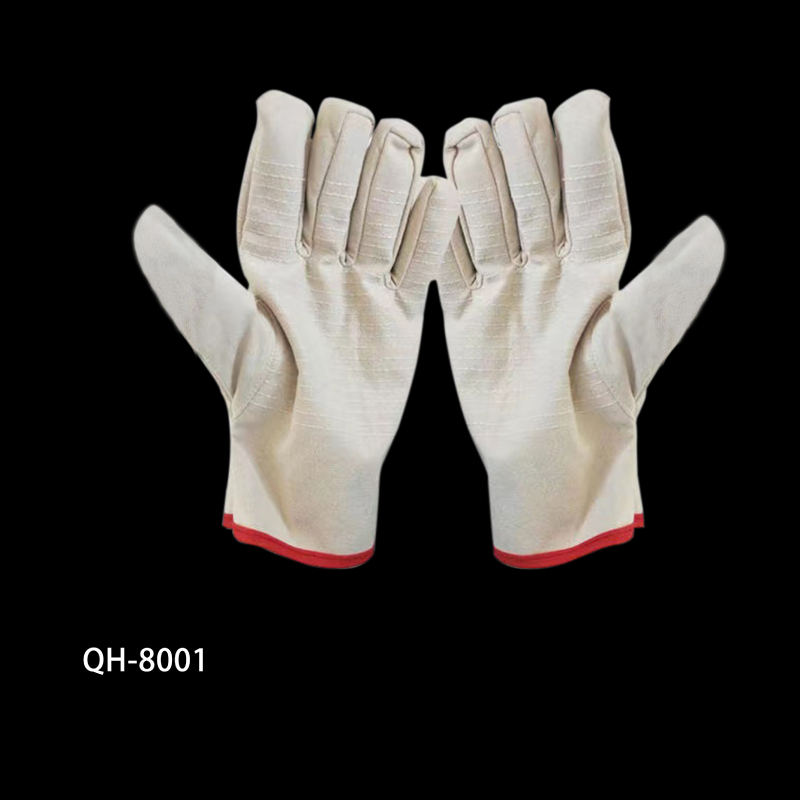
Gauge/weight adjustments, colored cuffs for size coding, logo print, PVC dots for grip, polybag or dispenser-box packing. If your line requires low-lint, ask for tighter yarn twist and pre-wash. Certifications (e.g., EN 388 reports, OEKO-TEX statements) can be provided upon request.
Vendor snapshot (quick compare)
| Vendor | Material purity | Gauge | Lead time | Customization | Indicative price |
|---|---|---|---|---|---|
| XDQH PPE QH-8001 | 100% cotton (reported) | ≈7 | 2–4 weeks | Logo, dots, weight, packing | Mid (volume-based) |
| Generic Import A | Cotton/poly blend | 7–10 | 3–6 weeks | Limited | Low |
| Value Brand B | Mixed fiber (≈80% cotton) | 7 | 2–5 weeks | Dots/color only | Low–Mid |
Mini case study
A mid-sized auto shop in South China swapped to Work Cotton Gloves (QH-8001) for non-cut operations. By issuing two pairs per tech per week and spot-laundering light-soiled pairs, they reported a 22% reduction in monthly glove spend and fewer “bare-hand” incidents in warm months. Not fancy—just practical.
Standards and notes
Select gloves based on hazard assessment (OSHA 1910.138). For cotton knits, check EN ISO 21420 for general requirements and use EN 388 data to set expectations (abrasion/tear only; no cut rating claims here). If you need verified low-lint or food-contact approvals, request documentation before deployment.
Citations
Latest news
-
Professional Tactical Reflective Jacket for Maximum Safety Guide
NewsApr.16,2026
-
Professional Tactical Reflective Vest for High Visibility Safety
NewsApr.09,2026
-
Enhancing Safety and Visibility with a Tactical Vest Reflective
NewsApr.07,2026
-
Comprehensive Guide to Choosing the Right Traffic Reflective Jacket for Safety
NewsApr.04,2026
-
Choosing the Right Traffic Vest for Enhanced Workplace Safety
NewsMar.31,2026
-
Comprehensive Guide to Traffic Vest Security and Worker Safety
NewsMar.28,2026
Copyright © 2026 Handan Xinda Qihang Trading Co., Ltd. All Rights Reserved. Sitemap | Privacy Policy | Top Blog | Global Service


