
+8615630398555

Oct . 24, 2025 14:00 Back to list
Automotive Technician Uniforms: Durable, Stain-Resistant
What Makes a Great Tech Uniform in 2025? Field Notes on the QH-2009 “Siamese” Coverall
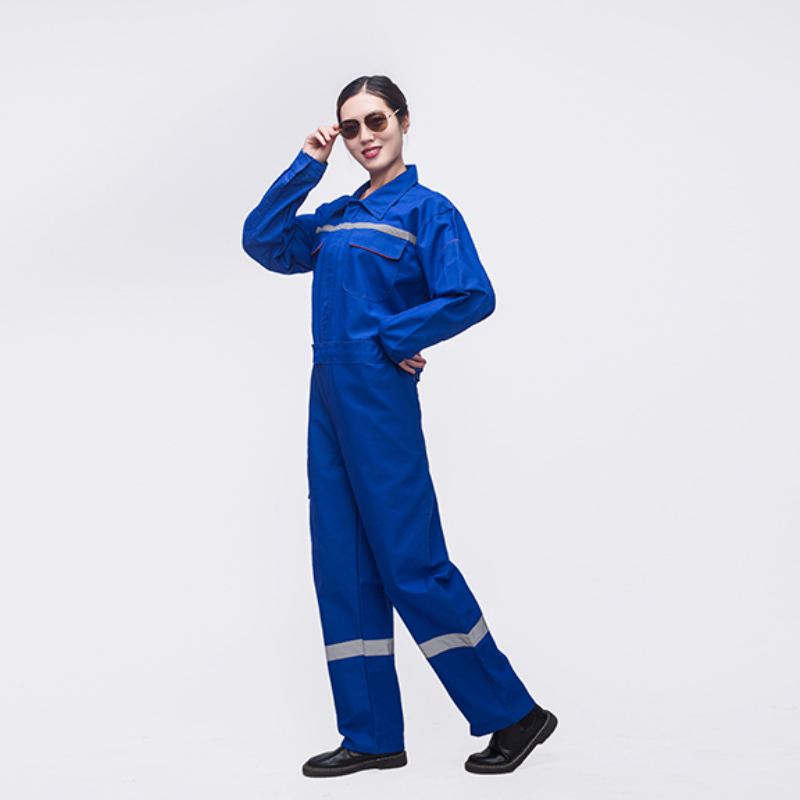
If you’ve spent time in a service bay, you know uniforms aren’t just “clothes.” They’re tools. I’ve tried more than a few, and the difference shows up by lunch. For teams looking at Automotive Technician Uniforms that can actually keep up with tough days, the QH-2009 Siamese (China origin) is a surprisingly balanced option: durable cotton, multi-pocket practicality, and sizing from M to 4XL with multiple colors. To be honest, the price-to-performance ratio is what made me pay attention first.
Industry Trends (and where this suit fits)
Workwear is evolving with EV safety considerations, smarter pocket layouts, and sustainability. Many customers say breathability and easy laundering beat gimmicks, which tracks with what I’ve seen. While EV-specific PPE can require ESD or arc-rated gear, a rugged pure-cotton coverall remains the go-to for general wrenching, detailing, and bodywork—especially when it launders cleanly and takes abuse without fraying fast.
QH-2009 Siamese: Technical Specs
Name: Crew auto repair overalls | No.: QH-2009 | Ingredients: pure cotton | Color: multiple choice | Size: M–4XL
| Parameter | QH-2009 Siamese |
| Origin | China |
| Fabric | 100% cotton, twill weave (≈240–280 gsm) |
| Construction | Reinforced triple-stitching; bartacks at stress points; durable front zipper; elasticized waist |
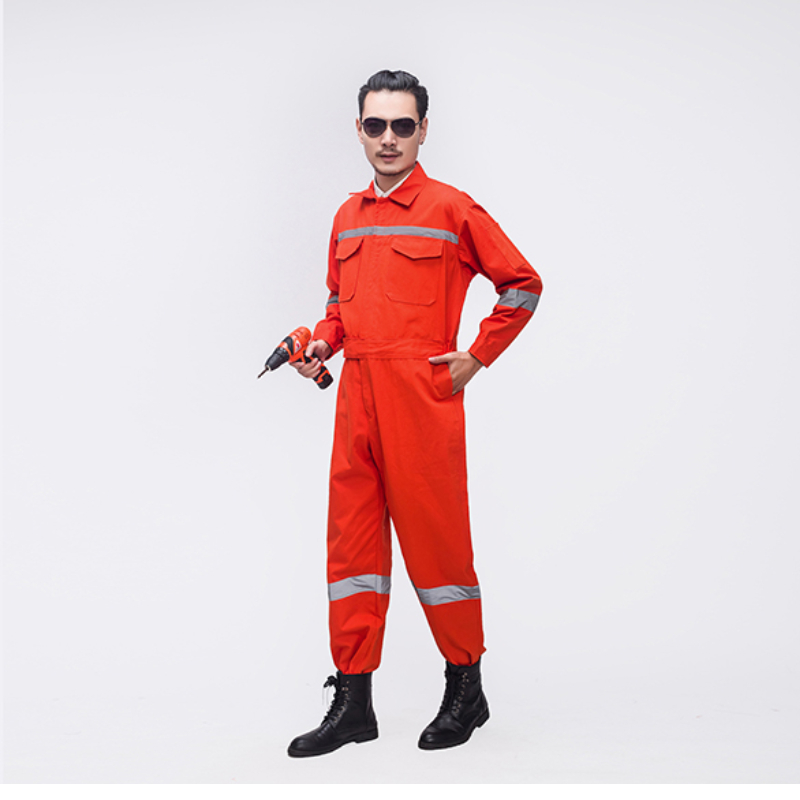
| Pockets & Features | Multi-tool chest pockets, hip/side pockets, pen slot; optional knee pad gusset; reflective tape on request |
| Shrinkage (ISO 15797) | ≤3% after standardized industrial washes (real-world use may vary) |
| Colorfastness | Crocking ≥4/5 (AATCC), wash ≥4 (AATCC TM61) ≈ |
| Durability | Tensile (ASTM D5034) ≈900–1100 N; service life 12–24 months with weekly industrial laundering |
| Compliance baseline | Designed to meet ISO 13688 general workwear requirements; OEKO-TEX fabric options on request |
Process Flow, Testing, and Real-World Use
Materials are cut from preshrunk, combed cotton twill; panels are chain-stitched and overlocked, with bartacks at pocket corners and a stress-mapped crotch seam (a small detail that saves headaches). Post-sew, lots go through dimensional stability and colorfastness checks, then packaging.
- Standards referenced: ISO 13688, ISO 15797, AATCC TM8/TM61, ASTM D5034.
- Service life: typically 18–30 months for dealership techs; quick-lube cycles run shorter due to harsher detergents.
- Note: For EV battery rooms or paint booths, specify ESD or lint-controlled variants; for flame risks, pick an FR-treated version (NFPA 2112 certified) instead.
Where Automotive Technician Uniforms Like This Shine
Dealership service bays, independent garages, tire and brake shops, heavy-truck maintenance, and body shops. Actually, detailing teams like the ventilation of cotton; it seems that grease release in industrial washing is consistent.
| Model/Vendor | Fabric | FR/ESD | Wash Cycles ≈ | Lead Time | MOQ | Price @500 |
| QH-2009 Siamese | 100% cotton twill | Base: No (FR/ESD optional) | 80–120 | 25–35 days | 300 | Mid-range |
| Brand B Poly-Cotton | 65/35 poly-cotton | No | 60–90 | 15–25 days | 200 | Budget |
| Premium FR 88/12 | 88/12 cotton/nylon | Yes (NFPA 2112) | 100–150 | 30–45 days | 200 | Premium |
Customization & Real Feedback
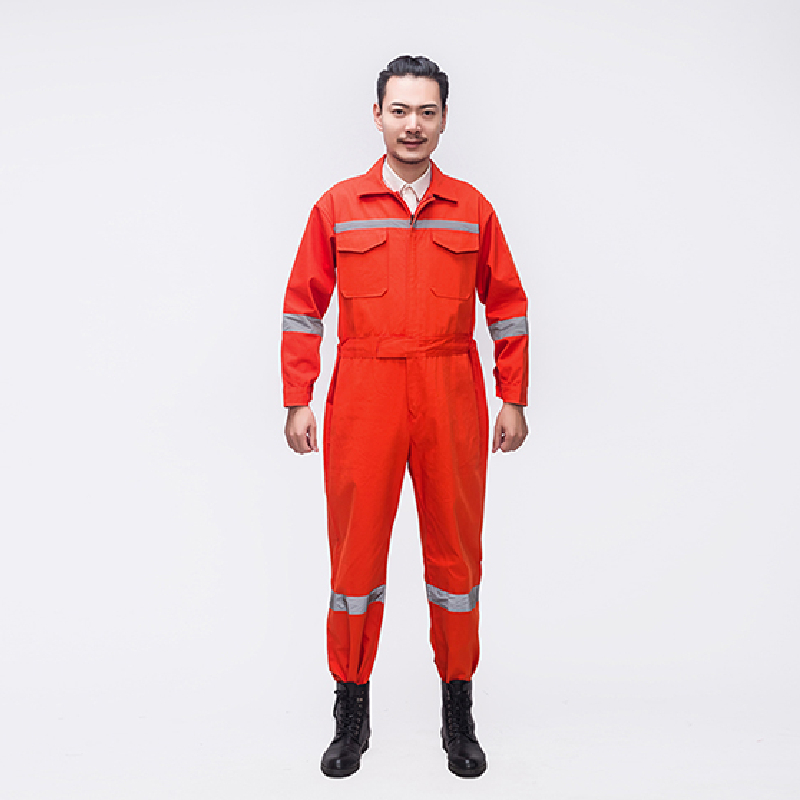
- Branding: embroidery, heat-transfer logos, name tags.
- Safety: reflective tape, FR treatment, ESD stitching for electronics zones (IEC 61340-5-1).
- Fit/function: pocket mapping by role, knee pad channels, cuff closures.
Customer notes? A midsize dealership group told me oil release stayed consistent through ≈50 washes and the elastic waist helped “keep shirts tucked, less drafty”—small win, big comfort. A fleet shop swapped from poly-cotton to this cotton twill and reported fewer seam repairs after six months. I guess the bartacks did their job.
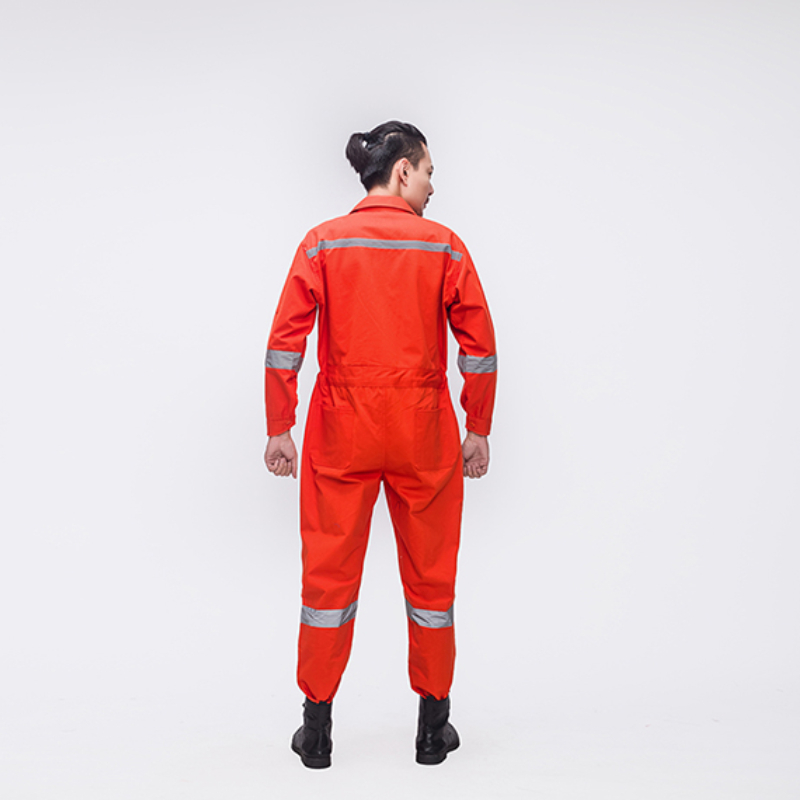
Bottom line: for general service work, Automotive Technician Uniforms built on breathable cotton, solid stitching, and sensible pockets tend to win. If your risks include arc or strict ESD, spec accordingly. Otherwise, QH-2009 is a dependable, un-fussy daily driver.
- ISO 13688:2023 Protective clothing — General requirements.
- ISO 15797:2017 Textiles — Industrial washing and finishing procedures for testing of workwear.
- AATCC TM61 & TM8 — Colorfastness to laundering and crocking.
- ASTM D5034 — Standard Test Method for Breaking Strength and Elongation of Textile Fabrics (Grab Test).
- OEKO-TEX Standard 100 — Product class certification for harmful substances.
- IEC 61340-5-1 — Electrostatics, protection of electronic devices from electrostatic phenomena.
- NFPA 2112 — Standard on Flame-Resistant Clothing for Protection of Industrial Personnel.
Latest news
-
QH-3006 65% Ice Silk High Imitation Cotton 35% Cupro Fiber vs QH-3008 Polo Shirt
NewsNov.02,2026
-
QH-3010 55% Tencel Cotton 45% Cupro Fiber POLO Shirt: Sizing, Materials and Care FAQ
NewsOct.28,2026
-
Choosing QH-2006: Application Fit and Specification Checks
NewsOct.27,2026
-
Choosing an Apron Manufacturer: Application Fit and Specification Checks
NewsOct.27,2026
-
Choosing Double Layer Thickening Workshop Labor Insurance Clothing: Material, Fit and Intended Use
NewsOct.26,2026
-
Professional Mens Waterproof Jacket Warm for Harsh Climates
NewsJul.01,2026
Copyright © 2026 Handan Xinda Qihang Trading Co., Ltd. All Rights Reserved. Sitemap | Privacy Policy | Top Blog | Global Service | Hot Products | Knowledge


