
+8615630398555

Mar . 10, 2026 02:05 Back to list
Choosing the Right Visibility Jackets for Workplace Safety and Compliance
Choosing the Right Visibility Jackets for Enhanced Safety
In environments where visibility is compromised, such as construction sites, roadways, or low-light conditions, visibility jackets are essential for worker safety. These garments dramatically increase visibility, reducing the risk of accidents and injuries. This article will explore the various types of visibility jackets, their key features, choosing the right jacket for specific needs, and the importance of adhering to safety standards. Investing in high-quality visibility jackets is a crucial step in creating a safer work environment.
Understanding Visibility Jacket Classes
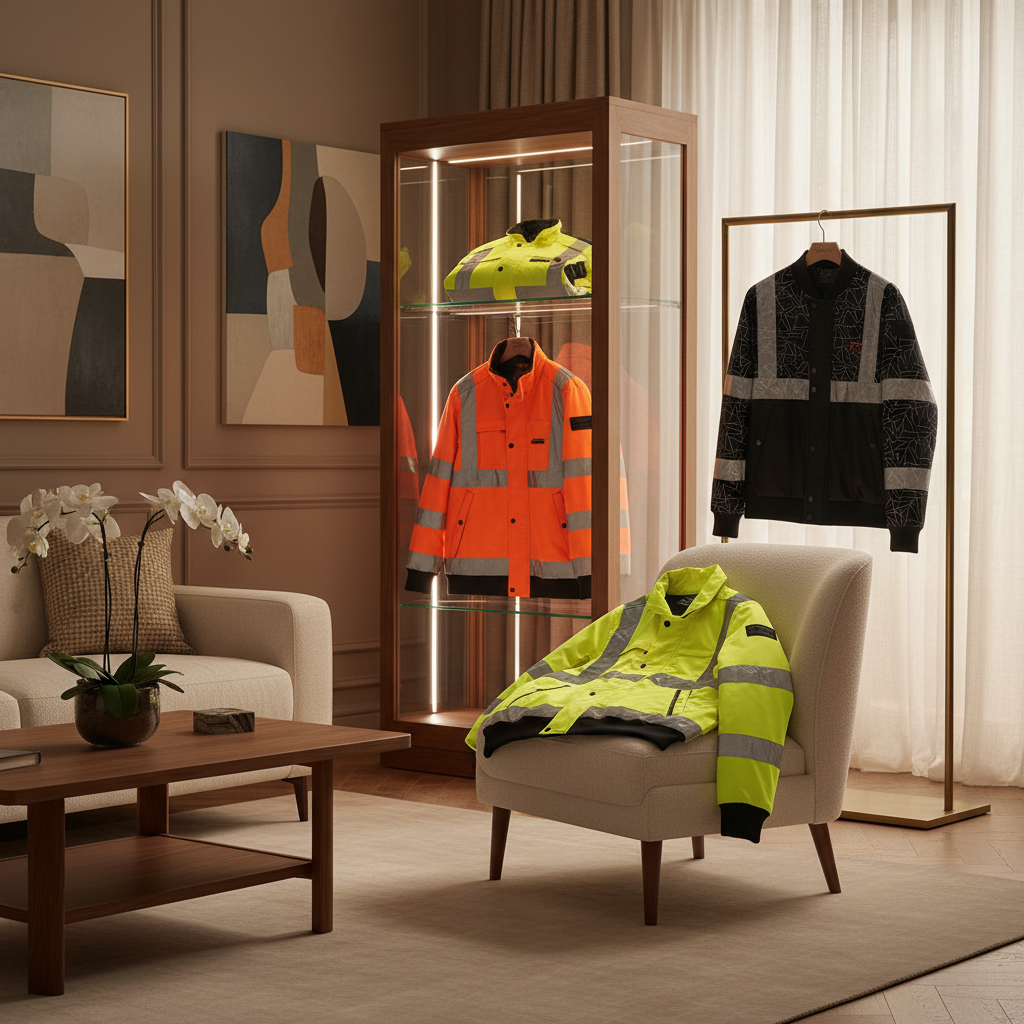
Visibility jackets are categorized into different classes based on the level of protection they offer. These classes, determined by standards like ANSI/ISEA 107, dictate the amount of reflective material and the intended work environment. Class 1 jackets provide a basic level of visibility and are suitable for low-risk environments where minimal visibility enhancement is needed. Class 2 jackets offer a moderate level of visibility and are commonly used in construction, maintenance, and roadside work zones. Class 3 jackets provide the highest level of visibility and are recommended for high-risk environments with fast-moving traffic or poor lighting conditions. Choosing the appropriate class is critical for ensuring adequate protection.
Key Takeaway: Selecting the correct visibility jacket class is paramount to providing adequate protection for workers in various environments.
Key Features to Consider When Purchasing Visibility Jackets
Beyond the class, several features contribute to the effectiveness and comfort of a visibility jacket. Reflective material quality is crucial; look for jackets utilizing high-performance retroreflective tape that meets ANSI standards. Breathability is important for worker comfort, especially in warmer climates – mesh panels and moisture-wicking fabrics can significantly improve airflow. Consider features like adjustable closures, pockets for storage, and durable construction to ensure longevity. Some jackets also offer specialized features like waterproof materials or tear-away sleeves. XDQH PPE offers a range of jackets with these features to suit diverse needs.
Essential Features:
• High-performance retroreflective tape
• Breathable fabrics (mesh panels, moisture-wicking materials)
• Adjustable closures for a secure fit
• Durable construction for long-lasting use
Visibility Jackets: A Comparative Analysis
Choosing the best visibility jacket depends on the specific work environment and potential hazards. Here’s a comparison to help guide your selection. Different materials, such as polyester and nylon, offer varying levels of durability and water resistance. Consider the climate and the frequency of washing when selecting a material. The cost of jackets can also vary significantly depending on the features and quality of materials. Investing in a higher-quality jacket may be more cost-effective in the long run due to its durability and extended lifespan. XDQH PPE provides a wide range of options to fit different budgets and needs.
Ensuring Compliance with Safety Standards
Adhering to safety standards like ANSI/ISEA 107 is crucial for ensuring worker protection and avoiding potential legal liabilities. Ensure that the visibility jackets you purchase are certified and meet the required standards for your specific industry and work environment. Regular inspection of jackets is essential to identify any damage or wear and tear. Damaged jackets should be replaced immediately. Proper training on the correct use and maintenance of visibility jackets is also vital. XDQH PPE offers jackets that meet stringent safety standards and provides resources to help ensure compliance.
Selecting the Right Visibility Jackets: A Summary
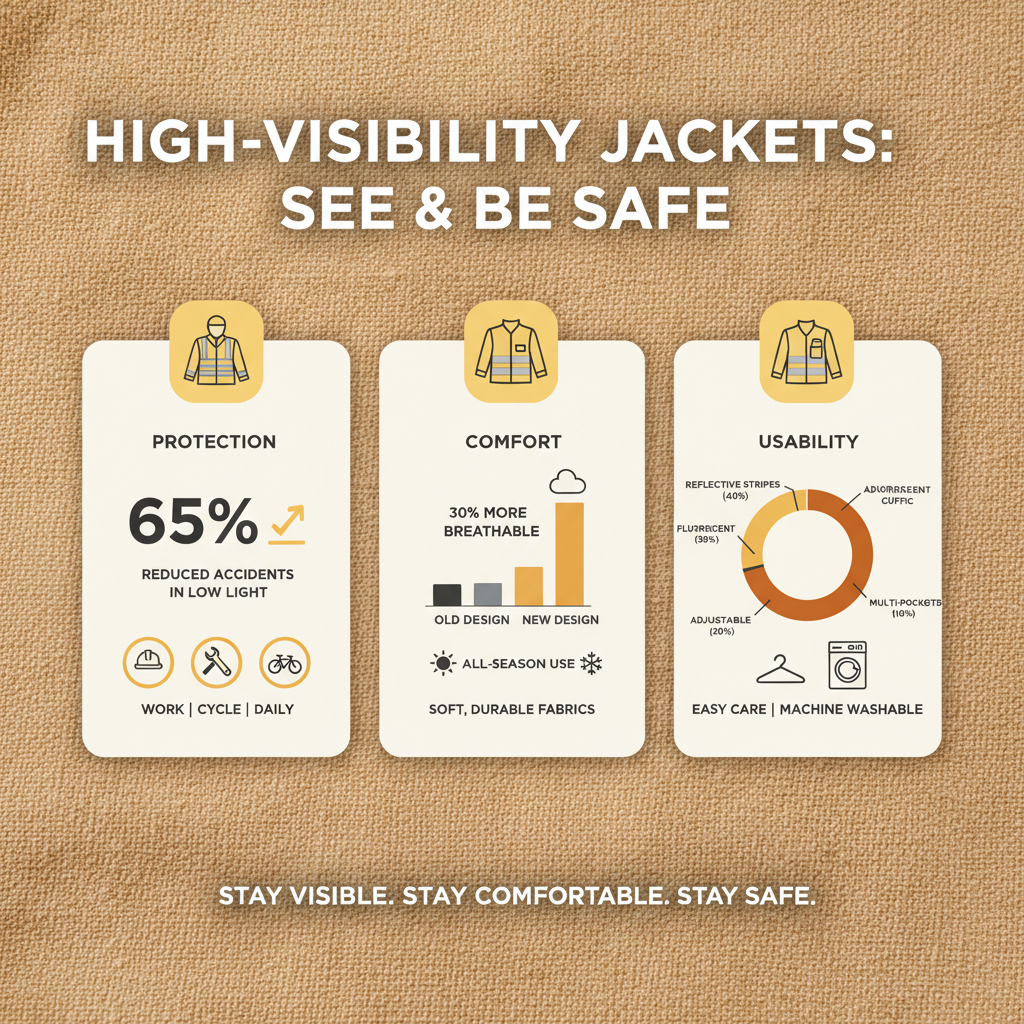
Choosing the right visibility jackets is a vital component of a comprehensive safety program. Consider the work environment, potential hazards, and applicable safety standards when making your selection. Prioritize quality, durability, and comfort to ensure that workers are adequately protected and are willing to wear the jackets consistently. By investing in high-quality visibility jackets and implementing proper safety procedures, you can significantly reduce the risk of accidents and injuries. XDQH PPE is committed to providing innovative and reliable safety solutions.
Conclusion: Prioritizing Safety with the Right Visibility Gear
Investing in the correct visibility jackets is an investment in the safety and well-being of your workforce. By carefully considering the factors outlined in this guide and selecting jackets that meet the necessary standards, you can create a safer and more productive work environment.
Frequently Asked Questions (FAQs)
How often should visibility jackets be replaced?
Visibility jackets should be replaced whenever they show signs of damage, such as tears, fading reflective material, or compromised closures. Even if no visible damage is present, jackets should be replaced every 12-18 months with regular use, or sooner if exposed to harsh conditions. Regular inspection is crucial. The reflective material's performance degrades over time, reducing its effectiveness, and worn or damaged jackets may not provide adequate protection. Following manufacturer’s recommendations for lifespan and care is important.
What washing instructions should be followed for visibility jackets?
Always refer to the manufacturer’s care instructions on the jacket label. Generally, visibility jackets should be machine washed on a gentle cycle in cold water using a mild detergent. Avoid using bleach or fabric softeners, as these can damage the reflective material. Hang the jacket to dry; do not tumble dry, as heat can also degrade the reflective tape. Proper washing and drying procedures will extend the life and effectiveness of the jacket.
Are there visibility jackets specifically designed for winter conditions?
Yes, there are visibility jackets designed for colder weather, often featuring waterproof and windproof materials, as well as insulated linings for added warmth. These jackets may also have features like a hood and extended cuffs to provide extra protection from the elements. Look for jackets that meet the appropriate ANSI/ISEA standards for visibility and thermal performance. XDQH PPE offers a range of winter visibility jackets to keep workers safe and comfortable in cold environments.
Latest news
-
Professional Tactical Reflective Jacket for Maximum Safety Guide
NewsApr.16,2026
-
Professional Tactical Reflective Vest for High Visibility Safety
NewsApr.09,2026
-
Enhancing Safety and Visibility with a Tactical Vest Reflective
NewsApr.07,2026
-
Comprehensive Guide to Choosing the Right Traffic Reflective Jacket for Safety
NewsApr.04,2026
-
Choosing the Right Traffic Vest for Enhanced Workplace Safety
NewsMar.31,2026
-
Comprehensive Guide to Traffic Vest Security and Worker Safety
NewsMar.28,2026
Copyright © 2026 Handan Xinda Qihang Trading Co., Ltd. All Rights Reserved. Sitemap | Privacy Policy | Top Blog | Global Service | Hot Products


