
+8615630398555

Mar . 07, 2026 02:05 Back to list
Comprehensive Guide to Choosing the Best Walking Safety Vest for Optimal Protection
Choosing the Right Walking Safety Vest: A Comprehensive Guide
Visibility is paramount when it comes to pedestrian safety, especially in low-light conditions or near traffic. A high-quality walking safety vest can dramatically increase your visibility, reducing the risk of accidents. This guide will cover everything you need to know about selecting the best walking safety vest, from materials and features to regulations and best practices. We'll explore how to choose a vest that offers optimal protection and comfort, ensuring you stay safe on your walks, runs, or commutes.
Understanding the Importance of a Walking Safety Vest
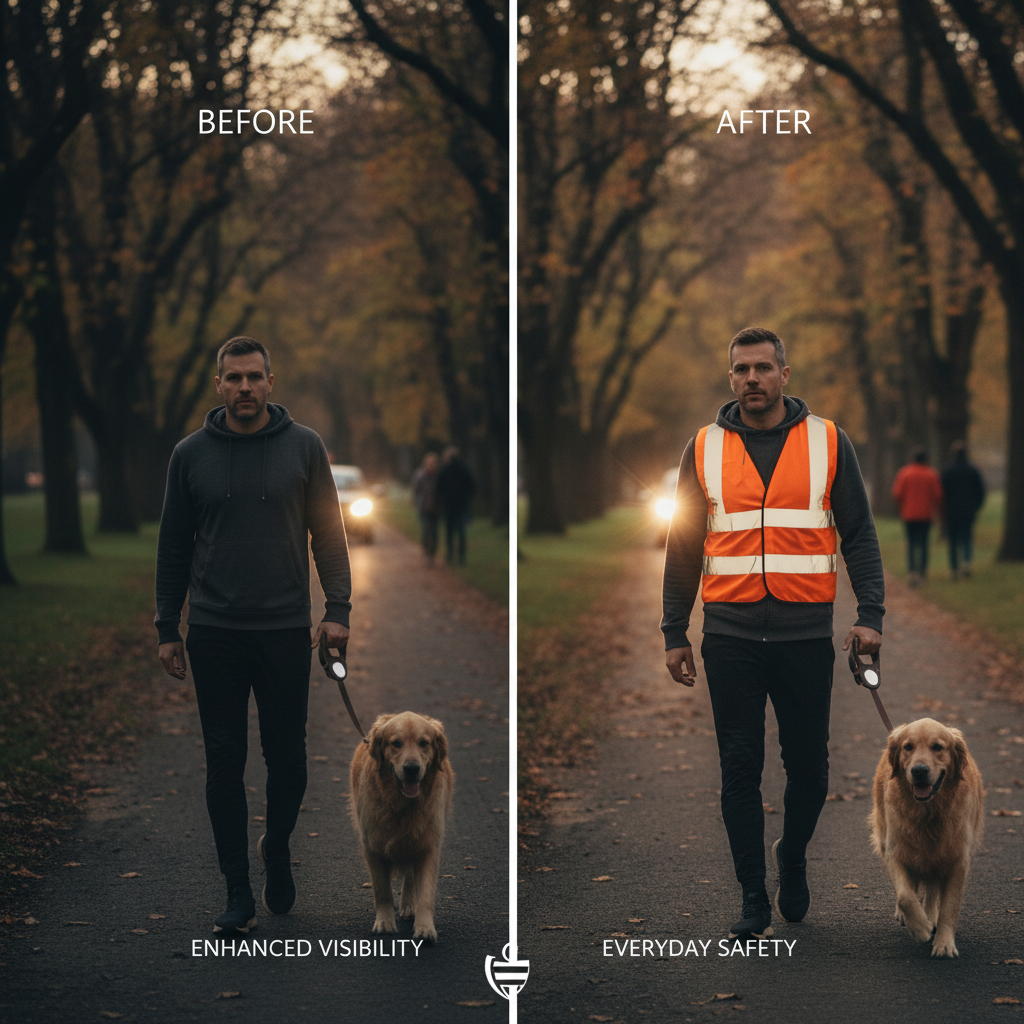
Walking and running are excellent forms of exercise, but they also expose you to potential hazards, particularly from vehicles. A walking safety vest dramatically improves your visibility to drivers, cyclists, and other pedestrians, especially during dawn, dusk, or nighttime. These vests are designed with bright, reflective materials that catch and reflect light, making you stand out in low-light situations. Wearing a safety vest isn't just about following regulations – it's about prioritizing your personal safety and reducing the risk of being involved in an accident. The peace of mind knowing you’re easily seen is invaluable.
Key Benefit: Increased visibility to drivers, cyclists, and other pedestrians, especially in low-light conditions.
Key Features to Look for in a Walking Safety Vest
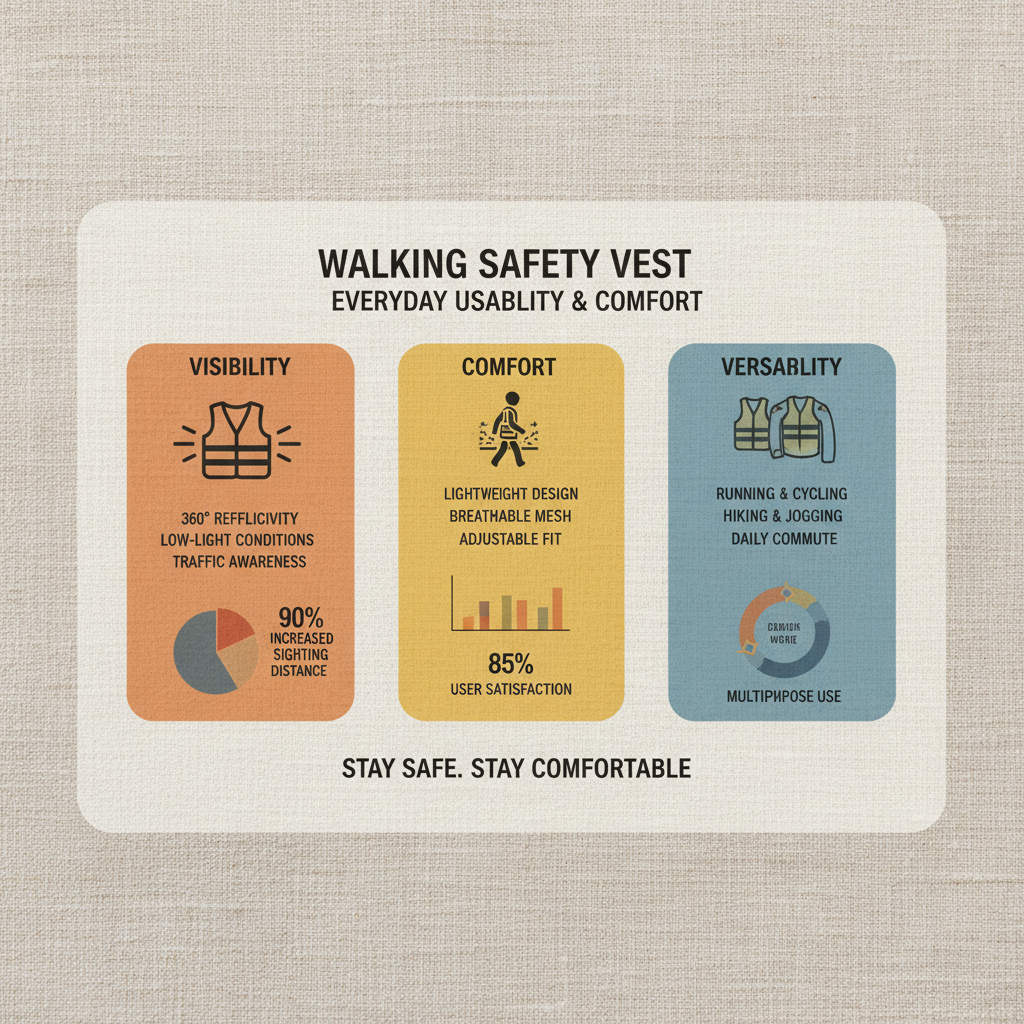
When choosing a walking safety vest, consider several key features. Reflective material quality is paramount – look for vests with high-visibility reflective tape that meets ANSI/ISEA standards. The vest’s fit is also crucial; it should be snug but not restrictive, allowing for comfortable movement. Breathable materials, like mesh, can prevent overheating, especially during warmer weather. Consider additional features such as adjustable straps, pockets for small items, and lightweight designs for enhanced comfort.
Essential Features:
• High-visibility reflective tape (ANSI/ISEA compliant)
• Comfortable and adjustable fit
• Breathable materials (mesh)
• Lightweight design
Walking Safety Vest Materials: A Comparison
Walking safety vests are typically made from polyester, nylon, or a blend of both. Polyester is a popular choice due to its durability, affordability, and resistance to wrinkles. Nylon offers superior strength and abrasion resistance, making it ideal for more demanding environments. The reflective material is usually made of retroreflective tape, which is designed to bounce light back to its source. Different grades of reflective tape offer varying levels of visibility; look for materials that meet ANSI/ISEA 107 standards for high visibility.
Understanding ANSI/ISEA Standards for High-Visibility Safety Apparel
ANSI/ISEA 107 is the standard that defines high-visibility safety apparel requirements in the United States. This standard classifies garments into three performance classes – Class 1, Class 2, and Class 3 – based on the amount of reflective material and the intended application. For walking and running in low-light conditions, a Class 2 vest is generally recommended, providing adequate visibility for most situations. If you are walking near high-speed traffic or in particularly hazardous environments, a Class 3 vest may be necessary. Always ensure your walking safety vest meets these standards for optimal protection.
Choosing the Right Size and Fit
Proper fit is crucial for a walking safety vest to provide effective protection. The vest should fit snugly over your clothing but not restrict your movement. Adjustable straps are essential for achieving a comfortable and secure fit. Refer to the manufacturer's size chart to determine the correct size for your body measurements. A vest that is too loose may shift during activity, reducing its visibility, while a vest that is too tight can be uncomfortable and restrict your breathing. Always prioritize a comfortable and secure fit for optimal safety.
Conclusion: Prioritize Your Safety with a Walking Safety Vest
Investing in a high-quality walking safety vest is a simple yet effective way to enhance your visibility and reduce the risk of accidents. By considering the materials, features, and fit, you can choose a vest that provides optimal protection and comfort. Prioritize your safety and walk with confidence, knowing you’re visible to others.
Frequently Asked Questions (FAQs)
How often should I replace my walking safety vest?
The lifespan of a walking safety vest depends on usage and care. Generally, a vest should be replaced every 1-2 years, or sooner if the reflective material becomes damaged, faded, or cracked. Frequent washing and exposure to harsh chemicals can also shorten its lifespan. Regularly inspect your vest for any signs of wear and tear, and replace it if necessary to ensure continued visibility. Always prioritize a vest in good condition for optimal safety.
Can I wash my walking safety vest?
Yes, most walking safety vests can be machine washed, but it's essential to follow the manufacturer's instructions. Typically, you should wash the vest in cold water on a gentle cycle and avoid using bleach or harsh detergents. Tumble dry on low heat or hang to dry. Avoid ironing the reflective material, as this can damage its effectiveness. Proper washing and care will help maintain the vest's visibility and prolong its lifespan.
Are walking safety vests required by law?
The legality of wearing a walking safety vest varies depending on location and specific circumstances. Some municipalities and states may require pedestrians to wear high-visibility apparel in certain areas or during specific times of day. Even if it’s not legally mandated, wearing a vest is always a good safety practice, especially when walking near roads or in low-light conditions. It is best to check your local regulations to understand the requirements in your area.
Latest news
-
Professional Tactical Reflective Jacket for Maximum Safety Guide
NewsApr.16,2026
-
Professional Tactical Reflective Vest for High Visibility Safety
NewsApr.09,2026
-
Enhancing Safety and Visibility with a Tactical Vest Reflective
NewsApr.07,2026
-
Comprehensive Guide to Choosing the Right Traffic Reflective Jacket for Safety
NewsApr.04,2026
-
Choosing the Right Traffic Vest for Enhanced Workplace Safety
NewsMar.31,2026
-
Comprehensive Guide to Traffic Vest Security and Worker Safety
NewsMar.28,2026
Copyright © 2026 Handan Xinda Qihang Trading Co., Ltd. All Rights Reserved. Sitemap | Privacy Policy | Top Blog | Global Service | Hot Products


