
+8615630398555

Mar . 08, 2026 02:10 Back to list
Comprehensive Guide to Choosing the Right Visibility Vest for Workplace Safety
Choosing the Right Visibility Vest: A Comprehensive Guide
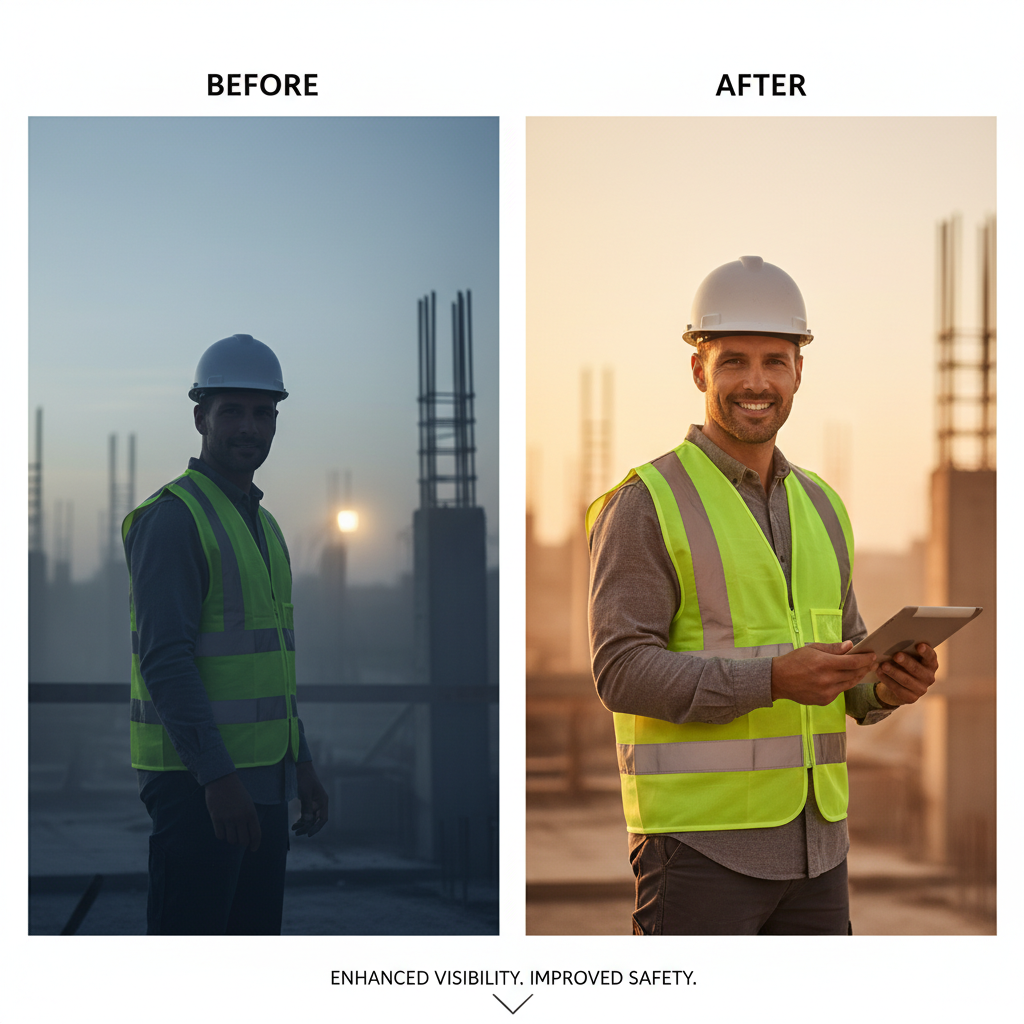
A visibility vest is a crucial element of personal protective equipment (PPE), significantly enhancing safety for workers in various industries. From construction and road work to cycling and emergency response, these vests increase visibility, reducing the risk of accidents. This guide provides an in-depth look at visibility vests, covering types, standards, materials, and how to choose the best vest for your specific needs. Investing in a high-quality visibility vest is a proactive step towards a safer working environment.
Understanding Visibility Vest Classes
Visibility vests are categorized into classes based on the level of protection they offer. These classes, defined by standards like ANSI/ISEA 107 in the US and EN ISO 20471 in Europe, dictate the amount of reflective material and background color required. Class 1 vests provide basic visibility and are suitable for low-risk environments where minimal protection is needed. Class 2 vests offer more reflective material and are ideal for moderate-risk situations, such as roadside work or airport ground crews. Class 3 vests provide the highest level of visibility, with extensive reflective material covering the torso, arms, and legs, making them essential for high-risk environments like highway construction or emergency response.
Key Takeaway: Choosing the correct class of visibility vest is paramount. Assess the risk level of the work environment to ensure adequate protection for workers.
Materials Used in Visibility Vests
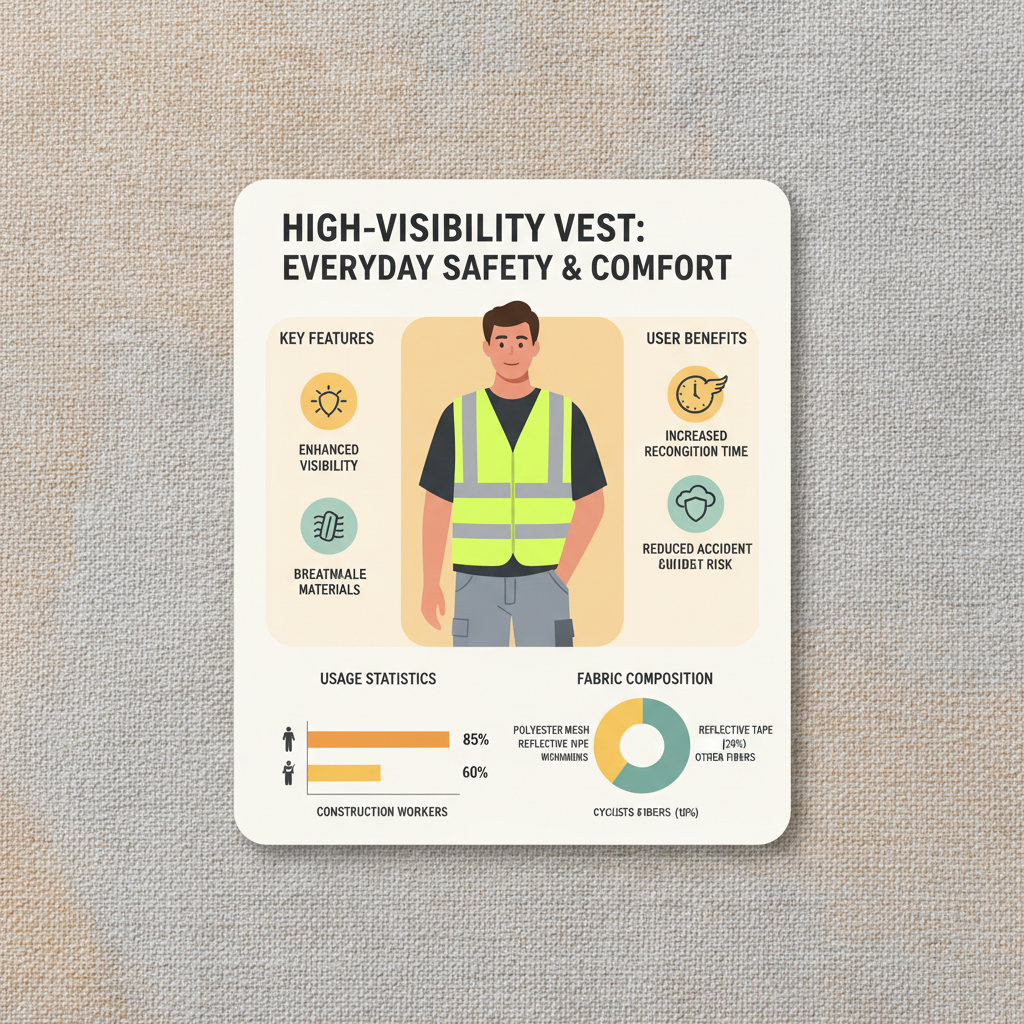
Visibility vests are commonly made from polyester, nylon, or a blend of both. Polyester is known for its durability, wrinkle resistance, and affordability, making it a popular choice for everyday use. Nylon offers higher strength and abrasion resistance, ideal for demanding work environments. Reflective material is typically made from retroreflective sheeting, which reflects light back to its source, enhancing visibility in low-light conditions. The quality of both the fabric and reflective material directly impacts the vest's overall performance and lifespan. Look for vests with durable, high-visibility reflective tape certified to meet relevant safety standards.
Material Benefits:
• Polyester: Durability, wrinkle resistance, affordability
• Nylon: Higher strength, abrasion resistance
• Retroreflective Sheeting: Excellent light reflection
Visibility Vest Styles: Choosing the Right Fit
Visibility vests come in various styles to accommodate different needs and preferences. Standard vests are simple and affordable, providing basic visibility. Vests with pockets offer convenient storage for small tools or personal items. High-visibility jackets provide additional warmth and protection from the elements. Two-tone vests combine contrasting colors for increased visibility. It's important to choose a vest that fits comfortably and allows for a full range of motion. Consider the worker's clothing and whether the vest will be worn over bulky layers. Adjustable straps are essential for ensuring a secure and comfortable fit.
Choosing a visibility vest from Xdqhppe
At Xdqhppe, we offer a wide range of high-quality visibility vests designed to meet various safety requirements. Our vests are made from durable materials, feature high-visibility reflective tape, and are available in a variety of styles and sizes. We prioritize safety and comfort, ensuring our products provide reliable protection for workers in demanding environments. We comply with ANSI and EN ISO standards to provide the best protection to our customers.
Care and Maintenance of Visibility Vests
Proper care and maintenance are essential for ensuring the longevity and effectiveness of your visibility vest. Follow the manufacturer's instructions for washing and drying. Typically, vests should be washed in cold water with a mild detergent. Avoid using bleach or harsh chemicals, as these can damage the reflective material. Inspect the vest regularly for tears, damage, or fading of the reflective tape. Replace the vest if any damage is detected. Storing the vest properly, away from direct sunlight and extreme temperatures, will also help to prolong its lifespan.
Conclusion: Prioritizing Safety with High-Visibility Vests
Investing in high-quality visibility vests from a reputable supplier like Xdqhppe is a critical step towards creating a safer work environment. By understanding the different classes, materials, and styles available, you can choose the best vest to protect your workers and minimize the risk of accidents. Remember to prioritize proper care and maintenance to ensure the long-term effectiveness of your PPE.
Frequently Asked Questions (FAQs)
What is the difference between ANSI/ISEA 107 and EN ISO 20471 standards?
ANSI/ISEA 107 is the standard used primarily in North America, while EN ISO 20471 is the European standard for high-visibility clothing. While both standards aim to ensure worker visibility, they have different requirements for reflective material area and color combinations. Generally, EN ISO 20471 is considered more stringent in some aspects, particularly regarding the amount of fluorescent material required. It's important to choose vests that comply with the relevant standard for the region where they will be used.
How often should I replace a visibility vest?
The frequency of replacement depends on usage and exposure to environmental factors. As a general guideline, visibility vests should be replaced every 12-18 months with regular use, or sooner if they show signs of wear and tear, such as fading reflective material, tears, or damage to the fabric. Frequent washing and exposure to UV radiation can also accelerate degradation. Regular inspection is key to identifying the need for replacement.
Can visibility vests be customized with logos or text?
Yes, many suppliers, including Xdqhppe, offer customization options for visibility vests. Logos, text, or other graphics can be added through screen printing, heat transfer, or embroidery. Customization can enhance brand visibility and provide additional identification for workers. Contact our sales team for details on customization options and pricing.
Are visibility vests effective at night?
Yes, visibility vests are highly effective at night when illuminated by headlights or other light sources. The retroreflective material reflects light back to the source, making the wearer easily visible to drivers and other workers. However, the effectiveness depends on the quality of the reflective material and the intensity of the light source. It's essential to choose vests with high-quality retroreflective tape and to ensure adequate lighting in the work area.
Latest news
-
Professional Tactical Reflective Jacket for Maximum Safety Guide
NewsApr.16,2026
-
Professional Tactical Reflective Vest for High Visibility Safety
NewsApr.09,2026
-
Enhancing Safety and Visibility with a Tactical Vest Reflective
NewsApr.07,2026
-
Comprehensive Guide to Choosing the Right Traffic Reflective Jacket for Safety
NewsApr.04,2026
-
Choosing the Right Traffic Vest for Enhanced Workplace Safety
NewsMar.31,2026
-
Comprehensive Guide to Traffic Vest Security and Worker Safety
NewsMar.28,2026
Copyright © 2026 Handan Xinda Qihang Trading Co., Ltd. All Rights Reserved. Sitemap | Privacy Policy | Top Blog | Global Service | Hot Products


