
+8615630398555

Mar . 03, 2026 18:35 Back to list
Comprehensive Guide to Selecting the Best Waterproof Safety Vest for Workplace Protection
Choosing the Right Waterproof Safety Vest for Your Needs
Ensuring workplace safety is paramount, and a crucial component of any safety program is equipping personnel with the appropriate protective gear. A waterproof safety vest is an essential item, particularly in environments where visibility is compromised by weather conditions or the work itself. This article will explore the benefits of waterproof safety vests, key features to consider, and how to choose the right vest for various applications. Investing in quality safety vests not only ensures compliance with safety regulations but also significantly reduces the risk of accidents and injuries. XDQH PPE offers a comprehensive range of high-visibility, waterproof vests designed for diverse work environments.
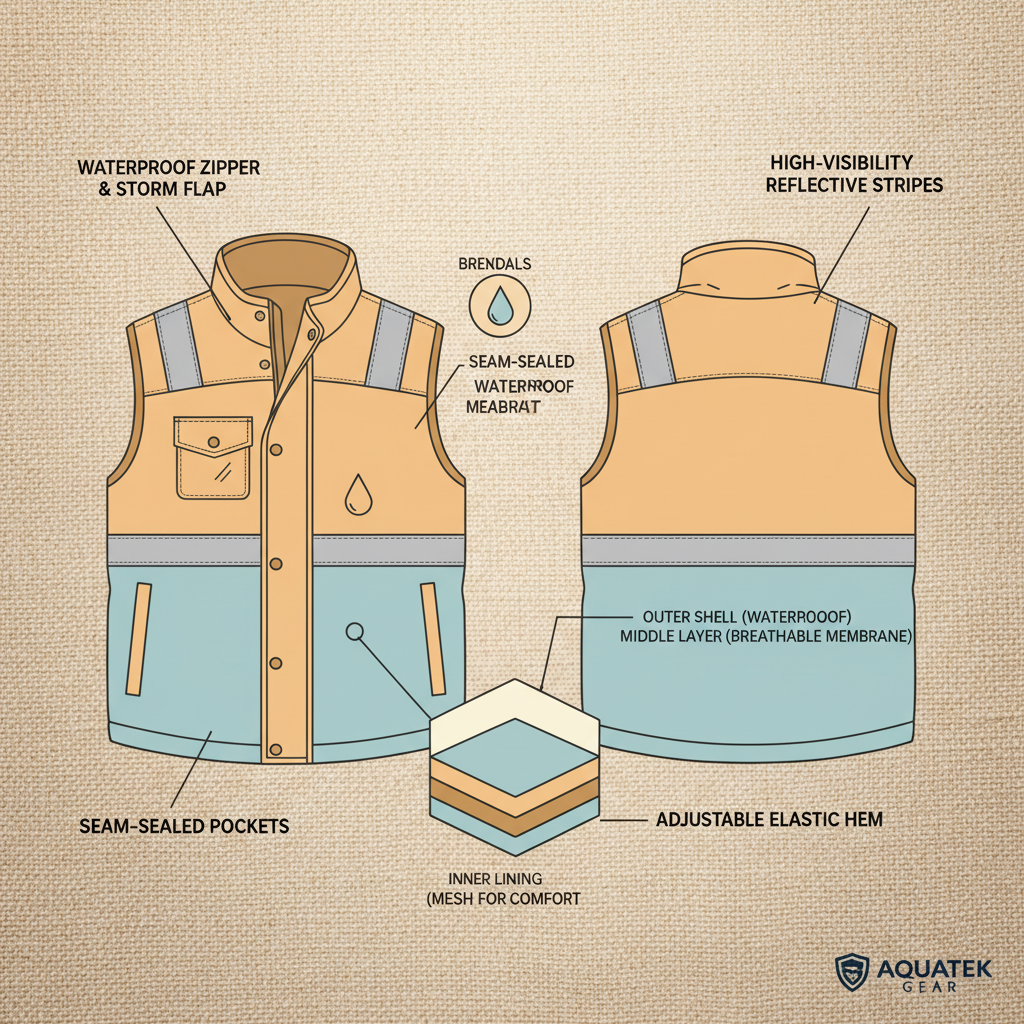
Why Choose a Waterproof Safety Vest?
Waterproof safety vests provide a critical layer of protection in wet and challenging work conditions. Unlike standard high-visibility vests, waterproof versions offer resistance to rain, splashes, and even submersion, maintaining their brightness and reflective properties even when soaked. This is especially important for workers in maritime industries, construction sites during inclement weather, emergency responders, and anyone working near water sources. A wet vest loses its effectiveness, reducing visibility and potentially endangering the wearer. Choosing a waterproof vest ensures continued safety and compliance, regardless of the weather.
Key Benefits: Enhanced visibility in wet conditions, increased durability, maintained reflective properties, improved worker safety, and compliance with safety standards.
Understanding Different Waterproof Materials
The level of waterproofing varies depending on the materials used in the vest’s construction. Common materials include PVC-coated polyester, polyurethane-coated polyester, and specialized waterproof fabrics like those used in outdoor gear. PVC offers good water resistance and durability but can be less breathable. Polyurethane provides better breathability while maintaining good waterproofing. Specialized waterproof fabrics offer the highest level of performance, combining breathability, durability, and excellent water resistance. Consider the specific work environment when choosing a material – a light drizzle requires less protection than prolonged exposure to heavy rain or submersion.
Material Comparison:
• PVC-coated polyester: Durable, good water resistance, less breathable.
• Polyurethane-coated polyester: Good water resistance, better breathability.
• Specialized Waterproof Fabrics: Highest level of performance, breathable, durable, excellent water resistance.
Key Features to Look for in a Waterproof Safety Vest
Beyond the waterproof material, several features contribute to the effectiveness and usability of a safety vest. High-visibility reflective tape, conforming to ANSI/ISEA 107 standards, is essential for ensuring the wearer is easily seen in low-light conditions. Adjustable straps and closures provide a comfortable and secure fit. Additional features like pockets for storage, zipper closures for added protection, and breathable back panels can enhance comfort and functionality. A properly fitted vest will not restrict movement and will remain securely in place during physical activity. XDQH PPE offers vests with all these features, catering to diverse needs and preferences.
Applications for Waterproof Safety Vests
Waterproof safety vests are indispensable in a wide range of industries and applications. Construction workers exposed to rain or working near water sources benefit greatly. Maritime industries, including port operations, fishing, and shipbuilding, require reliable waterproof protection. Emergency responders, such as firefighters and search and rescue teams, rely on waterproof vests in challenging weather conditions. Other applications include road maintenance, traffic control, outdoor events, and any job requiring high visibility in wet environments. XDQH PPE provides solutions tailored to these diverse needs.
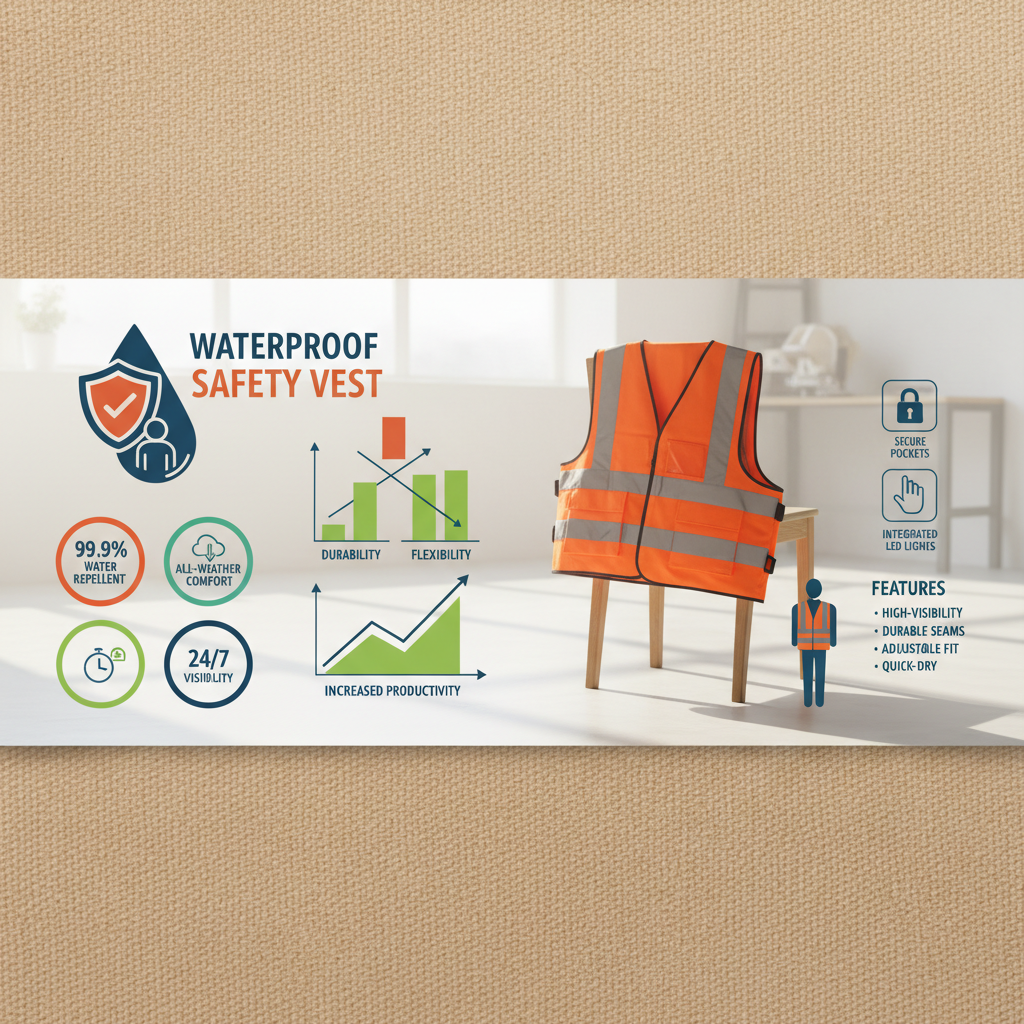
Choosing the Right Waterproof Safety Vest: A Summary
Selecting the appropriate waterproof safety vest involves considering the specific work environment, the level of water exposure, and the required features. Prioritize vests that meet ANSI/ISEA 107 standards for high visibility, offer a comfortable and secure fit, and are constructed from durable, waterproof materials. Don’t compromise on quality – a reliable vest is an investment in worker safety and can prevent costly accidents. XDQH PPE offers a wide selection of high-quality, waterproof safety vests to meet your specific needs.
Conclusion
Investing in a high-quality waterproof safety vest is a proactive step towards ensuring a safe and productive work environment. By considering the factors outlined in this article, you can choose a vest that provides the necessary protection and visibility, regardless of the weather conditions. Don't underestimate the importance of this essential piece of safety gear.
Frequently Asked Questions (FAQs)
What is the difference between water-resistant and waterproof safety vests?
Water-resistant vests can withstand light rain and splashes, but prolonged exposure to water will eventually saturate the fabric. Waterproof vests, on the other hand, are designed to prevent water from penetrating the material, even during extended exposure. Waterproof vests typically use specialized waterproof fabrics and seam sealing techniques to achieve this level of protection. The best choice depends on the specific work environment and the likelihood of significant water exposure.
How do I properly care for a waterproof safety vest?
To maintain the waterproof properties of your vest, follow the manufacturer’s care instructions. Generally, hand washing with mild detergent is recommended, avoiding harsh chemicals or bleach. Allow the vest to air dry completely, avoiding direct heat or sunlight. Regularly inspect the vest for any tears or damage to the waterproof coating, and replace it if necessary. Proper care will extend the lifespan and effectiveness of the vest.
Are waterproof safety vests breathable?
Breathability varies depending on the material used. PVC-coated polyester is less breathable, while polyurethane-coated polyester and specialized waterproof fabrics offer better breathability. Breathable vests allow moisture vapor to escape, preventing overheating and discomfort during physical activity. Look for vests with breathable back panels or specialized fabrics for improved comfort in warmer conditions.
What ANSI/ISEA standards apply to safety vests?
ANSI/ISEA 107 is the standard for high-visibility safety apparel, including vests. This standard specifies the requirements for reflective tape, background color, and vest design to ensure maximum visibility. Vests are classified into different performance classes (Class 1, Class 2, and Class 3) based on the amount of reflective material and the risk level of the work environment. Choose a vest that meets the appropriate ANSI/ISEA 107 class for your specific application.
Latest news
-
Professional Tactical Reflective Jacket for Maximum Safety Guide
NewsApr.16,2026
-
Professional Tactical Reflective Vest for High Visibility Safety
NewsApr.09,2026
-
Enhancing Safety and Visibility with a Tactical Vest Reflective
NewsApr.07,2026
-
Comprehensive Guide to Choosing the Right Traffic Reflective Jacket for Safety
NewsApr.04,2026
-
Choosing the Right Traffic Vest for Enhanced Workplace Safety
NewsMar.31,2026
-
Comprehensive Guide to Traffic Vest Security and Worker Safety
NewsMar.28,2026
Copyright © 2026 Handan Xinda Qihang Trading Co., Ltd. All Rights Reserved. Sitemap | Privacy Policy | Top Blog | Global Service | Hot Products


