
+8615630398555

Feb . 26, 2026 02:05 Back to list
Comprehensive Guide to Work Vest Reflective Safety and Selection
Understanding Work Vest Reflective: A Comprehensive Guide
In today's demanding work environments, safety is paramount. A crucial component of workplace safety is high-visibility clothing, and a key element of this is the work vest reflective. These vests are designed to enhance visibility, particularly in low-light conditions or adverse weather, minimizing the risk of accidents. This article delves into the importance of reflective work vests, their various types, standards, and how to choose the right vest for specific needs. Protecting workers and ensuring their visibility is a responsible investment. Explore our range of reflective work vests today!
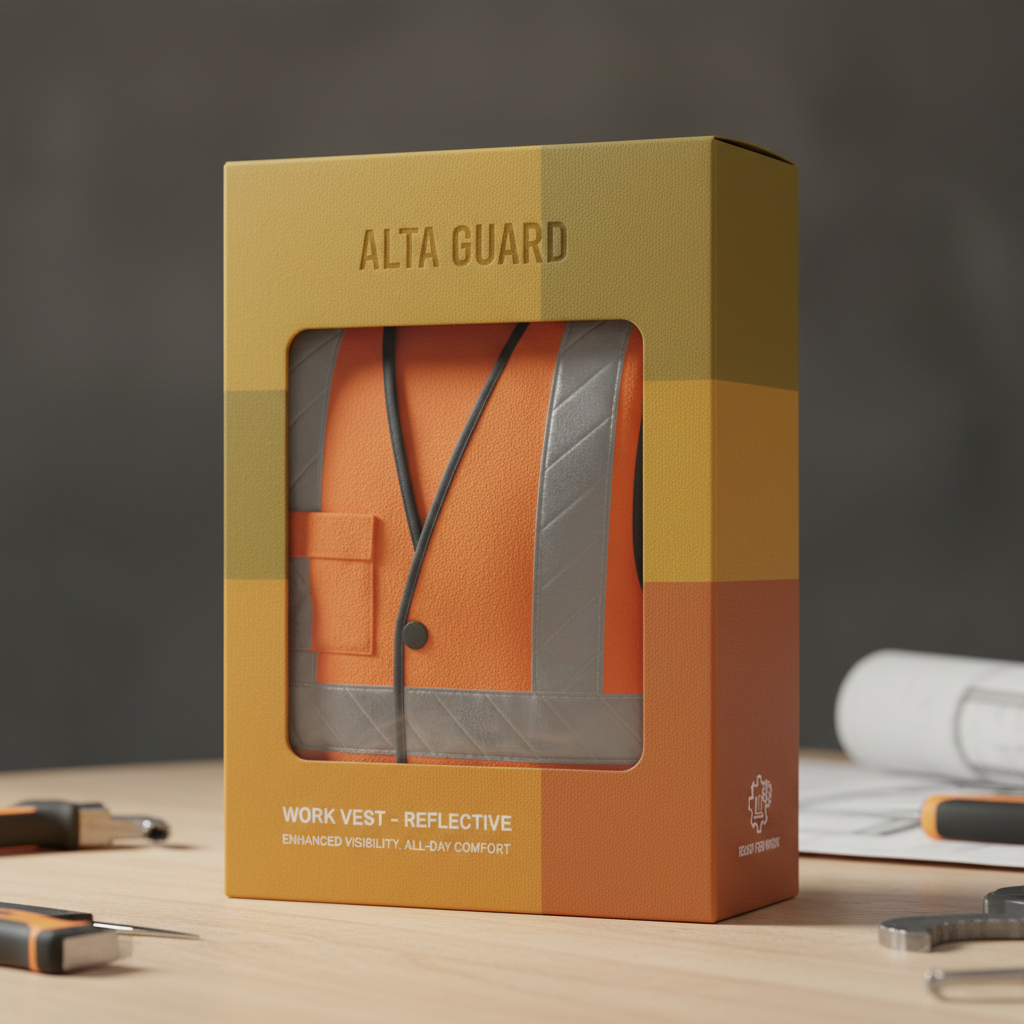
Why are Work Vest Reflective So Important?
The primary function of a work vest reflective is to make workers easily visible to drivers, machinery operators, and other personnel, especially in situations where visibility is compromised. Construction sites, road work, traffic control, and warehousing are just a few examples of environments where these vests are essential. Increased visibility directly translates to fewer accidents and a safer work environment. Beyond safety, the use of reflective vests can also contribute to regulatory compliance. Many industries and regions have specific safety regulations requiring the use of high-visibility clothing.
Key Benefits: Enhanced visibility in low-light conditions, reduced risk of accidents, compliance with safety regulations, increased worker awareness.
Types of Work Vest Reflective
Reflective work vests come in various classes, each offering a different level of visibility and protection. These classes are defined by ANSI/ISEA standards (American National Standards Institute/International Safety Equipment Association).
Choosing the Right Work Vest Reflective: Key Considerations
Selecting the appropriate work vest reflective involves several factors. First and foremost, determine the level of visibility required based on the work environment. Consider the speed of traffic, lighting conditions, and the potential hazards. Secondly, ensure the vest meets the relevant ANSI/ISEA standards for your industry. Comfort is also important; choose a vest made from breathable materials. Finally, think about any additional features you might need, such as pockets, zipper closures, or specialized designs for specific tasks.
Key Considerations:
• Visibility Class (1, 2, or 3)
• ANSI/ISEA Compliance
• Material and Comfort
• Additional Features (pockets, zippers)
Work Vest Reflective Materials and Durability
The materials used in a reflective work vest significantly impact its durability and performance. Common materials include polyester, nylon, and mesh. Polyester is known for its durability and resistance to shrinking and stretching. Nylon offers excellent abrasion resistance. Mesh materials provide enhanced breathability, keeping workers cool and comfortable. The reflective tape itself is typically made of a retroreflective material that bounces light back to its source, making the wearer highly visible. Look for vests with high-quality reflective tape that is securely attached to the fabric. Proper care, such as regular washing according to the manufacturer's instructions, can extend the lifespan of the vest.
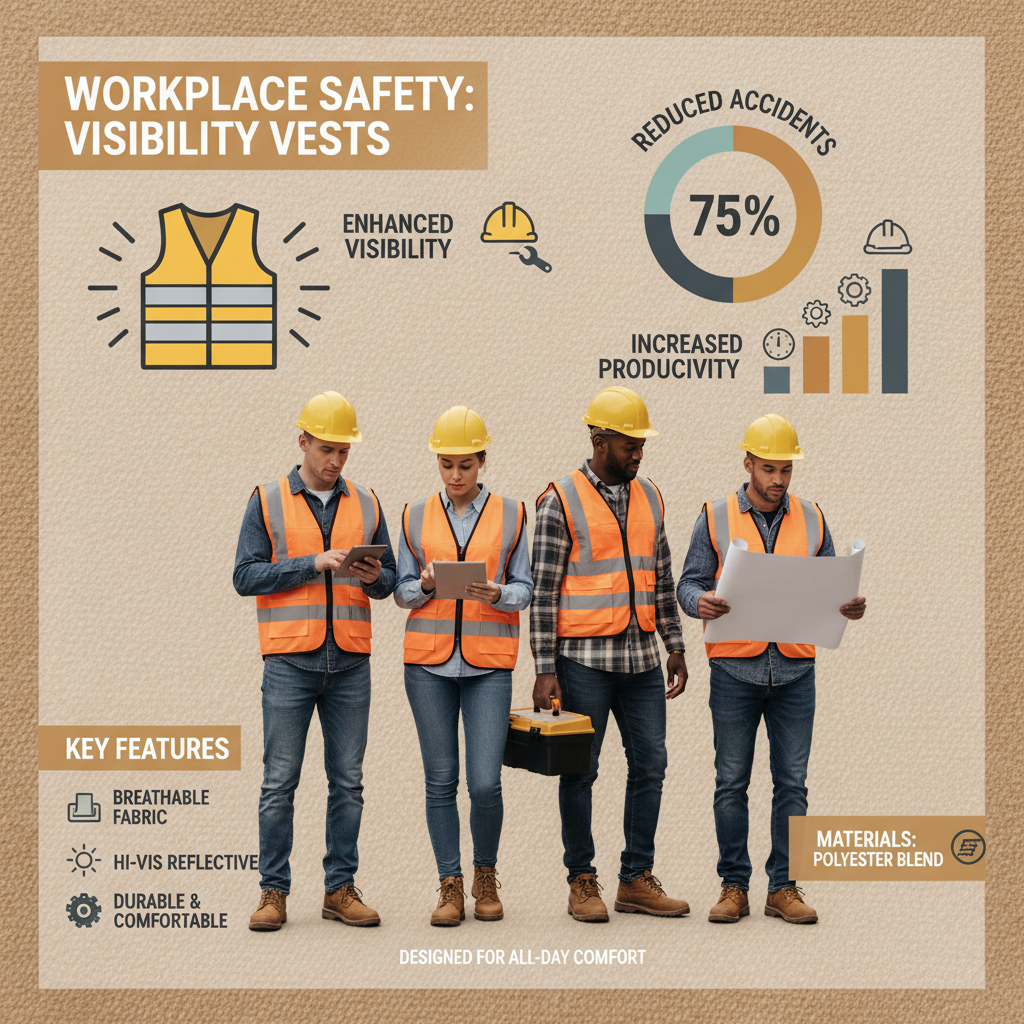
Maintenance and Care of Reflective Vests
To ensure the longevity and effectiveness of your work vest reflective, proper maintenance is crucial. Always follow the manufacturer's washing instructions, as harsh detergents or high temperatures can damage the reflective tape. Avoid using bleach or fabric softeners. Inspect the vest regularly for any signs of wear and tear, such as cracks in the reflective tape or damage to the fabric. Replace the vest if it is damaged or no longer provides adequate visibility. Store the vest in a clean, dry place away from direct sunlight when not in use.
Conclusion: Prioritizing Safety with Quality Reflective Vests
Investing in high-quality work vest reflective is a vital step in creating a safer work environment. By understanding the different classes, materials, and maintenance requirements, you can choose the best vest for your specific needs and ensure your workers are protected. Don't compromise on safety – choose the right reflective vest and prioritize the well-being of your team. Browse our extensive collection today!
Frequently Asked Questions (FAQs)
How often should I replace my reflective work vest?
The replacement frequency depends on usage and environmental conditions. Generally, replace a reflective vest every 12-18 months, or sooner if the reflective tape shows signs of cracking, fading, or detachment. Regular inspection is crucial. If the vest has been exposed to harsh chemicals or extreme weather, it should be replaced more frequently. Consider replacing any vest that has been involved in an accident, even if there's no visible damage.
What washing instructions should I follow?
Always refer to the manufacturer's instructions on the vest's label. In general, machine wash the vest in cold water on a gentle cycle using a mild detergent. Avoid using bleach, fabric softeners, or harsh chemicals. Tumble dry on low heat or hang to dry. Do not iron the reflective tape, as this can damage its reflective properties. Regular, gentle washing helps maintain the vest's visibility and extends its lifespan.
Are there specific standards for reflective vests in different industries?
Yes, many industries have specific standards and regulations regarding high-visibility clothing. For example, road construction workers may be required to wear Class 3 reflective vests that meet ANSI/ISEA 107 standards. Emergency responders may have different requirements depending on their role. It's important to research and comply with the specific regulations for your industry to ensure worker safety and avoid potential penalties.
What is the difference between fluorescent and reflective materials?
Fluorescent materials glow brightly in daylight, attracting attention. Reflective materials, on the other hand, bounce light back to its source, making the wearer visible in low-light conditions. A good work vest utilizes both fluorescent and reflective materials to provide maximum visibility in all lighting conditions. Fluorescent materials provide daytime visibility, while reflective tape ensures visibility at night or in poor weather.
Latest news
-
Professional Tactical Reflective Jacket for Maximum Safety Guide
NewsApr.16,2026
-
Professional Tactical Reflective Vest for High Visibility Safety
NewsApr.09,2026
-
Enhancing Safety and Visibility with a Tactical Vest Reflective
NewsApr.07,2026
-
Comprehensive Guide to Choosing the Right Traffic Reflective Jacket for Safety
NewsApr.04,2026
-
Choosing the Right Traffic Vest for Enhanced Workplace Safety
NewsMar.31,2026
-
Comprehensive Guide to Traffic Vest Security and Worker Safety
NewsMar.28,2026
Copyright © 2026 Handan Xinda Qihang Trading Co., Ltd. All Rights Reserved. Sitemap | Privacy Policy | Top Blog | Global Service | Hot Products


