
+8615630398555

Nov . 07, 2025 13:35 Back to list
Cotton Summer Workwear: Breathable, Durable, Lightweight
The real-world guide to Cotton Summer Workwear
If you’ve worked through a heatwave on a noisy jobsite, you know clothes become tools. And tools either help—or get in the way. This set, made in China and tagged QH-1012, leans into practical details rather than buzzwords. To be honest, that’s what most crews want.

What’s trending (and why it matters)
Across factories, logistics hubs, even municipal maintenance, the summer uniform trend is clear: lighter poly-cotton blends, cleaner finishing, and less heat build-up. Many customers say breathability and color stability beat fancy add-ons—though antimicrobial finishes are creeping in. Interestingly, blended yarns with combed cotton still run the show because they wash easy and dry faster than pure cotton.
Key specs at a glance
| Product | Cotton Summer Workwear (No. QH-1012) |
| Composition | Polyester/Cotton/Combed Cotton (poly-cotton blend) |
| Fabric weight | ≈ 180–220 g/m² (real-world use may vary by color/lot) |
| Sizes | 160 M – 190 4XL |
| Finish | Process of nitrifying and bleaching for cleaner base tone |
| Build | Bartack stress points, double/tri-needle seams, breathable weave |
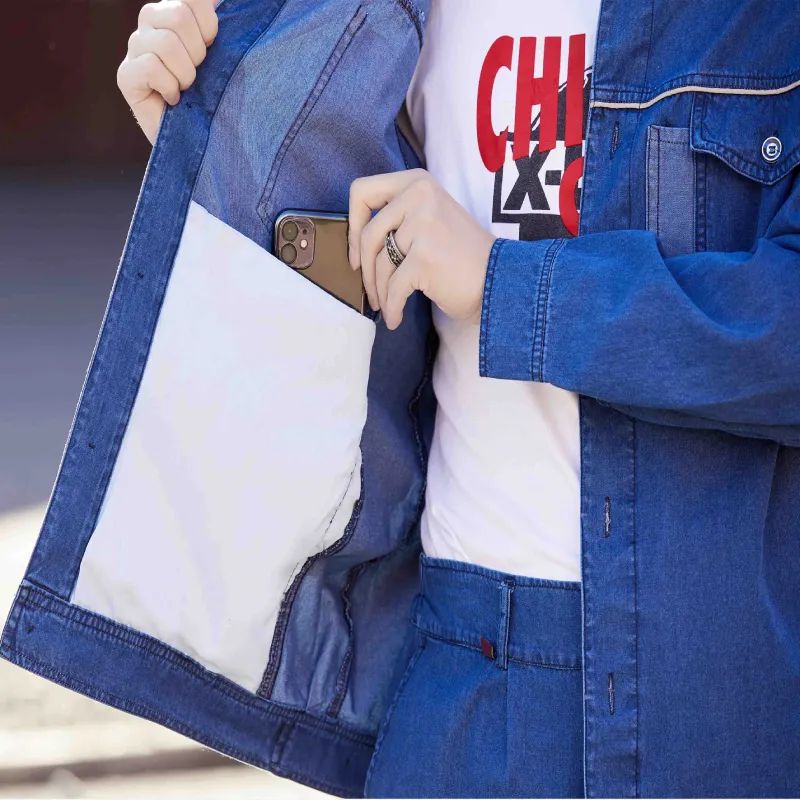
Process flow (how it’s made)
Materials: poly-cotton yarn with combed cotton fibers → Fabric forming → Nitrifying and bleaching (to stabilize base shade and cleanliness) → Cutting via CAD → Stitching with reinforced seams → Trims attach (zips, snaps) → Pre-wash/shrink control → Final inspection.
Testing & standards: colorfastness to washing (ISO 105-C06), rubbing (ISO 105-X12), seam strength (ISO 13935-2), abrasion (ISO 12947 Martindale), dimensional change after laundering (ISO 6330). Conformance to EN ISO 13688 general garment requirements, which is the baseline many buyers ask for.
Field data (typical lab results)
- Colorfastness to washing: 4–5 grade
- Shrinkage after 3 cycles (40°C):
- Abrasion resistance: > 20,000 cycles (Martindale, 9 kPa)
- Air permeability: around 120 L/m²/s
Note: figures are indicative from internal lab checks; real-world use may vary by color and lot.
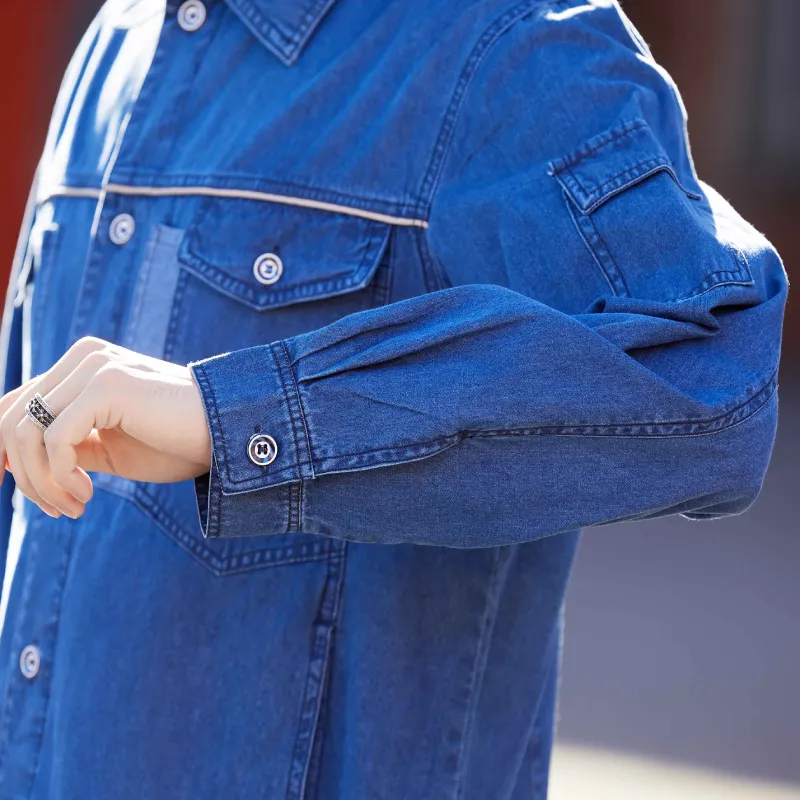
Where it works best
Light manufacturing, warehousing, HVAC service, utilities, auto maintenance, and construction support roles. Advantages? Breathability, easy-care washing, tidy color retention, and sizing that actually fits teams—surprisingly rare in budget uniforms. Many buyers also like the pocket layout and uncomplicated look of Cotton Summer Workwear.
Vendor snapshot (what you’re comparing)
| Criteria | XDQH PPE (QH-1012) | Generic Vendor A | Local Tailor B |
|---|---|---|---|
| Lead time | ≈ 20–35 days | ≈ 30–45 days | ≈ 7–15 days (small runs) |
| MOQ | Around 300 sets | 500–1,000 | 50–100 |
| Customization | Logos, pocket map, reflective piping, colors | Colors & logo | High, but variable QC |
| Certs support | EN ISO 13688 baseline; OEKO-TEX fabrics on request | Limited | Not typical |
Customization & lifecycle
Options: embroidery/heat-transfer logos, contrast stitching, reinforced knees, cargo pockets, and visibility trims. Service life is usually 12–24 months with weekly washes; heavy abrasion or harsh detergents shorten that—no surprise there.
Quick case note
A 600-person logistics hub in Southeast Asia shifted to Cotton Summer Workwear; after three months, HR logged 18% fewer “too hot/itchy” complaints and procurement saw 12% fewer replacements versus the prior all-cotton set. Not a lab study, but telling.
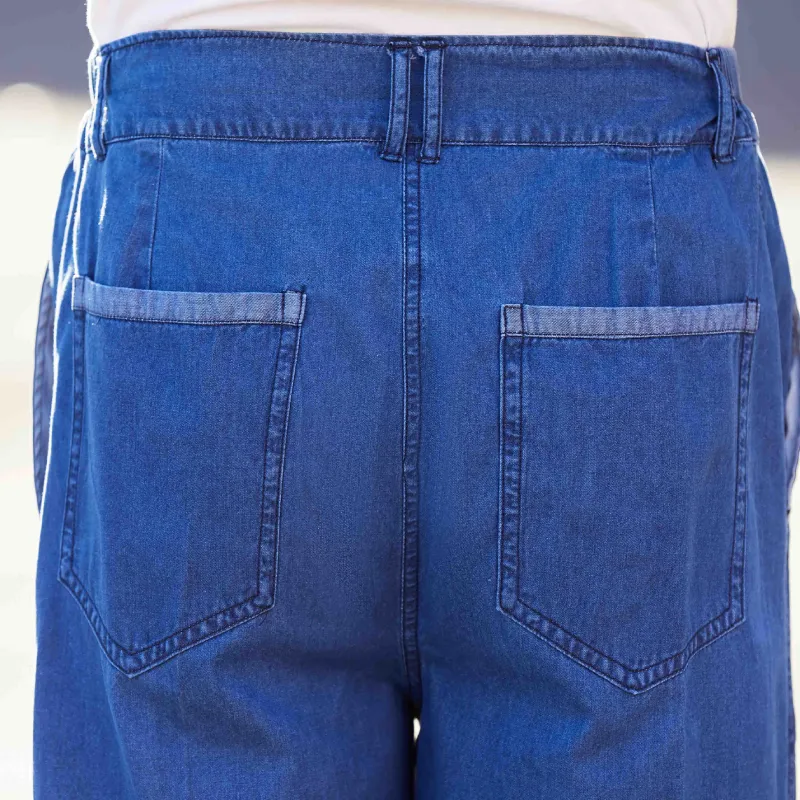
Compliance checklist
- General garment requirements: EN ISO 13688
- Colorfastness: ISO 105 series (C06, X12)
- Abrasion: ISO 12947 (Martindale)
- Laundering: ISO 6330; optional OEKO-TEX Standard 100 materials
Citations:
- EN ISO 13688:2013/A1:2021 – Protective clothing – General requirements.
- ISO 105 (C06/X12) – Textiles — Tests for color fastness.
- ISO 12947 – Textiles — Determination of the abrasion resistance of fabrics by the Martindale method.
- OEKO-TEX Standard 100 – Testing for harmful substances in textiles.
Latest news
-
Professional Tactical Reflective Jacket for Maximum Safety Guide
NewsApr.16,2026
-
Professional Tactical Reflective Vest for High Visibility Safety
NewsApr.09,2026
-
Enhancing Safety and Visibility with a Tactical Vest Reflective
NewsApr.07,2026
-
Comprehensive Guide to Choosing the Right Traffic Reflective Jacket for Safety
NewsApr.04,2026
-
Choosing the Right Traffic Vest for Enhanced Workplace Safety
NewsMar.31,2026
-
Comprehensive Guide to Traffic Vest Security and Worker Safety
NewsMar.28,2026
Copyright © 2026 Handan Xinda Qihang Trading Co., Ltd. All Rights Reserved. Sitemap | Privacy Policy | Top Blog | Global Service


