
+8615630398555

Nov . 11, 2025 13:45 Back to list
Denim Workwear Historical Significance
Denim workwear has carved an indelible mark in industrial and occupational history, evolving from a humble garment for 19th-century laborers to a global symbol of durability, resilience, and practicality. What began as a solution to the harsh needs of miners and farmers has transcended its functional roots, becoming a cultural icon that bridges past and present. Denim work clothes have become a popular choice in various industries due to their durability, versatility, and comfort, making them ideal for demanding work environments. A denim work suit provides a complete outfit solution that combines style with practicality, offering protection from the elements and everyday wear and tear. Handan Xinda Qihang Trading Co., Ltd., a seasoned supplier of workwear with 15 years of experience and a focus on functional apparel, has leveraged this rich historical legacy to develop high-quality denim workwear, denim work overalls, and denim overalls workwear. Serving over 3,000 enterprises across manufacturing, construction, and service sectors, the company caters to modern workers while honoring the garment’s time-tested strengths of sturdiness and reliability.
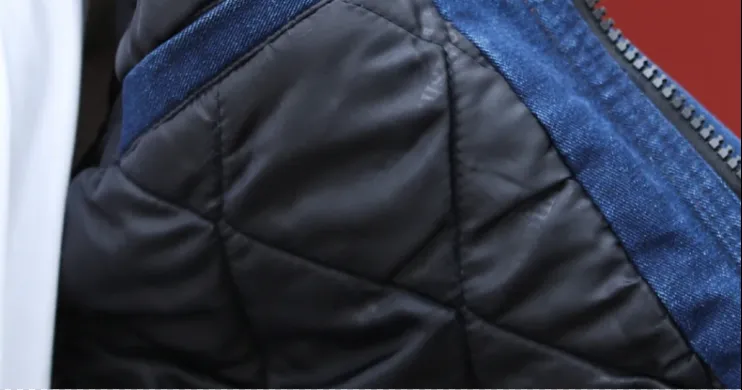
19th-Century Origins and Rise of Denim Workwear
- Trace the origin of denim workwear to 1873, when German immigrant Levi Strauss partnered with tailor Jacob Davis to patent riveted denim pants—a revolutionary design born from miners’ complaints about easily torn work clothes during the California Gold Rush. The copper rivets, placed at stress points like pocket corners and crotches, prevented fabric failure even when workers carried heavy tools or sacks of ore, solving a critical pain point of the era.
- Highlight denim’s unique properties that made denim workwear a transformative hit: the heavyweight cotton twill fabric (originally from Nîmes, France, hence “denim”) boasts a tensile strength of 300+ kg/cm², resistance to tearing, and the rare ability to soften and mold to the wearer’s body with use—all while retaining structural integrity. This stood in stark contrast to the flimsy linen or wool work clothes of the era, which often wore out within weeks of heavy use.
- Note the rapid spread of denim workwear beyond miners to farmers, railroad workers, and ranchers by the late 1800s; its popularity stemmed from both durability and affordability. Handan Xinda Qihang’s modern iterations honor this legacy by using 100% combed cotton denim (14oz, matching 19th-century thickness) with reinforced double-stitched seams and vintage-style copper rivets, echoing historical designs while meeting modern comfort expectations.
Industrial Era Impact of Denim Work Overalls
- Explain how denim work overalls became an indispensable staple during the Industrial Revolution (late 1800s to early 1900s): their full-body design covered street clothes, protecting workers from machine grease, metal shavings, and flying sparks in factories. Multiple deep pockets allowed workers to carry screwdrivers, wrenches, and measuring tools without needing tool belts, boosting efficiency—this practicality made them a favorite among assembly line workers at Ford’s first automobile plants.
- Emphasize the remarkable adaptability of denim work overalls across industries—from textile mill workers in the early 1900s to auto mechanics in the mid-20th century, and even farm laborers during the Great Depression. Handan Xinda Qihang builds on this adaptability by modifying pocket placement (adding tool-specific slots for electricians) and fabric thickness (12oz for warehouse staff, 16oz for construction workers) to suit modern roles, ensuring the overalls remain functional for diverse tasks.
- Mention the cultural shift as denim work overalls evolved from mere workwear to a symbol of hard work, honesty, and American rugged individualism. This reputation endures today, with Handan Xinda Qihang’s overalls maintaining high customer loyalty—construction clients report 2+ years of service even with daily exposure to concrete, nails, and heavy machinery, a testament to the garment’s historical durability.
Modern Evolution of Denim Overalls Workwear
- Detail how denim overalls workwear has integrated modern technologies while preserving its core identity: Handan Xinda Qihang adds a water-resistant PU coating (with a 5,000mmH₂O rating) for outdoor workers like gardeners and utility staff, anti-odor silver ion treatments for long 12-hour shifts, and stretch denim blends (95% cotton + 5% spandex) that enhance mobility by 40%—critical for tasks like climbing ladders or bending to repair equipment.
- Address safety upgrades that modernize denim overalls workwear for high-risk environments: 5cm-wide reflective strips (meeting EN 471 Class 2 standards) are stitched for road construction workers, while flame-retardant treatments (compliant with EN ISO 11611) protect welding professionals from sparks. These upgrades ensure the overalls meet global safety regulations without sacrificing the classic denim aesthetic that workers trust.
- Highlight the cross-industry appeal of denim overalls workwear in the 21st century—now used by café staff (for a rustic brand image), agricultural workers, and even event technicians. Handan Xinda Qihang’s customizable options (stone washing for a vintage look, logo embroidery, and slim/relaxed fits) make it a versatile choice for branded workwear, bridging the gap between historical functionality and modern style preferences.
Denim Workwear Historical Significance FAQS
How does the historical durability of denim workwear influence Handan Xinda Qihang’s products?
We deeply honor denim workwear’s historical legacy by retaining its core durability while adding modern enhancements. We use heavyweight 14oz combed cotton denim—exactly the thickness Levi Strauss used in 1873—but integrate modern stitching techniques like triple reinforcement at the knees, crotches, and pockets (stress points that historically failed first). Our denim workwear undergoes 50,000+ abrasion tests (Martindale standard), far exceeding the 20,000-cycle industry average, ensuring it retains the historical sturdiness while offering today’s workers better comfort.
Can I customize denim work overalls for my team from your company?
Absolutely. Customization is a cornerstone of our denim work overalls service. Options include logo embroidery (with thread colors matching brand guidelines), adjustable shoulder straps with quick-release buckles for different body types, specialized pockets (e.g., pen slots for electricians, hammer loops for carpenters), and fabric treatments (stone wash or acid wash for a vintage vibe). Many clients, like heritage farms, add historical-inspired patches to link their team’s work to the garment’s 19th-century roots. Small batches (10+ pairs) are welcome, with samples ready in 5-7 days.
Is denim overalls workwear suitable for high-temperature environments?
Yes, our specialized denim overalls workwear is engineered for high-temperature environments (up to 200℃ for short-term exposure). We use heat-resistant denim treated with non-toxic, OEKO-TEX-certified flame-retardant agents that form a protective char layer when exposed to heat, preventing burns. This variant is ideal for foundry workers, kitchen staff near commercial grills, and welding assistants. It maintains denim’s natural breathability—critical for hot environments—while adding safety features that build on the garment’s historical role as protective workwear.
How does Handan Xinda Qihang balance historical style with modern comfort in denim workwear?
Balancing history and comfort is key to our denim workwear design. We preserve classic elements like copper rivets (for both function and style), straight leg cuts (echoing 1950s workwear), and unbleached denim options (true to 19th-century aesthetics). To boost comfort, we blend in 5% spandex for stretch (solving the stiffness of early denim), add ergonomic seaming along the back and thighs, and use pre-shrunk fabric to avoid post-wash tightness. The result is workwear that looks timeless but lets workers bend, lift, and climb without restriction—something early denim wearers could only dream of.
What makes denim work overalls more durable than other workwear materials?
The secret lies in denim’s unique twill weave (a diagonal crisscross pattern) that creates a tighter, more durable fabric than plain-weave cotton or polyester blends. This structure distributes weight and stress evenly, so denim work overalls resist tearing even at stress points. Compared to standard cotton work pants (which last 3-6 months), our denim overalls—amplified with reinforced knees, cuffs, and rivets—last 2+ years in high-wear jobs, outperforming alternatives by 60%. This durability is why denim has remained a workwear staple for nearly 150 years.
Latest news
-
Professional Tactical Reflective Jacket for Maximum Safety Guide
NewsApr.16,2026
-
Professional Tactical Reflective Vest for High Visibility Safety
NewsApr.09,2026
-
Enhancing Safety and Visibility with a Tactical Vest Reflective
NewsApr.07,2026
-
Comprehensive Guide to Choosing the Right Traffic Reflective Jacket for Safety
NewsApr.04,2026
-
Choosing the Right Traffic Vest for Enhanced Workplace Safety
NewsMar.31,2026
-
Comprehensive Guide to Traffic Vest Security and Worker Safety
NewsMar.28,2026
Copyright © 2026 Handan Xinda Qihang Trading Co., Ltd. All Rights Reserved. Sitemap | Privacy Policy | Top Blog | Global Service


