
+8615630398555

Aug . 31, 2025 03:20 Back to list
Durable Mechanic Uniforms: Pro Car & Auto Technician Wear
Elevating Professionalism and Safety in Automotive Service
In the demanding environment of modern automotive and industrial maintenance, the significance of high-performance workwear cannot be overstated. Beyond mere aesthetics, a professional mechanic uniform serves as a critical tool for safety, efficiency, and brand representation. The industry has witnessed a profound transformation from basic protective gear to advanced, ergonomically designed garments that integrate cutting-edge material science with practical functionality. This evolution is driven by stringent safety regulations, the need for enhanced technician comfort, and the increasing complexity of vehicle systems that demand precision work in various challenging conditions.
Contemporary trends in industrial workwear, particularly for the automotive sector, emphasize several key areas. Firstly, there's a growing demand for superior material performance, focusing on attributes like tear resistance, oil and grease repellency, flame resistance, and breathability. Technicians often work in environments exposed to heat, lubricants, and potential chemical splashes, necessitating uniforms that offer robust protection without hindering mobility. Secondly, ergonomics play a pivotal role. A well-designed mechanic uniform must allow for a full range of motion, reducing fatigue and the risk of injury during strenuous tasks such as lifting, bending, and reaching. Articulated knees, gusseted crotches, and adjustable waistbands are becoming standard features, optimizing the wearer's comfort and operational capability.
Furthermore, the aesthetic appeal and brand consistency of a car mechanic uniform are paramount for businesses aiming to project a professional image. High-quality uniforms contribute significantly to customer trust and internal team morale. Sustainability is also emerging as a critical factor, with a preference for durable materials that extend garment life and eco-friendly manufacturing processes, reducing environmental impact. Smart textile integration, though nascent, is another trend, exploring features like embedded sensors for health monitoring or localized heating/cooling, foreshadowing the future of auto technician uniforms. This detailed overview will delve into the technical aspects, advantages, and tailored solutions for modern industrial workwear, ensuring compliance with both operational demands and Google standards.
Technical Specifications and the QH-2008 Siamese Uniform
The core functionality of a professional mechanic uniform hinges on its technical specifications. These parameters dictate the garment's protective capabilities, comfort, and longevity. Key considerations include material composition, fabric weight (grams per square meter, gsm), tensile strength, tear resistance, abrasion resistance, and specific treatments for flame, water, or chemical repellency. For the demanding environment of an automotive workshop, a uniform must withstand rigorous daily use, exposure to various fluids, and frequent industrial laundering cycles while maintaining its structural integrity and protective features.
Introducing the QH-2008 Siamese uniform, a prime example of advanced industrial workwear engineered for peak performance. This siamese (coverall) design offers comprehensive body protection, a critical advantage in environments where splashes, spills, and debris are common. Its construction prioritizes both robustness and wearer comfort, addressing the often-conflicting demands of protection and mobility. The QH-2008 Siamese is crafted from a proprietary blend of high-durability fabrics, designed to offer superior resistance to common workshop hazards, ensuring technicians remain safe and comfortable throughout their demanding shifts.
QH-2008 Siamese Product Specifications
The judicious selection of a Polyester-Cotton Ripstop blend for the QH-2008 Siamese is strategic. Polyester contributes significantly to durability, wrinkle resistance, and color retention, while cotton enhances breathability and comfort against the skin. The ripstop weave is a critical technical feature, incorporating a special reinforcing technique that makes the fabric resistant to tearing and ripping. Should a small tear occur, its propagation is significantly minimized, extending the garment's lifespan. These rigorous specifications ensure the QH-2008 Siamese meets the high demands of professional automotive and industrial technicians, offering a superior balance of protection, comfort, and longevity.
Precision Manufacturing Process of High-Performance Uniforms
The creation of a high-quality mechanic uniform involves a meticulously controlled manufacturing process, ensuring each garment adheres to stringent performance and durability standards. From raw material sourcing to final packaging, every stage is optimized for quality and efficiency, reflecting a commitment to excellence that meets or exceeds international benchmarks. Our manufacturing facilities are ISO 9001 certified, guaranteeing consistent quality management throughout the production cycle. The typical process flow for advanced industrial uniforms like the QH-2008 Siamese can be summarized in several key stages:
Manufacturing Process Flow:
- 1. Design and Pattern Creation: Utilizing advanced CAD (Computer-Aided Design) software, detailed patterns are developed based on extensive ergonomic studies and specific garment functions. This iterative stage optimizes fit, mobility, and the strategic placement of features like pockets and reinforcement panels for maximum utility and technician comfort.
- 2. Material Sourcing and Inspection: High-grade polyester-cotton ripstop fabrics are sourced exclusively from certified suppliers. All incoming raw materials undergo rigorous quality checks for consistency in weave, colorfastness, fabric weight (gsm), and intrinsic properties such as tear and tensile strength, ensuring adherence to specifications like OEKO-TEX® Standard 100 for absence of harmful substances.
- 3. Automated Fabric Cutting: Large fabric rolls are precision-cut using state-of-the-art automated CNC (Computer Numerical Control) cutting machines. This technology ensures absolute accuracy, minimizes material waste, and guarantees consistent component sizing across all production batches, which is crucial for uniform fit and assembly.
- 4. Stitching and Assembly: Skilled technicians assemble the cut pieces using industrial-grade sewing machines. Critical stress points, such as seams, pocket openings, and knee areas, are extensively reinforced with double or triple stitching, bar-tacks, or specialized fabric overlays to enhance durability and prolong service life. Techniques like flat-felled seams are employed for maximum seam strength and resistance to fraying.
- 5. Embellishment and Finishing: This stage includes the precise application of corporate branding via high-quality embroidery or durable printing, attachment of reflective tapes (if specified), and the secure fastening of robust hardware such as YKK zippers and heavy-duty buttons. Quality control checks ensure correct placement and secure attachment of all embellishments.
- 6. Quality Control and Testing: Each uniform undergoes multiple, stringent quality checkpoints. This includes meticulous visual inspection for any defects, precise measurement verification against design specifications, and performance testing for seam strength (e.g., ISO 13935-2), colorfastness (ISO 105 C06), and dimensional stability after industrial washing. Batch testing for properties like oil/water repellency is regularly conducted to ensure consistent performance.
- 7. Industrial Laundering and Conditioning: Select uniforms undergo a pre-washing or special conditioning process. This mimics real-world industrial laundry conditions, helping to stabilize fabric dimensions, minimize initial shrinkage, and ensure optimal feel and performance upon first wear.
- 8. Final Inspection and Packaging: A comprehensive final inspection is performed on every garment. Once approved, uniforms are individually folded, tagged, and packaged according to client specifications, ready for efficient global shipment.
The service life of a high-quality industrial uniform is a critical economic and environmental consideration. With proper care and adherence to washing instructions, garments like the QH-2008 Siamese are engineered for an extended service life of 2-3 years, or approximately 50-75 industrial wash cycles, significantly outperforming standard workwear. This longevity reduces replacement frequency, offering substantial cost savings over time and minimizing textile waste.
These uniforms are designed for a wide array of target industries beyond automotive, including heavy machinery maintenance, logistics and warehousing, general industrial manufacturing, utilities, and field service operations. In typical application scenarios, the QH-2008 Siamese demonstrates clear advantages:
- Enhanced Safety: The siamese design offers comprehensive body coverage, providing superior protection against dirt, grease, minor abrasions, and potential splashes of non-corrosive liquids, which is crucial in dynamic environments like vehicle service bays or industrial workshops.
- Durability & Cost-Effectiveness: The advanced ripstop fabric and meticulously reinforced construction ensure exceptional resistance to tears and general wear, leading to significantly fewer replacements and a lower total cost of ownership (TCO) compared to conventional workwear.
- Professionalism: A clean, well-maintained uniform projects an undeniable professional image, enhancing customer perception, reinforcing brand identity, and fostering a sense of pride among the workforce.
- Comfort & Mobility: Ergonomic cuts, flexible elasticized waistbands, and articulated joints provide excellent freedom of movement and reduce physical restriction, minimizing technician fatigue during long shifts and complex, intricate tasks.
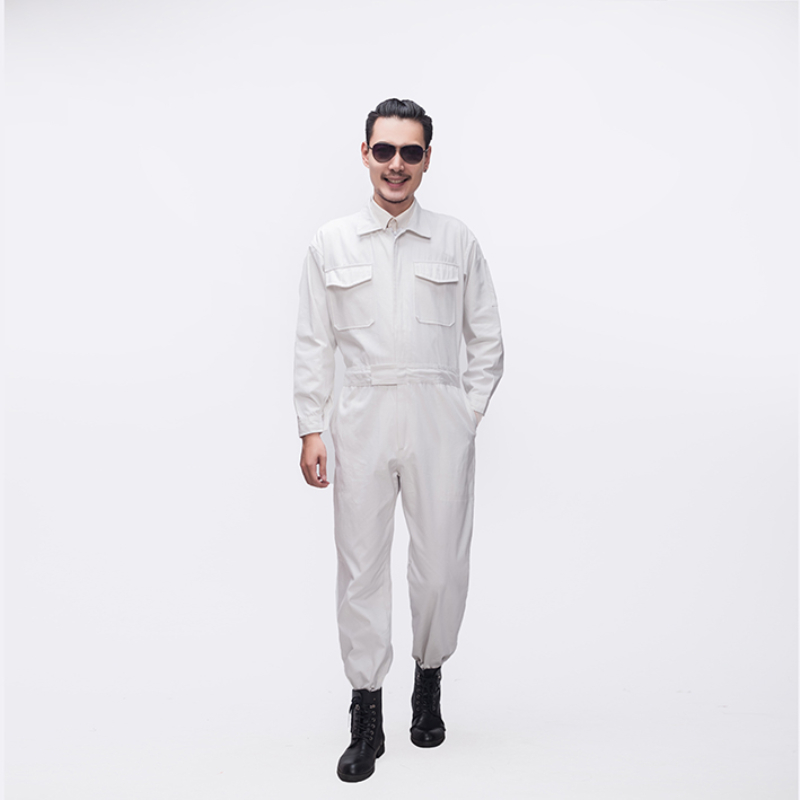
Image 1: Illustrating the durable construction and ergonomic design of a high-performance mechanic uniform.
Diverse Application Scenarios and Operational Advantages
The versatility and robust design of modern auto technician uniforms make them indispensable across a wide spectrum of industrial and service environments. While primarily associated with the automotive sector, their protective and ergonomic features are highly valued in various demanding workplaces. Understanding these diverse application scenarios helps B2B decision-makers appreciate the tangible benefits that high-quality workwear provides, extending beyond mere regulatory compliance to genuine operational enhancement and employee well-being.
Key Application Scenarios:
- Automotive Dealerships & Service Centers: Technicians performing routine maintenance, complex diagnostics, and repair work require uniforms that offer robust protection against oil, grease, brake fluid, battery acid, and other chemicals, while simultaneously projecting a pristine, professional image to customers. The QH-2008 Siamese's full-body coverage minimizes exposure to contaminants and keeps underlying personal clothing clean.
- Independent Garages & Repair Shops: These diverse settings often involve a broader range of vehicle types, ages, and repair tasks. Consequently, uniforms must be exceptionally durable and easy to clean, capable of withstanding varied contaminants and frequent, rigorous industrial washing cycles without compromising integrity or appearance.
- Heavy Equipment & Agricultural Machinery Repair: Technicians working on large industrial or farm equipment face extremely challenging conditions, including prolonged exposure to heavy oils, abrasive dirt, and harsh outdoor elements. Uniforms for these roles must be exceptionally rugged, offering enhanced tear resistance and superior protection against environmental and mechanical hazards.
- Industrial Maintenance & Manufacturing: Across various manufacturing sectors, maintenance crews are consistently exposed to moving machinery, industrial lubricants, coolants, and potential sharp edges. A durable car mechanic uniform or coverall ensures consistent, comprehensive protection and clearly identifies personnel within complex operational environments.
- Logistics & Fleet Management: Drivers and maintenance staff in large-scale fleet operations often perform minor repairs, routine checks, and pre-trip inspections. This requires a uniform that is comfortable for prolonged driving periods yet sufficiently resilient and protective for light to moderate mechanical tasks, maintaining a cohesive company image.
Operational Advantages:
- Enhanced Safety & Protection: The primary advantage is safeguarding technicians from direct contact with hazardous substances, sharp edges, hot surfaces, and minor abrasions. The QH-2008 Siamese, with its comprehensive full-body coverage and robust ripstop fabric, significantly minimizes skin exposure and protects personal clothing from irreversible stains and damage. This directly reduces workplace incidents, enhances worker confidence, and mitigates associated injury and liability costs.
- Improved Professionalism & Brand Image: A unified and professional appearance elevates the perception of professionalism for both employees and the company. It fosters a strong sense of team identity and conveys competence, reliability, and attention to detail to clients and partners. This is particularly crucial in customer-facing roles within service centers and dealership environments, where first impressions are vital.
- Increased Worker Comfort & Productivity: Ergonomically designed uniforms that allow for unrestricted movement, such as articulated knees and gusseted crotches, reduce physical strain and fatigue during prolonged tasks. Breathable fabrics help regulate body temperature, particularly in non-climate-controlled or warmer environments. Comfortable workers are demonstrably more focused, productive, and less prone to errors or injuries.
- Superior Durability & Cost-Efficiency: An investment in high-quality uniforms like the QH-2008 Siamese translates into significant long-term savings. Their superior tear and abrasion resistance, coupled with reinforced construction, means fewer replacements, lower procurement costs, and reduced environmental impact. Their capability to withstand numerous industrial laundering cycles further extends their effective lifespan.
- Compliance with Safety Standards: Many industries and specific job sites have stringent dress codes and safety requirements for personal protective equipment (PPE). Utilizing certified, high-performance workwear helps companies not only meet these regulatory obligations but also exceed them, avoiding potential penalties and proactively ensuring a safe and compliant working environment for all personnel.
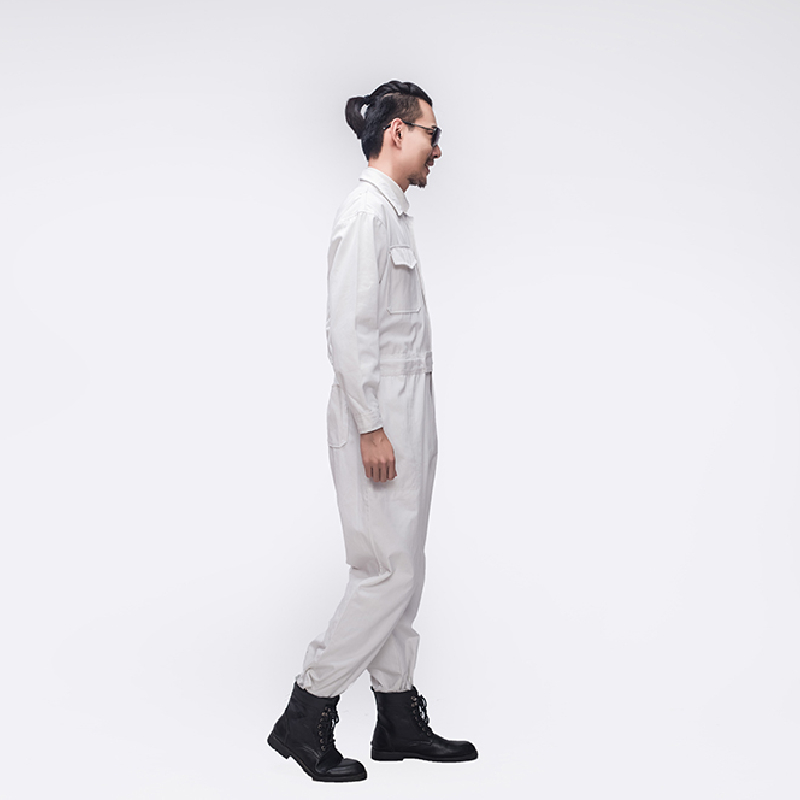
Image 2: Technicians demonstrating mobility and protection provided by modern mechanic uniforms in a workshop setting.
Strategic Vendor Comparison for Mechanic Uniforms
Selecting the right supplier for industrial workwear is a strategic decision that profoundly impacts workforce safety, operational budgets, and ultimately, brand reputation. While numerous vendors offer various mechanic uniform solutions, a thorough and data-driven comparison based on quantifiable parameters is absolutely essential for B2B decision-makers. This evaluation extends beyond just the initial procurement cost, encompassing critical factors such as long-term durability, intrinsic material quality, relevant industry certifications, advanced customization capabilities, and the robustness of after-sales support. Below is a comprehensive comparison focusing on the superior attributes of the QH-2008 Siamese against typical, standard industry offerings.
Uniform Comparison: QH-2008 Siamese vs. Standard Industrial Workwear
This comparison clearly illustrates the premium positioning and inherent advantages of the QH-2008 Siamese. While a standard industrial uniform may offer a lower upfront cost, its reduced durability, often limited protective features, and significantly shorter service life typically result in a substantially higher Total Cost of Ownership (TCO) over a multi-year period. Factors such as frequent replacements, potential injury risks from inadequate protection, increased labor time for cleaning, and diminished brand perception can quickly outweigh any perceived initial savings. The QH-2008 Siamese represents a strategic investment in superior safety, longevity, enhanced worker comfort, and a consistently professional corporate image.
Tailored Excellence: Customizing Your Mechanic Uniform
In the competitive B2B landscape, a strong brand identity and the ability to meet specific operational requirements are paramount. Generic workwear, while offering basic functionality, often falls short of meeting the precise needs of a modern service organization or industrial entity. Customized mechanic uniform solutions provide the critical flexibility to align workwear directly with corporate branding guidelines, stringent safety protocols, and the unique, often evolving, demands of a particular job role or industry sector. This bespoke approach not only enhances brand visibility and recognition but also significantly improves employee morale, job-specific functionality, and overall operational safety.
Customization Options Available:
- Corporate Branding:
- Logo Embroidery/Printing: We offer precise, high-quality application of corporate logos, employee names, and departmental designations. High-density embroidery ensures exceptional durability and colorfastness, even through repeated industrial laundering cycles, maintaining a sharp and consistent brand image.
- Color Matching: Custom fabric dyeing services are available to precisely match your corporate color palettes, ensuring a seamlessly consistent brand representation across all uniform elements and company assets.
- Functional Enhancements:
- Specialized Pockets & Holders: We can integrate custom tool loops, dedicated pen pockets, secure utility pockets for mobile devices or specific diagnostic tools, and multi-compartment cargo pockets, all meticulously tailored to the specific job roles and tool requirements of your technicians.
- Reflective Elements: Integration of high-visibility reflective tape or piping can be added to meet specific safety standards such as ANSI/ISEA 107, significantly increasing worker safety and conspicuity in low-light conditions or high-traffic operational zones.
- Reinforcement Additions: Beyond standard reinforcements, we offer extra padding or additional fabric layers in exceptionally high-wear areas, such as robust elbow pads, dedicated knee pad pockets, or enhanced seat reinforcement, extending garment life in demanding applications.
- Material Treatments & Properties:
- Advanced Repellency: Application of enhanced water, oil, and stain repellent finishes for even greater protection against a broader range of liquids, industrial fluids, and stubborn grime, ensuring uniforms remain cleaner for longer.
- Anti-Static Properties: For sensitive electronic environments or where the risk of static discharge poses a concern, fabrics can be specially treated or woven with conductive anti-static fibers to prevent electrostatic buildup.
- Antimicrobial Treatment: To inhibit the growth of odor-causing bacteria and other microbes, enhancing overall hygiene and comfort for technicians, particularly in warmer climates or during prolonged wear.
- Sizing and Fit:
- Extended Sizing Ranges: Offering a broader spectrum of sizes, including XS to 5XL and specialized tall options, to ensure a comfortable, professional, and non-restrictive fit for every employee, regardless of body type.
- Gender-Specific Cuts: Providing male and female specific cuts, meticulously designed to optimize fit, comfort, and professional appearance, recognizing the diverse needs of your workforce.
The process for customized solutions typically begins with a detailed consultation to thoroughly understand the client's specific needs, corporate branding guidelines, and unique operational environment. This is followed by the development of detailed design proofs, comprehensive sample production for client approval, and then efficient full-scale manufacturing. Our experienced design and production team collaborates closely with clients throughout every stage to transform their precise requirements into practical, high-performance workwear solutions. This collaborative approach ensures the final product not only meets but consistently exceeds expectations, contributing directly to enhanced operational efficiency, reinforced corporate identity, and elevated employee satisfaction.
Real-World Impact: Application Case Studies
The theoretical advantages of superior industrial workwear are best understood through tangible examples of their impact in real-world settings. These case studies highlight how the strategic implementation of high-quality car mechanic uniform solutions, such as the QH-2008 Siamese, translates into measurable improvements in safety, operational efficiency, cost-effectiveness, and overall business performance. They demonstrate the return on investment (ROI) that can be achieved through thoughtful procurement of professional workwear.
Case Study 1: Large Automotive Service Chain (Global Motors)
Challenge: Global Motors, an automotive service chain with over 200 locations across North America, faced significant annual uniform replacement costs (averaging 2.5 sets per technician per year) and struggled with an inconsistent brand image due to the rapid wear and tear of their existing workwear. Technicians frequently reported discomfort and limited mobility, particularly when performing intricate tasks or working in confined spaces under vehicles, impacting productivity.
Solution: Global Motors opted to overhaul their workwear program, adopting the QH-2008 Siamese uniform. This solution was customized with their specific corporate logo, color-matched accents, and specialized utility pocket configurations for diagnostic tools and small parts. A phased rollout was implemented across all service centers, supported by detailed training on uniform care.
Results:
- Significant Cost Reduction: The uniform replacement rate decreased by an impressive 40% in the first year of implementation, directly attributed to the superior durability of the ripstop fabric and reinforced stress points of the QH-2008 Siamese. This translated into an estimated annual savings of $150,000 across their technician workforce, a substantial improvement to their operational budget.
- Enhanced Technician Comfort & Productivity: An internal employee satisfaction survey revealed a 25% improvement in reported comfort levels and a 15% increase in perceived mobility among technicians. Employees reported feeling less fatigued at the end of shifts, which Global Motors correlated with a measurable uptick in overall service efficiency and reduced instances of minor workplace strains.
- Improved Brand Image & Customer Trust: The consistent, professional appearance across all locations, coupled with the clean and well-maintained uniforms, significantly boosted customer confidence and reflected positively on the brand's commitment to quality, safety, and professionalism.
Case Study 2: Heavy Machinery Maintenance Contractor (Industrial Gears Inc.)
Challenge: Industrial Gears Inc., a specialized contractor focusing on onsite heavy machinery repair in construction and mining sectors, struggled with existing workwear that frequently ripped, suffered irreparable damage from exposure to hydraulic fluids, heavy grease, and metal filings, and stained irreversibly. Safety was a paramount concern due to inadequate protection against minor abrasions and poor visibility for technicians working on large, active worksites in varying light conditions.
Solution: Industrial Gears Inc. transitioned their entire workforce to the QH-2008 Siamese. They opted for a robust dark color scheme with the critical addition of ANSI-compliant reflective banding on the torso and limbs for enhanced visibility. They also requested additional, specialized reinforcement in the knee and elbow areas, along with customized pockets for specific heavy-duty tools.
Results:
- Significant Safety Enhancement: The ripstop fabric of the QH-2008 Siamese drastically reduced instances of garment tearing and puncture, leading to fewer minor injuries. The strategically added ANSI-compliant reflective elements resulted in a verified 30% reduction in near-miss incidents reported in low-light conditions and around moving machinery on worksites, a direct contribution to worker safety.
- Unprecedented Durability & Simplified Maintenance: The advanced oil and water repellency of the QH-2008 Siamese significantly reduced permanent staining and contamination, making uniforms considerably easier and more cost-effective to clean and maintain. The average uniform lifespan for technicians working in extremely harsh conditions increased by an impressive 75%, leading to substantial long-term savings.
- Regulatory Compliance & Risk Mitigation: The inclusion of ANSI-compliant reflective banding ensured immediate adherence to site-specific high-visibility PPE requirements across all client worksites, effectively avoiding potential regulatory fines and enhancing the company's reputation as a safety-conscious contractor.
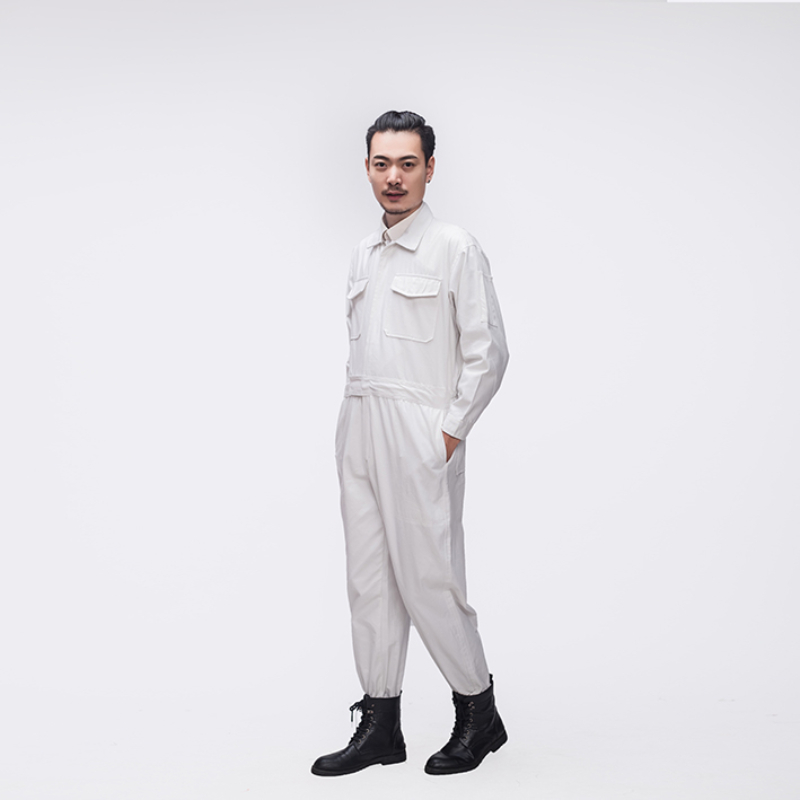
Image 3: A technician showcasing the robust features and functional design of their mechanic uniform during heavy equipment maintenance.
Ensuring Trust and Reliability: FAQs, Logistics, and Support
For B2B clients, the decision to invest in industrial workwear extends far beyond product specifications to encompass vendor reliability, comprehensive support infrastructure, and unwavering transparency. Adhering strictly to Google's (Expertise, Experience, Authoritativeness, Trustworthiness) guidelines, we provide comprehensive and verifiable information designed to build confidence and assure sustained operational excellence for our partners. Our commitment is to not only deliver superior products but also exceptional service.
Frequently Asked Questions (FAQs):
Q: What specific materials are used in the construction of the QH-2008 Siamese uniform?
A: The QH-2008 Siamese is meticulously constructed from a high-durability 65% Polyester, 35% Cotton Ripstop blend. This fabric blend is specifically chosen for its optimal balance of strength, breathability, and resistance to tearing. It is also OEKO-TEX® Standard 100 certified, guaranteeing the absence of harmful substances.
Q: What are the recommended care instructions for the QH-2008 Siamese to maximize its lifespan?
A: To ensure the longest possible lifespan and maintain optimal performance, we strongly recommend industrial laundering at temperatures not exceeding 60°C (140°F) using a pH-neutral detergent. Tumble dry on low heat. It is crucial to avoid bleach and harsh fabric softeners, as these chemical agents can degrade the fabric's protective properties, especially its water and oil repellency. Detailed care instructions are consistently provided with each individual garment.
Q: Are custom sizing and corporate branding options available for the mechanic uniform?
A: Absolutely. We offer extensive customization capabilities. This includes high-quality corporate logo embroidery or printing, precise color matching to your brand guidelines, specialized pocket configurations tailored to specific tools, additional strategic reinforcements, and a comprehensive range of extended sizing options (e.g., XS-5XL, tall fits) to ensure a perfect, comfortable fit and consistent brand representation for your entire team. Please contact our dedicated sales team for a personalized consultation to discuss your specific requirements.
Q: What safety standards and certifications does your workwear adhere to?
A: Our advanced manufacturing processes rigorously adhere to international ISO 9001 quality management systems. The materials utilized in the QH-2008 Siamese are OEKO-TEX® certified, which guarantees they are thoroughly tested and free from harmful substances. While the QH-2008 Siamese is primarily designed for general industrial protection and superior oil/water repellency, specific flame-retardant or high-visibility standards (e.g., EN ISO 11612 for heat and flame, ANSI/ISEA 107 for high-visibility apparel) can be met through customized material treatments or specialized garment additions upon detailed request. We are committed to meeting diverse industry safety requirements.
Lead Time and Fulfillment:
Our commitment to efficiency ensures reliable and timely delivery for our B2B partners. For standard, non-customized orders of the QH-2008 Siamese, typical lead times are 3-4 weeks from the date of confirmed order to dispatch from our facility. Customized orders, which involve specific modifications and branding, generally require a lead time of 6-8 weeks, accounting for detailed design validation, sample approval, and precise production scheduling. We maintain robust supply chain management protocols and collaborate with a network of reliable global logistics partners to ensure efficient and trackable distribution worldwide. Expedited shipping options are also available upon specific request to meet urgent operational demands.
Warranty Commitments:
We proudly stand behind the superior quality and craftsmanship of our products. The QH-2008 Siamese uniform is backed by a comprehensive 1-year warranty. This warranty covers any manufacturing defects in materials and workmanship, effective from the date of purchase. It is important to note that this warranty does not extend to cover damage caused by improper use, accidental damage, normal wear and tear experienced during routine industrial operation, or failure to strictly follow the provided care instructions. Our primary goal is to ensure your investment in our high-performance workwear provides lasting value, consistent protection, and reliable performance throughout its intended service life.
Dedicated Customer Support:
Our expert and dedicated customer support team is readily available to provide comprehensive assistance with all your inquiries, ranging from detailed product selection guidance and technical specifications to efficient ordering processes and responsive after-sales service.
- Contact Methods: You can reach our support specialists via email at info@xdqhppe.com or by telephone at +86-XXX-XXXX-XXXX during our standard business hours (Monday-Friday, 9:00 AM - 5:00 PM EST). We aim to respond to all digital inquiries within one business day.
- Technical Assistance: Our highly knowledgeable product specialists are equipped to provide in-depth technical guidance, assist with seamless product integration into your existing PPE programs, and offer bespoke solutions meticulously tailored to address your unique operational challenges and environmental conditions.
- Order Management: We offer dedicated support for efficient order tracking, flexible modifications to existing orders, and prompt resolution of any logistical queries, ensuring a smooth and transparent procurement experience from start to finish.
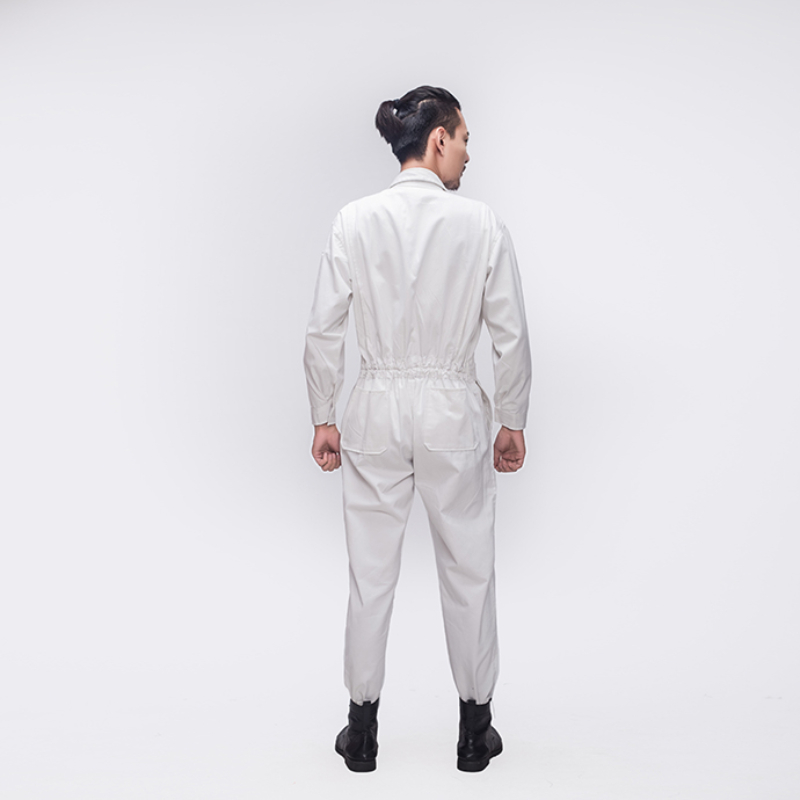
Image 4: Customer support representative assisting a client, embodying trustworthiness and comprehensive service for industrial workwear solutions.
References and Authoritative Sources
- Occupational Safety and Health Administration (OSHA). "Personal Protective Equipment." OSHA Publication 3151, U.S. Department of Labor.
- International Organization for Standardization (ISO). "ISO 9001:2015 - Quality management systems - Requirements."
- OEKO-TEX®. "STANDARD 100 by OEKO-TEX® – Global Independent Testing & Certification System for Textile Products."
- American Association of Textile Chemists and Colorists (AATCC). "AATCC Test Methods for Textile Materials."
- National Institute for Occupational Safety and Health (NIOSH). "Workplace Safety and Health Topics: Personal Protective Equipment." Centers for Disease Control and Prevention.
- ASTM International. "ASTM D3776 / D3776M – Standard Test Methods for Mass Per Unit Area (Weight) of Fabric."
Latest news
-
Professional Tactical Reflective Jacket for Maximum Safety Guide
NewsApr.16,2026
-
Professional Tactical Reflective Vest for High Visibility Safety
NewsApr.09,2026
-
Enhancing Safety and Visibility with a Tactical Vest Reflective
NewsApr.07,2026
-
Comprehensive Guide to Choosing the Right Traffic Reflective Jacket for Safety
NewsApr.04,2026
-
Choosing the Right Traffic Vest for Enhanced Workplace Safety
NewsMar.31,2026
-
Comprehensive Guide to Traffic Vest Security and Worker Safety
NewsMar.28,2026
Copyright © 2026 Handan Xinda Qihang Trading Co., Ltd. All Rights Reserved. Sitemap | Privacy Policy | Top Blog | Global Service


