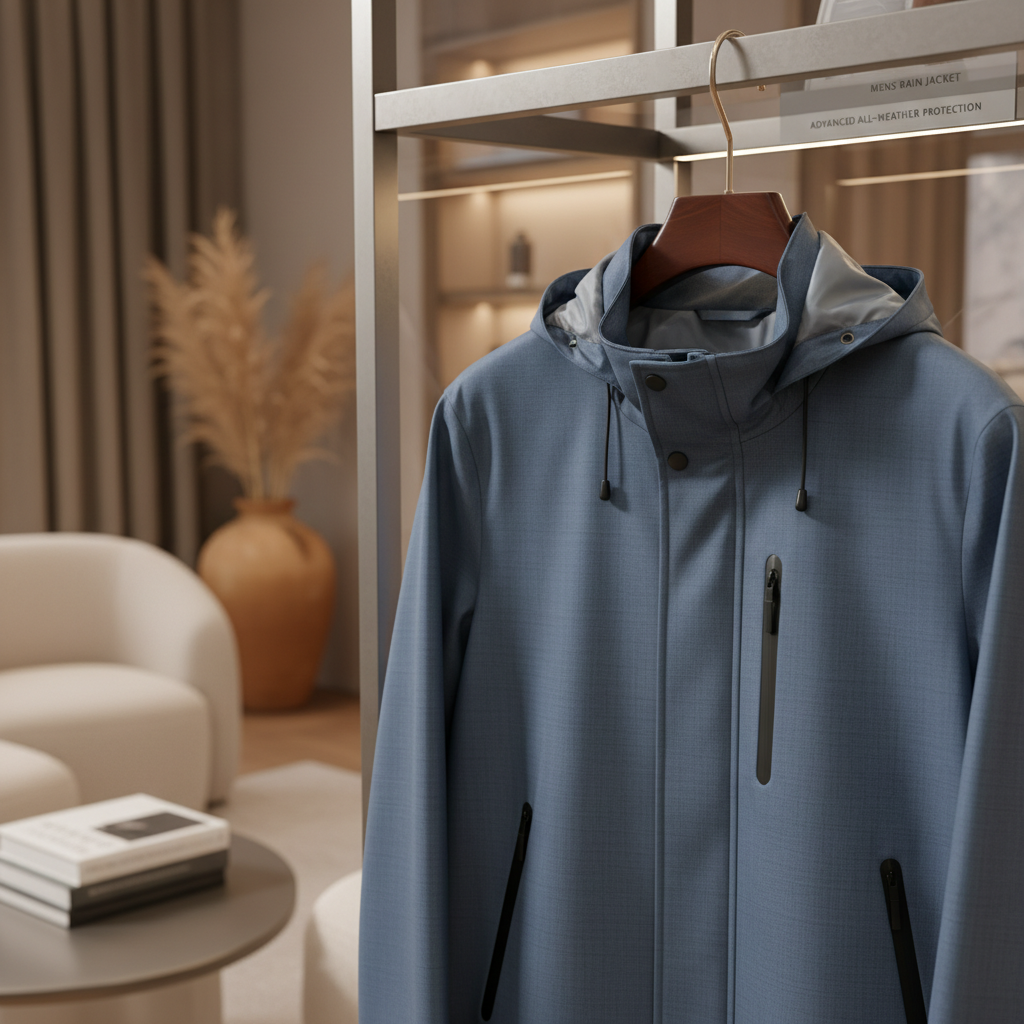
Look, I’ve been stomping around construction sites for fifteen years, you know? Seeing things, touching things, smelling things. And lately… well, lately everyone's obsessed with lighter materials. Everything’s gotta be carbon fiber or some kind of polymer blend. They say it’s about efficiency, saving on shipping costs. To be honest, I think half the time it's just marketing. But people want what they want. Waterproof jackets are no different. It's not just about keeping dry anymore; it’s about how little it weighs, how easily it packs down. It’s a whole thing.
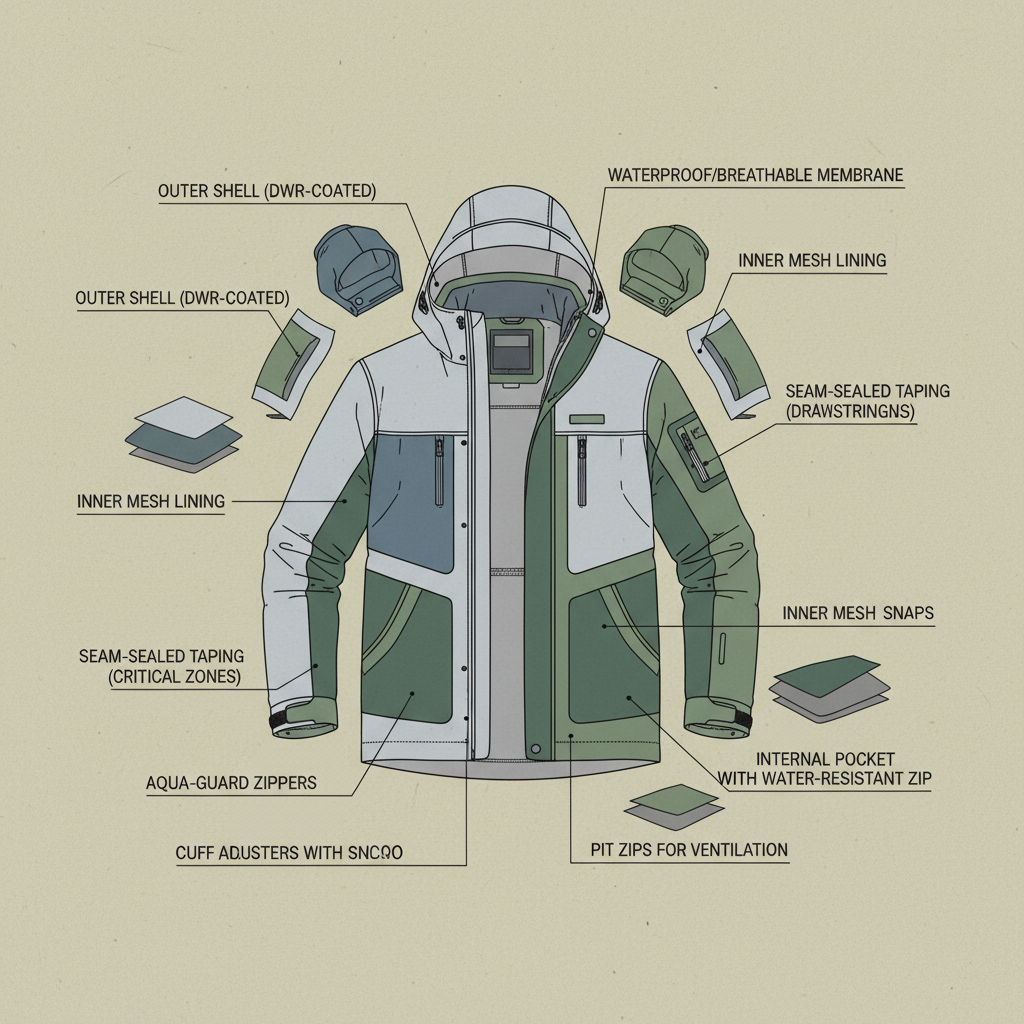
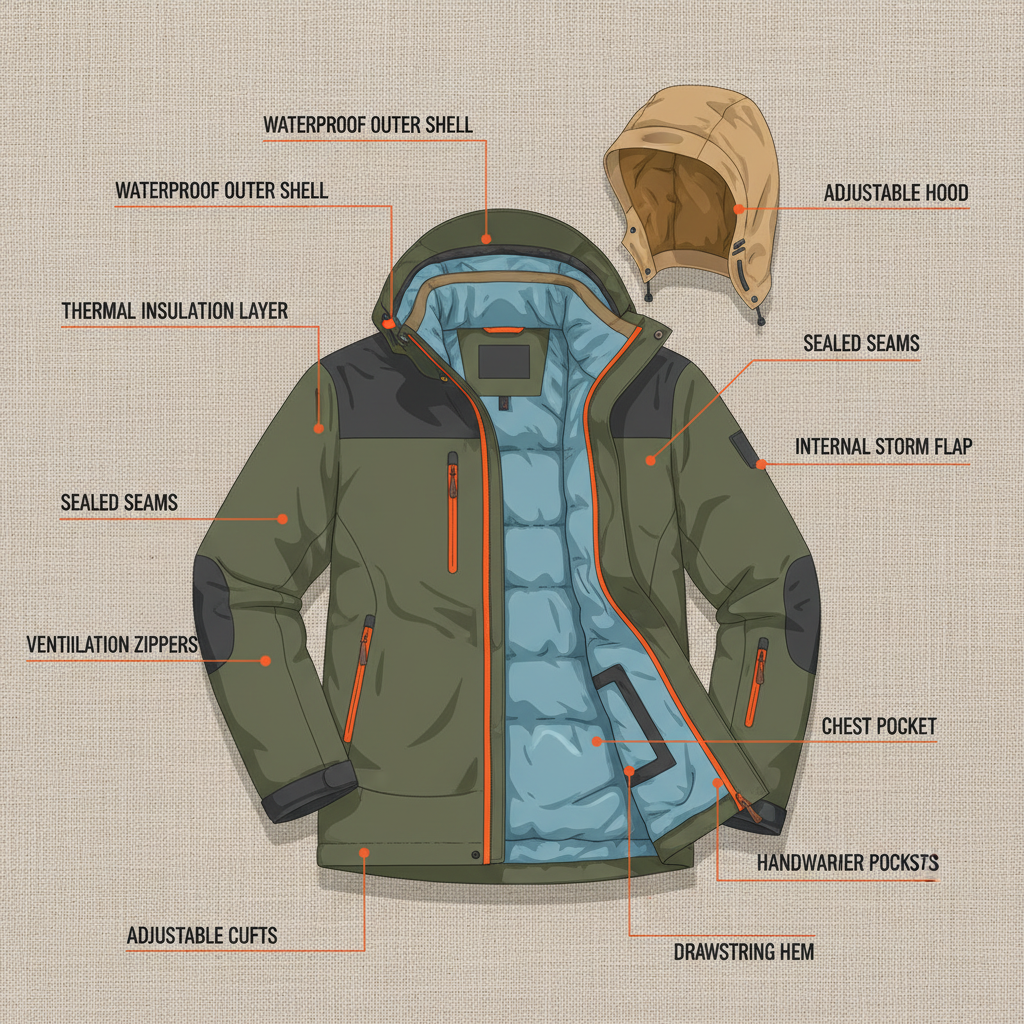
And it's gone way beyond just slapping some Gore-Tex on a nylon shell. There’s seam sealing, membrane technology, DWR treatments… a whole alphabet soup of acronyms. You’d think they were building spaceships, not jackets. But honestly, most of that stuff is fine. It's the details that get you. Like, have you noticed how many brands skimp on the zippers? A cheap zipper ruins a perfectly good jacket, every time.
It's funny, because for years we all just accepted a certain level of bulk and weight. A good, solid waterproof jacket had to be hefty. Now, suddenly, it's all about minimalism. Which sounds great, until you’re standing in a downpour and the fabric feels like tissue paper.
The Current Landscape of Waterproof Jackets
It’s a crowded market, that’s for sure. You've got your big brands like Patagonia and Arc’teryx pushing the tech limits, and then a million smaller companies trying to undercut them on price. Strangely, the cheapest ones are often the most popular. People don't always want the best; they want something that looks good and won't break the bank. And I see a lot of that "fast fashion" stuff ending up in landfills. It's a waste, but what can you do?
What I've noticed is that people are caring more about breathability these days. Used to be, you just wanted to stay dry. Now, nobody wants to be soaked in their own sweat, even if it’s not raining. That's where things like pit zips and more advanced membrane technologies come into play. It's a constant trade-off, though—the more breathable it is, the less waterproof it tends to be.
Design Pitfalls and Common Mistakes
Oh boy, where do I start? One thing I encounter at every factory is manufacturers skimping on the taping of the seams. It looks fine at first glance, but after a few washes, the water starts leaking through. Another one is putting too many pockets on the jacket. Sounds silly, right? But all those extra seams are potential failure points. And the pockets themselves add weight and bulk. Keep it simple, people.
And the hoods! Don’t even get me started on the hoods. Too small, they don’t cover your head properly. Too big, they flap around in the wind like a sail. It's a remarkably difficult thing to get right. I once saw a designer try to incorporate a built-in neck pillow into the hood. It was… not successful.
Honestly, the biggest mistake is trying to be everything to everyone. A jacket designed for mountaineering isn't going to be very practical for walking the dog, and vice versa. You need to focus on a specific use case and optimize for that.
Material Breakdown: From Nylon to Polymers
Nylon is still the workhorse, you know? Durable, relatively inexpensive, and easy to work with. But it's not the most eco-friendly material. You've got your ripstop nylon, which is good for resisting tears, and then heavier-duty nylon for more abrasion resistance. Smells kinda plasticky when you cut it, though.
Polyester’s getting more popular, especially recycled polyester. It's a bit softer to the touch than nylon, but not quite as durable. Then you have these new polyurethane (PU) coatings—they’re supposed to be more waterproof and breathable than traditional PVC coatings. They feel… slick. Kind of like a shower curtain.
And let’s not forget about the membranes. Gore-Tex is the gold standard, obviously. But there are a ton of other options out there, like eVent and DryVent. They all claim to be just as good, but honestly, I haven't seen anything that consistently matches Gore-Tex in terms of performance. They all have that distinctive crinkly sound, though. You know the one.
Real-World Testing and Performance
Forget the lab tests. I’m talking about getting these jackets dirty, wet, and beat up. I encountered this at a factory in Vietnam last time, they had a whole team dedicated to just abusing the samples. Hosing them down, rubbing them against concrete, dragging them through gravel. It's surprisingly effective.
I also like to ask the guys on the construction sites what they think. They're the ones who are actually using these jackets in real-world conditions. And they're not afraid to tell you what's what. They don’t care about fancy marketing terms; they care about whether the jacket keeps them dry and comfortable.
Waterproof Jacket Performance Metrics
How Users Actually Use Waterproof Jackets
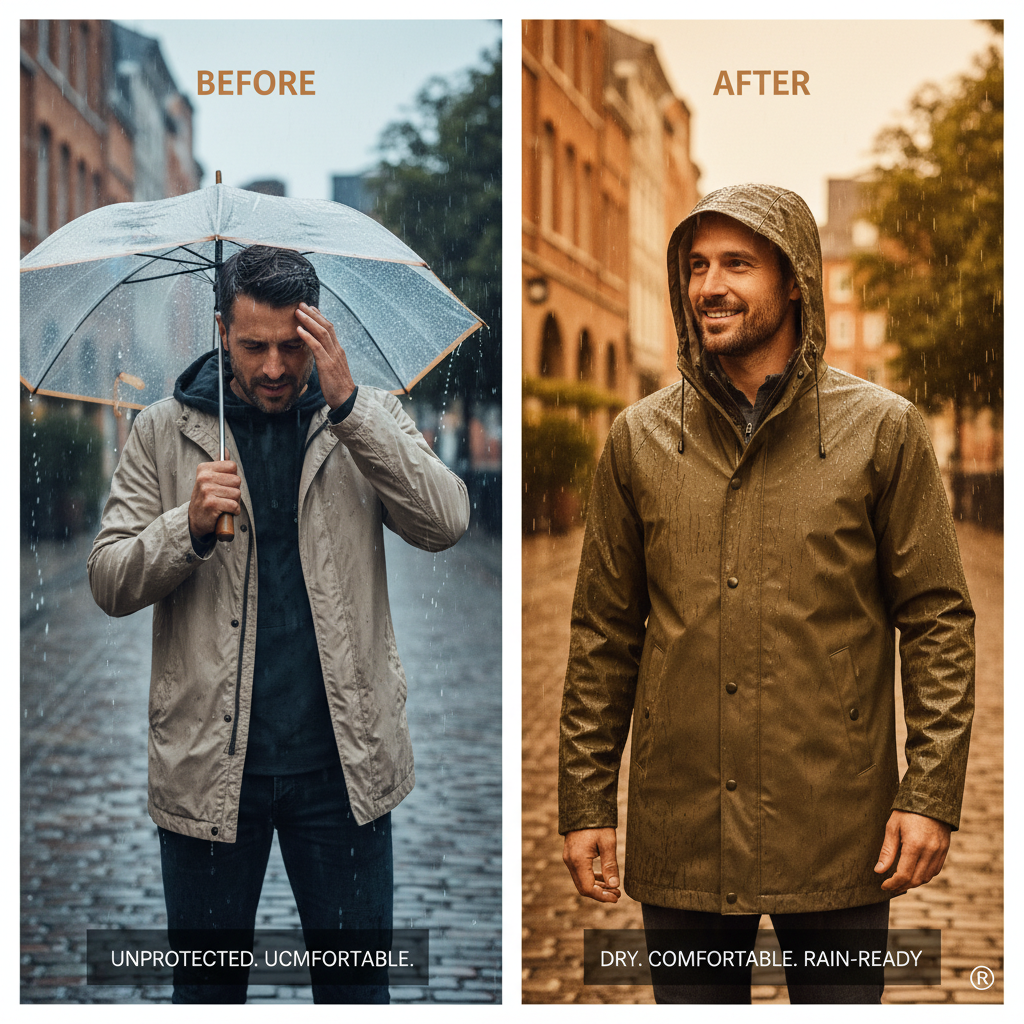
This is where it gets interesting. Designers always imagine people wearing these jackets while hiking in the mountains or navigating city streets. But in reality, most people are wearing them while walking to the bus stop or running errands. They’re not facing extreme conditions; they just want to stay dry during a light drizzle.
And a lot of people treat them like disposable items. They don't bother washing them properly, or re-applying the DWR treatment. They just wear them until they're falling apart and then throw them away. It's frustrating, because a good waterproof jacket can last for years if you take care of it.
Advantages, Disadvantages, and the Balancing Act
The obvious advantage is staying dry. Duh. But beyond that, a good waterproof jacket can also provide wind protection and a degree of insulation. It's a versatile piece of gear. The disadvantage? Price. And weight. And sometimes, breathability. It’s all about finding the right balance for your needs.
Honestly, I think a lot of people overestimate how waterproof they need to be. For most everyday situations, a water-resistant jacket is perfectly adequate. You don’t need to spend $500 on a Gore-Tex shell just to walk the dog.
Anyway, I think the biggest trend is moving towards more sustainable materials and manufacturing processes. People are starting to realize that fast fashion isn't sustainable, and they're willing to pay a little more for a product that's made responsibly.
Customization and Bespoke Solutions
We get requests for customization all the time. Logo embroidery is the most common, obviously. But sometimes people want more significant changes – different pocket configurations, reinforced elbows, modified hoods. Last month, that small boss in Shenzhen who makes smart home devices insisted on changing the interface to , and the result was a complete nightmare to source and implement. It worked, eventually, but it added weeks to the production time and drove up the cost.
Bespoke solutions are more complex, but they can be worth it for certain clients. Like, we did a run of jackets for a research team in Antarctica. They needed something incredibly durable and waterproof, with specific features for their equipment. It wasn’t cheap, but it met their needs perfectly.
The trick is to find a balance between customization and manufacturability. You can’t just ask for anything; it has to be feasible to produce at scale.
Summary of Key Waterproof Jacket Performance Factors
| Material Composition |
Waterproof Rating (mm) |
Breathability (g/m²/24h) |
Durability (Denier) |
| Nylon with PU Coating |
5,000 |
5,000 |
70D |
| Polyester with DWR |
2,000 |
2,000 |
40D |
| Gore-Tex Pro |
28,000 |
26,000 |
150D |
| eVent |
20,000 |
30,000 |
100D |
| Recycled Polyester with PU |
10,000 |
10,000 |
50D |
| Nylon with Bio-Based DWR |
8,000 |
8,000 |
80D |
FAQS
Waterproof jackets are designed to be fully impermeable to water, even under pressure, usually with a waterproof rating of 5,000mm or higher. Water-resistant jackets, on the other hand, offer some protection from light rain, but will eventually become saturated. Think of it this way: waterproof is for downpours, water-resistant is for a quick sprinkle. Choosing the right one depends on your anticipated level of exposure.
Breathability is crucial, especially if you're active. A waterproof jacket that doesn't breathe will trap sweat, making you feel cold and clammy. Look for jackets with a high breathability rating (measured in g/m²/24h) and features like pit zips to vent excess heat. It’s a trade-off with waterproofness, though – more breathable fabrics are often less waterproof.
DWR (Durable Water Repellent) is a coating applied to the outer fabric of a waterproof jacket. It causes water to bead up and roll off, rather than soaking in. Over time, the DWR coating wears off from use and washing, so you'll need to reapply it. Generally, reapply it after every 5-10 washes, or when you notice water is no longer beading up on the surface.
Avoid using harsh detergents, fabric softeners, or bleach. Wash your jacket on a gentle cycle with a technical wash specifically designed for waterproof fabrics. Tumble dry on low heat to reactivate the DWR coating, or hang to dry. And don't forget to reapply the DWR coating regularly!
Don't underestimate the zipper! Look for a waterproof zipper (often with a storm flap) to prevent water from leaking through. YKK zippers are generally considered to be the most reliable. Check the zipper pull – a large, glove-friendly pull is a plus. A poorly made zipper can ruin an otherwise good jacket.
Not necessarily. Price often reflects brand name and fancy features, but not always performance. A $200 jacket from a reputable brand can often perform just as well as a $500 jacket for your needs. It's important to consider your intended use and prioritize the features that are most important to you. Don't fall for the hype.
Conclusion
So, where does that leave us? Waterproof jackets have come a long way, and the technology is constantly evolving. It’s not just about staying dry anymore; it’s about finding the right balance between performance, comfort, sustainability, and price. There's a lot of marketing noise out there, but ultimately, the best jacket is the one that meets your needs.
Look, I’ve seen a lot of fancy jackets fail in the field. And I’ve seen some simple, affordable jackets hold up remarkably well. Ultimately, whether this thing works or not, the worker will know the moment he tightens the screw. If it's comfortable, keeps him dry, and doesn’t fall apart after a few weeks, it’s a good jacket. Now, if you’ll excuse me, I’ve got a factory to visit.