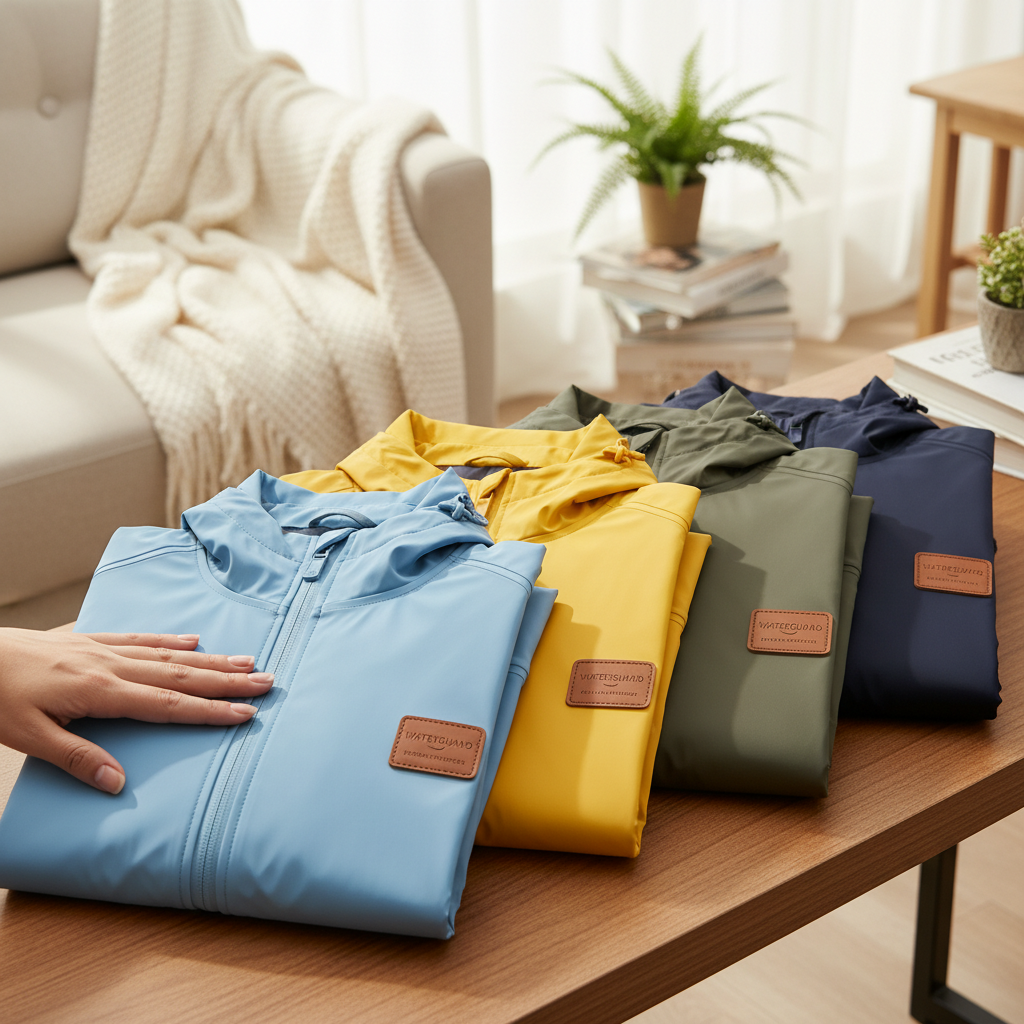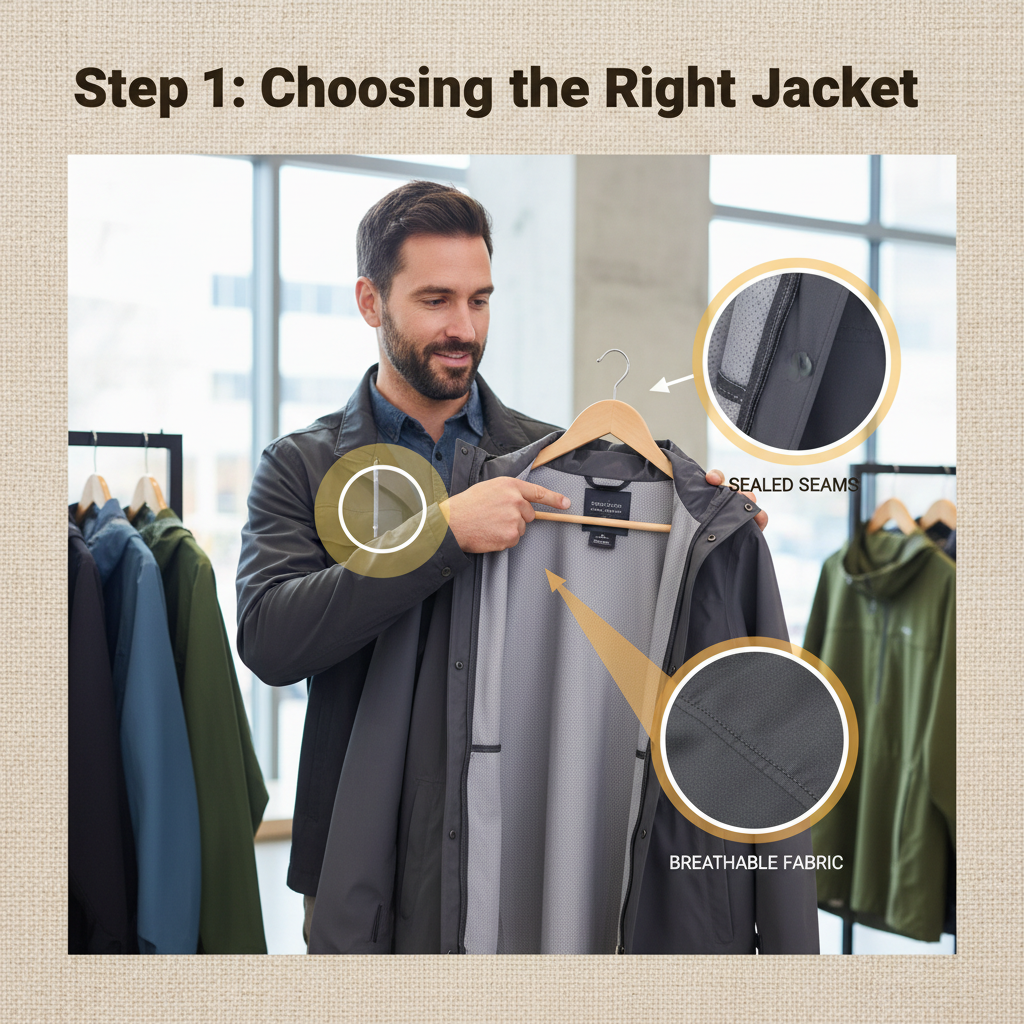
Honestly, the whole lightweight winter hiking jacket thing… it's exploded lately. Everyone's chasing warmth without the bulk. It used to be, you wanted to stay warm, you strapped on something that felt like wearing a sleeping bag. But these days? People want to move, they want freedom. And frankly, the demand’s being driven by what I'm seeing on the trails - more folks getting out there, pushing further, even in the shoulder seasons. It's not just the weekend warriors, either; professional guides are demanding better gear. And let me tell you, when a guide complains, you listen.
The biggest challenge, though, is that 'lightweight' and 'warm' don't exactly play nice together. It’s easy to fall into the trap of sacrificing durability for weight. You think you've got a winner with some super-thin fabric, then it tears the first time someone brushes against a rock. I saw that happen at a factory in Ningbo last time. Beautiful jacket, looked great on paper, but… unusable. And don't even get me started on breathability. You can have a lightweight jacket that keeps you warm and dry, or one that lets you breathe. Getting both is the tricky part.
And materials...now that's where it gets interesting. We’re using a lot of PrimaLoft Silver Insulation Active. Feels almost…silky, you know? Not like the old polyester fill that clumped up and smelled like…well, you know. This stuff actually compresses really well. Then there's the outer shell – we’ve been experimenting with Pertex Quantum. It’s incredibly lightweight, ripstop nylon. You can feel the quality; it’s got a sort of satisfying crinkle. It’s not cheap, mind you. But when you’re talking about keeping someone alive in a blizzard, cheap isn't an option.
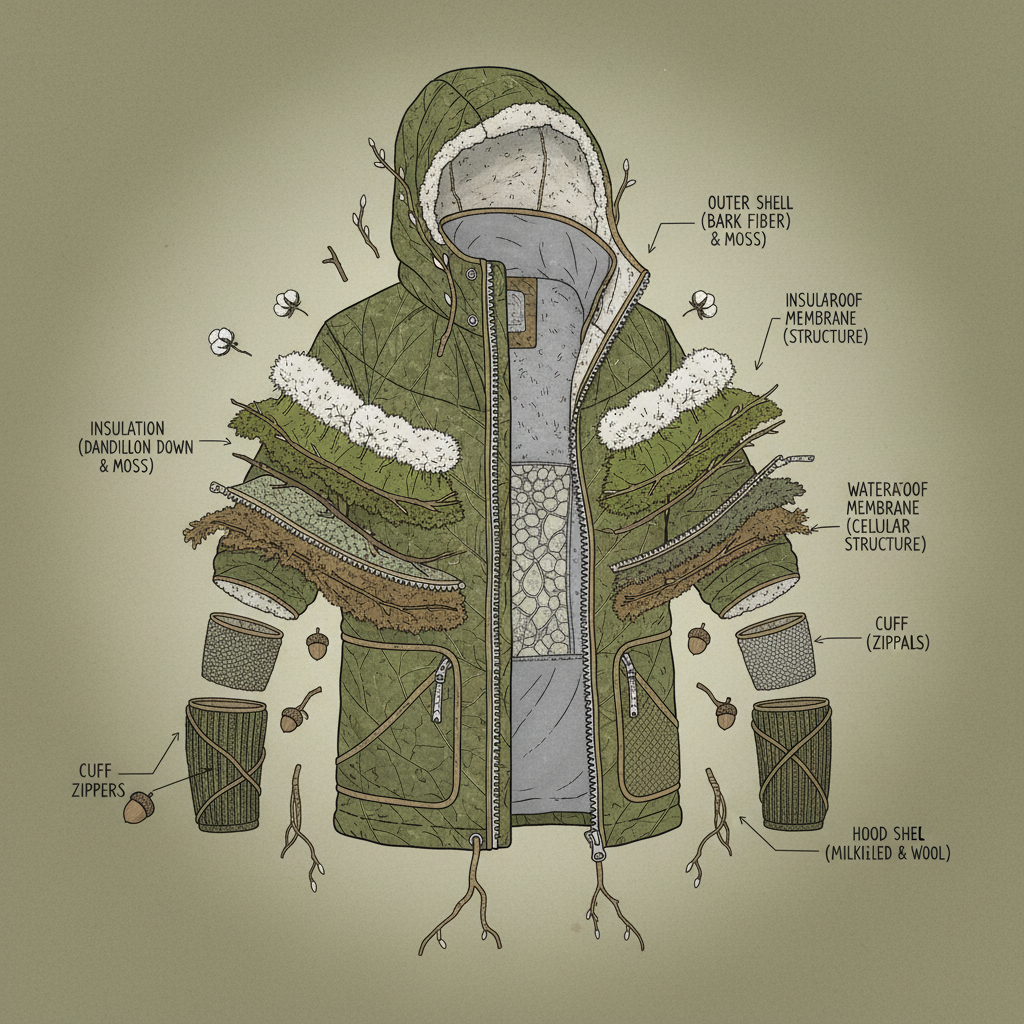
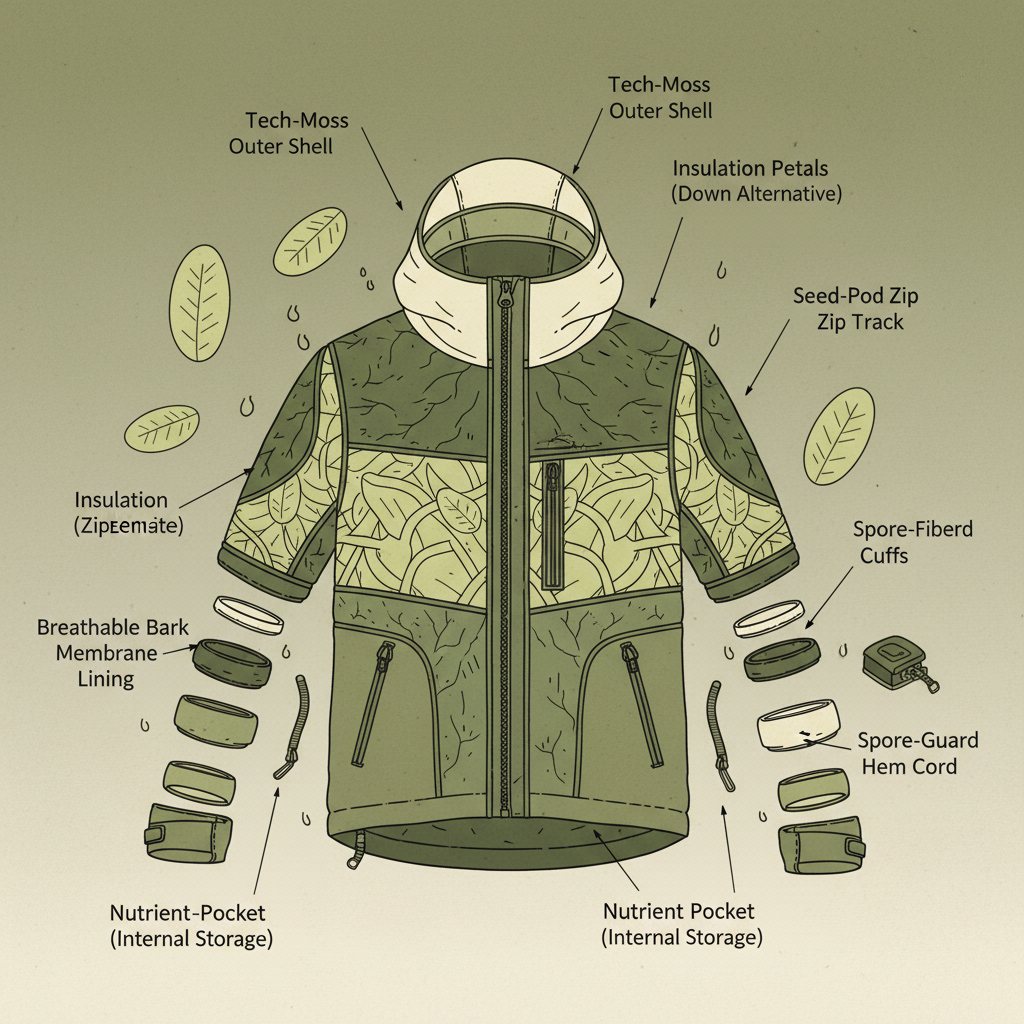
Have you noticed everyone is obsessed with layering now? It’s not just about one big, heavy jacket. People want options. They want to be able to adjust to changing conditions. That's driving the demand for lighter, more packable layers. Strangely, though, designers sometimes forget that real people aren’t going to carefully layer their clothes exactly as the marketing materials suggest. They'll throw on whatever's clean and close. And the jacket needs to perform even then.
The biggest pitfall I see is over-engineering. Trying to cram too many features into a lightweight jacket just adds weight and complexity. Waterproof zippers, magnetic closures, hidden pockets…cool on paper, but they add ounces. And ounces turn into pounds when you’re hiking uphill for six hours. Anyway, I think simplicity is key.
That’s a good question. Most of these jackets need to be washed on a delicate cycle with a specialized detergent for down or synthetic insulation. Avoid fabric softeners – they can ruin the loft. And always tumble dry on low heat with a couple of tennis balls to help redistribute the insulation. Honestly, most people don't bother, but if you want it to last, you gotta put in the effort.
Waterproof means the jacket will keep you dry in even the heaviest downpour, but it’s usually less breathable. Water-resistant means it can handle light rain and snow, but it's more breathable. It’s a trade-off. Think about where you'll be using the jacket. If you're going to be hiking in consistently wet conditions, go for waterproof. If you're just looking for something to protect you from a light drizzle, water-resistant is fine.
It depends. A really lightweight jacket on its own probably won’t cut it in sub-zero temperatures. You’ll need to layer it with other warm clothing. But some of the more advanced lightweight jackets, with high-quality insulation, can be surprisingly warm. It’s all about layering smartly and understanding the temperature rating of the jacket.
Make sure the hood is adjustable! You want to be able to cinch it down tight in windy conditions, but also loosen it up when you don’t need it. And make sure it doesn’t obstruct your vision when you turn your head. A good hood should move with your head, not against it. And it should be helmet-compatible if you plan on wearing a helmet.
Very important. If the jacket isn't breathable, you'll end up soaking wet from sweat, even if it's not raining. That can lead to hypothermia. Look for jackets with pit zips or other ventilation features to help regulate your body temperature. You want to be able to dump heat when you're working hard.
People often buy jackets that are too small, thinking that a snug fit will keep them warmer. But that restricts your movement and compresses the insulation, reducing its effectiveness. You want to have enough room to layer underneath without feeling constricted. Check the size chart carefully, and if you’re between sizes, go up a size.
Ultimately, a good lightweight winter hiking jacket is all about finding the right balance – between warmth, weight, durability, and breathability. It’s not about having the most expensive jacket, or the one with the most features. It’s about having a jacket that’s suited to your specific needs and conditions. And it's about trusting that it'll perform when you need it most.
We’re constantly pushing the boundaries of what’s possible with these jackets, but at the end of the day, whether this thing works or not, the worker will know the moment he tightens the screw. Visit our website to learn more: lightweight winter hiking jacket.