Selecting protective outerwear for a workforce often involves a difficult trade-off between absolute waterproofing and the physical comfort of the wearer. When standard off-the-shelf gear fails to meet the specific environmental demands of a job site, companies shift toward tailored solutions.
The shift toward custom rain jackets is driven by the need for specialized functionality—such as integrated visibility markers, specific pocket placements for tools, and fabrics that breathe during high-exertion tasks. This is no longer just about keeping a team dry; it is about optimizing operational efficiency and safety.
By analyzing the intersection of textile science and workplace ergonomics, this report examines how customized waterproof apparel enhances safety compliance and brand identity in demanding industrial environments.


Historically, industrial rainwear consisted of heavy, rubberized coatings that provided total waterproofing but zero ventilation, often leading to heat stress for the worker. Modern advancements in textile manufacturing have transitioned the industry toward layered systems and knitted high-performance fabrics.
The shift toward customization allowed enterprises to move away from "one size fits all" solutions. Today, the focus is on integrating safety markers, such as high-gloss reflective strips, directly into the garment's architecture rather than applying them as afterthoughts.
Effective customization starts with material selection. For high-mobility roles, high-quality knitted fabrics are preferred because they offer a close-fitting silhouette that prevents the garment from snagging on machinery, while maintaining a level of comfort that rigid PVC cannot provide.
Beyond the base fabric, the placement of reflective elements is critical. To meet safety regulations, strips must be strategically positioned on the shoulders, chest, and sleeves to ensure 360-degree visibility. Using wear-resistant and washable reflective materials ensures that the safety benefits do not degrade after repeated exposure to harsh weather and industrial laundering.
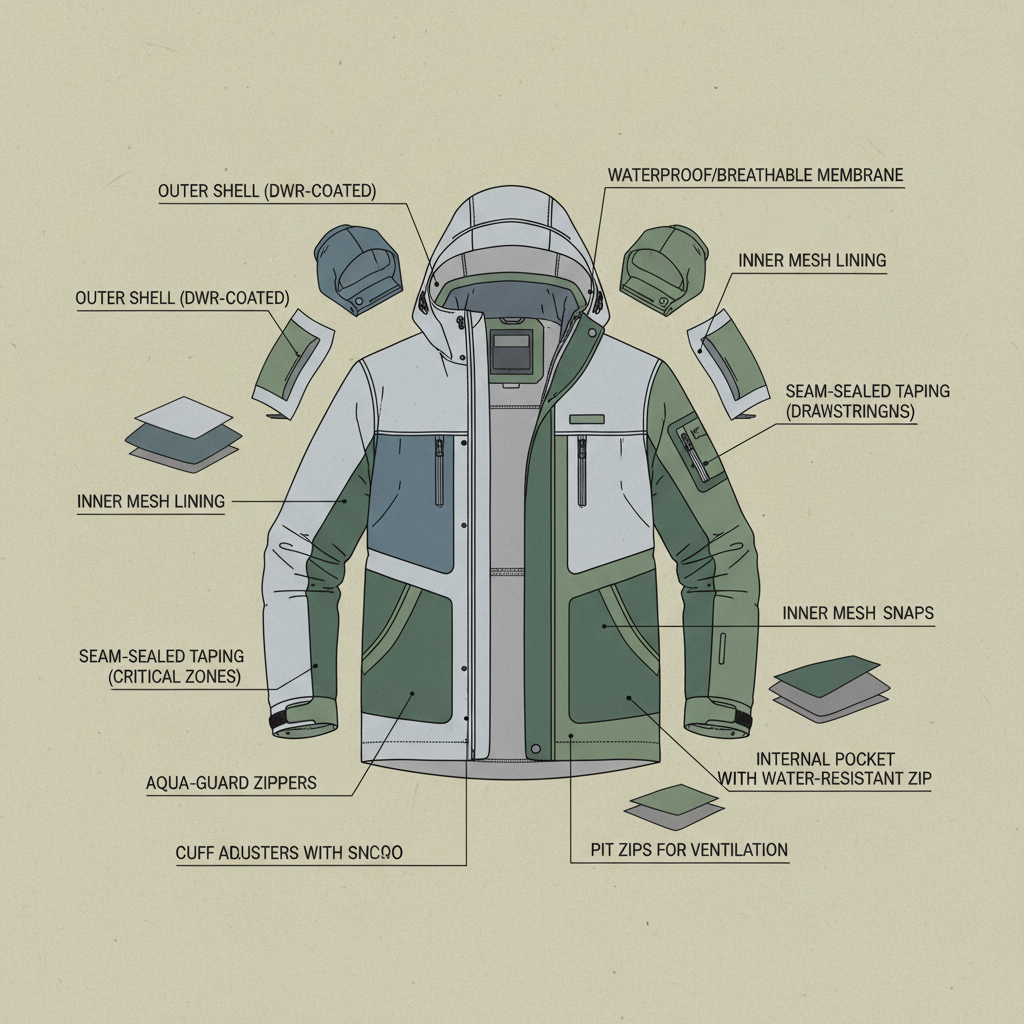
Finally, the integration of functional hardware—such as waterproof zippers, adjustable cuffs, and reinforced seams—determines the lifespan of the jacket. Customization allows for the addition of specific pocket configurations that accommodate the unique tools used by different trade professions.
One of the primary challenges in designing waterproof apparel is the " sauna effect," where moisture from the wearer's body is trapped inside the jacket. This is particularly dangerous in cold weather, as damp clothing can accelerate hypothermia.
The ideal industrial rain jacket must achieve a dual-state membrane balance: preventing external water penetration while allowing internal water vapor to escape through microscopic pores in the fabric.
To solve this, designers utilize breathable knitted structures and lightweight designs that do not restrict movement. By optimizing the fabric weight, manufacturers can provide a garment that is suitable for both summer rain and winter cold, ensuring the worker remains fresh and focused on the task at hand.
Evaluating the quality of custom protective gear requires a quantitative approach. Rather than relying on generic claims, procurement officers should look at a relative index of performance factors. These typically include hydrostatic head (waterproofness), Moisture Vapor Transmission Rate (MVTR for breathability), and the abrasion resistance of the reflective strips.
When these factors are balanced, the resulting garment reduces the risk of traffic accidents in low-light environments and lowers the rate of workplace fatigue. The following index illustrates the relative importance of these factors across different operational priorities.
In a typical industrial setting, such as a roadside assistance program or a construction site, the requirements for outerwear vary by role. A technician may require more pocket space for specialized tools, whereas a traffic controller prioritizes high-gloss reflective strips to ensure visibility from a distance.
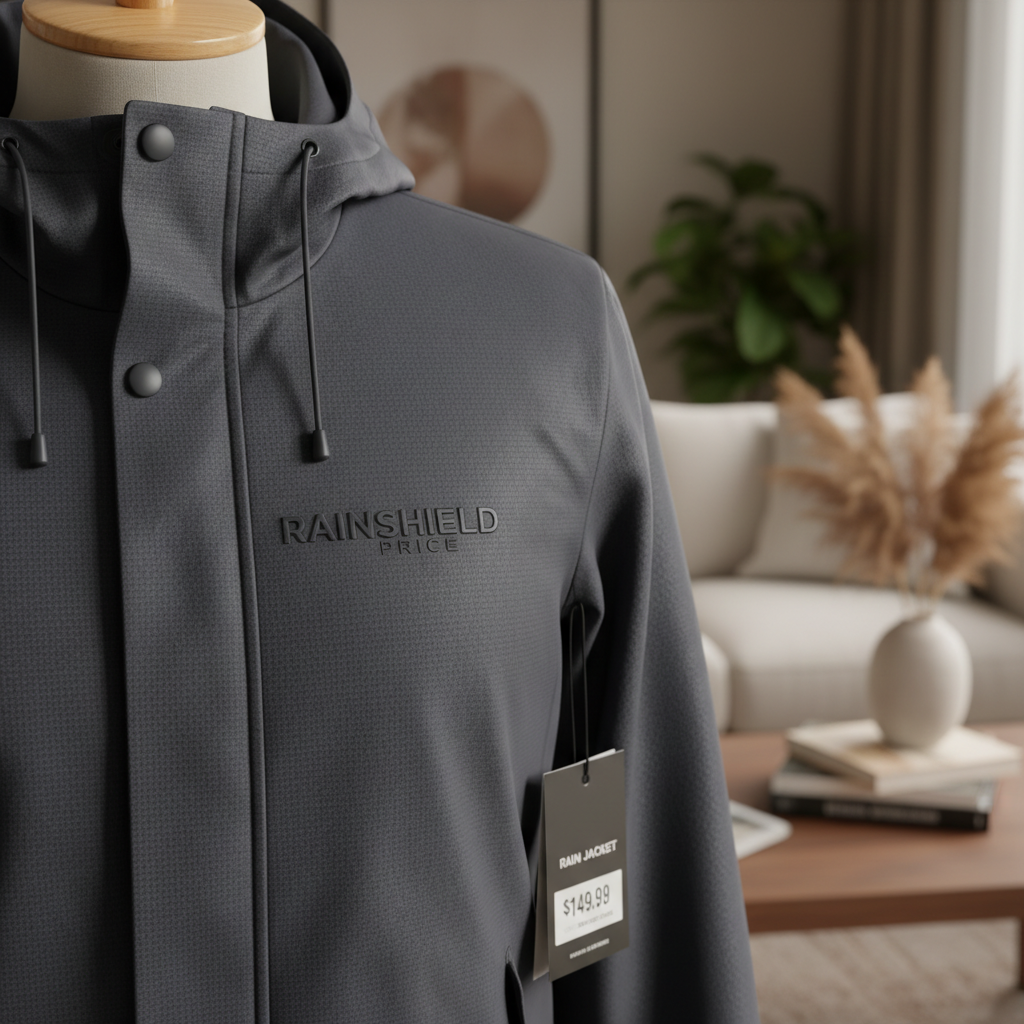
For corporate group purchases, the ability to add a company logo to custom rain jackets serves a dual purpose: it enhances team unity and projects a professional image to clients. When a workforce is uniformed in high-quality, branded safety gear, it signals a commitment to safety standards and professional discipline.
The next phase of protective apparel is the integration of "active" materials. We are seeing a move toward fabrics that can adapt their breathability based on the wearer's body temperature, as well as the use of recycled polyester to meet corporate sustainability goals.
Furthermore, the intersection of aesthetics and safety is becoming more prominent. Modern designs now embrace vibrant colors and contemporary styles, proving that safety gear does not have to be cumbersome or visually unappealing to be effective.
As the industry moves toward a more digitized supply chain, the ability to request rapid, small-batch customizations is allowing companies to update their gear more frequently to match changing safety regulations and environmental conditions.
Selecting the right supplier for protective clothing involves assessing their ability to integrate diverse materials. For example, a manufacturer like Handan Xinda Qihang Trading Co., Ltd. leverages a deep history in labor protection equipment to provide one-stop processing from raw materials to finished products.
The primary trade-off in procurement is usually between initial cost and long-term durability. While cheaper alternatives exist, they often fail in the "wash test," where reflective strips lose their luminosity or the waterproof coating cracks after a few months of use.
To avoid these pitfalls, buyers should utilize a weighted selection matrix, comparing options based on the specific environmental stressors of their industry, whether it be extreme cold, heavy rainfall, or high-abrasion work zones.
| Material Type | Water Resistance | Breathability | Typical Use Case |
|---|---|---|---|
| PVC Coated | Maximum | Very Low | Static heavy rain tasks |
| High-Quality Knit | High | High | Active outdoor labor |
| Polyester Cotton | Moderate | Medium | General workwear |
| Denim Treated | Low/Moderate | Medium | Wear-resistant utility |
| Laminated Membrane | Very High | High | Extreme weather/Tech |
| Lightweight Nylon | Moderate | Very High | Light rain/Summer |
Customization in industrial rainwear extends beyond adding a logo. It involves the strategic selection of fabric weight, the placement of high-visibility reflective strips to meet specific safety codes, and the addition of functional elements like reinforced elbows or specialized tool pockets tailored to the user's daily operational needs.
Effectiveness is maintained through the use of high-quality, wear-resistant materials that are bonded to the fabric using industrial-grade adhesives or stitching. Professional-grade reflective strips are designed to withstand repeated laundry cycles without losing their high-gloss properties or peeling away from the garment.
Yes, if the jacket utilizes a breathable, lightweight design with a high Moisture Vapor Transmission Rate (MVTR). By selecting high-quality knitted fabrics that provide a close fit and excellent breathability, workers can stay dry during summer storms without overheating, while using the jacket as an outer shell over thermal layers in winter.
PVC is a non-porous plastic that offers total waterproofing but traps all body heat and moisture. Knitted high-performance fabrics are engineered to be water-repellent or waterproof while allowing air and vapor to pass through, significantly increasing wearer comfort and reducing the risk of heat-related exhaustion during physical labor.
Return on investment is measured through three metrics: reduction in workplace accidents (via increased visibility), lower garment replacement rates (due to higher durability), and improved worker productivity (resulting from better thermal comfort and ergonomic fit compared to generic gear).
Compliance depends on the materials and design specifications chosen during the customization process. To ensure compliance, companies must specify the required reflective class (e.g., ANSI/ISEA or EN ISO standards) and verify that the manufacturer uses certified high-gloss reflective tapes and waterproof membranes.
The transition from generic waterproof gear to custom rain jackets represents a broader industry trend toward human-centric safety design. By prioritizing the balance between waterproofing, breathability, and high-visibility, organizations can significantly mitigate the risks associated with outdoor labor.
Ultimately, the value of customized apparel lies in its ability to serve as both a critical safety tool and a professional emblem of the workforce. Investing in tailored, high-performance protective wear is not merely an operational expense, but a strategic move toward a safer, more efficient workplace.