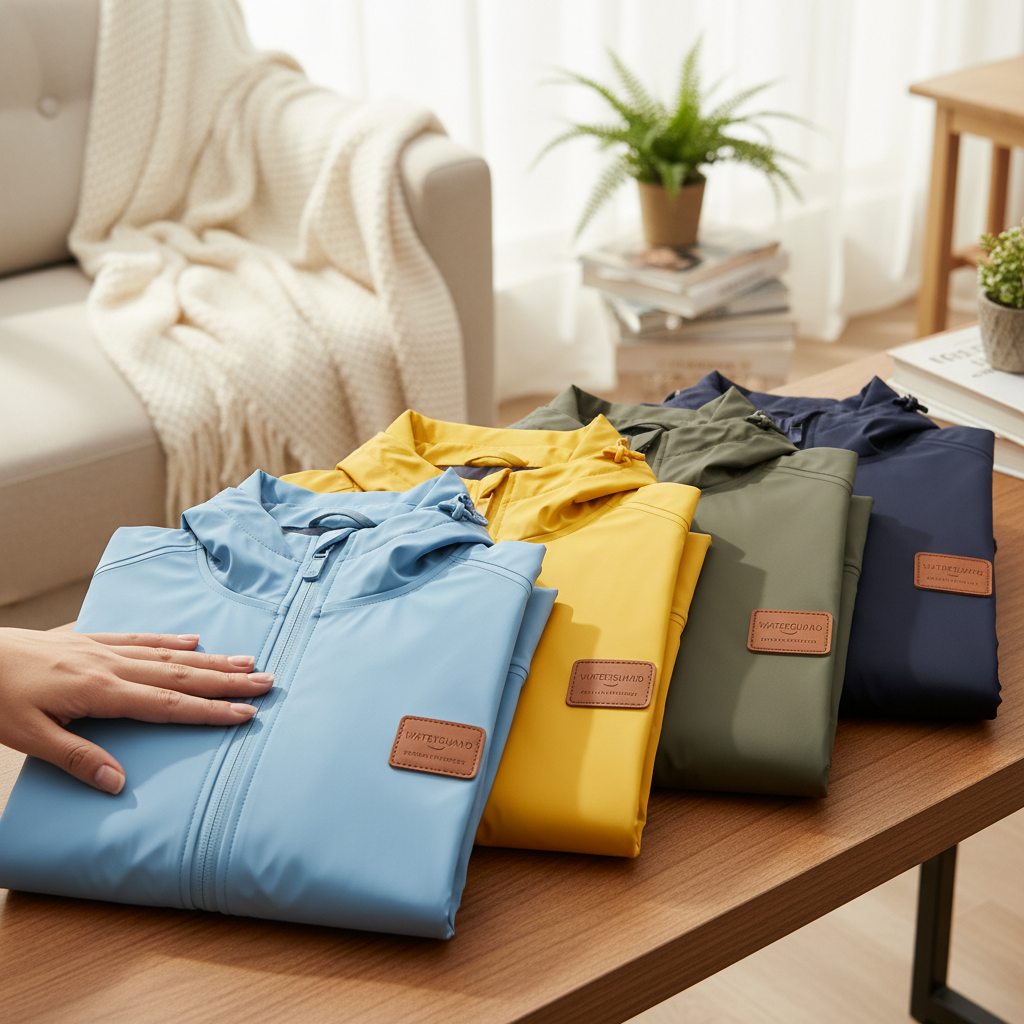
Selecting high-performance custom sports windbreakers requires a balance between meteorological protection and athletic mobility. In the competitive landscape of sports apparel and labor protection clothing, the ability to customize outerwear to meet specific environmental demands—such as wind resistance and breathability—is essential for maintaining athlete performance and safety during outdoor activities.
Procurement officers and sports organizers often struggle with windbreakers that either trap too much heat or fail to provide adequate water repellency. The challenge lies in sourcing materials that offer professional-grade durability without sacrificing the lightweight nature required for high-intensity movement, especially when integrating corporate branding or team identification.
This technical analysis provides a comprehensive framework for evaluating custom sports windbreakers, focusing on material science, functional specifications, and procurement standards to help buyers make informed decisions based on actual performance metrics rather than generic marketing claims.

Core Material Requirements for Sports Outerwear

The foundation of effective custom sports windbreakers is the textile composition. Professional windbreakers typically utilize high-density polyester or nylon blends treated with a Durable Water Repellent (DWR) finish. These materials are engineered to block wind penetration while allowing internal moisture (sweat) to escape, preventing the "greenhouse effect" during athletic exertion.
From a manufacturing perspective, incorporating ripstop weaves prevents small punctures from becoming large tears, which is critical for sports involving outdoor obstacles. For those requiring enhanced visibility, similar to the reflective strips used in professional labor protective gear, integrating retro-reflective piping ensures safety during low-light training sessions.
Functional Design Elements for Mobility
Ergonomics in windbreaker design focus on reducing resistance during movement. Articulated elbows and raglan sleeves are preferred in custom sports windbreakers to ensure that the garment does not ride up when the wearer reaches or stretches. Tight cuffs, similar to those found in industrial coveralls, are essential to keep wind from entering the sleeves.
Additionally, the integration of strategic ventilation—such as mesh-lined underarm vents or back yokes—regulates core temperature. The choice of closure systems, such as waterproof zippers or high-grade Velcro, determines the garment's ability to seal out elements while remaining easy to operate with gloved hands.
Customization Techniques and Brand Integration
Customization extends beyond simple logo placement. For custom sports windbreakers, the choice between sublimation, screen printing, and embroidery depends on the fabric's weight and the intended use. Sublimation is ideal for high-performance polyester as it dyes the fabric directly, maintaining the garment's breathability and wind-resistant properties without adding the weight of heavy inks.
When integrating corporate or team identities, buyers must ensure that the customization process does not compromise the DWR coating. Professional manufacturers apply logos in a manner that preserves the technical integrity of the shell, ensuring the jacket remains waterproof and windproof across all seams and printed areas.
Evaluating Performance Across Weather Conditions
Performance evaluation is typically measured by the balance between wind-blocking capacity and moisture vapor transmission rate (MVTR). A windbreaker that is 100% windproof but 0% breathable is effectively a plastic bag, which is dangerous for athletes due to overheating.
The chart above illustrates a conceptual relative performance index for different fabric weights used in custom sports windbreakers. Lighter fabrics prioritize breathability for high-intensity sports, while heavier fabrics emphasize wind and thermal protection for static or low-intensity outdoor activities.
Quality Control Standards for Bulk Procurement
When procuring bulk orders of custom sports windbreakers, quality control should focus on seam strength and coating consistency. Taped seams are the gold standard for wind and water resistance, as they prevent leaks at the stitching points. Buyers should request samples to test the "beading effect" of water on the surface, ensuring the DWR treatment is evenly applied.
Furthermore, colorfastness is a critical metric. High-performance sports gear is exposed to intense UV radiation and frequent washing; therefore, materials must be tested for fading and shrinkage. Handan Xinda Qihang Trading Co., Ltd. leverages extensive experience in textile integration to ensure that materials meet these durability benchmarks before mass production begins.
Common Selection Errors in Sports Apparel
A frequent mistake is prioritizing aesthetic design over technical utility. For example, choosing a heavy fabric for a summer windbreaker leads to overheating, while choosing a thin fabric for winter training results in inadequate thermal protection. Buyers often overlook the importance of the lining, which should be moisture-wicking rather than cotton-based to avoid clinging to the skin when damp.
Another error is neglecting the sizing tolerances for athletic fits. Custom sports windbreakers must account for "layering space," allowing the wearer to put on a base layer or a fleece without restricting arm movement. Failing to specify the intended layering can result in garments that are too tight for practical use.
Windbreaker Specification Comparison Framework
To streamline the decision process, buyers can use a normalized comparison framework based on the intended application of the custom sports windbreakers. The following table compares different technical approaches to windbreaker construction.
| Fabric Type | Wind Resistance | Breathability | Best Use Case |
|---|---|---|---|
| Ultra-Light Nylon | Moderate | High | Running/Cycling |
| Heavy-Duty Polyester | High | Moderate | Coaching/Sideline |
| Softshell Blend | Very High | Moderate | Hiking/Outdoor Training |
| Laminated Membrane | Extreme | Low-Moderate | Extreme Cold/Rain |
| Ripstop Hybrid | High | High | Field Sports/Adventure |
| Breathable Mesh-Lined | Moderate | Extreme | Warm Weather Wind-Shield |
This comparison demonstrates that no single fabric is universal. The optimal choice for custom sports windbreakers depends on the specific balance of protection and ventilation required for the target activity.
Frequently Asked Questions
High-density nylon or polyester with a DWR (Durable Water Repellent) finish is best. For maximum breathability, look for fabrics with a high Moisture Vapor Transmission Rate (MVTR) and integrated ventilation zones like underarm mesh.
Sublimation does not affect wind resistance because the ink becomes part of the fiber rather than sitting on top. Unlike thick screen prints, it does not block the pores of the fabric or compromise its flexibility.
Yes, if the windbreakers are intended for rainy or extremely windy environments. Taped seams seal the needle holes created during sewing, preventing wind and water from leaking through the joints.
Water-resistant fabrics repel light rain through a DWR coating. Waterproof fabrics use a physical membrane or laminate to block all water entry, though they typically offer lower breathability than water-resistant options.
Provide a detailed size chart and request a pre-production sample. Specifying the intended fit (athletic, regular, or loose) and checking the actual measurements of the sample against the chart is the most reliable method.
Yes, many modern windbreakers use rPET (recycled polyethylene terephthalate) polyester. These materials can achieve similar wind and water resistance to virgin polyester while reducing environmental impact.
Conclusion
The effectiveness of custom sports windbreakers depends on the precise alignment of material specifications with the wearer's activity level and environmental exposure. By focusing on high-density weaves, ergonomic construction, and a balanced breathability-to-protection ratio, organizations can provide apparel that truly enhances athletic performance and safety.
For those seeking professional manufacturing and customization for sports or protective outerwear, the available product capabilities at www.xdqhppe.com provide a reliable baseline for durability and functional design. Buyers are encouraged to review technical specifications to match their specific sports applications.