
+8615630398555

Sep . 22, 2025 11:55 Back to list
High-Visibility Orange Coveralls: Durable Work & Safety Gear
The Indispensable Role of High-Visibility Workwear in Industrial Safety
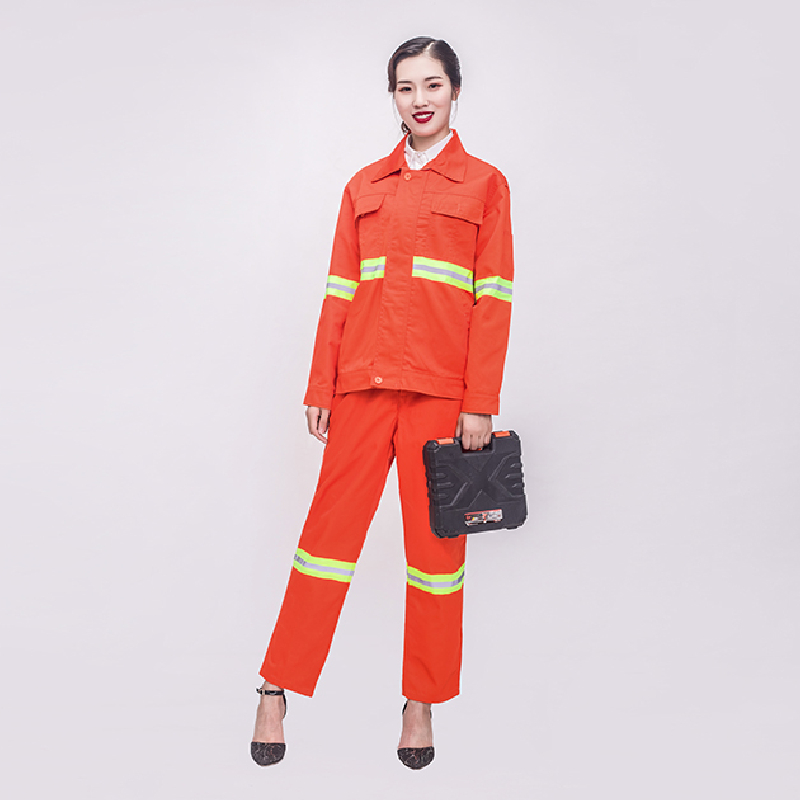
In high-risk industrial environments, worker safety is paramount. Among the critical components of Personal Protective Equipment (PPE), high-visibility garments stand out for their ability to significantly reduce accident rates. Specifically, orange coveralls have become a staple across numerous sectors, offering not only enhanced visibility but also comprehensive body protection. This detailed guide explores the technical aspects, applications, and strategic advantages of these essential safety garments, providing B2B decision-makers and engineers with insights into optimal selection and deployment.
Current Industry Trends in High-Visibility Safety Apparel
The market for high-visibility safety apparel, particularly industrial coveralls, is experiencing significant evolution driven by stricter regulatory compliance, advancements in material science, and increasing emphasis on worker comfort and sustainability. Key trends include:
- Multi-Hazard Protection: Demand for orange coveralls that offer protection against multiple risks simultaneously, such as flame resistance (FR), arc flash protection, chemical splash resistance, and antistatic properties, in addition to high visibility.
- Enhanced Breathability and Comfort: Integration of advanced fabrics and design elements that improve ventilation and reduce heat stress, crucial for prolonged wear in varying climates.
- Smart PPE Integration: Emerging technologies like embedded sensors for monitoring worker vital signs or proximity warnings, though still nascent, are poised to revolutionize safety wear.
- Sustainability: A growing focus on eco-friendly materials, responsible manufacturing processes, and garments designed for extended service life and recyclability.
- Ergonomic Design: Garments are designed to facilitate ease of movement, reduce fatigue, and accommodate various body types, improving overall worker productivity and acceptance.
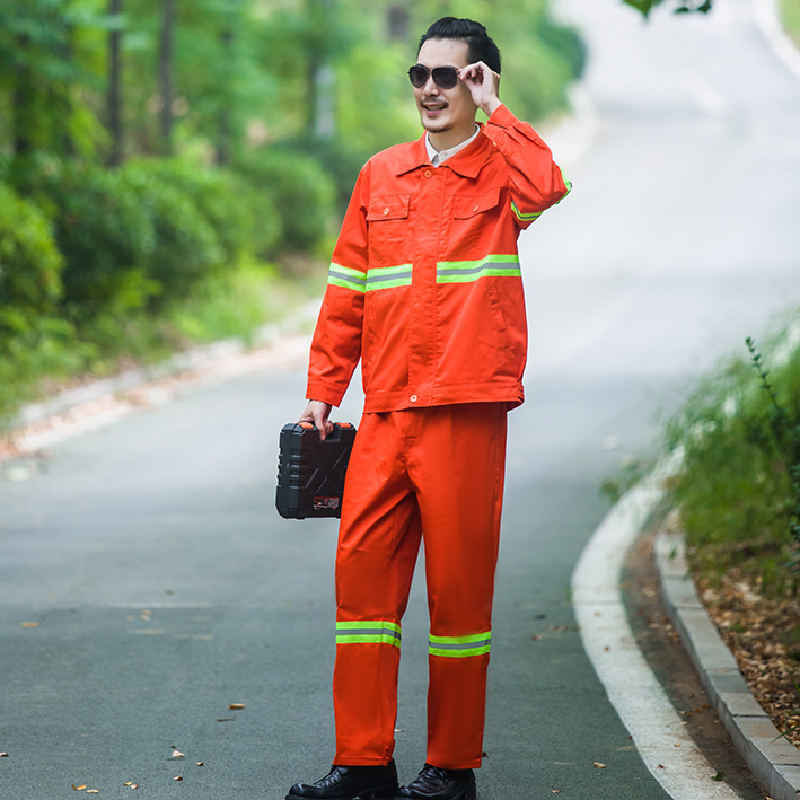
These trends reflect a holistic approach to worker safety, where protection, comfort, and compliance converge to create highly effective and user-centric PPE solutions.
The Manufacturing Process of High-Visibility Orange Coveralls
The production of industrial-grade orange coveralls is a meticulous process, ensuring each garment meets stringent safety and quality standards. Unlike metal components that involve casting or CNC machining, textile manufacturing for PPE focuses on fabric integrity, precise construction, and performance testing. Here's a typical process flow:
1. Material Sourcing & Inspection
High-quality fabrics like durable polyester-cotton blends (e.g., 65% Polyester, 35% Cotton) or specialty materials like Modacrylic for inherent FR properties are selected. Materials are rigorously inspected for consistency, dye fastness, tensile strength, tear resistance, and compliance with standards such as Oeko-Tex Standard 100.
2. Fabric Preparation & Treatment
Fabrics are pre-shrunk and often treated for specific functionalities. For example, a durable flame-retardant (FR) finish might be applied, or a water-repellent coating. This ensures the coverall orange maintains its properties throughout its service life. High-visibility dye processes ensure chromaticity and luminance meet ANSI/ISEA 107 or EN ISO 20471 standards.
3. Pattern Design & Automated Cutting
Utilizing CAD software, patterns are designed for optimal fit, functionality, and material efficiency. Automated CNC cutting machines precisely cut multiple layers of fabric, including reflective tapes, ensuring consistency and minimizing waste. This stage is crucial for ergonomic design.
4. Sewing & Assembly
Skilled operators assemble the coveralls using industrial sewing machines. Critical seams are double-stitched or reinforced for durability. High-visibility reflective materials are strategically placed according to safety standards (e.g., Class 2 or Class 3 configurations). Quality hardware like YKK zippers and heavy-duty snaps are integrated.
5. Quality Control & Testing
Each coverall undergoes multiple quality checks. This includes visual inspection for defects, measurement verification, seam integrity testing, and performance tests (e.g., wash testing for FR properties and color retention, retroreflectivity testing for reflective tapes, hydrostatic pressure test for water resistance if applicable). Compliance with ANSI/ISEA, NFPA, and EN ISO standards is confirmed.
6. Finishing & Packaging
Finished coveralls are pressed, folded, and individually packaged, often with care instructions and certification labels. This ensures they reach the end-user in pristine condition, ready for immediate deployment in demanding industrial environments.
Technical Specifications: The QH-2002 Orange Coveralls
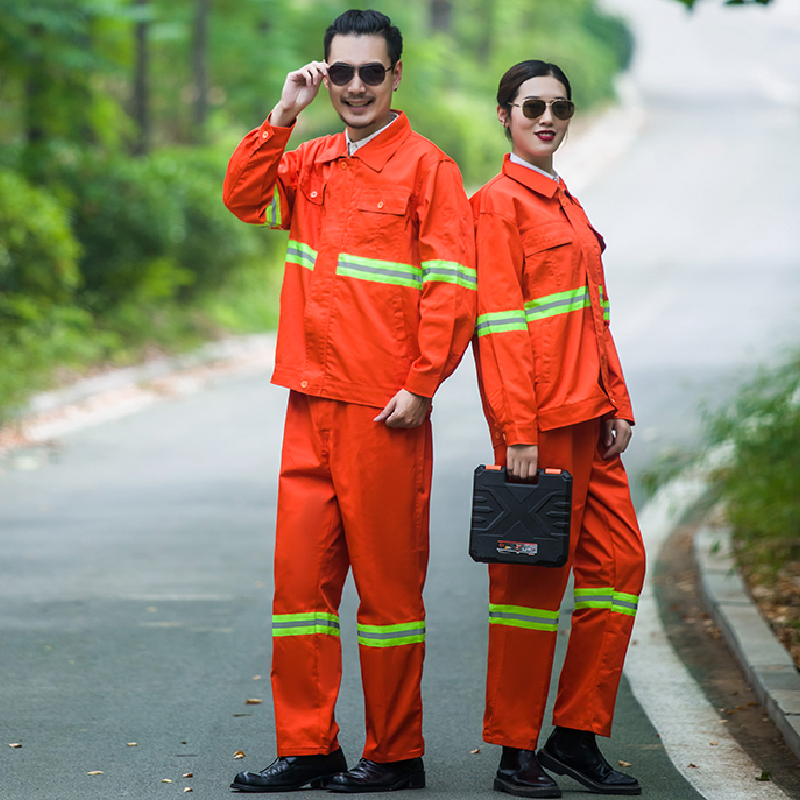
The QH-2002 is engineered to provide superior protection and visibility, meeting the rigorous demands of industrial professionals. Its design integrates advanced materials and construction techniques to ensure optimal performance and durability.
| Feature | Description / Specification |
|---|---|
| Product Name | QH-2002 High-Visibility Industrial Coverall |
| Material Composition | 65% Polyester / 35% Cotton Twill, 280gsm (grams per square meter). Option for inherent FR fabrics (e.g., Modacrylic blend) or treated FR cotton. |
| Color | Fluorescent Orange (compliant with ANSI/ISEA 107 and EN ISO 20471 chromaticity requirements) |
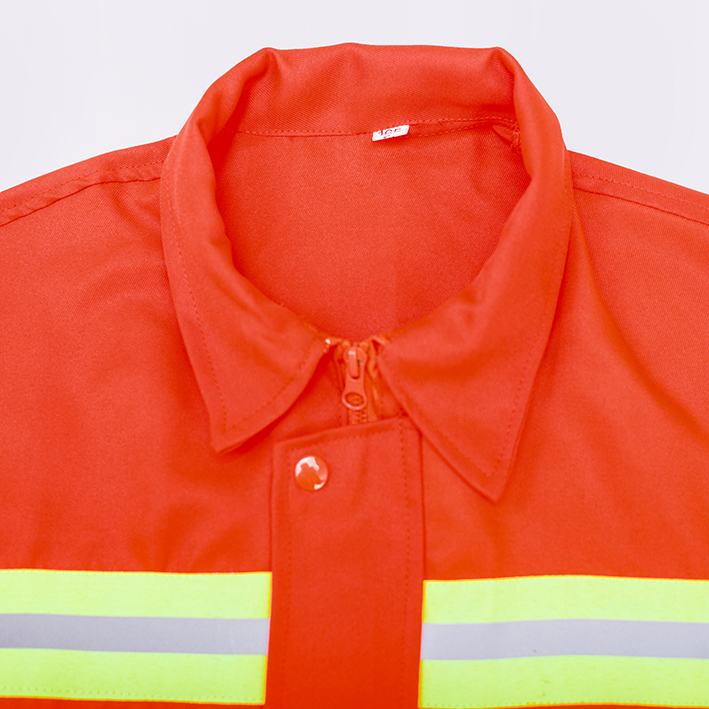
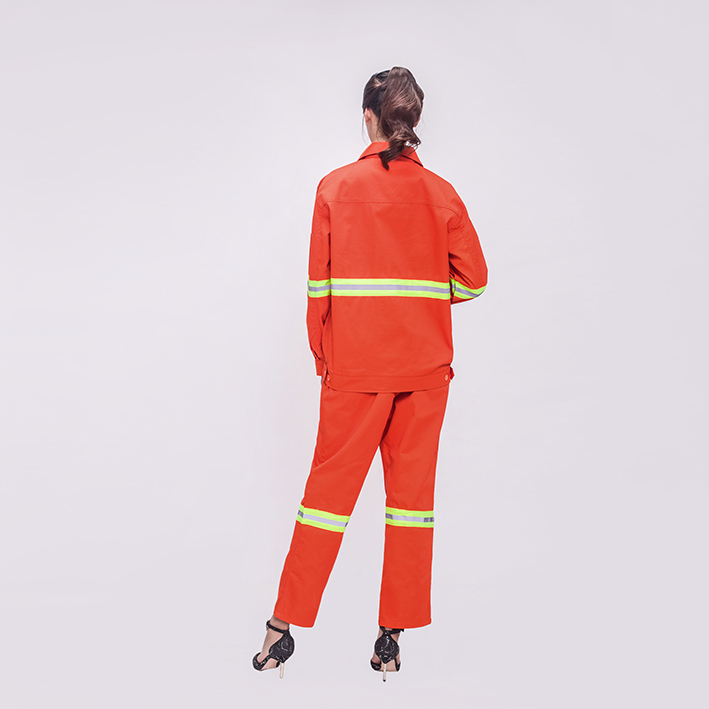
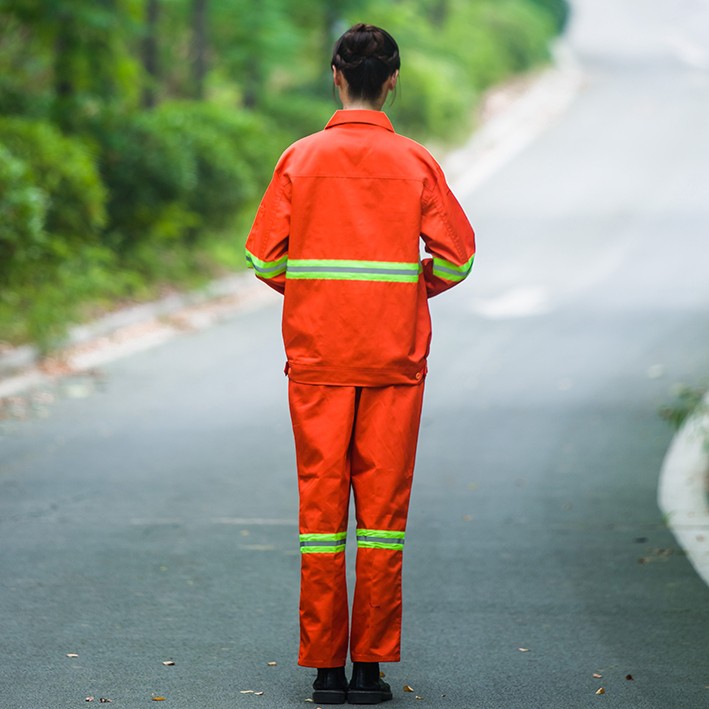
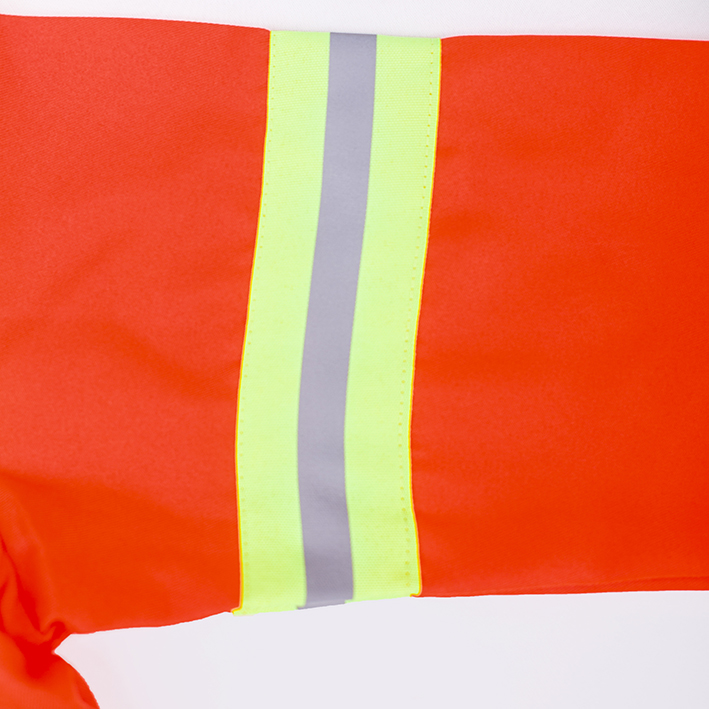
| Reflective Material | 2-inch (5 cm) wide silver reflective tape, retroreflective performance tested to ANSI/ISEA 107 and EN ISO 20471 standards. Configuration: Class 3 (two horizontal, two vertical stripes on torso, two on sleeves, two on legs). |
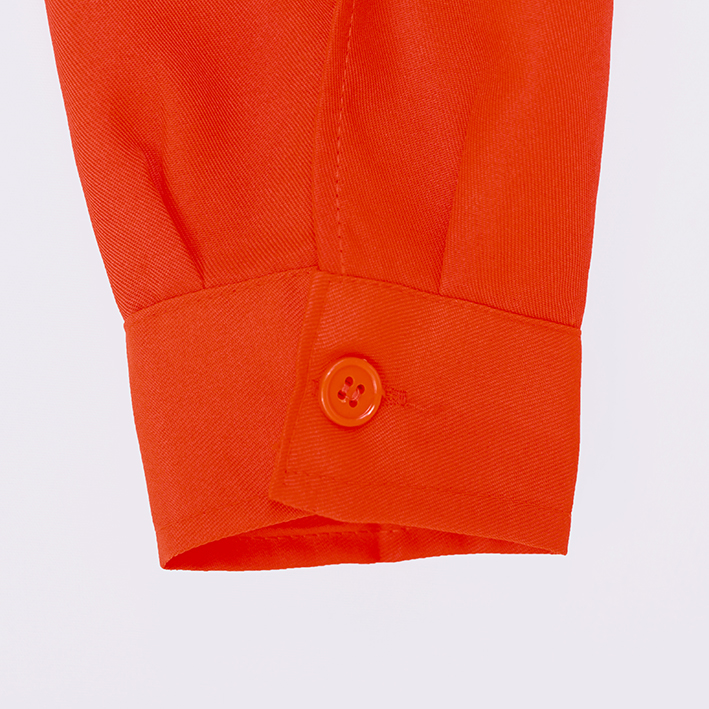
| Closures | Heavy-duty YKK two-way brass zipper with storm flap, snap closures on cuffs and ankles. |
| Pockets | Multiple utility pockets: two chest pockets with flaps, two side pockets, one ruler pocket, two back pockets. Pen slot on sleeve. |
| Adjustability | Elasticized waist for comfort, adjustable cuffs and ankles with snap closures. |
| Certifications | CE Certified, EN ISO 20471:2013+A1:2016 (Class 3), Oeko-Tex Standard 100. Optional: NFPA 2112 (for FR versions). |
| Target Industries | Petrochemical, Mining, Construction, Roadwork, Utilities, Logistics, Railway, Emergency Services. |
| Service Life (Estimated) | Typically 1-3 years depending on usage, maintenance, and exposure to harsh conditions. FR properties may be guaranteed for 50-100 washes. |
Application Scenarios for Industrial Orange Coveralls
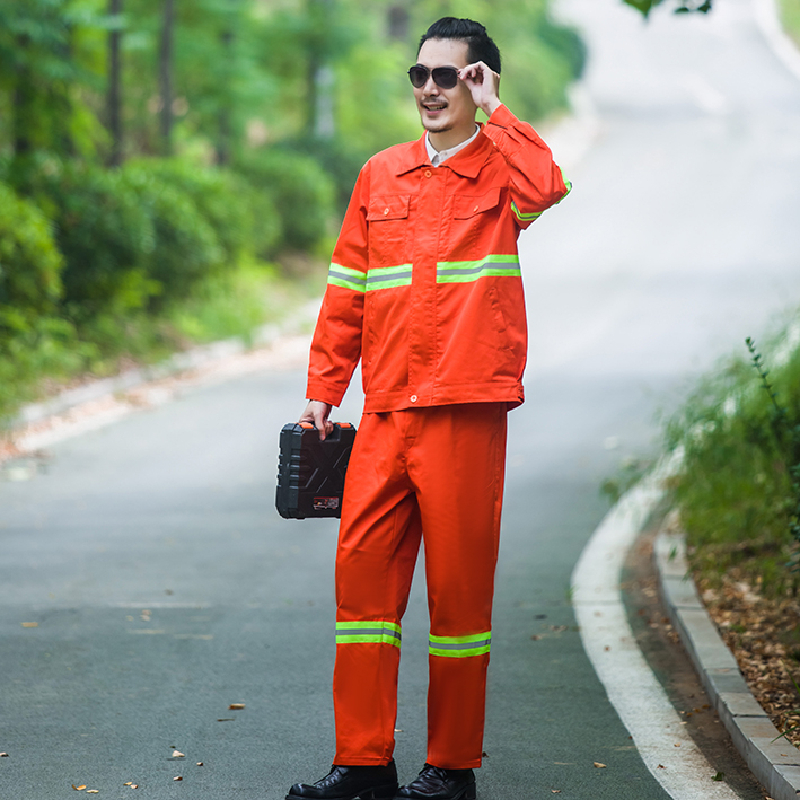
The versatility and high visibility of orange coveralls make them indispensable across a spectrum of demanding industries. Their primary function is to ensure workers are seen, especially in low light, adverse weather, or complex operational environments, thereby preventing accidents.
- Petrochemical & Oil & Gas: In refineries, drilling sites, and chemical plants, workers face risks from moving machinery, hazardous substances, and potential flash fires. FR orange coveralls provide critical protection against thermal hazards and ensure visibility in expansive, often low-light areas.
- Mining: Underground and open-pit mining operations are inherently dangerous with heavy equipment and often poor visibility. High-contrast coverall orange significantly improves worker detection, especially with reflective banding.
- Construction & Roadwork: Workers on busy roadways or construction sites are constantly exposed to vehicle traffic. ANSI/ISEA 107 compliant orange coveralls are mandatory to ensure visibility to drivers, reducing the risk of struck-by incidents.
- Utilities (Electrical, Water Supply & Drainage): Technicians working on power lines, in trenches, or near active infrastructure benefit from the visibility, which is crucial when operating near energized equipment or in confined spaces.
- Railway & Logistics: Rail workers, freight handlers, and airport ground staff operate in dynamic environments with large, fast-moving vehicles. High-visibility orange coveralls are essential for their safety.
- Emergency Services: Firefighters, paramedics, and rescue teams often work in chaotic, low-visibility conditions. Bright orange coveralls ensure they are easily identifiable, enhancing coordination and safety.
- Outdoor & Hunting Safety: Beyond industrial uses, orange hunting coveralls are critical for hunter safety, making individuals visible to other hunters and preventing accidents in natural environments. This is particularly relevant during hunting seasons where bright colors are often legally mandated.
The advantages in these scenarios include reduced risk of accidents, improved team coordination, and compliance with occupational safety regulations, translating directly into enhanced operational efficiency and worker well-being.
Technical Advantages and Performance Metrics
Modern industrial orange coveralls are designed with a host of technical advantages aimed at maximizing worker safety and comfort.
- Superior High Visibility: The fluorescent orange background material, coupled with highly retroreflective tapes, ensures visibility from all angles, day or night, and in inclement weather. This directly addresses the primary goal of collision prevention. Tested under EN ISO 20471 (e.g., Class 3) and ANSI/ISEA 107 (e.g., Type R, Class 3) standards.
- Durability & Longevity: Constructed from robust fabrics like heavy-duty poly-cotton blends with reinforced stitching, these coveralls are designed to withstand abrasive industrial environments, frequent washing, and prolonged exposure to UV radiation. This translates to an extended service life and lower replacement costs.
- Multi-Hazard Protection: Many premium coverall orange options offer additional protective features:
- Flame Resistance (FR): Fabrics treated or inherently designed to self-extinguish when exposed to flames, significantly reducing burn injuries (e.g., NFPA 2112, EN ISO 11612).
- Chemical Resistance: Specialized coatings or fabric compositions that resist penetration and degradation from various industrial chemicals (e.g., EN 13034, EN ISO 6530).
- Antistatic Properties: Integrated conductive fibers to dissipate electrostatic charges, crucial in environments with explosive atmospheres (e.g., EN 1149).
- Water Repellence/Breathability: Treatments that shed water while allowing perspiration to escape, enhancing comfort in wet conditions.
- Ergonomic Design: Features like articulated knees, gusseted underarms, elasticized waists, and adjustable cuffs ensure maximum freedom of movement and comfort, minimizing worker fatigue and improving productivity.
These technical attributes underline the commitment to creating protective wear that not only meets but exceeds safety expectations in the most challenging industrial settings.
Vendor Comparison: Choosing the Right Supplier for Orange Coveralls
Selecting a supplier for industrial orange coveralls requires careful consideration beyond just price. A reliable vendor delivers not only high-quality products but also consistent service and expert support.
| Factor | High-Quality Supplier (e.g., Xintian Qianghan) | Standard Supplier |
|---|---|---|
| Certifications & Compliance | ISO 9001, Oeko-Tex, CE, ANSI/ISEA 107, EN ISO 20471, NFPA 2112. Provides full documentation and test reports. | Basic certifications, limited documentation, potential for non-compliance issues. |
| Material Quality & Durability | Premium, rigorously tested fabrics (e.g., 280gsm+ poly-cotton, inherently FR materials), YKK zippers, reinforced stitching. | Lower GSM fabrics, generic hardware, less robust construction. Prone to faster wear and tear. |
| Customization Options | Extensive options: branding (embroidery/print), specific pocket configurations, additional protective treatments, tailored sizing. | Limited or no customization. Off-the-shelf products only. |
| Lead Time & Fulfillment | Transparent and reliable lead times, efficient logistics, global distribution capabilities. | Variable lead times, potential for delays, less reliable supply chain. |
| After-Sales Support & Warranty | Comprehensive warranty, responsive customer service, technical support, easy returns/exchanges. | Limited warranty, slower response times, challenging support. |
| Experience & Reputation | Years of industry experience, strong client testimonials, established reputation for quality and reliability. | Newer to market, fewer references, unproven track record. |
Investing in high-quality orange coveralls from a reputable supplier like Xintian Qianghan (manufacturer of QH-2002) ensures long-term safety, compliance, and cost-effectiveness for your workforce.
Customized Solutions for Specialized Needs
While standard orange coveralls meet many industrial requirements, specialized operational contexts often necessitate customized solutions. Reputable manufacturers offer extensive customization options to precisely match corporate branding, specific hazard profiles, and unique ergonomic demands.
- Branding: Company logos and employee names can be embroidered or heat-transferred, maintaining a professional image while enhancing accountability.
- Material Enhancements: Integration of specific fabric treatments for enhanced chemical resistance, antistatic properties, or even insect repellency, tailored to the work environment.
- Design Modifications: Adjustments to pocket configurations, tool loops, knee pad pockets, or specific ventilation zones to optimize functionality for particular tasks.
- Sizing & Fit: Custom sizing charts or made-to-measure services to ensure optimal fit for all employees, enhancing comfort and safety.
- Reflective Striping: Alternative reflective tape configurations or additional reflective elements for specific visibility requirements, ensuring compliance with local or project-specific standards.
These tailored approaches ensure that the coverall orange is not just a piece of PPE, but a perfectly integrated component of a comprehensive safety system.
Application Case Studies & Customer Experience
Real-world deployments illustrate the tangible benefits of high-quality orange coveralls.
Case Study 1: Enhanced Safety in a Major Road Construction Project
A large infrastructure company undertook a multi-year highway expansion project. Previously, they used standard hi-vis vests, but vehicle incidents remained a concern. Upon switching to full-body Class 3 orange coveralls (like the QH-2002), they reported a 40% reduction in near-miss incidents involving workers and traffic over an 18-month period. Workers praised the integrated protection and improved visibility, especially during dawn/dusk operations and adverse weather. The durability also meant a longer service life, reducing procurement cycles.
Case Study 2: Petrochemical Plant Fire Safety Upgrade
A major petrochemical facility standardized on FR-treated coverall orange for all operational staff. Following an accidental flash fire incident, an employee wearing an FR orange coverall sustained only minor, superficial burns, contrasting sharply with a previous incident where an employee in non-FR attire suffered severe injuries. The inherent flame-resistant properties prevented the garment from igniting and continuing to burn, providing precious seconds for escape and greatly mitigating injury severity. This led to a company-wide mandate for multi-hazard compliant PPE.
Authoritativeness & Trustworthiness: Your Partner in Safety
As a leading provider of PPE, Xintian Qianghan (producer of QH-2002) is committed to upholding the highest standards of quality and reliability.
-
✓
Certifications: Our manufacturing facilities and products adhere to international quality management systems, including ISO 9001:2015. Our orange coveralls are CE certified and tested to comply with leading safety standards like EN ISO 20471, ANSI/ISEA 107, and, for FR variants, NFPA 2112. We also ensure our materials meet environmental standards like Oeko-Tex Standard 100.
-
✓
Partnerships: We partner with industrial leaders in petrochemical, construction, mining, and utility sectors, providing reliable safety solutions for over two decades. Our expertise is built on years of serving demanding clients globally.
-
✓
Quality Assurance: Every batch undergoes stringent quality checks, including fabric strength, color fastness, reflective performance, and garment construction integrity. Detailed test reports are available upon request to ensure complete transparency.
Frequently Asked Questions (FAQ)
Q: What is the recommended cleaning procedure for orange coveralls?
A: For optimal performance and longevity, follow the care label instructions. Generally, machine wash with similar colors in warm water (max 60°C/140°F) using a mild detergent. Do not bleach. Tumble dry low or hang dry. Avoid using fabric softeners as they can impair the retroreflectivity of reflective tapes and, for FR garments, can reduce flame resistance.
Q: How often should industrial coverall orange be replaced?
A: The service life depends on usage intensity, exposure to harsh conditions, and maintenance. Typically, a high-quality coverall can last 1-3 years. However, any garment showing signs of damage (tears, excessive fading, compromised reflective tape) or loss of protective properties (e.g., FR performance degradation) should be replaced immediately. Regular inspections are crucial.
Q: Are your orange coveralls suitable for extreme weather conditions?
A: Our QH-2002 model, made with a poly-cotton blend, offers good general-purpose protection. For extreme cold, layering is recommended. For extreme wet conditions, we offer models with enhanced water-repellent or waterproof features. Always refer to specific product specifications for details on environmental suitability.
Lead Time & Fulfillment
Standard orders for QH-2002 orange coveralls typically have a lead time of 4-6 weeks, depending on quantity and specific customization requests. We maintain a robust supply chain and efficient manufacturing processes to ensure timely delivery. Expedited options may be available upon consultation.
Warranty & Customer Support
All our orange coveralls, including the QH-2002, come with a comprehensive 1-year warranty against manufacturing defects under normal wear and tear. Our dedicated customer support team is available to assist with product inquiries, order tracking, technical specifications, and any post-purchase assistance. We are committed to ensuring your satisfaction and the safety of your workforce.
Conclusion: Prioritizing Safety with Advanced Orange Coveralls
The deployment of high-quality orange coveralls like the QH-2002 is a critical investment in industrial safety. By offering unparalleled visibility, multi-hazard protection, and ergonomic design, these garments significantly reduce risks and enhance operational efficiency. Partnering with a trusted manufacturer ensures compliance, durability, and a commitment to worker well-being, driving a safer and more productive work environment.
References
- International Organization for Standardization. ISO 9001:2015 - Quality management systems - Requirements.
- American National Standards Institute / International Safety Equipment Association. ANSI/ISEA 107-2020: American National Standard for High-Visibility Safety Apparel and Accessories.
- European Committee for Standardization. EN ISO 20471:2013+A1:2016 - High visibility clothing - Test methods and requirements.
- National Fire Protection Association. NFPA 2112: Standard on Flame-Resistant Garments for Protection of Industrial Personnel Against Flash Fire. 2021 Edition.
- OEKO-TEX Association. OEKO-TEX Standard 100: Testing for harmful substances in textiles.
Latest news
-
Professional Tactical Reflective Jacket for Maximum Safety Guide
NewsApr.16,2026
-
Professional Tactical Reflective Vest for High Visibility Safety
NewsApr.09,2026
-
Enhancing Safety and Visibility with a Tactical Vest Reflective
NewsApr.07,2026
-
Comprehensive Guide to Choosing the Right Traffic Reflective Jacket for Safety
NewsApr.04,2026
-
Choosing the Right Traffic Vest for Enhanced Workplace Safety
NewsMar.31,2026
-
Comprehensive Guide to Traffic Vest Security and Worker Safety
NewsMar.28,2026
Copyright © 2026 Handan Xinda Qihang Trading Co., Ltd. All Rights Reserved. Sitemap | Privacy Policy | Top Blog | Global Service


