
+8615630398555

Oct . 16, 2025 12:00 Back to list
Honeycomb Polo Shirt - Soft, Breathable, Moisture-Wicking
A Field Note on the Modern honeycomb polo shirt: What’s Really Inside QH-3006
I’ve handled more polos than I care to admit—trade fairs, mills in Shaoxing, fittings in hotel corridors at 11 p.m. The QH-3006 (65% ice silk high imitation cotton, 35% cupro fiber) from China surprised me. In fact, the hand feel lands somewhere between cool-touch rayon and that dry, crisp pique we associate with upscale golf wear. Many customers say it “breathes like linen but drapes like a dress shirt.” That’s a bit romantic, but not wildly off.
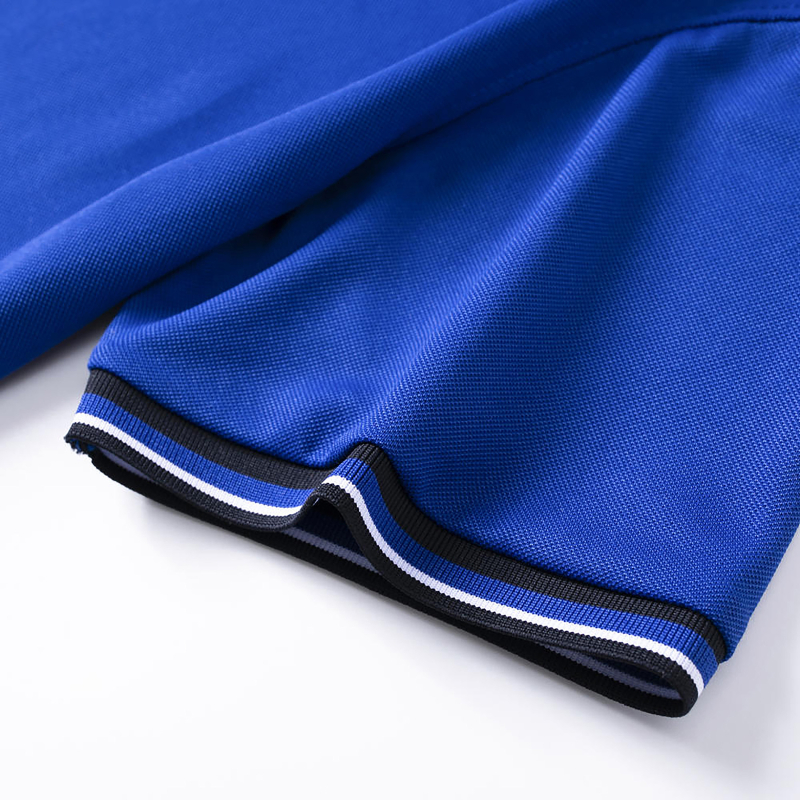
Industry snapshot
Polos are moving toward cellulose-rich blends for cooler microclimates, with recycled poly entering where snag resistance matters. The honeycomb knit (pique variant) is back—mesh-like airflow without looking sporty. To be honest, the sweet spot is blends that manage perspiration yet keep a clean collar line after 30+ washes.
Technical specs at a glance
| Product | QH-3006 – 65% ice silk high imitation cotton / 35% cupro fiber |
| Knit structure | Honeycomb (pique) with micro-ventilation cells |
| GSM (approx.) | 190–220 g/m² ≈ real-world varies by color/finish |
| Sizes | S–4XL (unisex fit options on request) |
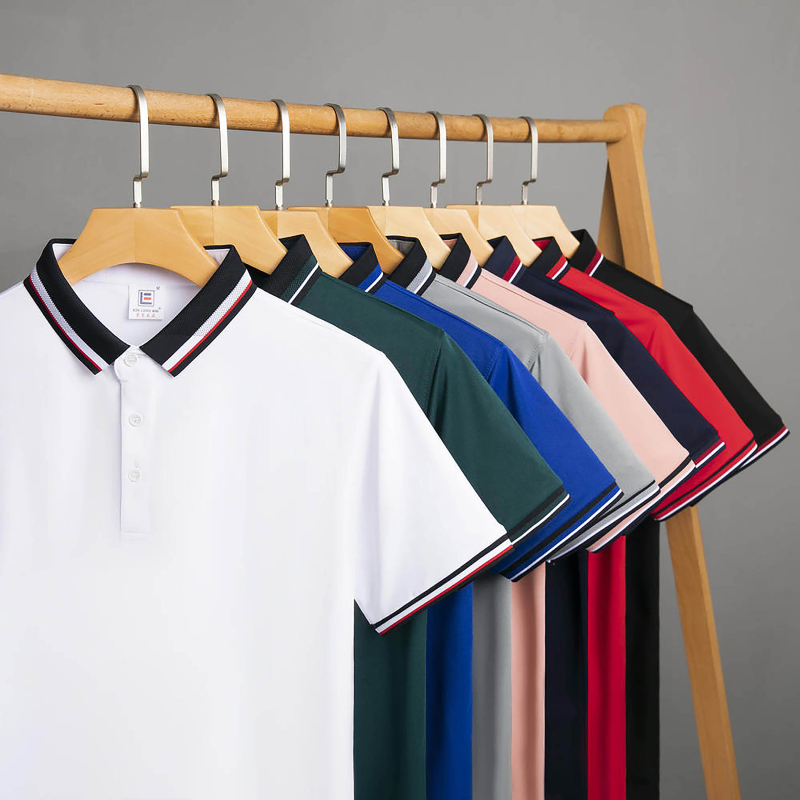
| Colorways | Multiple; lab dips within 5–7 days typical |
| Typical test data |
Colorfastness to washing (ISO 105-C06): 4–4.5/5 ≈ Pilling resistance (ISO 12945-2): 4/5 ≈ Air permeability (ISO 9237): 400–650 mm/s ≈ |
| Cert notes | OEKO-TEX Standard 100 potential; factory ISO 9001 typical |
| Origin | China |

How it’s made (short process flow)
- Materials: fine denier regenerated cellulose yarns (ice-silk imitation cotton + cupro).
- Knitting: honeycomb/pique on circular knit machines; stitch density tuned for airflow.
- Dyeing/finishing: low-alkali dyeing, softener, slight calendaring for drape; optional anti-shrink finish.
- Cut & sew: rib collar, reinforced placket, bartacks at high stress points.
- Testing: ISO 105, ISO 12945, ISO 9237; safety per GB/T 18401 where applicable.
- Service life: ≈ 2–3 years in corporate wear with normal care (40°C wash, line dry).
- Industries: hospitality, retail uniforms, travel teams, light outdoor, events.
Where it shines
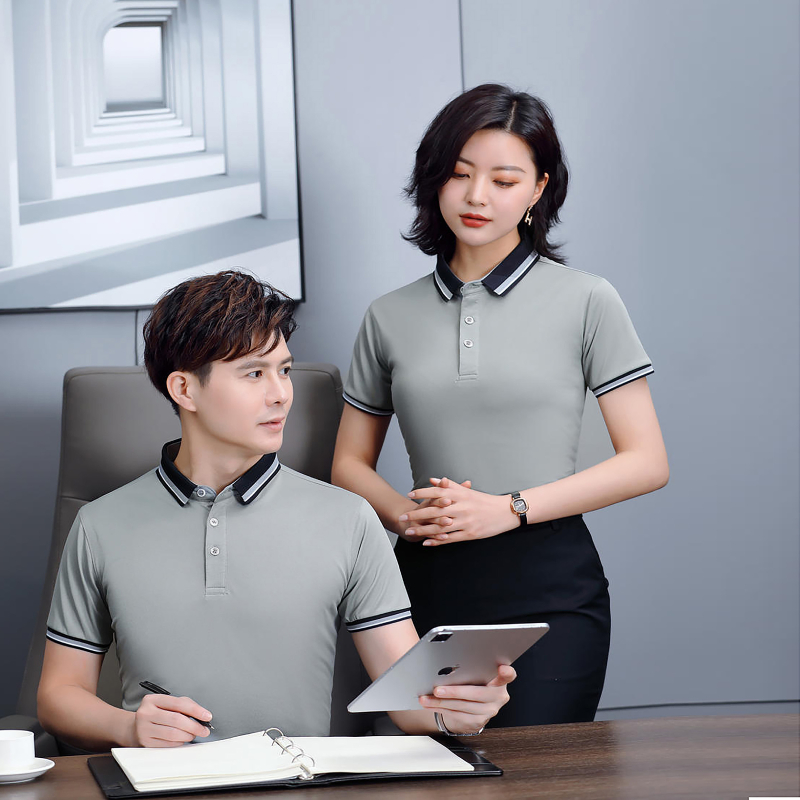
For summer uniforms and branded merch, the honeycomb polo shirt gives that cool-to-touch feel and holds embroidery pretty cleanly. Golf and conference crews like the drape; warehouse teams prefer its quick dry. However, if you need extreme snag resistance, a recycled poly variant might edge it out.
Vendor comparison (what buyers actually ask me)
| Option | Fiber & Feel | Pros | Considerations |
|---|---|---|---|
| QH-3006 (this model) | 65% ice-silk imitation cotton / 35% cupro; cool, drapey | High airflow; premium hand; good color depth | Slightly delicate vs. heavy poly in rough use |
| Generic 100% ring-spun cotton | Classic pique; familiar | Natural fiber story; easy branding | Heavier; slower dry; can fade faster |
| Recycled poly pique | Sporty, resilient | Snag-resistant; moisture-wicking | Less natural hand; heat retention in peak summer |

Customization and real-world use
- Logos: embroidery up to 12k stitches looks crisp; DTF prints advised for gradients.
- Fits: standard, tapered, and women’s graded blocks; collars can be firmed with hidden fusible.
- Moq & lead time: around 300 pcs per color; 25–35 days after PP sample approval.
Case study: a hotel chain in Shenzhen switched to the honeycomb polo shirt for concierge and bell teams. Feedback after 60 days—“cooler lobby shifts, fewer collar curls, less lint pickup.” Not a lab metric, but I trust bell captains.
Care tips and caveats
Wash cold or 40°C max, mild detergent, line dry. Light steam restores the collar roll. The honeycomb polo shirt doesn’t love harsh tumble heat—shape while damp for best drape.
Citations
- ISO 105-C06: Textiles — Tests for colour fastness — Colour fastness to domestic and commercial laundering.
- ISO 9237: Textiles — Determination of the permeability of fabrics to air.
- ISO 12945-2: Textiles — Determination of fabric propensity to surface pilling.
- OEKO-TEX Standard 100: Testing for harmful substances in textiles.
- GB/T 18401: National general safety technical code for textile products (China).
Latest news
-
Professional Tactical Reflective Jacket for Maximum Safety Guide
NewsApr.16,2026
-
Professional Tactical Reflective Vest for High Visibility Safety
NewsApr.09,2026
-
Enhancing Safety and Visibility with a Tactical Vest Reflective
NewsApr.07,2026
-
Comprehensive Guide to Choosing the Right Traffic Reflective Jacket for Safety
NewsApr.04,2026
-
Choosing the Right Traffic Vest for Enhanced Workplace Safety
NewsMar.31,2026
-
Comprehensive Guide to Traffic Vest Security and Worker Safety
NewsMar.28,2026
Copyright © 2026 Handan Xinda Qihang Trading Co., Ltd. All Rights Reserved. Sitemap | Privacy Policy | Top Blog | Global Service


