Mechanics rely on gloves to shield hands from grease, sharp parts, and cold—whether they’re working in a frigid garage in winter or tackling routine repairs year-round. From mechanic cold weather gloves that battle freezing temperatures to durable work mechanic gloves for daily use, and designs with targeted work gloves with finger protection to specialized winter mechanic work gloves, the right pair balances dexterity (for tight bolts), grip (for slippery tools), and durability (for rough metal). For anyone fixing cars, trucks, or machinery, these gloves turn “ouch” moments into smooth, safe workdays.
Work mechanic gloves are the backbone of a mechanic’s gear, built to handle the daily grind of auto work—grease, oil, sharp edges, and constant tool use—without sacrificing flexibility. Unlike generic work gloves, these are tailored to mechanic-specific needs: they have thin, form-fitting palms (often coated in nitrile or polyurethane) that let you feel the torque of a wrench or the fit of a bolt, while still repelling oil and grease. The back of the hand is usually made from breathable mesh or stretchy fabric to keep hands cool during long jobs, and many feature reinforced stitching at stress points (like the thumb saddle or finger joints) to resist tearing when pulling on hoses or gripping tools. For example, a pair of work mechanic gloves might have a seamless palm (to avoid rubbing blisters) and a low-profile wrist closure (to keep grease out) — perfect for oil changes, brake repairs, or tune-ups. Whether you’re a professional mechanic or a DIY car enthusiast, work mechanic gloves protect hands from scrapes and chemicals while keeping your grip sharp on every task.
Mechanic cold weather gloves solve a critical winter problem: how to stay warm while still handling small parts, tight bolts, or delicate electrical work. These gloves avoid the bulk of generic winter gloves—instead, they use lightweight, high-loft insulation (like 3M Thinsulate, 40g–60g) that traps heat without adding thickness, so you can still wrap your fingers around a socket wrench or pinch a washer. The palm is often coated in oil-resistant nitrile (to grip slippery tools even in cold) and the outer shell is made from windproof, water-resistant fabric (like nylon with a DWR coating) to block garage drafts or accidental spills. Many mechanic cold weather gloves also have touchscreen-compatible fingertips (so you can check repair guides on your phone without removing them) and snug cuffs that tuck under jacket sleeves to seal out cold. For example, a pair of mechanic cold weather gloves might have a fleece-lined interior (for soft warmth) and a reinforced index finger (for pushing small pins or connectors) — ideal for winter oil changes, battery replacements, or working on frozen engine parts. These gloves prove you don’t have to choose between warm hands and getting the job done right.
When temperatures drop below freezing—whether you’re working in an unheated garage or roadside in winter—winter mechanic work gloves step up the warmth and protection. These are thicker than mechanic cold weather gloves but still engineered for mechanic tasks: they use multi-layer insulation (like a fleece liner plus a thermal membrane) and a windproof, waterproof outer shell (often made from heavy-duty polyester or neoprene) to block snow, sleet, and bitter winds. The palm is usually a thick, oil-resistant material (like leather or reinforced nitrile) that stands up to rough metal and frozen parts, and some designs add padded knuckles for extra protection against bumps from cold, hard components. For example, a pair of winter mechanic work gloves might have a removable fleece liner (so you can wash the outer shell separately) and a extended wrist cuff (to cover your forearms and keep cold air out) — perfect for winter roadside assistance, truck repairs in sub-zero temps, or working on farm machinery in snow. Unlike casual winter gloves, winter mechanic work gloves don’t go limp or lose grip when cold—they stay sturdy, flexible, and ready for whatever the job throws at you.
Mechanics’ fingers take a beating—from pinching them between parts to scraping them on sharp metal or burning them on hot engines. Work gloves with finger protection target these risks with specialized design: some have reinforced finger caps (made from tough synthetic leather or rubber) that shield the tips from impacts or cuts, while others use padded inserts along the fingers to absorb shock when handling heavy tools. Many also have “finger gussets” (stretchy fabric between fingers) that prevent tearing when spreading fingers wide to grip large parts, and oil-resistant coatings that keep fingers from slipping on wet or greasy components. For example, a pair of work gloves with finger protection might have reinforced index and middle fingers (the most used digits for turning screws or holding parts) and a heat-resistant palm (to handle warm engine blocks) — ideal for valve adjustments, transmission work, or replacing exhaust parts. These gloves don’t just protect—they let you work with confidence, knowing your fingers are safe from the small but painful hazards of auto repair.
Work gloves mechanic (a term often used interchangeably with work mechanic gloves) encompasses all gloves built for mechanic work, from light-duty options for quick fixes to heavy-duty pairs for major overhauls. This category includes gloves with varying levels of protection: thin, disposable nitrile gloves for tasks requiring maximum dexterity (like electrical work), medium-weight gloves with oil-resistant palms for routine repairs, and thick, insulated pairs for winter jobs. What unites all work gloves mechanic is their focus on “mechanic-friendly” features: no bulky seams that get in the way of tight spaces, no loose fabric that catches on parts, and materials that stand up to repeated exposure to oil, gasoline, and cleaning solvents. For example, a multi-purpose pair of work gloves mechanic might have a stretchy spandex back (for breathability) and a nitrile-coated palm (for grip) — suitable for everything from changing a tire to replacing a water pump. Whether you’re working on a classic car or a modern truck, work gloves mechanic adapt to the task, keeping your hands protected and your work efficient.
Yes—most work mechanic gloves are machine-washable (check the care label first). Use a mild detergent (avoid bleach or fabric softener, which break down grip coatings) and wash on a gentle cycle with cold or warm water. Air-dry them (tumble-drying can damage nitrile or insulation) — this preserves the palm’s grip and the glove’s shape. For heavy grease, pre-treat stains with a degreasing soap before washing.
It depends on the insulation:
mechanic cold weather gloves with 40g–60g Thinsulate work well for 20°F to 32°F; for temps below 20°F, opt for
winter mechanic work gloves with thicker insulation (80g+ Thinsulate) or a thermal liner. Look for windproof outer shells—wind chill makes cold feel worse, so blocking wind is just as important as insulation.
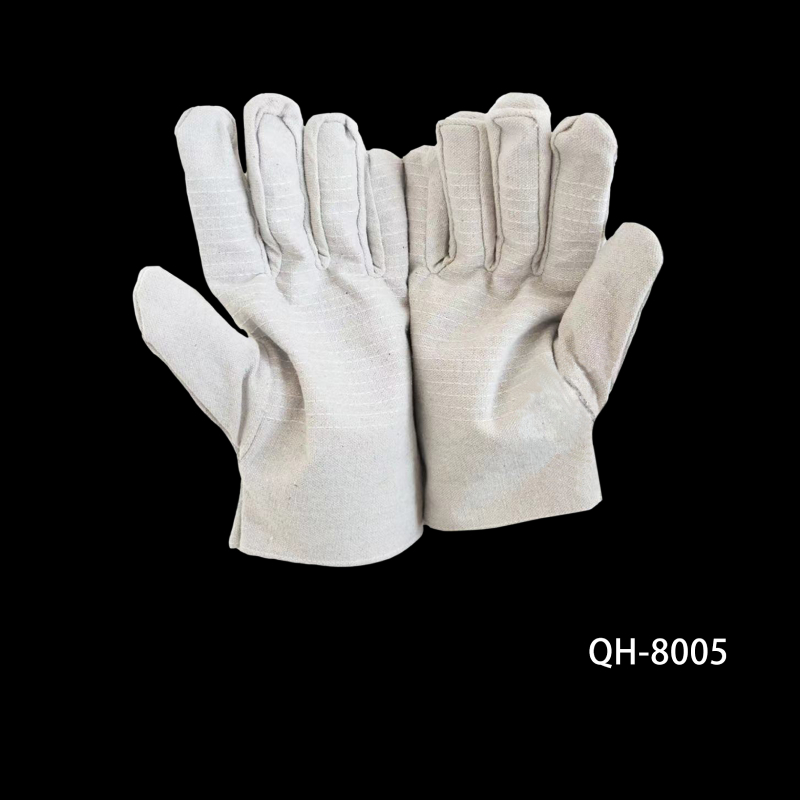
No—quality work gloves with finger protection use thin, flexible reinforced materials (like lightweight synthetic leather) that add protection without bulk. Many have pre-curved fingers that follow your hand’s natural shape, so you can still handle small parts (like washers or fuses) or use precision tools (like screwdrivers) with ease. Avoid overly thick finger guards—they’re better for heavy construction, not mechanic work.
Work mechanic gloves are designed for oil, grease, and auto parts: they have oil-resistant palm coatings (nitrile/polyurethane), thin palms for dexterity, and reinforced areas for sharp metal. Regular work gloves (like construction gloves) are thicker, focus on impact protection (padded knuckles), and aren’t as oil-resistant—they’ll get slippery and wear out fast on mechanic tasks.
Yes—their waterproof, insulated design works for snow shoveling, snowblowing, or other outdoor winter tasks. However, keep in mind their mechanic-specific features (like oil-resistant palms) might not be necessary for casual use. If you only need gloves for snow, a cheaper casual pair works—but if you want one pair for both mechanic work and snow, winter mechanic work gloves are a versatile choice.