
+8615630398555

Oct . 01, 2025 12:55 Back to list
Need professional chef aprons—custom, waterproof, durable?
What Pros Really Want From Chef Aprons in 2025
If you work the line, you already know: aprons are not a costume. They’re load-bearing garments. The current sweet spot for professional chef aprons blends workwear durability, credible testing data, and simple customization. To be honest, the best ones disappear when you’re in motion—until hot beurre noisette splashes, or your towel loop saves a frantic second.

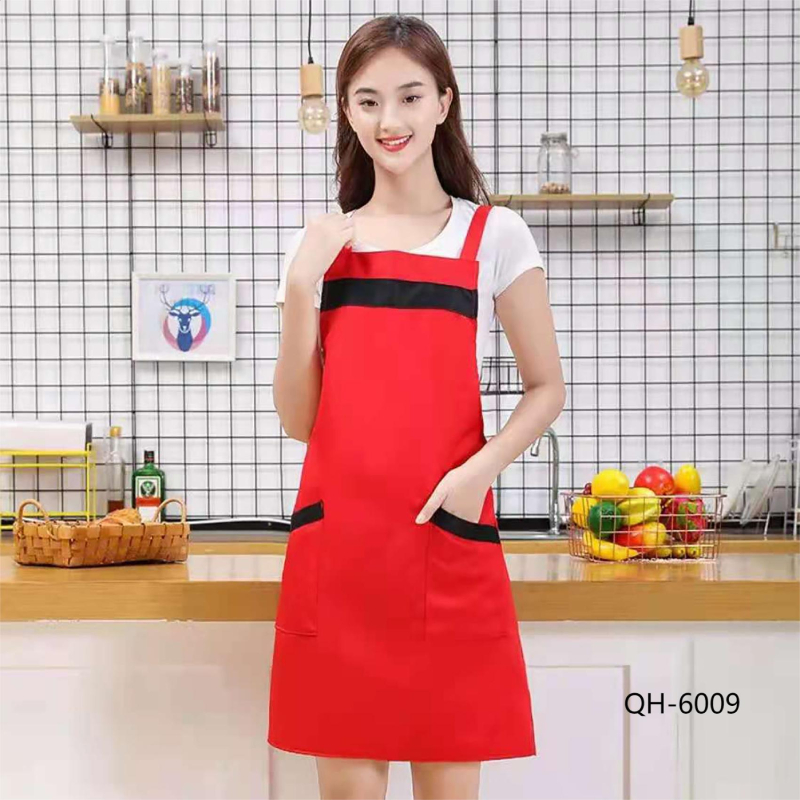
Product snapshot: Apron QH-6008 (China)
Origin: China. Model: QH-6008. Brand line: workwear-grade. Color: multi-color options. Size: one size fits most. Many customers say it feels lighter than it looks, which is handy for doubles.
| Spec | Details (≈ real-world) |
|---|---|
| Fabric options | Workwear poly–cotton twill 65/35 (≈240–280 gsm) or PU-coated polyester for wet prep |
| Stitching | Double-needle seams; bar-tacks at stress points (pockets, ties) |
| Finish options | Soil release, DWR (water/oil repellent), colorfast reactive dyes |
| Testing (typical lot) | Martindale abrasion >40,000 cycles (ISO 12947); Tear strength 18–22 N (ASTM D1424); Shrinkage |
| Service life | ≈12–18 months under daily restaurant laundering; longer for FOH/light prep |
| Certifications (on request) | Factory ISO 9001; fabric OEKO-TEX Standard 100; REACH compliance; EN ISO 13688 general requirements |
Process flow (how they’re built)
Materials sourcing → weaving/knitting → dyeing/finishing (soil release/DWR) → cutting on graded patterns → reinforcement (bar-tacks, grommets) → double-needle assembly → quality checks (tensile, colorfastness ISO 105-C06, AATCC 22 spray) → pilot wash tests (ISO 15797) → packing. It sounds dry, but small details—like pocket bar-tack density—decide whether a pen pocket rips in week two or not.
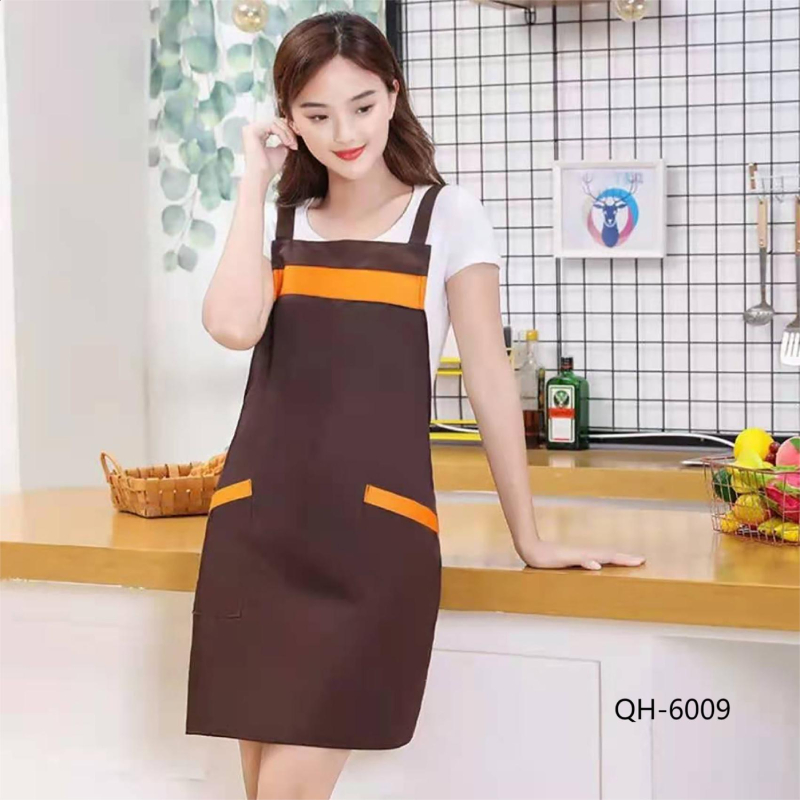
Where they’re used
- Hot line, pastry, bakery, banquets, hotels, culinary schools, food processing, even pop-ups. In fact, baristas keep borrowing them. With professional chef aprons, the real trick is balancing movement, protection, and easy care. Grease happens; laundering must be forgiving.
Vendor comparison (quick take)
| Vendor | Fabric weight | Certs (typ.) | Customization | Lead time | MOQ/Price |
|---|---|---|---|---|---|
| XDQH PPE – Apron QH-6008 | ≈240–280 gsm | ISO 9001, OEKO-TEX | Logos, pockets, D-rings, coated fabric | 15–30 days | Low–mid MOQ; value pricing |
| Generic Importer | ≈200–220 gsm | Varies | Limited | 7–20 days | Lowest; higher variance |
| Boutique Brand | ≈300+ gsm premium | OEKO-TEX, BSCI factory | Extensive, small runs | 30–60 days | High |
Customization that matters
- Embroidered or heat-transfer logos; knife/thermometer pockets; towel loops; adjustable cross-back straps; grommeted neck for durability; PU-coated panels for dish/seafood stations. With professional chef aprons, I’d prioritize long waist ties, bar-tacks, and soil-release finish over flashy colors—unless you’re FOH.
Field feedback and test data
From a mixed-lot test: AATCC 22 spray rating 80–90 (new), 70 after 30 industrial washes (ISO 15797); tensile (ASTM D5034) warp/weft ≈ 900/650 N on twill; stain release (AATCC 130) 3.5–4. These are solid for daily kitchen abuse; obviously, results vary by fabric option and laundry chemistry.
Mini case study
A regional bistro group (18 outlets) swapped to QH-6008 with soil-release finish and reinforced pockets. Over six months, apron replacement rate dropped ≈22%, and laundry rejects (color loss, seam failure) fell by ~18%. Chefs liked the cross-back option—less neck strain. Surprisingly, FOH adopted the same cut with lighter fabric for brand consistency.
Bottom line
If you need professional chef aprons that hold up, look for tested workwear fabrics, proper reinforcement, and realistic wash performance data. Fancy is optional; reliable isn’t.
Authoritative references
Latest news
-
Professional Tactical Reflective Jacket for Maximum Safety Guide
NewsApr.16,2026
-
Professional Tactical Reflective Vest for High Visibility Safety
NewsApr.09,2026
-
Enhancing Safety and Visibility with a Tactical Vest Reflective
NewsApr.07,2026
-
Comprehensive Guide to Choosing the Right Traffic Reflective Jacket for Safety
NewsApr.04,2026
-
Choosing the Right Traffic Vest for Enhanced Workplace Safety
NewsMar.31,2026
-
Comprehensive Guide to Traffic Vest Security and Worker Safety
NewsMar.28,2026
Copyright © 2026 Handan Xinda Qihang Trading Co., Ltd. All Rights Reserved. Sitemap | Privacy Policy | Top Blog | Global Service


