
+8615630398555

Sep . 04, 2025 14:52 Back to list
Premium Construction Workwear: Durable, Safe & Fashionable
Industry Trends & Evolution in Professional Workwear
The modern construction industry demands more than just basic protection from its protective apparel. Today's construction workwear is at the forefront of innovation, driven by a confluence of evolving safety standards, technological advancements, and a growing emphasis on worker comfort and well-being. Current trends point towards a significant shift from utilitarian garments to highly engineered personal protective equipment (PPE) that integrates smart textiles, sustainable practices, and ergonomic designs.
Key trends shaping the future of industrial safety apparel include the rise of intelligent workwear, incorporating sensors for vital signs monitoring or fall detection, and the adoption of advanced material science for enhanced protection without compromising mobility. There's a considerable push for sustainable materials and manufacturing processes, aligning with global environmental objectives and corporate social responsibility initiatives. Furthermore, the demand for `fashionable construction clothes` is growing, as companies recognize the positive impact of professional and aesthetically pleasing uniforms on worker morale, team cohesion, and brand image, without sacrificing critical safety features.
Ergonomic design is paramount, focusing on reducing fatigue and preventing musculoskeletal injuries by tailoring garments to natural body movements and integrating features like stretch panels and articulation points. High-visibility elements are becoming more sophisticated, moving beyond simple reflective tape to advanced retroreflective and fluorescent materials that offer superior visibility in diverse low-light conditions. These trends collectively contribute to a paradigm where workwear is not merely a uniform but a vital tool for safety, productivity, and overall operational excellence.
Technical Specifications and Material Science in Modern Workwear
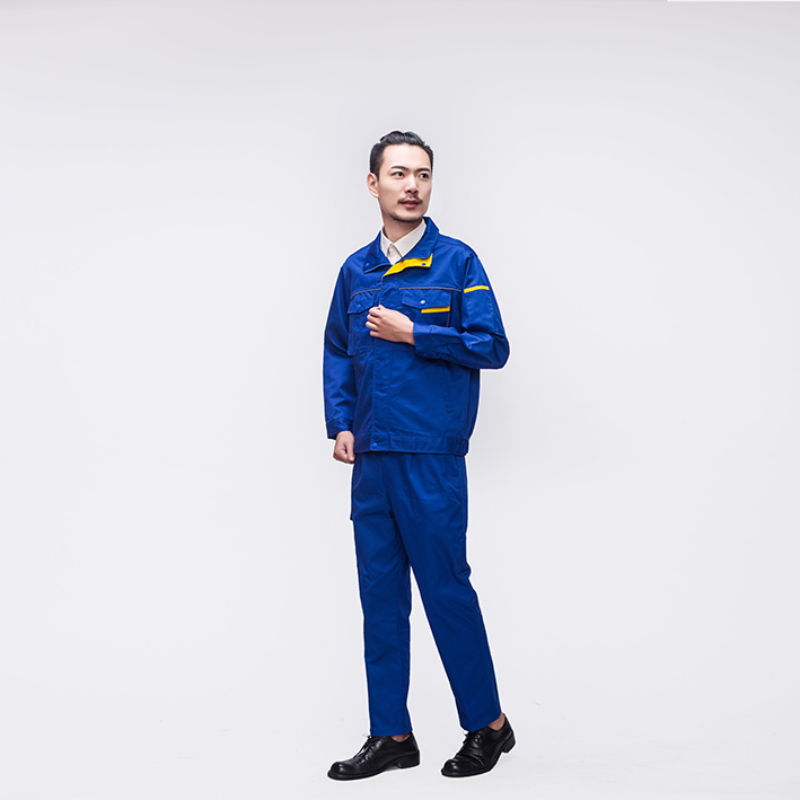
The efficacy of any construction workwear hinges critically on its technical specifications and the advanced material science behind its fabrication. Our QH-2007 line, for instance, exemplifies this commitment to superior engineering, utilizing a blend of high-performance fabrics designed for optimal durability, comfort, and protection. Key materials often include Cordura® for exceptional abrasion resistance, Ripstop fabrics to prevent tears, and sometimes aramid fibers like Kevlar® for cut and puncture protection in critical areas.
Fabric blends are meticulously chosen: a typical composition might involve a polyester-cotton blend (e.g., 65% Polyester, 35% Cotton) for a balance of durability, breathability, and color retention, often treated with specialized finishes for water repellency or stain resistance. For applications requiring flame resistance, fabrics woven with inherent FR properties or treated with advanced FR chemicals, meeting standards like EN ISO 11612, are employed. Moisture-wicking technologies are integrated into base layers or inner linings to manage perspiration effectively, enhancing comfort during strenuous activity and in varied climatic conditions.
Product Specification: QH-2007 Construction Workwear Trouser
| Parameter | Specification (QH-2007) | Relevant Standard |
|---|---|---|
| Material Composition | 65% Polyester, 35% Cotton Twill; 280 GSM | OEKO-TEX® Standard 100 |
| Tensile Strength (Warp/Weft) | >800 N / >700 N | ISO 13934-1 |
| Tear Strength (Warp/Weft) | >80 N / >60 N | ISO 13937-2 |
| Abrasion Resistance | >50,000 cycles (Martindale) | EN ISO 12947-2 |
| Color Fastness to Washing | Grade 4-5 | ISO 105 C06 |
| Water Repellency | Durable Water Repellent (DWR) finish | ISO 4920 |
| Knee Pad Pockets | Reinforced Cordura®, top-loading | EN 14404 (Type 2, Level 1 compatibility) |
Beyond the primary fabric, components such as zippers (YKK heavy-duty), stitching threads (polyester corespun for strength), and reflective tapes (segmented for flexibility, meeting EN ISO 20471 Class 2) are chosen for their resilience and performance. The service life of such garments, when properly maintained, can extend beyond 2-3 years in typical industrial environments, a testament to the robust material selection and manufacturing quality.
Manufacturing Process Flow for construction workwear
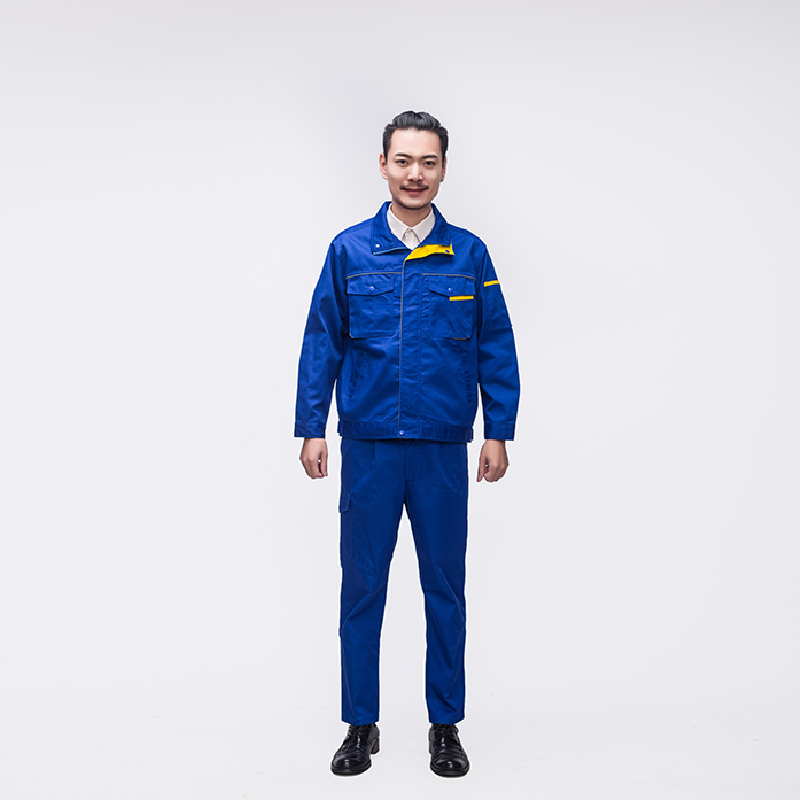
The production of high-quality construction workwear involves a meticulously controlled, multi-stage manufacturing process designed to ensure both functional performance and compliance with stringent safety standards. This systematic approach guarantees that each garment, from raw material to finished product, meets the exacting requirements of industrial applications.
Process Steps:
- 1. Raw Material Sourcing & Inspection: Selection of high-grade fabrics (e.g., polyester-cotton blends, specialized FR materials), threads, zippers, buttons, and reflective tapes from certified suppliers. Incoming materials undergo rigorous inspection for quality, consistency, and compliance with technical specifications (e.g., fabric weight, weave, colorfastness, chemical treatments).
- 2. Design & Pattern Development: Utilizing advanced CAD (Computer-Aided Design) systems, garment patterns are developed and optimized for ergonomic fit, mobility, and functionality. This stage considers specific requirements for various body types, incorporating features like articulated knees or gusseted crotches for enhanced comfort and freedom of movement.
- 3. Fabric Spreading & Cutting: Large rolls of fabric are precisely spread in multiple layers. Automated CNC (Computer Numerical Control) cutting machines or laser cutters are then used to cut out garment components according to the digital patterns, ensuring high accuracy and minimal material waste.
- 4. Sewing & Assembly: Skilled technicians assemble the cut fabric pieces using industrial-grade sewing machines. This stage involves specialized stitching techniques, such as double-needle stitching for critical seams, bar-tacking at stress points (e.g., pocket corners, belt loops) for reinforcement, and flatlock seams for comfort. Reflective materials, knee pad pockets, and other functional elements are integrated here.
- 5. Embellishment & Branding: Company logos, employee names, or departmental identifiers are added through embroidery, heat transfer, or screen printing techniques, often requiring specific placement and material compatibility considerations to maintain garment integrity and safety features.
- 6. Quality Control & Testing: Each garment undergoes a multi-point quality inspection, checking for stitching integrity, dimension accuracy, fabric defects, and proper functionality of zippers and fasteners. Batches are subjected to performance tests including tensile strength (ISO 13934), tear resistance (ISO 13937), abrasion resistance (EN ISO 12947), colorfastness (ISO 105), and specific protective standards like EN ISO 11612 (protection against heat and flame) or EN ISO 20471 (high-visibility).
- 7. Finishing & Packaging: Final garments are pressed, folded, and individually packaged, often with care instructions and relevant certification labels. They are then prepared for shipment, ensuring protection during transit.
Throughout this process, adherence to international testing standards such as ISO (International Organization for Standardization) and ANSI (American National Standards Institute) is paramount. These standards ensure that the workwear not only meets but often exceeds the minimum requirements for safety and durability, contributing to an extended service life and enhanced worker protection. The rigorous testing regimen guarantees consistency across production batches, delivering reliable performance in demanding environments.
Advanced Features and Technical Advantages
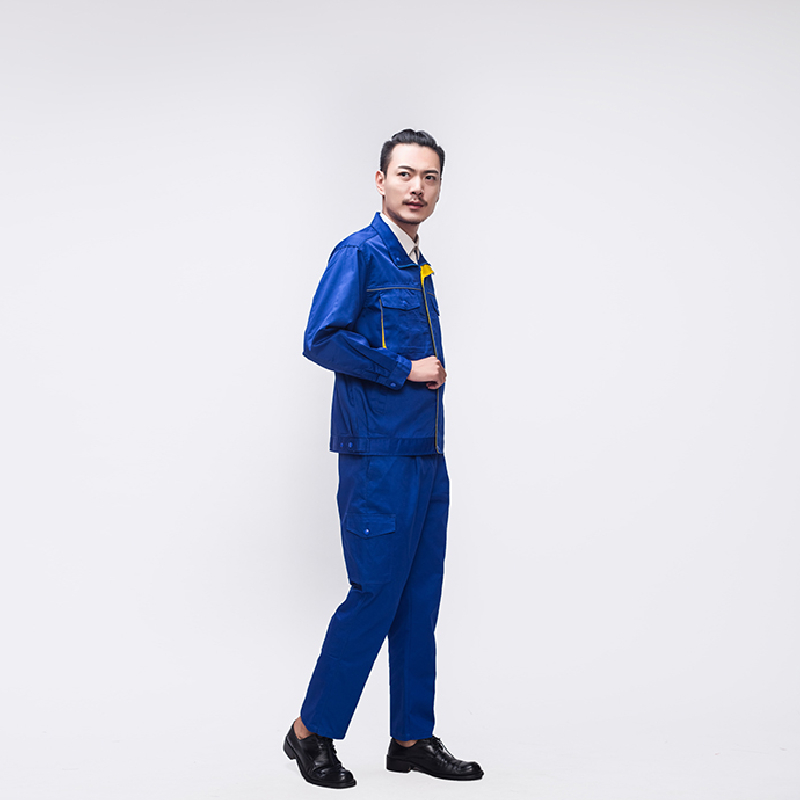
Modern construction workwear incorporates a suite of advanced features designed to maximize utility, worker protection, and operational efficiency. Beyond basic fabric construction, these garments are engineered with specific challenges of harsh industrial environments in mind, delivering tangible benefits to businesses and their workforce.
- Ergonomic Design & Mobility: Garments are anatomically contoured with pre-bent knees, articulated elbows, and stretch panels in critical areas (e.g., crotch gussets, back). This design minimizes restriction of movement, reducing worker fatigue and the risk of strains, ultimately contributing to higher productivity over long shifts.
- Multi-Functional Storage Solutions: Strategically placed pockets with reinforced linings, specialized tool loops, and secure closures (e.g., Velcro, heavy-duty zippers) ensure tools and personal items are safely and accessibly stored. This reduces time spent searching for equipment and prevents lost items, streamlining workflows.
- Reinforced Stress Points: High-wear areas such as knees (with Cordura® knee pad pockets compatible with EN 14404 certified pads), elbows, and pocket openings are reinforced with durable fabrics or extra stitching (bar-tacks). This significantly extends the garment's service life, reducing replacement costs and increasing ROI.
- Advanced Moisture Management: Fabrics are engineered to be breathable and often incorporate moisture-wicking properties, pulling sweat away from the body to the fabric's surface where it can evaporate. This keeps workers dry and comfortable, preventing heat stress in warm conditions and hypothermia in cold environments.
- Enhanced Visibility & Safety: The integration of segmented retroreflective tape, compliant with EN ISO 20471 (Class 1, 2, or 3), significantly enhances worker visibility in low-light conditions, at dusk, or during night operations, reducing the risk of accidents with moving vehicles or machinery.
- Anti-Static Properties: For environments where static discharge can pose a hazard (e.g., petrochemical, explosive atmospheres), garments can incorporate conductive fibers to dissipate static electricity, meeting standards like EN 1149-5.
These technical advantages translate into direct benefits for businesses: enhanced worker safety through superior protection, improved productivity due to increased comfort and mobility, reduced injury rates leading to lower insurance costs and downtime, and extended garment life, making the initial investment more cost-effective. Furthermore, the selection of robust materials and construction methods contributes to a reduced need for frequent replacement, which indirectly supports energy saving goals by decreasing manufacturing demand for new garments and reducing waste.
Application Scenarios and Target Industries
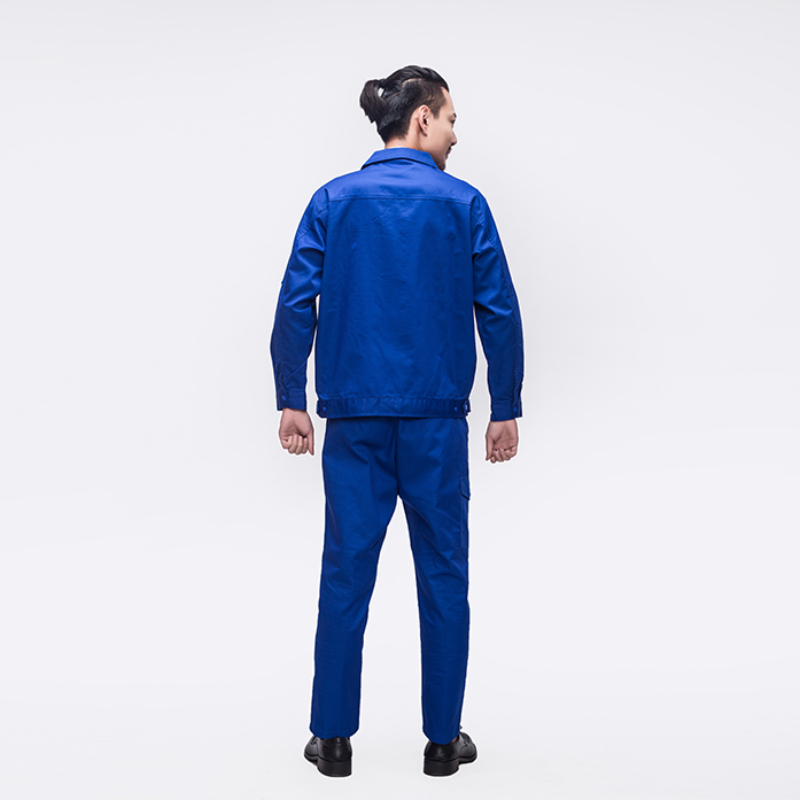
The versatility and specialized design of high-performance workwear make it indispensable across a spectrum of demanding industries. Each sector presents unique hazards, and the appropriate construction workwear is specifically engineered to mitigate these risks while optimizing worker performance.
- Petrochemical Industry: Workers in oil refineries, gas processing plants, and chemical manufacturing face risks from flash fires, chemical splashes, and static discharge. Workwear for this sector typically includes flame-resistant (FR) fabrics compliant with EN ISO 11612 and NFPA 2112, chemical-resistant finishes, and anti-static properties (EN 1149-5). These garments provide crucial protection against severe burns and minimize the risk of igniting explosive atmospheres.
- Metallurgy & Foundries: Environments with molten metal, intense radiant heat, and sparks demand specialized protection. Workwear for metallurgy is often made from inherently flame-resistant fabrics with high-temperature resistance, offering protection against molten metal splash (EN ISO 11612 codes D and E) and radiant heat (code C). The robust construction also provides enhanced abrasion resistance against sharp metal edges.
- Water Supply & Drainage / Utilities: Technicians working on water infrastructure, sewage systems, or underground utilities require protection against water, mud, and often operate in low-visibility areas. Garments feature durable water-resistant or waterproof breathable membranes (e.g., GORE-TEX® equivalents), high-visibility elements (EN ISO 20471), and robust construction to withstand abrasive surfaces. The emphasis is on keeping workers dry, visible, and comfortable in damp, often confined, spaces. The corrosion resistance of fasteners and treatment of fabrics also helps in prolonging garment life in wet and chemically varied conditions.
- General Construction & Infrastructure: From residential builds to large-scale infrastructure projects, workers are exposed to dust, dirt, sharp objects, heavy machinery, and varying weather. Here, the focus is on extreme durability, reinforced stress points, integrated knee protection (EN 14404), high-visibility options, and ergonomic design to facilitate movement during demanding tasks like lifting and climbing. The robust nature of the workwear contributes to energy saving by reducing the need for frequent replacement.
In all these scenarios, the selection of appropriate workwear directly impacts worker safety, comfort, and productivity, while also contributing to compliance with occupational health and safety regulations. The ability of the garment to resist degradation from environmental factors (e.g., UV, moisture, mild chemicals) further extends its functional lifespan, demonstrating intrinsic corrosion resistance in a broader context.
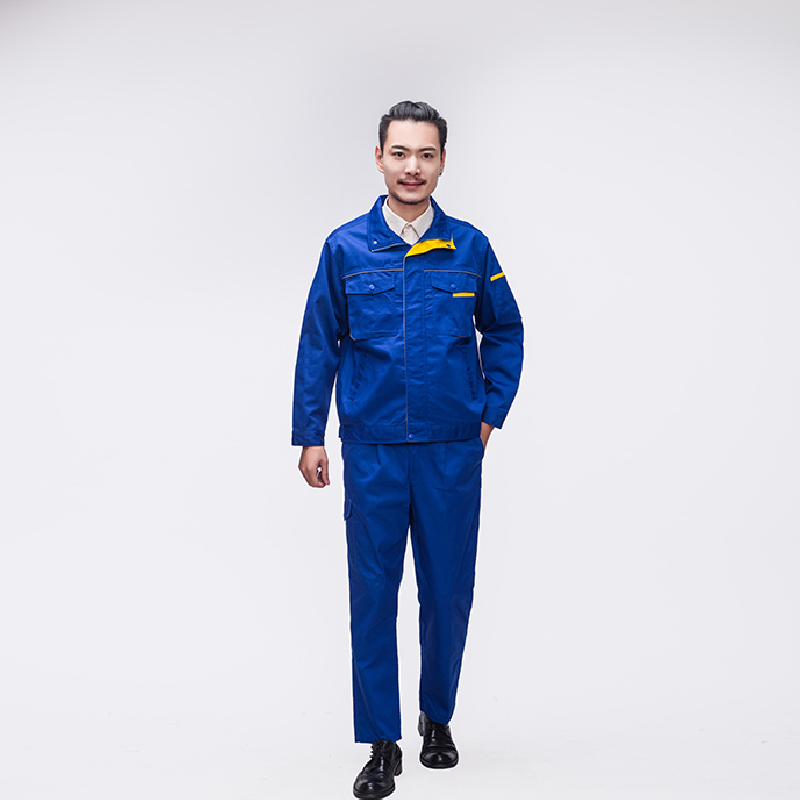
Vendor Comparison: Evaluating construction workwear clothing Suppliers
Selecting the right supplier for construction workwear clothing is a critical decision for any B2B entity, impacting everything from worker safety and comfort to operational costs and brand image. A comprehensive vendor comparison goes beyond initial price, focusing on long-term value, product quality, certification adherence, and service capabilities. Here’s a comparative overview of key criteria:
Workwear Vendor Comparison Table
| Feature/Criterion | Vendor A (Premium Specialist) | Vendor B (Balanced Provider) | Vendor C (Cost-Effective Solution) |
|---|---|---|---|
| Material Quality | Top-tier technical fabrics (e.g., Cordura, Kevlar blends); high GSM | Durable poly-cotton blends; good GSM with reinforcements | Standard poly-cotton blends; basic durability |
| Certifications | Extensive (EN ISO 11612, 20471, 14404, NFPA, OEKO-TEX) | Common (EN ISO 20471, 14404, basic FR options) | Minimal, often only basic CE compliance |
| Ergonomics & Design | Advanced ergonomic cuts, stretch panels, articulated joints | Standard ergonomic features; functional design | Basic fit; primarily functional |
| Customization Options | Full bespoke solutions, advanced branding, specialized features | Standard branding (embroidery/print), minor modifications | Limited branding; off-the-shelf sizes only |
| Durability & Service Life | Excellent (>3 years under heavy use) | Good (2-3 years under moderate use) | Average (1-2 years under light use) |
| Lead Time | 4-8 weeks (custom orders) | 2-4 weeks (stock & standard custom) | 1-2 weeks (stock) |
| Pricing Strategy | Premium investment for superior performance & longevity | Mid-range, balancing quality and cost | Budget-friendly, focused on initial cost savings |
When evaluating `construction workwear clothing` vendors, it's crucial to align their offerings with your specific industry needs, risk assessment, and long-term budget. While a premium provider like Vendor A (representing advanced solutions such as QH-2007) may have a higher initial cost, the extended service life, superior protection, and enhanced worker comfort often result in a lower total cost of ownership (TCO) and improved safety records. Conversely, while Vendor C offers attractive upfront pricing, the potential for faster wear-and-tear and less specialized protection could lead to higher replacement costs and increased safety risks in the long run. The choice hinges on a strategic balance between immediate expenditure and enduring value.
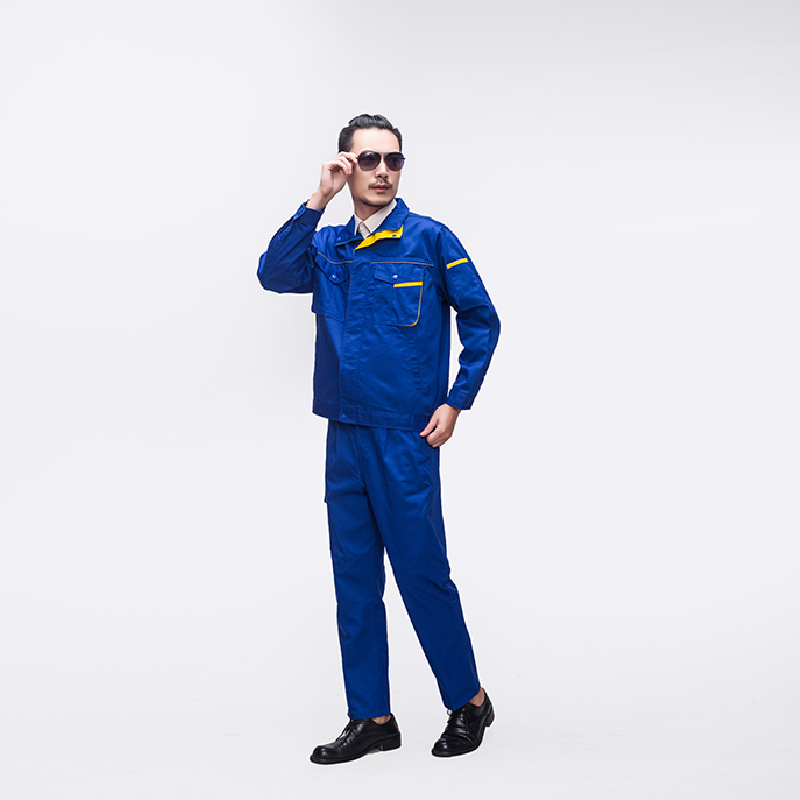
Customized Solutions and Brand Integration
Beyond off-the-shelf products, many businesses require tailored construction workwear solutions to meet unique operational demands, specific corporate branding guidelines, and diverse workforce needs. Customization capabilities are a hallmark of a responsive and professional workwear supplier, offering flexibility in design, functionality, and aesthetics.
Customization options typically include:
- Branding & Identity: Integration of company logos, employee names, and department identifiers through high-quality embroidery, heat transfer, or screen printing. This ensures brand consistency and professionalism, contributing to `fashionable construction clothes` that employees are proud to wear. Strategic placement of these elements must not compromise safety features like reflective tape or FR properties.
- Specialized Fit & Sizing: Accommodating a diverse workforce means offering extended size ranges (e.g., tall, short, larger widths) and even made-to-measure services for specific roles or individuals. This ensures optimal comfort and safety, as poorly fitting workwear can be a hazard.
- Functional Adaptations: Modifying pocket configurations, adding specific tool loops, or integrating specialized compartments for radios, tablets, or safety devices. This enhances the practicality of the garment for specific job roles, improving efficiency on site.
- Material & Feature Selection: Tailoring material composition (e.g., varying GSM, specific fabric treatments for enhanced water repellency, chemical resistance, or anti-microbial properties) or adding particular safety features like additional reflective strips, integrated knee pads, or specialized zippers for extreme environments.
- Color Palette Customization: While safety standards dictate certain high-visibility colors, other garment sections can often be customized to match corporate colors, reinforcing brand identity and creating a cohesive team appearance.
By leveraging customized solutions, businesses can equip their teams with workwear that is not only highly protective and durable but also perfectly aligned with their operational nuances and corporate image. This strategic investment in tailored workwear underscores a commitment to employee welfare and professional presentation, enhancing both internal morale and external perception.
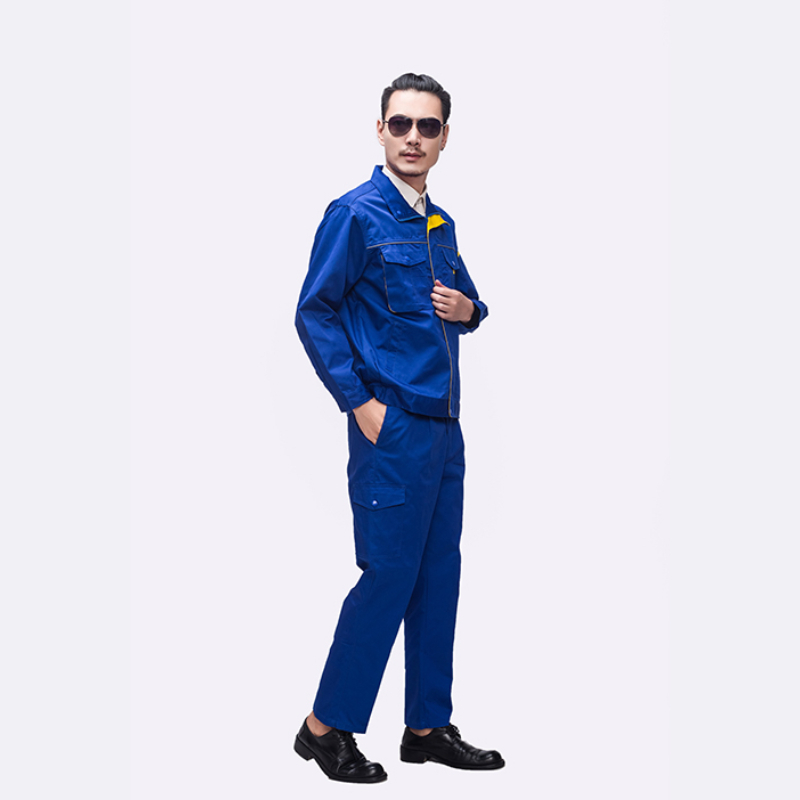
Application Case Studies and Real-World Impact
Real-world application case studies provide tangible evidence of the efficacy and value of high-quality construction workwear. These examples highlight how strategic investments in advanced protective apparel translate into measurable improvements in safety, productivity, and worker satisfaction.
Case Study 1: Major Infrastructure Project (Urban Transit Expansion)
A leading EPC (Engineering, Procurement, and Construction) contractor undertook a multi-year urban transit expansion project involving excavation, heavy machinery operation, and extensive night work. Prior to adopting our advanced workwear solutions, the project experienced a higher-than-average rate of minor injuries related to abrasions, cuts, and low-visibility incidents.
- Challenge: Need for durable, high-visibility, ergonomic workwear capable of withstanding harsh conditions and improving worker safety during day and night shifts.
- Solution: Implementation of the QH-2007 workwear trousers and corresponding jackets, featuring Cordura® reinforced knee and elbow areas, EN ISO 20471 Class 2 segmented reflective tape, and a breathable poly-cotton blend. Each garment was customized with the client's corporate branding.
- Results:
- 25% reduction in minor skin injuries (cuts, abrasions) within the first year, attributed to superior material durability.
- 18% improvement in worker visibility during night operations, as reported by site supervisors, leading to fewer near-miss incidents.
- Positive worker feedback on comfort and mobility, with a 10% increase in perceived satisfaction through anonymous surveys.
- Extended garment lifespan, reducing replacement frequency by 30% compared to previous workwear.
Case Study 2: Industrial Plant Maintenance (Petrochemical Sector)
A major petrochemical facility faced challenges with employee morale and productivity during routine maintenance tasks due to discomfort and perceived inadequacy of their existing FR (flame-resistant) workwear, particularly in hot and humid conditions.
- Challenge: Provide FR workwear that offers certified protection against flash fires while maximizing comfort and breathability in high-temperature environments.
- Solution: Deployment of specialized FR workwear (e.g., QH-2007 FR variant), incorporating lightweight, inherently flame-resistant fabrics with enhanced moisture-wicking properties, compliant with NFPA 2112 and EN ISO 11612. Garments featured ergonomic cuts to facilitate movement during complex mechanical tasks.
- Results:
- Improved worker comfort and reduced heat stress complaints by 40% during summer months.
- Reported 15% increase in task efficiency due to improved mobility and reduced discomfort, directly impacting maintenance schedules.
- Zero flash fire-related injuries or near-misses during the observation period, maintaining a perfect safety record.
- Positive feedback from safety managers regarding compliance and the enhanced protective barrier provided.
These cases underscore that investing in premium, technically superior workwear is not just a compliance expense, but a strategic decision that drives significant returns in safety, operational efficiency, and workforce satisfaction.
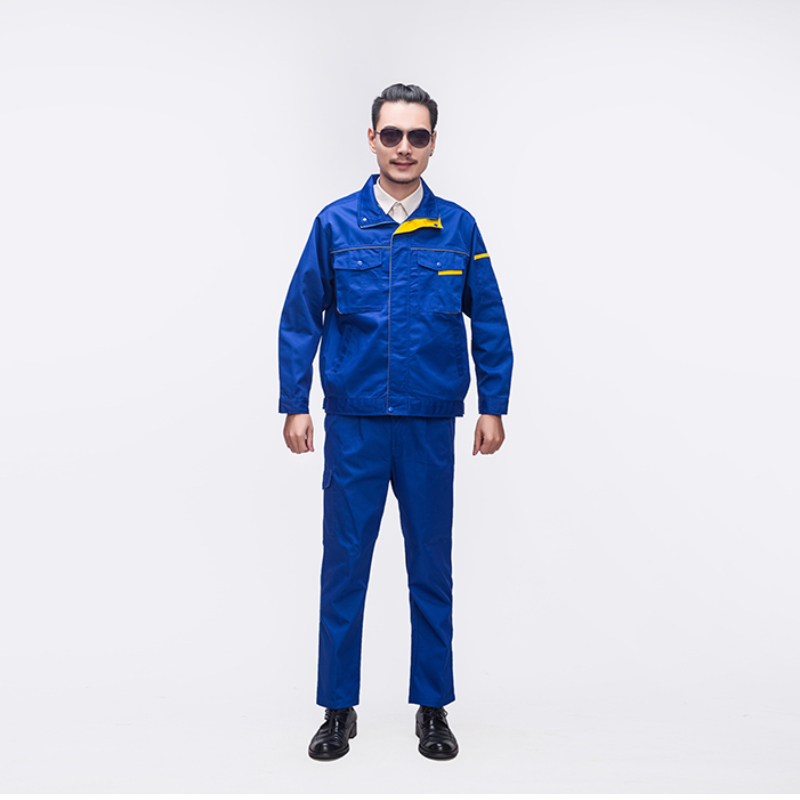
Authoritativeness and Trustworthiness: Our Commitment
Establishing trust and demonstrating authority are fundamental to our commitment as a leading provider of high-performance construction workwear. Our foundation is built on rigorous adherence to international standards, transparent operational practices, and unwavering customer support.
Certifications & Compliance:
Our manufacturing facilities and products are independently certified to meet and exceed global benchmarks. This includes:
- ISO 9001:2015: Certified Quality Management System, ensuring consistent product quality and continuous improvement across all processes.
- CE Marking: All applicable products comply with European Union safety, health, and environmental protection directives.
- Specific Product Standards: Our workwear lines are tested and certified to relevant industry standards such as EN ISO 11612 (protection against heat and flame), EN ISO 20471 (high-visibility clothing), EN 14404 (knee protection), and OEKO-TEX® Standard 100 (for harmful substances).
Partner Clients & Industry Experience:
With over 15 years of dedicated service in the industrial PPE sector, we have cultivated long-standing partnerships with a diverse portfolio of clients, including Fortune 500 companies in petrochemical, metallurgy, heavy construction, and utility sectors. Our experience spans countless projects, equipping thousands of workers with reliable and protective gear tailored to their specific challenges. Our expertise is reflected in our extensive client roster, ranging from major national infrastructure developers to international oil & gas corporations, all of whom rely on our proven product performance and service excellence.
Frequently Asked Questions (FAQ):
- Q: What is the typical lead time for an order?
- A: Standard stock orders typically ship within 1-2 weeks. For customized solutions or large-volume orders, lead times range from 4-8 weeks, depending on complexity and material availability. We provide detailed timelines upon order confirmation.
- Q: What is your warranty policy?
- A: We offer a 1-year limited warranty on all manufacturing defects from the date of purchase. This covers material and workmanship under normal use and recommended care. Specific product lines may carry extended warranties, detailed in their respective documentation.
- Q: How do you handle after-sales support and returns?
- A: Our dedicated customer support team is available via phone and email from Monday to Friday, 9:00 AM - 5:00 PM (GMT+8). For returns or warranty claims, please contact our support team with your order details. We strive for a prompt and fair resolution within 7-10 business days. Comprehensive care instructions are provided with each garment to ensure optimal lifespan and performance.
- Q: Can you accommodate specific company branding or logo requirements?
- A: Absolutely. We offer extensive customization options, including embroidery, heat transfer, and screen printing for logos and employee identification. Our design team will work closely with you to ensure brand guidelines are met while maintaining the garment's protective integrity.
Our commitment to transparency, quality, and customer satisfaction is the cornerstone of our operations, ensuring that every piece of workwear we deliver stands up to the most rigorous demands of the industrial environment.
References
- International Organization for Standardization (ISO). (n.d.). _Standards Catalogue_. Retrieved from www.iso.org
- European Committee for Standardization (CEN). (n.d.). _European Standards for PPE_. Retrieved from www.cenelec.eu
- National Fire Protection Association (NFPA). (n.d.). _NFPA 2112: Standard on Flame-Resistant Garments for Protection of Industrial Personnel Against Flash Fire_. Retrieved from www.nfpa.org
- OEKO-TEX®. (n.d.). _Standard 100 by OEKO-TEX®_. Retrieved from www.oeko-tex.com
- Health and Safety Executive (HSE). (n.d.). _Personal Protective Equipment (PPE) at Work_. Retrieved from www.hse.gov.uk
Latest news
-
Professional Tactical Reflective Jacket for Maximum Safety Guide
NewsApr.16,2026
-
Professional Tactical Reflective Vest for High Visibility Safety
NewsApr.09,2026
-
Enhancing Safety and Visibility with a Tactical Vest Reflective
NewsApr.07,2026
-
Comprehensive Guide to Choosing the Right Traffic Reflective Jacket for Safety
NewsApr.04,2026
-
Choosing the Right Traffic Vest for Enhanced Workplace Safety
NewsMar.31,2026
-
Comprehensive Guide to Traffic Vest Security and Worker Safety
NewsMar.28,2026
Copyright © 2026 Handan Xinda Qihang Trading Co., Ltd. All Rights Reserved. Sitemap | Privacy Policy | Top Blog | Global Service


