
+8615630398555

Aug . 22, 2025 12:20 Back to list
Premium Heat Resistant Welding Jacket | FR & Durable Protection
Introduction to Advanced Welding Protection
In high-stakes industrial environments, ensuring worker safety against thermal hazards and molten metal splash is paramount. The modern heat resistant welding jacket represents a critical component of personal protective equipment (PPE), engineered to provide superior defense in demanding welding and cutting operations. Unlike conventional workwear, these specialized jackets integrate advanced materials and design principles to withstand extreme temperatures, sparks, and spatter, significantly reducing the risk of burns and other injuries. This document delves into the intricacies of these protective garments, examining their technical specifications, manufacturing processes, application diversity, and the compelling advantages they offer to industries worldwide.
The evolution of welding technologies necessitates a corresponding advancement in safety gear. Today's industrial landscape, ranging from petrochemical complexes to heavy manufacturing, demands PPE that not only meets but exceeds stringent safety standards. A premium heat resistant welding jacket is not merely a piece of clothing; it is a meticulously engineered safety system, incorporating flame-resistant (FR) fabrics, reinforced stitching, and ergonomic designs to ensure both protection and unrestricted mobility for the wearer. This commitment to safety and performance is what defines the next generation of welding apparel.

Manufacturing Process: Precision Engineering for Protection
The production of a high-quality heat resistant welding jacket, such as the QH-2006 model, involves a multi-stage process, meticulously designed to ensure durability, flame resistance, and comfort. This process integrates advanced material science with precise manufacturing techniques, adhering strictly to international quality management systems like ISO 9001.
Process Flow Overview:
- Material Sourcing & Inspection: Selection of premium flame-resistant fabrics (e.g., treated cotton, aramid blends, carbon fibers) known for their inherent thermal stability and spatter resistance. Materials undergo rigorous testing for tear strength, tensile strength, and initial FR properties as per EN ISO 11611 and ASTM F1959 standards.
- CAD-Assisted Pattern Design & Cutting: Utilizing Computer-Aided Design (CAD) software for precise pattern generation, optimizing material usage and ensuring ergonomic fit. Automated CNC cutting machines execute accurate cuts, minimizing waste and ensuring consistent component dimensions.
- Assembly & Stitching: Components are meticulously assembled. High-strength, flame-resistant aramid threads (e.g., Kevlar®) are used for all stitching, employing double-needle lockstitch techniques in critical stress areas. Reinforcements are integrated at high-wear points like elbows and shoulders.
- Hardware Integration: Incorporation of durable, non-conductive, and flame-resistant closures (e.g., heavy-duty snap buttons, Velcro® flaps, or non-metallic zippers) designed for rapid donning and doffing while maintaining protective integrity.
- Quality Control & Testing: Each fr welding jacket undergoes multi-point inspection. This includes visual checks for fabric integrity, stitching quality, and component alignment. Functional tests ensure closure efficacy. Random batch testing is conducted for flame spread, molten metal resistance, and overall thermal performance according to industry standards like EN ISO 11611 (Protective clothing for welding and allied processes) and ANSI/ISEA 107 (High-Visibility Safety Apparel).
- Finishing & Packaging: Final garments are pressed, folded, and individually packaged, often with detailed product information, care instructions, and certification labels, ready for distribution.
Target industries for such robust PPE include petrochemical, metallurgy, shipbuilding, automotive manufacturing, and general heavy fabrication. The advantages in typical application scenarios are profound, extending beyond basic safety to enhanced productivity. For instance, the superior insulation provided by a high-grade heat resistant welding jacket helps reduce welder fatigue in high-temperature environments, indirectly contributing to energy saving by reducing reliance on active cooling measures. Furthermore, the inherent corrosion resistance of modern FR fabrics ensures a longer service life, minimizing replacement costs and maintaining consistent protection for several years, typically 3-5 years with proper care, significantly outperforming standard workwear.
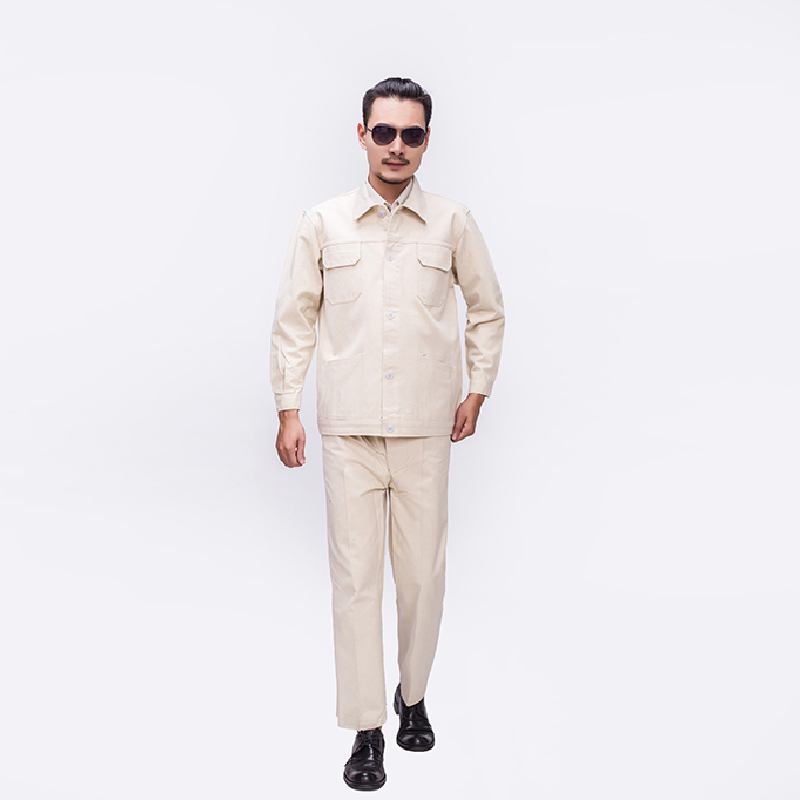
Technical Specifications: QH-2006 Heat Resistant Welding Jacket
The QH-2006 model exemplifies cutting-edge protection, engineered with specific technical parameters to meet the rigorous demands of industrial welding. This fr welding jacket combines innovative materials with a user-centric design to deliver unparalleled safety and comfort.
Product Specification Table: QH-2006
| Parameter | Specification |
|---|---|
| Product Model | QH-2006 |
| Primary Material | 88% Cotton / 12% Nylon FR Fabric (280-320 gsm) |
| Secondary Material (Reinforcements) | Cowhide Leather or Aramid Patches (Shoulders/Elbows) |
| Flame Resistance Standard | EN ISO 11611:2015 (Classes 1 & 2), ASTM F1959, NFPA 2112 |
| Molten Metal Splash Resistance | Class 2 (EN ISO 11611) - Resistant to >15 drops of molten metal |
| Arc Flash Protection (ATPV) | Minimum 12 cal/cm² (HRC 2) |
| Closure Type | Heavy-duty non-metallic snap buttons with storm flap |
| Stitching | Aramid fiber thread (Kevlar®) for enhanced durability |
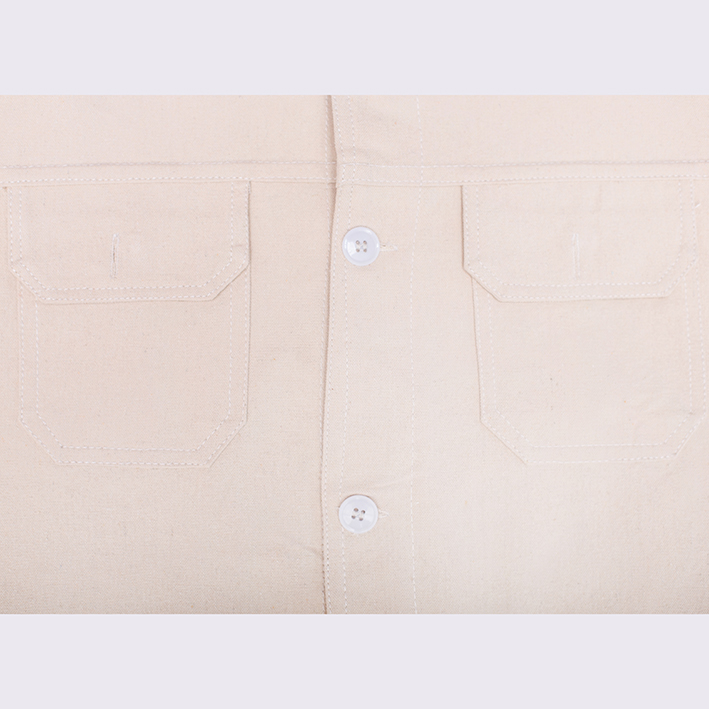
| Pockets | Multiple utility pockets with protective flaps |
| Color Options | Dark Blue, Gray, Khaki (custom options available) |
| Sizes Available | S, M, L, XL, 2XL, 3XL (Custom sizing available) |
| Compliance & Certifications | CE Marked, ISO 9001:2015 Manufacturing |
The material composition, typically an 88% cotton / 12% nylon blend, is engineered to provide an optimal balance of comfort, breathability, and inherent flame resistance. The cotton component ensures wearability, while the nylon enhances durability and tear strength, maintaining its protective properties even after multiple washes. The fabric weight (280-320 gsm) is selected to offer substantial protection without excessively hindering mobility. These technical attributes make the QH-2006 a reliable choice for professional welders.
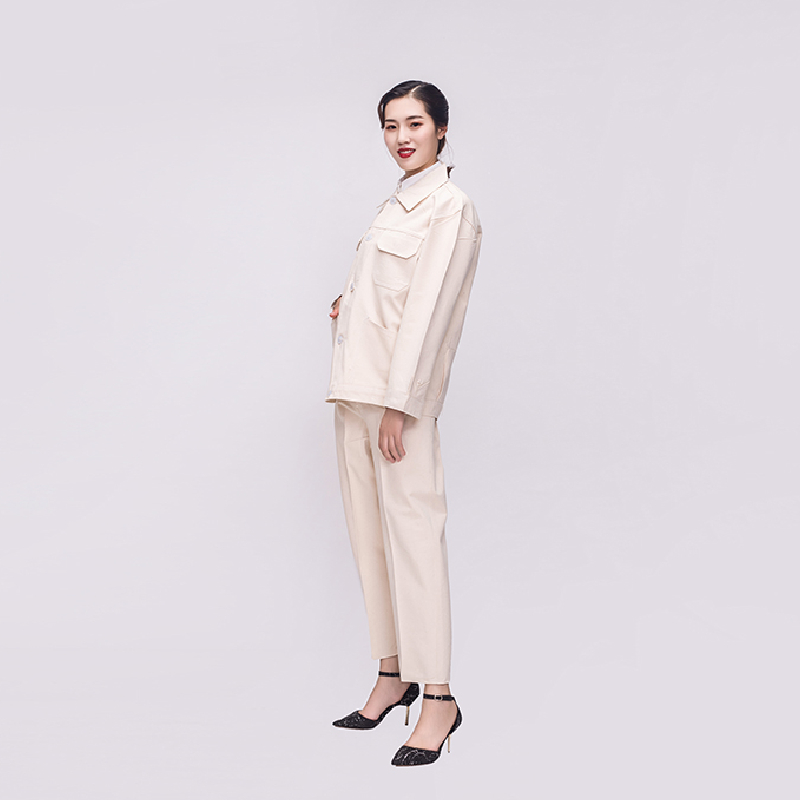
Industry Trends and Market Dynamics
The market for a heat resistant welding jacket is experiencing significant growth driven by increasingly stringent safety regulations and a heightened focus on worker welfare across global industries. Key trends include the adoption of lighter yet more protective materials, enhanced ergonomic designs, and the integration of smart textile technologies.
Key Trends:
- Advanced Material Science: Shift towards inherent FR fabrics like aramid blends and treated cotton/nylon, offering superior protection and comfort compared to traditionally treated fabrics. These materials often provide multi-hazard protection, including arc flash and chemical splash resistance.
- Ergonomics and Comfort: Increased demand for jackets that allow for maximum freedom of movement, reducing welder fatigue. This includes features like articulated sleeves, adjustable cuffs, and ventilation systems.
- Sustainability: Growing focus on eco-friendly manufacturing processes and materials with a longer lifespan, contributing to reduced environmental impact.
- Customization and Modularity: Businesses are seeking tailored solutions, including options for corporate branding, specific pocket configurations, and modular designs that allow for seasonal adjustments.
- Digital Integration (Emerging): Early stages of integrating smart textiles, such as sensors for heat stress monitoring or personal exposure tracking, are being explored, though not yet mainstream for basic welding jackets.
According to industry reports, the global market for industrial protective clothing is projected to grow at a CAGR of over 7% from 2023 to 2030, with flame-resistant garments being a significant contributor to this expansion. This growth is underpinned by increased industrial activity and stricter enforcement of occupational safety regulations by bodies such as OSHA in the US and EU-OSHA in Europe. Companies that invest in high-performance PPE, like a specialized fr welding jacket, not only protect their workforce but also enhance their operational efficiency and compliance standing.
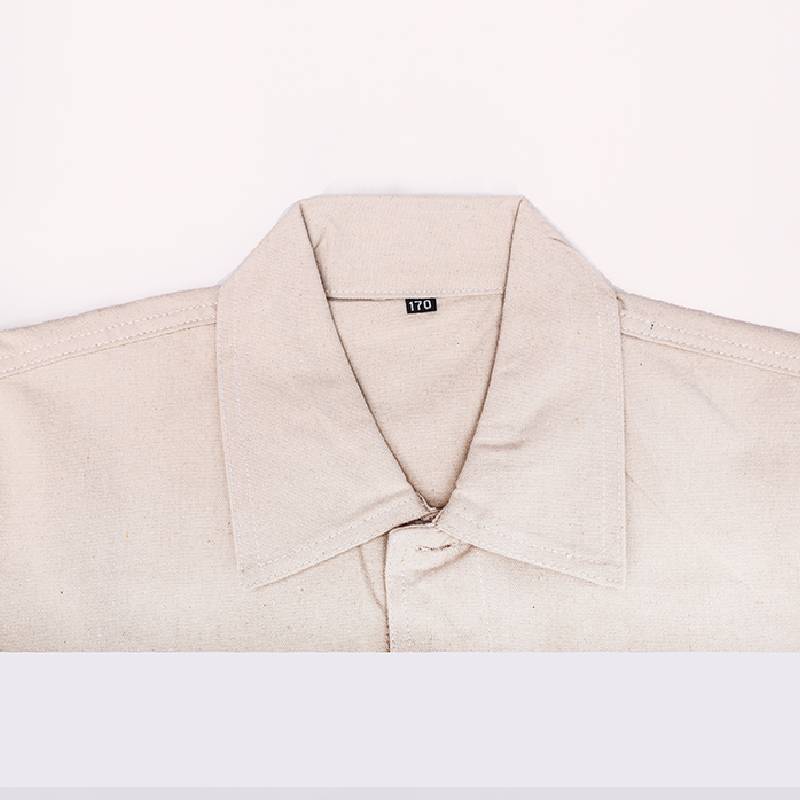
Application Scenarios and Technical Advantages
The versatility of a well-designed heat resistant welding jacket allows for its deployment across a multitude of challenging industrial environments where thermal protection is non-negotiable. Its technical advantages translate directly into enhanced safety, productivity, and cost-effectiveness for businesses.
Typical Application Scenarios:
- Shipbuilding and Marine Construction: Welding large metal structures in confined spaces and open-air environments, requiring robust protection against sparks, slag, and UV radiation.
- Automotive Manufacturing: Assembly line welding, particularly in body-in-white production, where precision and continuous protection are essential.
- Petrochemical and Oil & Gas: Maintenance and repair operations on pipelines, storage tanks, and processing units, where the risk of flash fires and arc flashes is significant. The multi-hazard protection of an fr welding jacket is crucial here.
- Heavy Fabrication & Construction: Structural welding for bridges, buildings, and heavy machinery, involving extensive exposure to high heat and molten materials.
- Power Generation: Welding work in power plants (e.g., thermal, nuclear), where safety standards are exceptionally high due to the potential for severe incidents.
Technical Advantages:
- Superior Thermal Protection: Engineered fabrics and layered designs provide effective insulation against radiant heat, convective heat, and direct contact with hot surfaces, significantly mitigating the risk of second and third-degree burns.
- Molten Metal and Spatter Resistance: Specialized fabric weaves and treatments prevent molten metal droplets from adhering or penetrating the garment, causing them to roll off harmlessly. This is critical for preventing skin burns and ignition.
- Arc Flash Hazard Protection: Many advanced welding jackets offer Arc Thermal Performance Value (ATPV) ratings, providing protection against the intense heat and pressure wave generated by an electrical arc, meeting standards like NFPA 70E.
- Durability and Longevity: Reinforced stitching, robust zippers, and high-abrasion resistance fabrics ensure the jacket withstands harsh industrial conditions, extending its service life and reducing replacement frequency, which is a key economic advantage for B2B procurement.
- Enhanced Comfort and Mobility: Despite robust protection, modern designs prioritize ergonomics. Breathable fabrics, articulated sleeves, and a comfortable fit allow welders to perform tasks efficiently without feeling restricted or overheated, improving overall productivity.
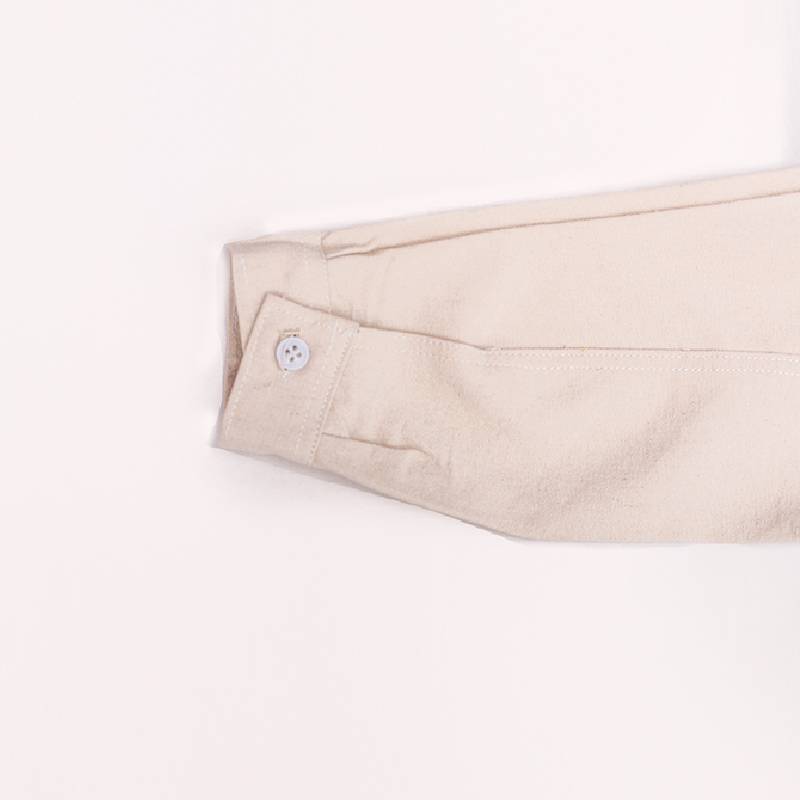
Vendor Comparison and Customized Solutions
Choosing the right vendor for a heat resistant welding jacket is a critical decision for procurement managers. It involves evaluating not just product specifications but also manufacturing capabilities, certification adherence, and the ability to offer tailored solutions. While numerous suppliers exist, differentiators such as material quality, adherence to global standards, and comprehensive service offerings set leading manufacturers apart.
Product Comparison: QH-2006 vs. Standard FR Jacket
| Feature | QH-2006 (Advanced) | Standard FR Jacket (Entry-Level) |
|---|---|---|
| Primary Fabric | 88% Cotton / 12% Nylon inherent FR blend (280-320 gsm) | 100% Treated Cotton (220-250 gsm) |
| Molten Metal Resistance (EN ISO 11611) | Class 2 (>15 drops) | Class 1 (5-15 drops) |
| Arc Flash Protection (ATPV) | ≥ 12 cal/cm² (HRC 2) | Typically 8 cal/cm² (HRC 1) or none specified |
| Stitching Material | Aramid Fiber (Kevlar®) | FR Polyester or Cotton |
| Durability & Service Life | High, 3-5 years with proper care | Moderate, 1-2 years with proper care |
| Comfort & Breathability | Excellent, ergonomic design | Good, standard fit |
| Certifications | CE, EN ISO 11611 Class 2, NFPA 2112, ASTM F1959 | Often only EN ISO 11611 Class 1 |
Customized Solutions:
Recognizing that no two industrial operations are identical, leading manufacturers offer extensive customization options for their fr welding jacket lines. This includes:
- Material Blends: Custom fabric compositions to meet specific protection levels (e.g., higher aramid content for extreme heat, anti-static properties for ATEX environments).
- Design Modifications: Alterations to pocket configurations, inclusion of tool loops, ventilation zippers, or specialized closures to suit unique operational workflows.
- Branding: Integration of company logos via embroidery or heat transfer, ensuring brand consistency and enhancing corporate identity.
- Sizing and Fit: Beyond standard sizes, offering bespoke measurements or adjustments for specific body types to ensure optimal comfort and safety.
- Color Options: Expanding beyond standard industrial colors to match company uniforms or enhance visibility requirements.
The ability to provide these bespoke solutions, coupled with robust quality assurance and certifications (e.g., CE, ISO), positions a vendor as a strategic partner rather than just a supplier. Our extensive experience in PPE manufacturing and adherence to global standards ensure that customized solutions maintain the highest levels of safety and performance.
Application Case Studies & Customer Trust
Real-world application demonstrates the tangible benefits and reliability of a premium heat resistant welding jacket. Our QH-2006 jackets have been instrumental in enhancing safety and operational efficiency across diverse heavy industries.
Case Study 1: Large-Scale Shipbuilding Project
- Client: Major European Shipyard
- Challenge: Welders were experiencing frequent discomfort and minor burns from spatter during prolonged arc welding sessions on large steel hulls, leading to reduced productivity and increased injury reports. Existing PPE offered insufficient protection and breathability.
- Solution: Deployment of 500 units of QH-2006 fr welding jacket. The shipyard opted for a customized version with additional leather reinforcements on the forearms and integrated ventilation panels to address specific hot-work conditions.
- Results: Over a 12-month period, reported spatter-related burns decreased by 85%. Welders reported significantly improved comfort and mobility, translating to a 10% increase in average daily output. The jacket's durability also led to a 30% reduction in PPE replacement costs compared to their previous supplier.
Case Study 2: Petrochemical Refinery Maintenance
- Client: Global Oil & Gas Corporation, Middle East Operations
- Challenge: Welding and hot-work maintenance in a refinery environment presented risks of both molten metal splash and potential arc flash incidents, requiring multi-hazard compliant PPE in extreme heat conditions.
- Solution: Provision of 300 QH-2006 jackets with additional arc flash certification (ATPV 12 cal/cm²). The jackets' lightweight yet protective inherent FR fabric was crucial for worker comfort in the hot climate.
- Results: No arc flash injuries reported over a two-year operational period involving critical hot-work. Safety audits highlighted the jacket's excellent performance in shedding molten metal and resisting ignition. User feedback consistently praised the balance of protection and breathability, crucial for maintaining focus in hazardous environments.
Trustworthiness: FAQ, Lead Time, Warranty & Support
Establishing trust with B2B clients requires transparency, clear commitments, and reliable support. We are committed to providing exceptional service alongside our high-quality heat resistant welding jacket products.
Frequently Asked Questions (FAQ):
Q: What is the primary difference between inherent FR and treated FR fabrics?
A: Inherent FR fabrics have flame-resistant properties built into the fiber structure itself, meaning they won't wash out or wear away. Treated FR fabrics have a chemical application that provides flame resistance, which can diminish over time with heavy washing or wear. The QH-2006 uses an inherent FR blend for lasting protection.
Q: How often should a welding jacket be replaced?
A: The service life of a fr welding jacket depends on usage intensity and care. For the QH-2006, with proper washing and storage, we recommend replacement every 3-5 years, or immediately if any damage (tears, holes, excessive wear) compromising its protective properties is observed.
Q: Are your jackets compliant with international safety standards?
A: Absolutely. Our products, including the QH-2006, are CE certified and conform to major international standards such as EN ISO 11611 (Protective clothing for welding and allied processes) and often NFPA 2112/ASTM F1959 for flash fire/arc flash. Our manufacturing facilities are ISO 9001:2015 certified, ensuring consistent quality.
Lead Time and Fulfillment:
For standard QH-2006 orders, our typical lead time is 4-6 weeks from order confirmation to dispatch. Larger volume orders or those requiring extensive customization may require 8-12 weeks. We maintain robust supply chains and efficient logistics to ensure timely delivery worldwide. Expedited shipping options are available upon request.
Warranty Commitments:
All QH-2006 heat resistant welding jacket products come with a 12-month limited warranty against manufacturing defects in materials and workmanship from the date of purchase. This warranty does not cover damage caused by misuse, improper maintenance, or normal wear and tear. Our commitment is to deliver products that perform as expected under specified conditions.
Customer Support:
Our dedicated customer support team is available to assist with product inquiries, order tracking, technical specifications, and after-sales service. We offer multi-channel support via email (sales@xdqhppe.com) and phone (+86-XXX-XXXX-XXXX, replace with actual number), ensuring prompt and expert assistance for our B2B partners. We pride ourselves on building long-term relationships through reliable products and responsive service.
Conclusion
The selection of an appropriate heat resistant welding jacket is a critical investment in industrial safety and operational efficiency. The QH-2006, with its advanced material composition, rigorous manufacturing process, and adherence to global safety standards, stands as a testament to engineering excellence in personal protective equipment. By offering superior protection against thermal hazards, molten metal splash, and arc flash, alongside ergonomic design and customization options, it addresses the multifaceted demands of modern welding environments.
Choosing a high-performance fr welding jacket like the QH-2006 signifies a commitment to safeguarding personnel, optimizing productivity, and ensuring compliance within hazardous industries. Our dedication to quality, coupled with comprehensive support and robust certifications, ensures that our partners receive not just a product, but a reliable safety solution.
References
- International Organization for Standardization (ISO). (2015). ISO 9001:2015 – Quality management systems – Requirements.
- European Committee for Standardization (CEN). (2015). EN ISO 11611: Protective clothing for use in welding and allied processes.
- National Fire Protection Association (NFPA). (2021). NFPA 2112: Standard on Flame-Resistant Garments for Protection of Industrial Personnel Against Flash Fire.
- ASTM International. (2019). ASTM F1959/F1959M-18: Standard Test Method for Determining the Arc Rating of Materials for Clothing.
- Occupational Safety and Health Administration (OSHA). (Accessed 2023). Personal Protective Equipment (PPE) standards. https://www.osha.gov/laws-regs/regulations/standardnumber/1910/1910.132
- Grand View Research. (2023). Protective Clothing Market Size, Share & Trends Analysis Report. https://www.grandviewresearch.com/industry-analysis/protective-clothing-market
Latest news
-
Professional Tactical Reflective Jacket for Maximum Safety Guide
NewsApr.16,2026
-
Professional Tactical Reflective Vest for High Visibility Safety
NewsApr.09,2026
-
Enhancing Safety and Visibility with a Tactical Vest Reflective
NewsApr.07,2026
-
Comprehensive Guide to Choosing the Right Traffic Reflective Jacket for Safety
NewsApr.04,2026
-
Choosing the Right Traffic Vest for Enhanced Workplace Safety
NewsMar.31,2026
-
Comprehensive Guide to Traffic Vest Security and Worker Safety
NewsMar.28,2026
Copyright © 2026 Handan Xinda Qihang Trading Co., Ltd. All Rights Reserved. Sitemap | Privacy Policy | Top Blog | Global Service


