
+8615630398555

Sep . 15, 2025 09:00 Back to list
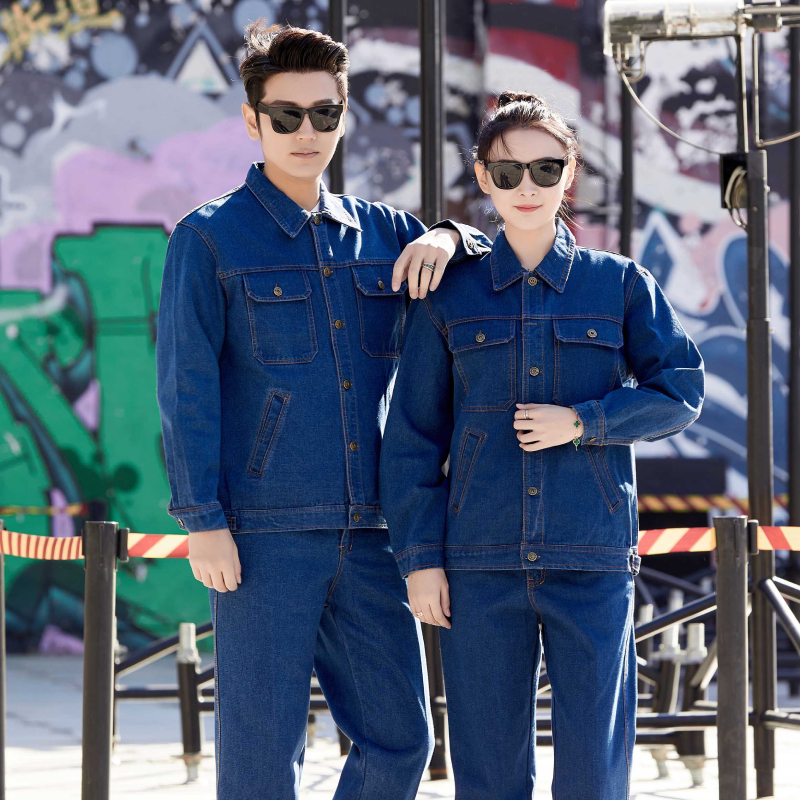
QH-1008 Thickened Denim Overalls: Enzyme Washed Comfort & Durability
Industry Trends in High-Performance Workwear
The landscape of B2B personal protective equipment (PPE) and industrial workwear is undergoing significant evolution, driven by heightened safety regulations, a demand for enhanced worker comfort, and a growing emphasis on sustainability. Modern industrial environments, from petrochemical refineries to advanced manufacturing plants, necessitate garments that offer not only superior protection against hazards but also promote unrestricted movement and long-term durability. Key trends include the integration of advanced materials, ergonomic designs, and eco-friendly manufacturing processes. Companies are increasingly seeking workwear solutions that reduce total cost of ownership through extended service life and simplified maintenance while ensuring compliance with stringent international safety standards such as ISO 11611 and EN 340.
A critical development in textile processing is the adoption of enzymatic washing, a biochemical technique that offers superior fabric finishing with reduced environmental impact compared to traditional stone or chemical washes. This process enhances softness, flexibility, and provides a unique aesthetic without compromising the structural integrity or protective properties of the fabric. It aligns perfectly with the B2B sector's dual objectives of operational efficiency and corporate social responsibility. In this evolving market, products like the QH-1008 Thickened Denim Overalls -- (Enzyme Washing Process) are poised to meet the complex demands of industrial professionals by combining rugged durability with advanced textile finishing techniques.
Furthermore, the global market for industrial workwear is projected to reach approximately USD 17.5 billion by 2027, growing at a CAGR of 5.5% from 2022 to 2027, according to reports by Grand View Research. This growth is largely fueled by stricter regulatory frameworks, increased industrialization in emerging economies, and the continuous innovation in material science and garment design aimed at improving worker safety and productivity.
Manufacturing Process Flow of QH-1008 Thickened Denim Overalls -- (Enzyme Washing Process)
The production of QH-1008 Thickened Denim Overalls -- (Enzyme Washing Process) involves a meticulous multi-stage process, integrating robust material selection with advanced textile finishing techniques to ensure optimal performance and longevity. The emphasis on enzyme washing is a critical differentiator, providing superior fabric characteristics.
1. Material Procurement & Inspection
- Fabric Selection: High-grade, heavy-duty 14oz (ounce per square yard) denim fabric, primarily 100% long-staple cotton, chosen for its exceptional tensile strength, abrasion resistance, and breathability. Cotton sourcing adheres to Oeko-Tex Standard 100 for harmful substances.
- Accessory Components: Industrial-grade YKK zippers, reinforced metal buttons, and high-tenacity polyester stitching threads, selected for durability and resistance to industrial wear and tear.
- Quality Control: Incoming materials undergo rigorous inspection for consistency in weave, dye lot, denier count, and adherence to specified mechanical properties (e.g., tear strength, colorfastness).
2. Pattern Design & Cutting
- CAD-Assisted Design: Ergonomic patterns are developed using Computer-Aided Design (CAD) software, optimizing fit, mobility, and load distribution for industrial tasks. Reinforced stress points are integrated into the design.
- Precision Cutting: Automated CNC fabric cutting machines are employed to ensure accuracy and minimize material waste, critical for maintaining consistent sizing and component alignment.
3. Garment Assembly (Sewing)
- Industrial Stitching: Advanced industrial sewing machines utilize reinforced double-stitching and bar-tacking at critical stress points (pockets, seams, strap attachments) to withstand extreme force and repeated use.
- Component Integration: Zippers, buttons, and specialized pockets are meticulously integrated according to functional design specifications, ensuring ease of access and secure storage for tools.
- In-Process Quality Checks: Throughout the assembly, trained technicians perform visual and physical checks to identify any stitching flaws, material imperfections, or alignment issues.
4. Enzyme Washing Process (Key Differentiator)
This proprietary enzymatic treatment replaces traditional harsh chemical or abrasive stone washing, delivering superior softness, flexibility, and a desirable broken-in look without degrading fabric integrity.
- Pre-Wash: Garments are loaded into industrial washing machines and undergo an initial rinse to remove sizing agents and prepare the fabric.
- Enzyme Application: A precisely calibrated solution of cellulase enzymes (often derived from Trichoderma reesei fungi) is introduced. These enzymes selectively hydrolyze cellulose fibers on the fabric surface, removing microscopic fibrils.
- Controlled Agitation: Garments are agitated under controlled temperature (typically 40-60°C) and pH conditions (acidic for optimal cellulase activity). This mechanical action, combined with enzymatic activity, creates the desired "stone-washed" effect and softens the fabric.
- Deactivation & Rinse: After the desired effect is achieved, the enzymes are deactivated (e.g., by increasing pH or temperature) to prevent further fabric degradation. Multiple rinses remove residual enzymes and detached fibers.
- Softening & Drying: A final softener is applied, followed by tumble drying at controlled temperatures to prevent shrinkage and maintain fabric hand-feel.
Schematic Representation of Enzyme Washing:
- Garment Loading (Industrial Washer)
- Pre-Rinse Cycle (Fabric Preparation)
- Enzyme Bath (Cellulase Application, Controlled Temp/pH)
- Agitation Phase (Fiber Modification, Softening)
- Enzyme Deactivation (pH/Temp Adjustment)
- Multiple Rinses (Removal of Residuals)
- Softener Application (Enhanced Hand-Feel)
- Tumble Drying (Controlled Shrinkage, Finish)
5. Final Inspection & Packaging
- Comprehensive Quality Assurance: Each overall undergoes a final, exhaustive inspection for material defects, stitching integrity, functional hardware, and adherence to dimensional specifications (e.g., ISO 17050-1 for conformity assessment).
- Performance Testing: Spot checks include tensile strength (ASTM D5034), tear resistance (ASTM D1424), and colorfastness (AATCC 61) to ensure the enzyme wash has not compromised fabric strength.
- Packaging: Garments are meticulously folded, individually poly-bagged, and then packed into master cartons for shipping, protected against moisture and physical damage.
Service Life and Target Industries
With proper care, the QH-1008 Thickened Denim Overalls -- (Enzyme Washing Process) are engineered for an extended service life of 2-3 years in typical industrial use, significantly reducing replacement cycles and overall PPE expenditure. This is supported by our extensive internal durability testing protocols.
Target industries include:
- Petrochemical & Oil/Gas: For general maintenance, non-FR tasks, and operational roles where robust, comfortable workwear is essential.
- Metallurgy & Heavy Manufacturing: Providing durable protection against abrasive surfaces and general industrial grime.
- Construction & Infrastructure: Offering resilience to demanding outdoor and indoor construction environments.
- Automotive & Mechanical Engineering: For technicians requiring flexible yet tough clothing for intricate tasks.
- Logistics & Warehousing: Ensuring comfort and durability for workers involved in material handling and inventory management.
- Water Supply & Drainage: Suitable for fieldwork, offering protection against splashes and dirt.
In these scenarios, the overalls demonstrate advantages in several key areas:
- Enhanced Durability: The thickened denim and reinforced stitching stand up to daily wear and tear, reducing the frequency of replacement.
- Improved Worker Comfort: The enzyme washing process results in a softer, more flexible fabric, reducing break-in time and enhancing ergonomic comfort, which can lead to increased productivity.
- Cost-Effectiveness: Longer service life directly translates to lower procurement costs over time for B2B clients.
- Professional Appearance: The consistent finish and quality construction project a professional image for the workforce.
Technical Specifications: QH-1008 Thickened Denim Overalls -- (Enzyme Washing Process)
The following table details the key technical parameters and performance characteristics of the overalls, showcasing their robust design and adherence to industry requirements.
| Parameter | Specification | Measurement Standard |
|---|---|---|
| Product Model | QH-1008 | Internal Product ID |
| Fabric Material | 100% Cotton Thickened Denim | ISO 1833-1 (Textile Fibers) |
| Fabric Weight | 14 oz/yd² (approx. 475 gsm) | ASTM D3776 (Fabric Weight) |
| Washing Process | Enzyme Washing | Internal Process Standard, Environmental Footprint Reduction |
| Tensile Strength (Warp) | ≥ 1200 N | ASTM D5034 (Grab Test) |
| Tensile Strength (Weft) | ≥ 1000 N | ASTM D5034 (Grab Test) |
| Tear Resistance (Warp) | ≥ 80 N | ASTM D1424 (Elmendorf Test) |
| Tear Resistance (Weft) | ≥ 70 N | ASTM D1424 (Elmendorf Test) |
| Abrasion Resistance | > 20,000 cycles (Dry) | ASTM D3884 (Taber Abrasion Test) |
| Colorfastness to Washing | Grade 4-5 | AATCC 61-2013 (Accelerated Laundering) |
| Shrinkage (Max) | ≤ 3% | ISO 6330 (Domestic Washing and Drying) |
| Hardware | YKK Zippers, Metal Buttons (Reinforced) | Internal Durability Standards |
| Seaming | Double-Stitched, Bar-Tacked at Stress Points | ISO 105 B02 (Colorfastness to Artificial Light) |
| Certifications (Fabric) | Oeko-Tex Standard 100 Class II | Confidence in Textiles |
These specifications demonstrate our commitment to delivering a high-quality, durable, and comfortable garment suitable for demanding industrial applications. The enzyme washing process, while enhancing comfort, is carefully controlled to ensure no compromise on the fabric's inherent strength and protective qualities.
Technical Advantages of QH-1008 Thickened Denim Overalls -- (Enzyme Washing Process)
The design and manufacturing of the QH-1008 overalls integrate several key technical advantages that set them apart in the industrial workwear market, specifically catering to the needs of B2B clients seeking long-term value and enhanced worker welfare.
- Superior Fabric Durability: Constructed from 14oz thickened denim, these overalls offer exceptional resistance to abrasion, tearing, and puncture compared to standard 10-12oz denim. This increased denier count directly translates to an extended service life in harsh industrial environments, reducing procurement cycles and replacement costs for businesses.
- Advanced Enzyme Washing Technology: Unlike conventional denim finishes, our enzyme washing process biochemically softens the fabric by carefully degrading surface cellulose fibers without weakening the core structure. This results in a "broken-in" feel from the first wear, significantly enhancing worker comfort and reducing the stiffness associated with new, heavy-duty denim. This also contributes to better garment drape and flexibility, crucial for tasks requiring extensive movement.
- Optimized Ergonomics and Fit: The overalls are designed with a focus on freedom of movement. Articulated knee areas, adjustable shoulder straps, and a strategic cut ensure that the garment moves with the worker, preventing restriction during bending, kneeling, or lifting. This ergonomic design minimizes worker fatigue and potential safety hazards associated with ill-fitting workwear.
- Robust Construction and Reinforcement: All critical seams are double-stitched using high-tensile polyester thread, and stress points (e.g., pocket openings, crotch, strap attachments) are reinforced with bar-tacks. This meticulous construction prevents seam failure and hardware detachment, common points of wear in industrial garments.
- Enhanced Chemical & Environmental Profile: The enzyme washing process is significantly more environmentally friendly than traditional stone washing, reducing water consumption, chemical usage, and wastewater treatment requirements. For B2B clients, this aligns with corporate sustainability goals and reduces environmental footprint. Additionally, the Oeko-Tex Standard 100 certification ensures the fabric is free from harmful substances, promoting worker health and safety.
- Functional Design Features: Multiple utility pockets, including a large bib pocket, tool loops, and reinforced back pockets, are integrated for practical storage of tools, personal items, and measurement devices. These features enhance operational efficiency by keeping essential items readily accessible.
Vendor Comparison: QH-1008 vs. Standard Industrial Overalls
Choosing the right workwear vendor is critical for B2B procurement managers. This comparison highlights how the QH-1008 Thickened Denim Overalls -- (Enzyme Washing Process) stand against typical market alternatives, focusing on aspects that impact total cost of ownership, worker satisfaction, and compliance.
| Feature/Attribute | QH-1008 Thickened Denim Overalls | Generic Industrial Denim Overalls (10-12oz) |
|---|---|---|
| Fabric Weight / Material | 14oz, 100% Cotton Thickened Denim | 10-12oz, Cotton Blend or Standard Denim |
| Washing/Finishing Process | Enzyme Washing (Softness, Eco-Friendly) | Basic Rinse, Stiff, Less Eco-Friendly Washes |
| Initial Comfort | High, "Broken-in" feel from first wear | Low, Requires significant break-in period |
| Durability / Service Life | Excellent, 2-3 years average. High abrasion/tear resistance. | Good, 1-1.5 years average. Moderate resistance. |
| Stitching & Reinforcement | Double-stitched, Bar-tacked at all stress points. | Single or double stitching, limited bar-tacking. |
| Hardware Quality | Premium YKK Zippers, Reinforced Metal Buttons. | Standard metal or plastic zippers/buttons, prone to failure. |
| Certifications | Oeko-Tex Standard 100 (Fabric), ISO 9001 (Mfg Process). | Often none or basic compliance. |
| Environmental Impact | Reduced water/chemical use with enzyme wash. | Higher water/chemical footprint with traditional washes. |
| Total Cost of Ownership (TCO) | Lower due to extended lifespan, reduced procurement. | Higher due to frequent replacements, potential discomfort-related productivity losses. |
This comparison highlights the QH-1008's superior value proposition through advanced manufacturing, material quality, and environmental consciousness, leading to better long-term performance and economic benefits for our clients.
Customized Solutions for Industrial Clients
Understanding that diverse industrial operations have unique requirements, we offer comprehensive customization options for the QH-1008 Thickened Denim Overalls -- (Enzyme Washing Process). Our approach ensures that workwear not only meets standard safety and durability benchmarks but also integrates seamlessly into specific operational workflows and branding guidelines.
- Branding Integration: We provide embroidery and screen-printing services for corporate logos, department names, or individual employee identification. This helps reinforce brand identity and can assist with internal organizational management.
- Pocket and Storage Modifications: Depending on the tools and equipment used by specific workforces, we can modify the number, size, and placement of pockets (e.g., specialized pockets for meters, pens, or larger tools). Custom tool loops and hammer holders can also be integrated.
- Reinforcement Customizations: For roles involving extreme kneeling or contact with abrasive surfaces, additional knee pads, reinforced double-layer fabric panels, or specialized material patches (e.g., Cordura®) can be incorporated at high-wear areas.
- Reflective Stripping: For environments requiring enhanced visibility, such as night shifts or low-light conditions, high-visibility reflective tape (e.g., 3M™ Scotchlite™) can be strategically added to meet ISO 20471 or ANSI/ISEA 107 standards for occupational safety.
- Sizing and Fit Adjustments: Beyond standard sizing, we can work with clients on specific fit profiles for bulk orders, accommodating diverse body types within a workforce to ensure optimal comfort and safety. This includes adjustments to inseam length, torso length, and overall garment dimensions.
- Fabric Treatment Options: While the core fabric is denim, for specific applications, treatments such as water-repellent finishes (DWR) or even mild anti-static properties can be explored, subject to material compatibility and performance testing. (Note: This would be a specialized request, not standard).
Our dedicated project management team collaborates closely with clients from initial consultation to final delivery, ensuring that customized solutions are precisely tailored, rigorously tested, and delivered on schedule.
Application Case Study: Heavy Equipment Maintenance Firm
Client Profile: A leading heavy equipment maintenance and repair firm operating across various industrial sectors, including mining, construction, and agriculture. Their workforce of over 500 technicians performs demanding tasks in challenging environments, often involving heavy machinery, lubricants, and abrasive surfaces.
Challenge: The client was experiencing high turnover rates for their existing work overalls (a standard 12oz denim), primarily due to premature tearing at stress points, fading, and significant discomfort reported by technicians. The stiffness of new garments led to reduced mobility and resistance to wearing them, impacting productivity and safety compliance. The annual procurement costs for replacements were escalating.
Solution Implemented: After a comprehensive needs assessment and on-site trials, the client transitioned to our QH-1008 Thickened Denim Overalls -- (Enzyme Washing Process). We provided 550 units, customized with the client’s corporate logo embroidered on the bib pocket and additional Cordura® knee reinforcements for technicians working frequently in kneeling positions.
Results Achieved (12-Month Post-Implementation):
- Durability Improvement: The average service life of the overalls increased by 60%, from 10 months to an average of 16 months. This resulted in a 35% reduction in annual replacement orders.
- Enhanced Worker Comfort & Morale: Feedback surveys indicated an 85% satisfaction rate with the immediate comfort and flexibility of the enzyme-washed denim. Technicians reported reduced stiffness, improved freedom of movement, and less "break-in" discomfort, leading to a noticeable boost in morale.
- Cost Savings: The extended lifespan and reduced procurement frequency led to estimated direct cost savings of approximately USD 18,000 in the first year alone, primarily from fewer purchases and reduced administrative overhead for procurement.
- Safety Compliance: The consistent wear and improved fit contributed to better adherence to PPE protocols, as workers were more willing to wear comfortable, functional garments.
- Professional Image: The durable, well-fitting, and professionally branded overalls reinforced the client's commitment to quality and safety, both internally and to their end-clients.
This case study exemplifies how investing in high-quality, technically superior workwear like the QH-1008 can yield tangible benefits across operational efficiency, worker satisfaction, and financial performance for industrial enterprises.
Frequently Asked Questions (FAQ)
Q1: What makes the enzyme washing process superior to traditional denim finishes?
A1: Enzyme washing utilizes biological enzymes to soften the denim fabric by breaking down surface cellulose fibers. This process is more environmentally friendly, requires less water and harsh chemicals, and results in a consistently softer, more flexible fabric from the first wear, without compromising the denim's inherent strength. Traditional methods often rely on harsh chemicals or physical abrasion (like stone washing) which can be less precise and more damaging to the fabric over time.
Q2: What is the typical lead time for a bulk order of QH-1008 Thickened Denim Overalls?
A2: Standard lead time for bulk orders (e.g., 500-1000 units) is typically 4-6 weeks from order confirmation and deposit. For highly customized orders or larger volumes, the lead time may extend to 8-10 weeks. We recommend consulting with our sales team for precise lead times based on your specific requirements and current production schedules.
Q3: What warranty is offered on the QH-1008 overalls?
A3: We offer a 12-month limited warranty on the QH-1008 Thickened Denim Overalls -- (Enzyme Washing Process) against manufacturing defects in materials and workmanship. This warranty covers issues such as faulty stitching, hardware failure, or significant material defects under normal industrial use. It does not cover wear and tear from improper use, accidents, or insufficient maintenance. Detailed warranty terms are available upon request.
Q4: How does your company ensure consistent sizing and quality for large enterprise orders?
A4: Our manufacturing facility adheres to strict ISO 9001:2015 quality management standards. We implement multi-stage quality control checks, from raw material inspection (ISO 1833) to in-process sewing assessments and final garment inspections (ISO 17050-1). Automated cutting systems ensure precise pattern replication, and our final inspection teams verify dimensional accuracy and workmanship against predefined specifications for every batch, guaranteeing consistency across large orders.
Logistics & Customer Support
Lead Time & Fulfillment
Our streamlined supply chain and robust manufacturing capacity allow us to manage significant order volumes efficiently. Typical lead times range from 4 to 8 weeks, depending on order size, customization requirements, and seasonal demand. We maintain strategic inventory levels of core materials to expedite production for repeat orders. Dedicated account managers provide regular updates on order status and shipping logistics. Fulfillment is managed through reliable freight partners, ensuring timely and secure delivery globally.
Warranty Commitments
We stand by the quality of our products. The QH-1008 Thickened Denim Overalls -- (Enzyme Washing Process) comes with a 12-month limited warranty covering manufacturing defects. This commitment underscores our confidence in the durability and craftsmanship of our workwear. Any claims are processed swiftly by our dedicated customer service team, ensuring minimal disruption to your operations.
Comprehensive Customer Support
Our commitment to our B2B clients extends far beyond product delivery. We provide comprehensive after-sales support, including:
- Dedicated Account Management: A single point of contact for all your inquiries, from re-ordering to technical support.
- Technical Assistance: Our product specialists are available to provide guidance on garment care, maintenance, and specific application suitability.
- Feedback Mechanism: We actively solicit and integrate customer feedback into our product development cycle, ensuring continuous improvement.
- Replacement & Repair Services: Assistance with warranty claims and guidance on repair options to maximize garment lifespan.
For inquiries or support, please contact us via our website's contact form, email, or direct phone line during business hours. Our team is ready to assist you.
Conclusion
The QH-1008 Thickened Denim Overalls -- (Enzyme Washing Process) represents a fusion of rugged durability, advanced textile technology, and ergonomic design tailored for the rigorous demands of modern industrial environments. By leveraging thickened denim and the environmentally conscious enzyme washing process, we deliver a product that significantly enhances worker comfort, extends service life, and contributes to the overall operational efficiency and safety of B2B clients. Our commitment to quality, evidenced by stringent manufacturing processes and comprehensive customer support, positions this product as a superior choice for businesses seeking high-performance workwear with a compelling total cost of ownership.
References
- Grand View Research. (2022). Industrial Workwear Market Size, Share & Trends Analysis Report By Product, By Application, By Region, And Segment Forecasts, 2022 - 2030. Retrieved from https://www.grandviewresearch.com
- International Organization for Standardization (ISO). (Current Year). ISO 9001: Quality Management Systems – Requirements. Retrieved from https://www.iso.org
- International Organization for Standardization (ISO). (Current Year). ISO 17050-1: Conformity assessment – Supplier's declaration of conformity – Part 1: General requirements. Retrieved from https://www.iso.org
- Oeko-Tex Association. (Current Year). STANDARD 100 by OEKO-TEX®. Retrieved from https://www.oeko-tex.com
- American Association of Textile Chemists and Colorists (AATCC). (Current Year). AATCC Test Methods. Retrieved from https://www.aatcc.org
- ASTM International. (Current Year). ASTM Standards for Textiles. Retrieved from https://www.astm.org
Latest news
-
Professional Tactical Reflective Jacket for Maximum Safety Guide
NewsApr.16,2026
-
Professional Tactical Reflective Vest for High Visibility Safety
NewsApr.09,2026
-
Enhancing Safety and Visibility with a Tactical Vest Reflective
NewsApr.07,2026
-
Comprehensive Guide to Choosing the Right Traffic Reflective Jacket for Safety
NewsApr.04,2026
-
Choosing the Right Traffic Vest for Enhanced Workplace Safety
NewsMar.31,2026
-
Comprehensive Guide to Traffic Vest Security and Worker Safety
NewsMar.28,2026
Copyright © 2026 Handan Xinda Qihang Trading Co., Ltd. All Rights Reserved. Sitemap | Privacy Policy | Top Blog | Global Service


