
+8615630398555

Oct . 05, 2025 23:25 Back to list
Summer Workshop Protective Clothing: Cool, Safe, Compliant?
Field Notes on Staying Cool and Safe: Summer Workshop Protective Clothing
Heat, sparks, metal dust, and a production target that won’t wait—summer on the shop floor isn’t romantic. It’s practical. Over the past few months, I’ve talked with supervisors who quietly admitted that comfort equals compliance; if gear runs hot, people ditch it. That’s why lightweight, enzyme-washed workwear is having a moment. The latest Summer Workshop Protective Clothing coming out of China’s coastal factories—especially QH-1011 spec pieces—leans into breathability without giving up durability.
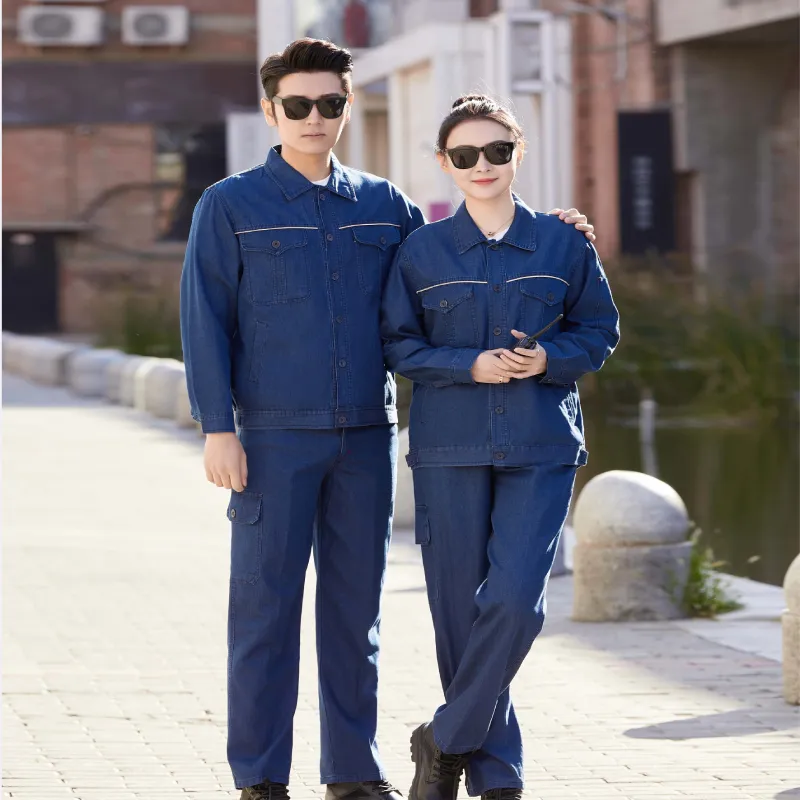
What’s trending (and why it matters)
- Lightweight blends: polyester/cotton and combed cotton with tighter yarns for strength but airier weave. Actually, it’s the weave and finish doing the heavy lifting.
- Enzymatic washing: smoother hand-feel, fewer micro-fuzz points, better next-to-skin comfort. Workers notice—surprisingly, they mention it more than pockets.
- Modular add‑ons: knee darts, bar-tacks, reflective trims on request (hi‑vis standards apply only if tape/contrast fabrics meet spec).
Product snapshot (QH-1011)
| Feature | Specification (≈, real-world use may vary) |
|---|---|
| Model / No. | Summer Workshop Protective Clothing / QH-1011 |
| Origin | China |
| Fabric | Polyester/Cotton or Combed Cotton |
| Sizes | M–4XL (custom grading available) |
| Finish | Enzymatic Washing Process for softness and reduced pilling |
| Typical fabric mass | ≈160–220 g/m² (summer-weight work twill/poplin) |
| Air permeability | ≈200–300 mm/s (ASTM D737 reference conditions) |
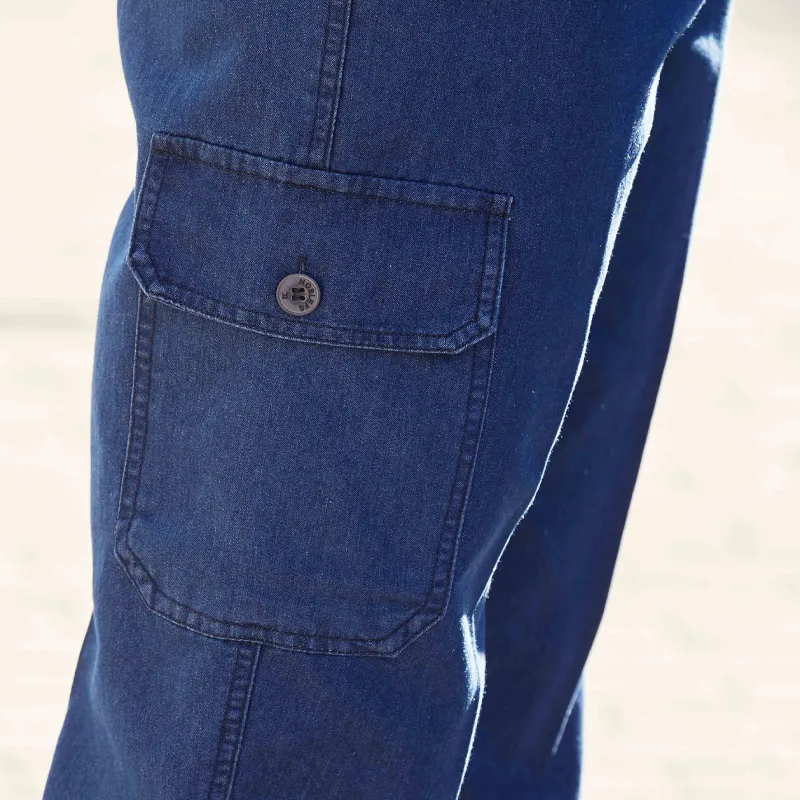
Process flow (how it’s built)
- Material selection: yarn-dyed or piece-dyed poly/cotton or combed cotton, chosen for tensile strength and comfort.
- Cutting and stitching: double-needle seams, stress-point bar-tacks; breathable underarm panels on request.
- Enzymatic washing: bio-enzymes remove fuzz, improving drape and feel (less cling in humid bays).
- Inspection and testing: dimensional stability (ISO 5077), seam strength (ISO 13935‑2), colorfastness to perspiration (ISO 105‑E04), air permeability (ASTM D737).
- Packing: flat-pack to prevent creasing; lot-level QC records shared if specified in PO.
Where it’s used
Light fabrication, automotive assembly, logistics hubs, HVAC install teams, and general maintenance—anywhere heat and motion are daily realities. One plant manager told me, “If it breathes, they wear it.” To be honest, that’s the whole game.
Advantages (in plain words)
- Comfort-first: enzyme finish feels broken‑in on day one.
- Durability: reinforced seams and balanced poly/cotton blends for wash cycles.
- Flexible spec: logos, pockets, reflective trim, and colorways can be dialed in.
- Service life: ≈12–24 months under typical workshop use; heavy abrasion may shorten this.
Vendor landscape (quick comparison)
| Vendor | MOQ | Lead Time | Customization | QC Transparency | Price (ex‑works) |
|---|---|---|---|---|---|
| XDQH PPE (QH-1011) | ≈300–600 pcs | 20–35 days | High (fabric, size run, trims) | Lot reports available | Mid |
| Local Brand A | Low (stock) | Immediate for stock | Low–Medium | Basic | High |
| Marketplace B (generic) | Varies | 7–45 days | Medium | Inconsistent | Low–Mid |
Testing, standards, and certifications
Buyers typically reference ISO 13688 (general garment requirements). Common lab checks include ASTM D737 (air), ISO 105‑E04 (perspiration colorfastness), ISO 13935‑2 (seam strength), and ISO 5077 (shrinkage). Industrial laundering may follow ISO 15797. If reflective/hi‑vis options are added, EN ISO 20471 becomes relevant. Always specify which standards you require in the PO; documents can be provided case‑by‑case.
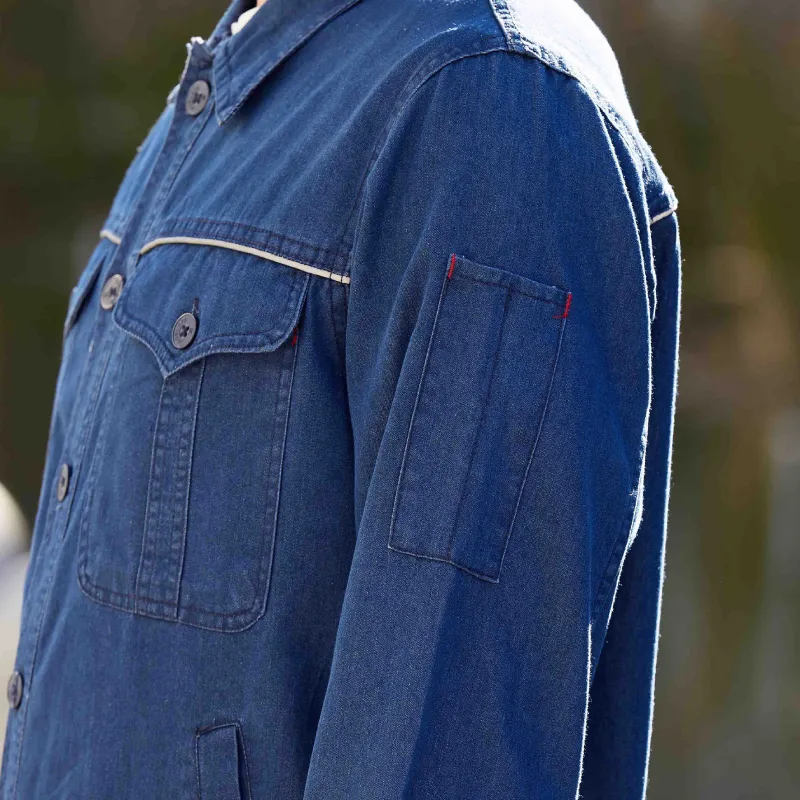
Field feedback and a quick case
A coastal automotive shop switched 120 techs to Summer Workshop Protective Clothing; absentee complaints about “too hot” dropped within two weeks. Not scientific, but telling. Another logistics site reported fewer seam failures after moving to bar‑tacked pockets—small change, big win.
Care and usage tips
- Wash 40°C, mild detergent; avoid chlorine bleach.
- Tumble low or line dry; excessive heat reduces service life.
- Rotate two sets per worker in peak summer to keep compliance up.
If you’re speccing for hot bays or yard operations, I’d start with poly/cotton around 180–200 g/m², enzyme-washed, double-needle seams, and an air-perm target near 250 mm/s. Then pilot 20 sets and gather worker feedback before you lock the PO. It sounds obvious, but it’s amazing how often this step gets skipped.
Authoritative references
- ISO 13688: Protective clothing — General requirements, ISO.org
- ASTM D737: Standard Test Method for Air Permeability of Textile Fabrics, ASTM.org
- ISO 105-E04: Colour fastness to perspiration, ISO.org
- ISO 13935-2: Seam tensile properties — Grab method, ISO.org
- ISO 5077: Determination of dimensional change in washing and drying, ISO.org
- EN ISO 20471: High-visibility clothing — Requirements, CEN/ISO
Latest news
-
Professional Tactical Reflective Jacket for Maximum Safety Guide
NewsApr.16,2026
-
Professional Tactical Reflective Vest for High Visibility Safety
NewsApr.09,2026
-
Enhancing Safety and Visibility with a Tactical Vest Reflective
NewsApr.07,2026
-
Comprehensive Guide to Choosing the Right Traffic Reflective Jacket for Safety
NewsApr.04,2026
-
Choosing the Right Traffic Vest for Enhanced Workplace Safety
NewsMar.31,2026
-
Comprehensive Guide to Traffic Vest Security and Worker Safety
NewsMar.28,2026
Copyright © 2026 Handan Xinda Qihang Trading Co., Ltd. All Rights Reserved. Sitemap | Privacy Policy | Top Blog | Global Service


