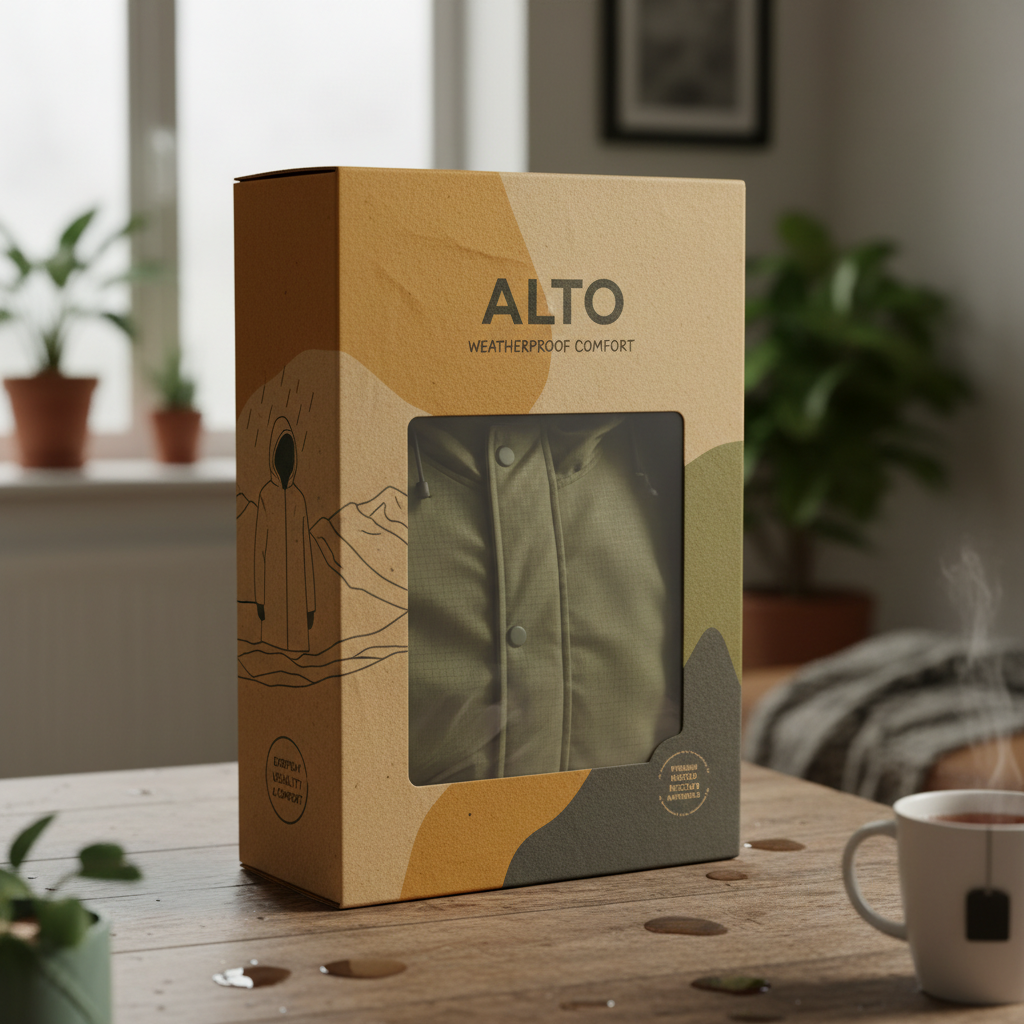
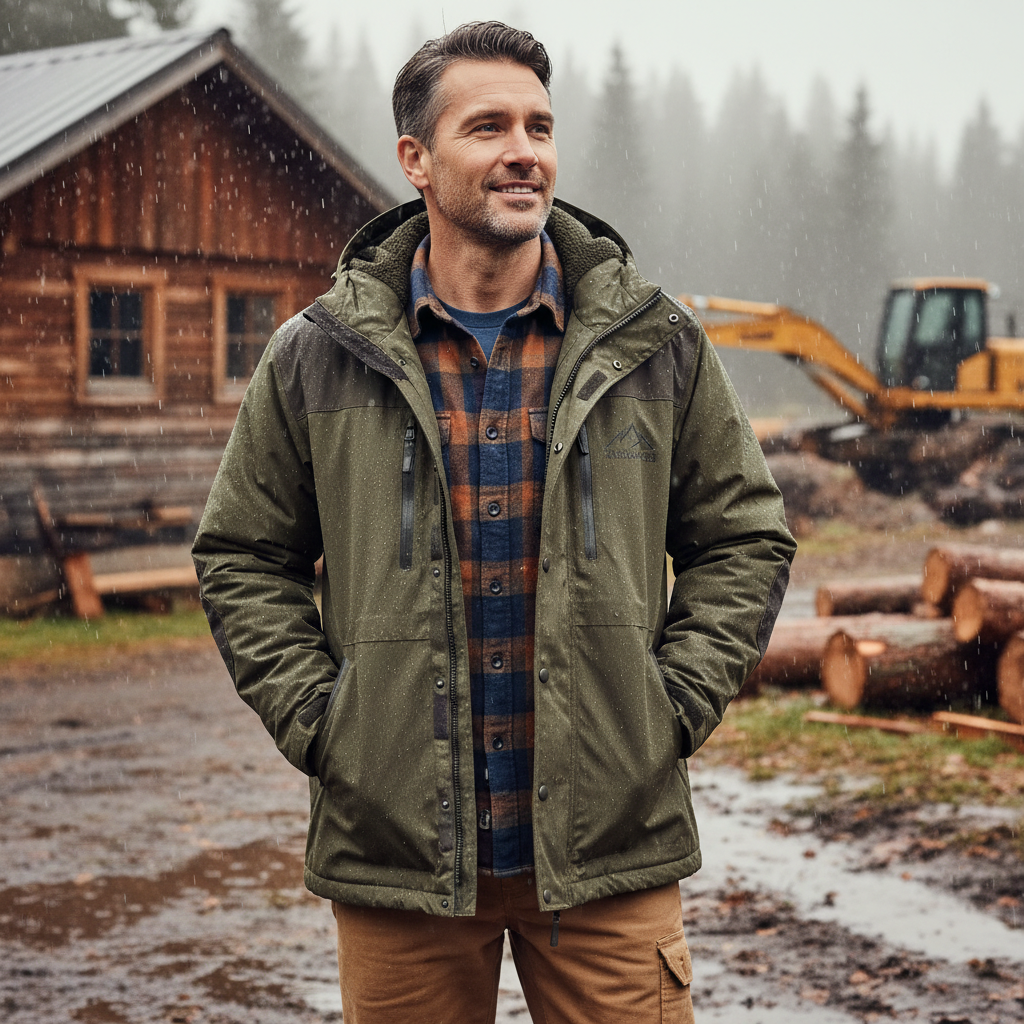
You know, this rain and cold weather jacket business...it’s changed a lot even just in the last few years. Seems like everyone’s chasing ‘breathable waterproof,’ which, honestly, is a nightmare to get right. Used to be, you just slapped on some PVC and called it a day. Simple. Now? It’s layers of PTFE, polyurethane, and all sorts of fancy synthetics. I've seen enough factories to know that 'fancy' often means 'expensive and prone to delamination'.
What’s really trending right now is this push for sustainability. Everyone wants recycled materials, bio-based fabrics. Good in theory, but finding something that actually holds up against a proper downpour and sub-zero temps? That’s the trick. I swear, half the “eco-friendly” jackets I’ve tested just soak right through.
And the demand for customization...whew. It's relentless.
The Evolution of Rain and Cold Weather Jacket Technology
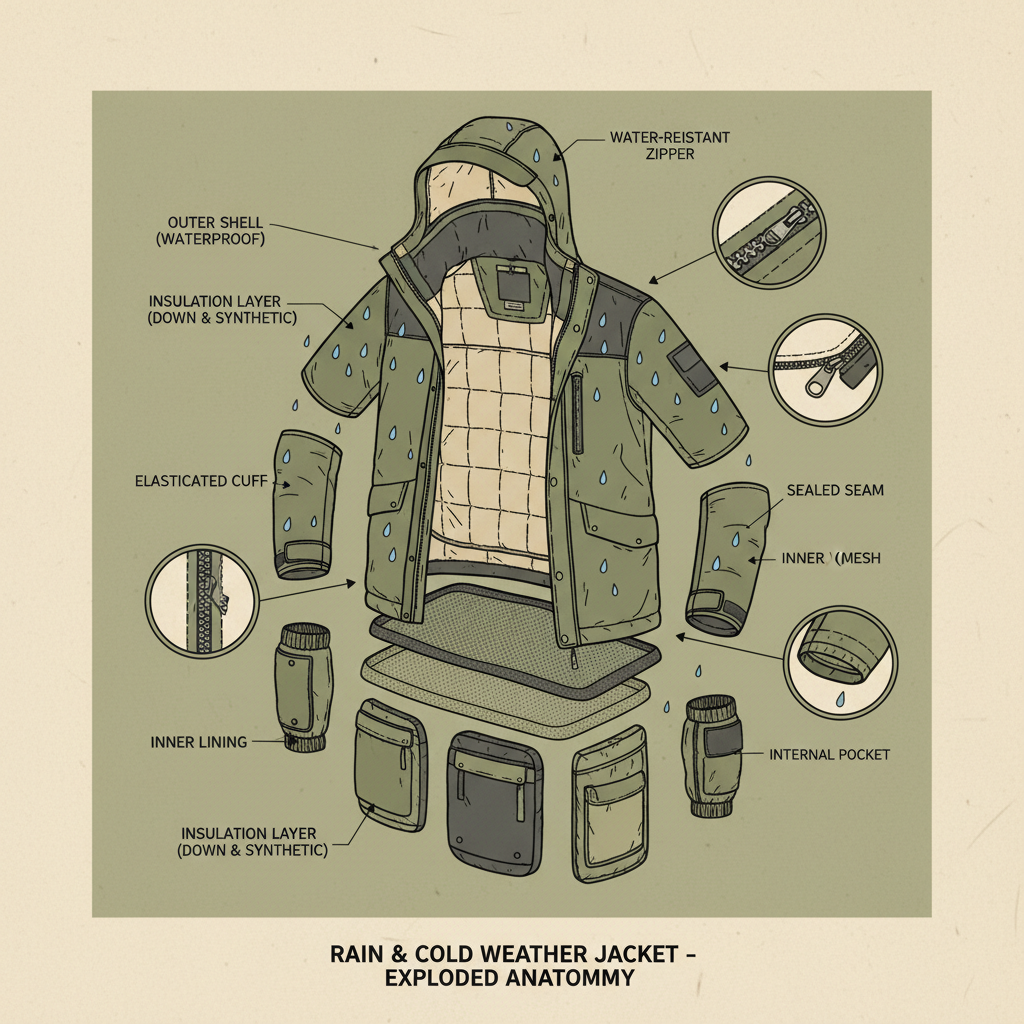
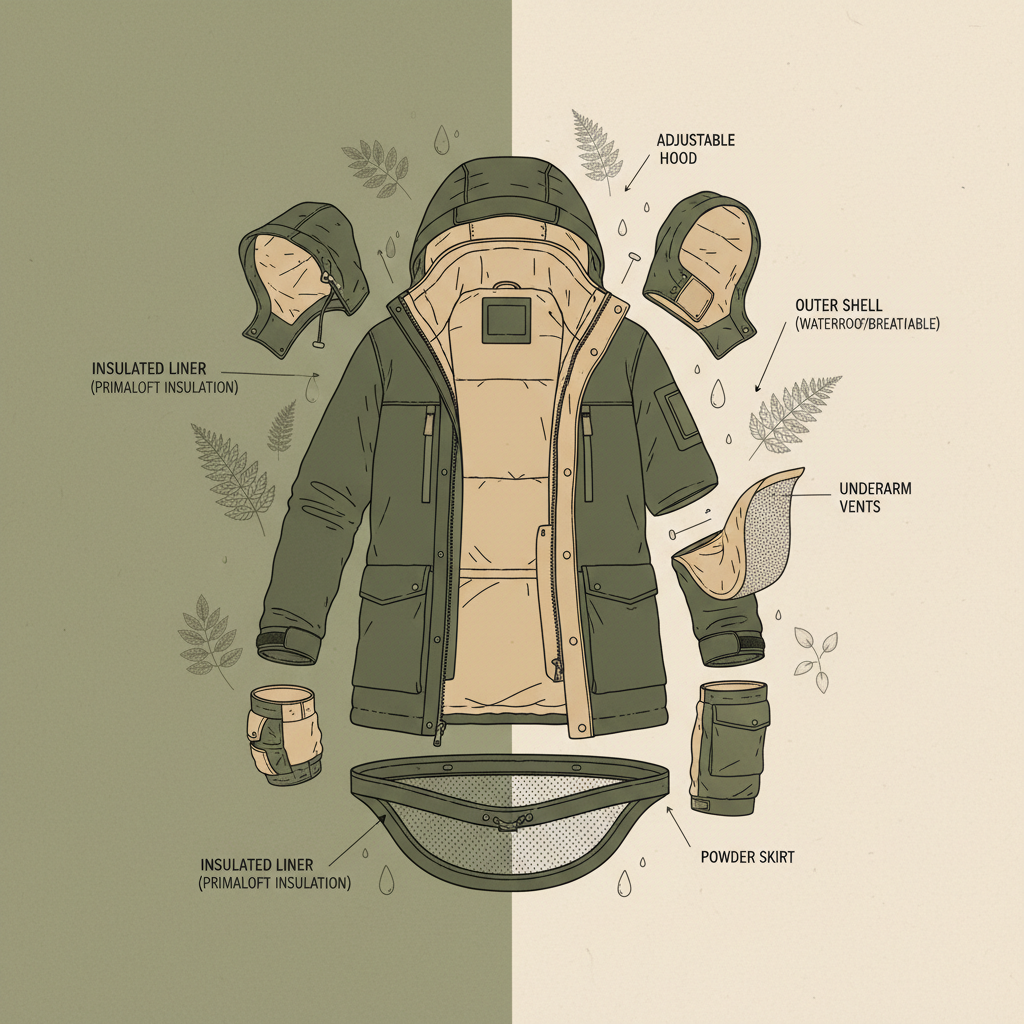
To be honest, the biggest change I’ve seen isn’t necessarily the materials themselves – it's how they're combined. It’s not enough to have a waterproof membrane; you need to think about the lining, the outer shell, the seam sealing…everything. I encountered this at a factory in Vietnam last time, they were using a really cheap seam tape, and the whole batch failed the water pressure test. A total waste of time and money.
Have you noticed how everyone’s obsessed with weight? They want something that keeps them dry and doesn’t feel like they’re wearing a suit of armor. That’s a constant balancing act. The lighter you go, the more you compromise on durability, usually.
Common Design Pitfalls and Material Selection
One thing that drives me crazy is poorly designed hoods. Seriously. You need a hood that actually stays up in the wind, provides good peripheral vision, and doesn’t restrict your movement. So many jackets get this wrong. They make these tiny, flimsy hoods that are useless in a real storm. It's baffling.
Then there's the zipper situation. Cheap zippers will fail. Period. YKK is the industry standard for a reason. And don't even get me started on water-resistant zippers versus waterproof zippers. People think they're interchangeable, they're not.
Material selection…it’s a minefield. You’ve got your Gore-Tex, your eVent, your proprietary membranes. Each has its strengths and weaknesses. Gore-Tex is the gold standard, but it's expensive. Some of the newer membranes are getting close in performance, but they haven't been proven over the long haul.
Material Properties and On-Site Handling
Strangely, people don’t talk enough about the feel of the fabric. You can run all the lab tests you want, but if the jacket feels stiff and uncomfortable, nobody’s going to wear it. The good stuff – like a high-quality softshell – it just moves with you. It breathes, it's quiet, and it doesn’t feel like you’re wrapped in plastic.
Handling these materials on site is another story. Some of these fancy fabrics are incredibly delicate. You get a snag on a piece of rebar, and boom, there goes your waterproof coating. And the smell! Some of the DWR treatments have this really strong chemical odor that lingers for weeks. We’ve had workers complain about headaches and nausea.
I was at a construction site in Chicago last winter, and we were using a new jacket made with some kind of bio-based PU coating. It looked great in the catalog, but it smelled like wet dog. Seriously. The guys refused to wear it. Later…forget it, I won't mention it.
Real-World Testing and User Behavior
Lab tests are fine, but they don’t tell the whole story. You need to get these jackets out in the real world. I send our samples out with field crews, construction workers, anyone who's going to be exposed to harsh conditions. Their feedback is invaluable.
And you'd be surprised how people actually use these things. They don’t always follow the care instructions. They throw them in the wash with everything else, they leave them crumpled in the back of their trucks, they spill coffee all over them. You gotta design for that kind of abuse.
Rain and Cold Weather Jacket Performance Metrics
Advantages, Disadvantages, and Customization Options
The biggest advantage of a good rain and cold weather jacket is, obviously, keeping you dry and warm. But it's more than that. It’s about morale. If your crew is comfortable, they’re going to be more productive. But the downside? They're expensive, they require maintenance, and they're not indestructible.
Customization is huge. Last month, that small boss in Shenzhen who makes smart home devices insisted on changing the interface to for charging a heated vest integrated into the jacket – said it was “more modern.” The result? It took three times as long to manufacture and the waterproof rating dropped because of the larger port. A complete disaster. Anyway, I think it’s about finding a balance between features and practicality.
Global Applications and Use Cases
You see these jackets everywhere, right? Construction sites, oil rigs, fishing boats, ski resorts…even urban commuters. The specific requirements vary depending on the application. A fisherman needs something incredibly durable and waterproof, while a commuter might prioritize style and breathability.
We've been supplying jackets to a mining operation in Canada for the past few years. They need something that can withstand extreme cold, heavy snow, and constant abrasion. It’s a demanding environment, to say the least. And we're also working with a disaster relief organization that uses our jackets for emergency response teams. They need something lightweight, packable, and reliable.
It’s a surprisingly broad market.
Long-Term Value and Future Trends
Ultimately, a good rain and cold weather jacket is an investment. It's not a disposable item. If you buy quality, it should last for years, even with heavy use. And that saves you money in the long run.
Looking ahead, I think we’ll see more advancements in sustainable materials and manufacturing processes. There’s a lot of research going into bio-based membranes and recycled fabrics. And I suspect we’ll see more integration of technology – things like heated jackets with smart thermostats and jackets with built-in sensors.
But honestly, the fundamental principles remain the same: keep people dry, keep them warm, and make sure the thing doesn't fall apart after a week.
Key Performance Indicators for Rain and Cold Weather Jacket Durability
| Material Composition |
Waterproof Rating (mm) |
Abrasion Resistance (cycles) |
Seam Strength (N) |
| Polyester with PU coating |
5,000 |
20,000 |
80 |
| Nylon with Gore-Tex membrane |
20,000 |
50,000 |
120 |
| Recycled Polyester with DWR |
10,000 |
30,000 |
90 |
| Cotton Blend with Waxed Finish |
3,000 |
10,000 |
60 |
| Polypropylene with Bio-Based Membrane |
15,000 |
40,000 |
100 |
| Ripstop Nylon with TPU coating |
8,000 |
25,000 |
70 |
FAQS
Honestly, most people don't bother with the proper care. But if you want it to last, wash it with a tech wash specifically designed for waterproof fabrics. Avoid fabric softeners and harsh detergents. And tumble dry on low heat to reactivate the DWR coating. Re-treating the DWR every few washes is also a good idea.
It’s a good starting point, but it’s not the whole story. A higher rating doesn't necessarily mean a better jacket. You also need to consider the breathability and the quality of the construction. A 5,000mm jacket might be fine for light rain, but you’ll need something higher for prolonged exposure to heavy downpours. It really depends on how you plan to use it.
Big difference. Waterproof means the fabric is impervious to water, even under pressure. Water-resistant means it can repel some water, but it will eventually soak through. Think of it like this: a waterproof jacket is like a sealed container, while a water-resistant jacket is like a sponge.
Not always. You're paying for the brand name and fancy features sometimes. A well-designed jacket made with good quality materials at a reasonable price can often outperform a super-expensive one. It’s about finding the right balance between price and performance.
Depends on the damage. Small tears can usually be patched. Seam sealing can be re-applied. But if the membrane is damaged, it’s usually not worth repairing. It’s cheaper to just buy a new jacket. Though, a good tailor can work wonders.
Dirty fabrics! Dirt and grime clog the pores of the waterproof membrane, reducing its breathability and waterproofness. Also, wear and tear on the DWR coating. Over time, the DWR coating wears off, and the fabric becomes more susceptible to wetting out. Regular washing and re-treating with DWR is key.
Conclusion
So, there you have it. Rain and cold weather jacket design isn’t just about slapping some fabric together. It’s a complex interplay of materials, construction, and user needs. It's about striking a balance between performance, durability, comfort, and cost. And, increasingly, sustainability.
Ultimately, whether this thing works or not, the worker will know the moment he tightens the screw. And that's what really matters. Visit our website at xdqhppe.com for a range of robust, reliable rain and cold weather jackets built for real-world conditions.