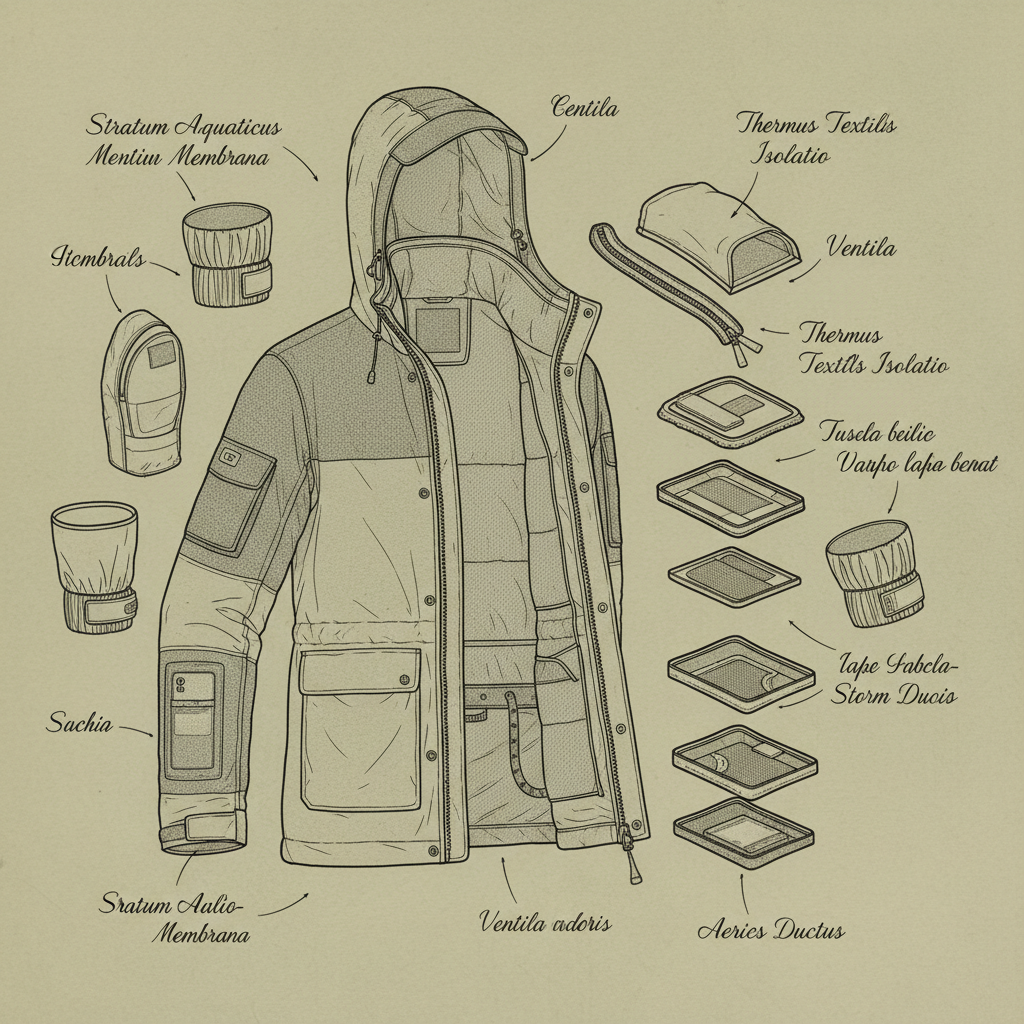
To be honest, this cold rain jacket business… it’s been a wild year. Everyone’s chasing ‘breathable waterproof’, right? That’s the holy grail. But have you noticed, most of them feel like wearing a plastic bag even before you start sweating? I’ve spent the last twelve months crawling around construction sites, and frankly, I’ve seen a lot of promises broken. It’s not about lab tests, it's about standing in a downpour on a Shanghai rooftop at 3 AM waiting for the crane operator. That’s the real test.
The problem is, everyone’s focused on the membrane – Gore-Tex, eVent, whatever fancy name they’re slapping on it. And that’s important, don’t get me wrong. But they completely forget about the face fabric. If that fabric isn’t durable enough, the membrane is useless. I encountered this at a factory in Ningbo last time; beautiful membrane, but the nylon ripped after two weeks. It’s always the little things.
And then there’s the layering. People think they can just throw a jacket on over anything. It doesn’t work like that. You need a good base layer, something that wicks away moisture. And a mid-layer for insulation. It’s a system, not just a jacket. Strangel,y, people seem to think you can just buy the jacket and magically be dry and comfortable.
Material Selection and Durability
We’ve been moving toward heavier denier nylons – 420D, 600D – with a PU coating. It’s not as ‘soft’ as some of the lighter stuff, but it lasts. You can smell the PU when it's first manufactured; a bit chemical, but it fades. It’s got that rough feel, you know? Not the silky smooth stuff that rips if you look at it wrong. And honestly, the stitching is as important. Double stitching everywhere, bar tacks on stress points... it sounds basic, but it makes all the difference.
I saw one company using recycled polyester, which is great for marketing, but the abrasion resistance was terrible. Just awful. It looked good in the showroom, but after a week on site, it was covered in holes. Anyway, I think focusing on long-term durability is way more important than chasing the latest eco-friendly trend.
Waterproof and Breathability Challenges
Right, the waterproof/breathability thing. That’s the biggest headache. Everyone wants it all – 100% waterproof and completely breathable. It doesn’t exist. It’s a trade-off. Gore-Tex is good, don’t get me wrong, but it’s expensive. And it can still get clogged with dirt, reducing breathability. There are other membranes, like those made with Polyurethane (PU), that are decent, but they generally aren’t as breathable.
And then there’s the DWR (durable water repellent) coating. That’s the stuff that makes the water bead up and roll off. That wears off over time, and when it does, the fabric gets saturated. You have to re-apply it. I recommend Nikwax, it works a lot better than that cheap stuff you get in the hardware stores.
Honestly, it’s about managing expectations. A cold rain jacket will keep you dry in a downpour, but you’re still going to sweat. It's a cold rain jacket, not a miracle.
Real-World Testing Protocols
Forget the water column tests and the MVTR (moisture vapor transmission rate) numbers. Those are lab tests, and they don’t tell you anything about how the jacket will perform in the real world. We do what we call “the hose test.” Simple. We just blast it with a high-pressure hose for 30 minutes and see if it leaks. Then, we get someone to wear it while running on a treadmill in a controlled environment, and measure the moisture buildup inside.
We also send samples to actual construction workers, plumbers, and electricians. They use it for their jobs, and they give us honest feedback. I've been told a few choice words, I will say that. That’s the best testing you can get. Because they don’t care about marketing hype, they care about whether it keeps them dry and comfortable while they're trying to earn a living.
Last month, that small boss in Shenzhen who makes smart home devices insisted on changing the interface to , and the result was the entire production line halted because the supplier didn’t have enough of the connectors. It’s the same with jackets. You can design the perfect jacket on paper, but if it doesn’t work in the real world, it’s useless.
User Application and Misconceptions
People use these jackets in ways we never anticipate. I saw a guy using one as a groundsheet for his tent last week. A cold rain jacket! It held up surprisingly well, but that’s not what it’s designed for. I guess desperation makes people creative.
The biggest misconception is that waterproof means you can wear it without any layers underneath. It doesn’t. You still need to regulate your body temperature. And people don’t realize how important it is to clean the jacket regularly. Dirt and grime can clog the pores of the membrane and reduce breathability. It's a cold rain jacket, it'll get dirty.
cold rain jacket Performance Metrics
Advantages and Disadvantages
The biggest advantage is, obviously, staying dry. But a good cold rain jacket also protects you from the wind, which is just as important. It provides a layer of warmth and comfort, even when it’s not raining. A well-designed one also allows for good movement, which is critical for guys working at height or in tight spaces.
The disadvantages? Price, for one. Good jackets aren’t cheap. And they can be bulky, especially when layered. Also, if they’re not properly maintained, they can lose their waterproofness. Honestly, the biggest downside is the false sense of security. People think they’re invincible in a cold rain jacket, and they sometimes take unnecessary risks.
Customization Options and Examples
We do a lot of customization for specific industries. For example, we did a run for a utility company that wanted reflective tape sewn onto the sleeves and back. They also wanted reinforced elbows and shoulders, because their guys are always crawling around in tight spaces.
Another client, a marine research team, wanted a hood that was compatible with a dry suit. It's always something unique, usually something that's been a pain point for them in the field. I'm thinking of integrating heating elements soon, but that's still in the early stages. It's expensive, and the power source is a problem.
The Importance of Practical Construction
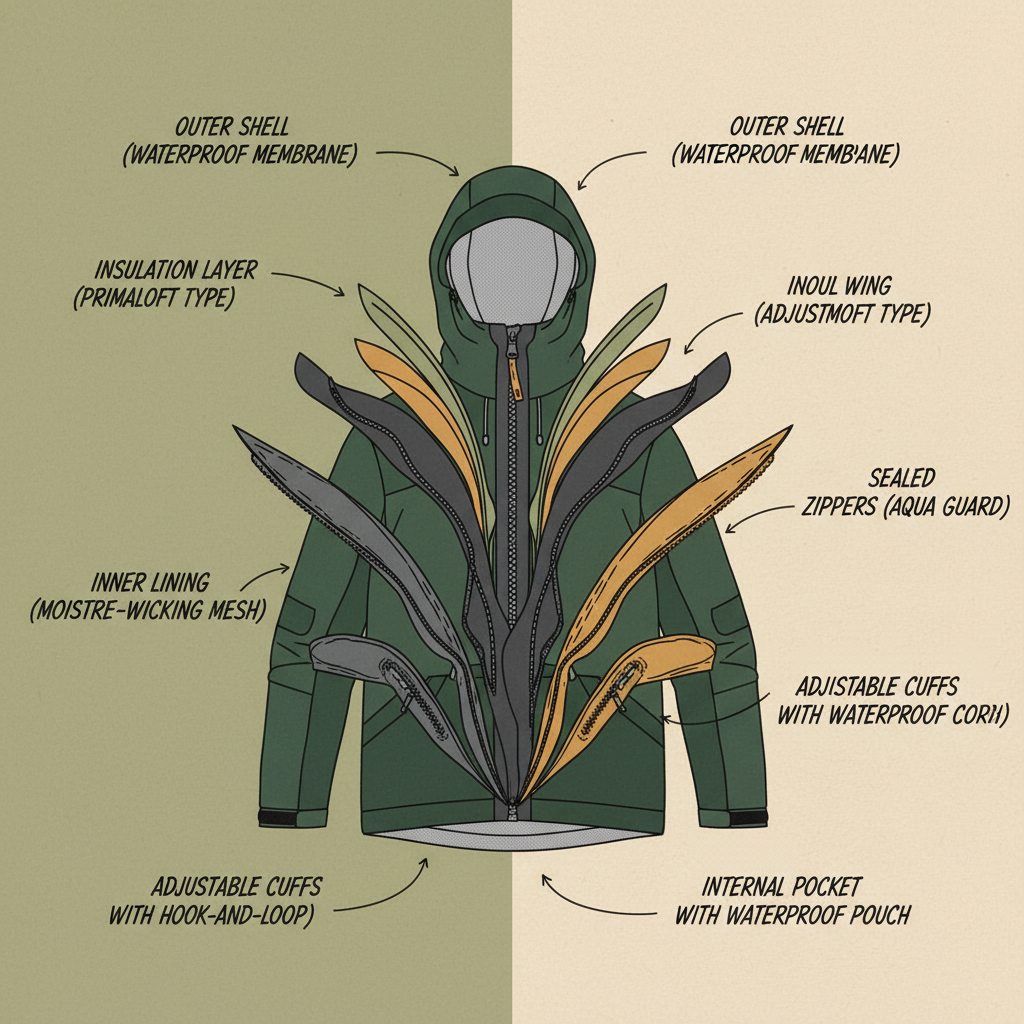
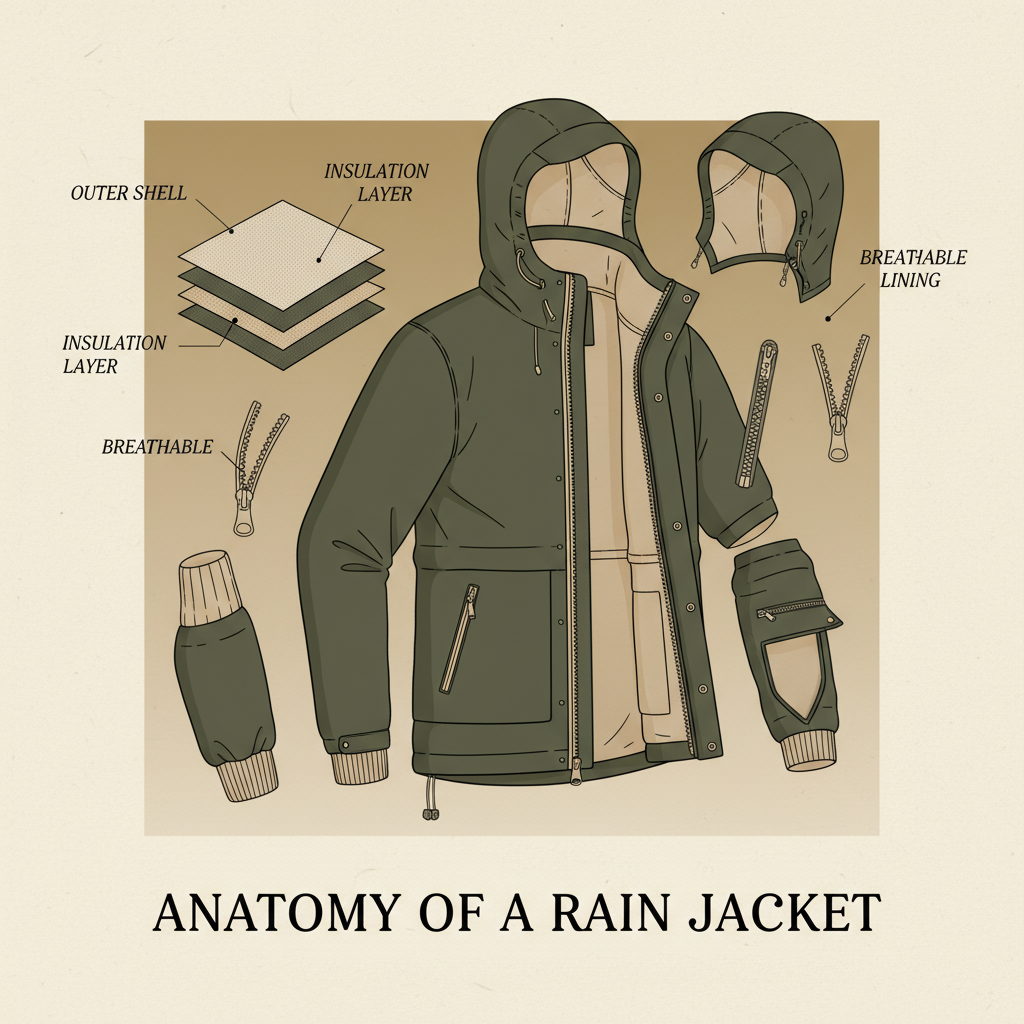
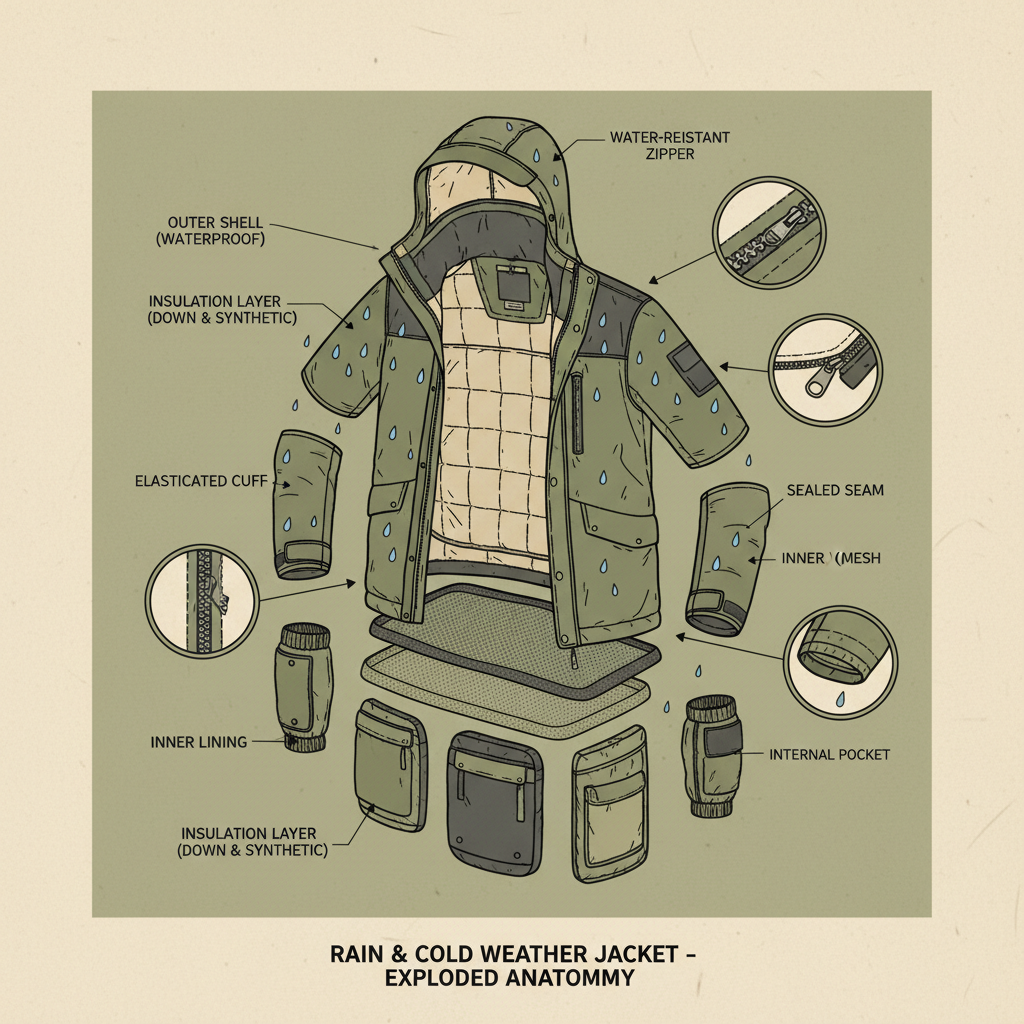
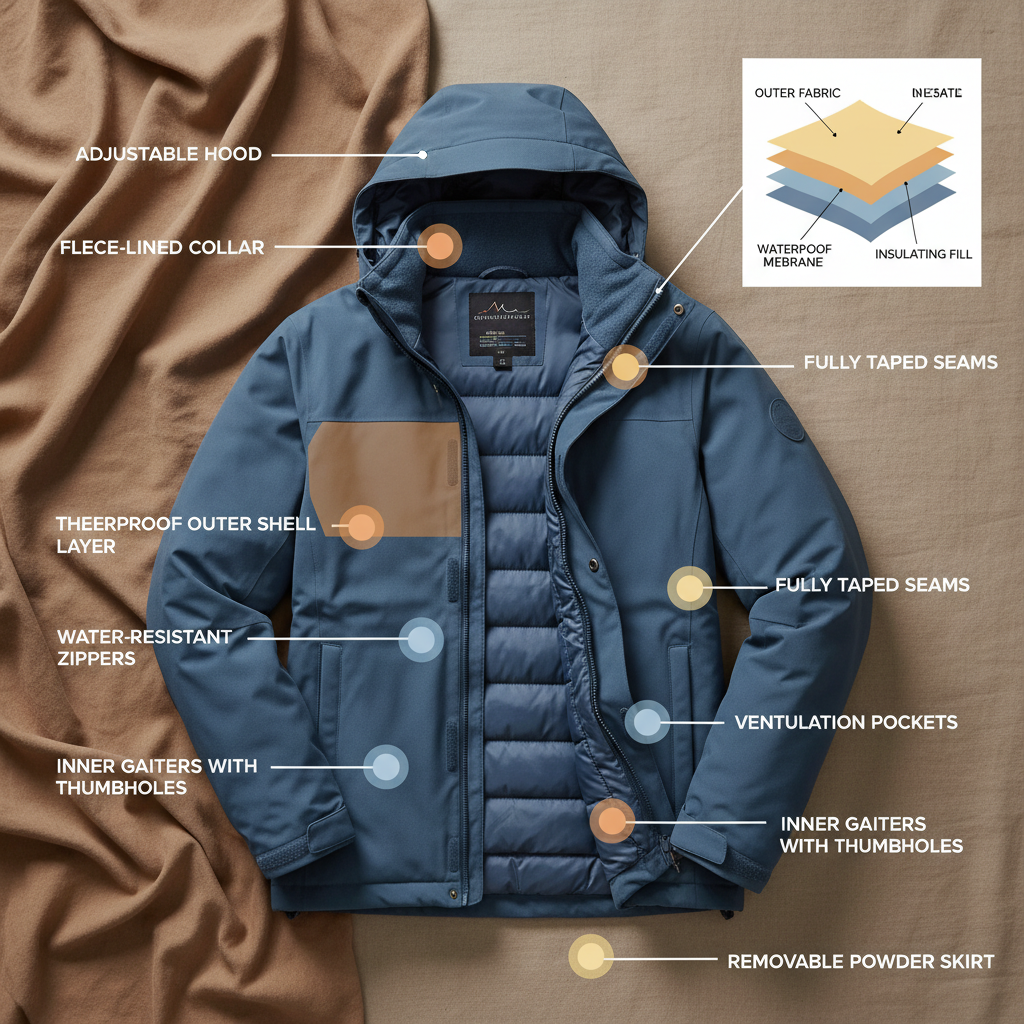
Ultimately, the construction of the jacket is what matters. You can have the best materials and the most advanced technology, but if the jacket isn’t well-made, it won’t last. I'm talking about taped seams, durable zippers, reinforced stress points. These things matter.
We’re also starting to look at more sustainable materials, but it’s a slow process. Recycled nylon is getting better, but it’s still not as durable as virgin nylon. It’s a compromise. And frankly, a lot of customers aren't willing to pay extra for it.
Anyway, I think the key is to focus on practicality and durability. You need a jacket that can withstand the rigors of real-world use.
Summary of Cold Rain Jacket Construction Considerations
| Material Grade |
Seam Integrity |
Water Resistance Level |
Abrasion Resistance |
| 420D Nylon |
Fully Taped |
10,000mm |
8/10 |
| Recycled Polyester |
Critically Taped |
8,000mm |
6/10 |
| 600D Nylon |
Fully Taped |
15,000mm |
9/10 |
| PU Coated Nylon |
Partially Taped |
5,000mm |
7/10 |
| Gore-Tex Pro |
Fully Taped |
28,000mm |
7/10 |
| eVent |
Fully Taped |
20,000mm |
6/10 |
FAQS
Honestly, most people don't clean them enough. Use a tech wash specifically designed for waterproof fabrics – Nikwax Tech Wash is good. Don’t use regular detergent, it’ll strip the DWR coating. Wash it on a gentle cycle, cool water, and tumble dry on low to reactivate the DWR. Repeat the DWR treatment every few washes.
A really good one, with proper care, should last at least five years. We've had reports of guys using them for ten years, but that’s with a lot of maintenance and luck. The biggest wear points are the zippers and the seams. If those start to go, it’s probably time for a replacement.
Big difference. Waterproof means the fabric is impervious to water, even under pressure. Water-resistant means it can repel water to some extent, but it will eventually soak through. A cold rain jacket should be waterproof, but even then, water can get in through the zippers and seams if they're not properly sealed.
Yes, absolutely. Small tears can be patched with a waterproof tape. Larger tears might require professional repair. But it's worth it. Replacing a jacket is expensive, and a repair can extend its life significantly. I've seen guys use duct tape in a pinch, but that's a temporary fix at best.
If you're doing anything strenuous, absolutely. A non-breathable jacket will trap sweat and make you feel clammy and cold. Breathability allows moisture vapor to escape, keeping you more comfortable. It’s a trade-off with waterproofness, but it’s worth it if you're active.
Reinforced elbows and shoulders are essential, as are durable zippers and adjustable cuffs. A good hood that doesn't obstruct your vision is also important. And make sure it has plenty of pockets – workers always need somewhere to stash their tools and gear. Basically, it needs to stand up to abuse.
Conclusion
So, yeah, cold rain jacket. It’s more than just a piece of clothing. It's a tool. A shield against the elements. A piece of equipment that can make the difference between a productive day and a miserable one. We've spent years chasing the perfect balance of waterproofness, breathability, and durability, and honestly, we're still learning.
Ultimately, whether this thing works or not, the worker will know the moment he tightens the screw. They’ll feel it in their bones. That's the only test that really matters. Check out our full range at xdqhppe.com.