
+8615630398555

Sep . 14, 2025 09:00 Back to list
Automotive Technician Uniforms: Durable & Professional Workwear
Modern Trends in Automotive Technician Uniforms
The landscape of B2B automotive technician uniforms is undergoing a significant transformation, driven by advancements in material science, ergonomic design, and a heightened focus on technician safety and comfort. Modern automotive repair environments demand more than just basic workwear; they require specialized garments that offer superior protection against common workshop hazards, enhance operational efficiency, and project a professional brand image. Key industry trends include the adoption of high-performance fabrics that are oil-repellent, moisture-wicking, and resistant to punctures and abrasions. Furthermore, there's a growing emphasis on sustainability in manufacturing processes and the integration of smart features, such as embedded RFID for inventory management or specialized pockets for diagnostic tools. The evolution of these uniforms is critical for maintaining high standards of service and ensuring the well-being of technical personnel in a rapidly advancing automotive sector. Businesses are increasingly investing in uniforms that reduce fatigue, minimize injury risks, and prolong the garment's service life, thereby offering a better return on investment.
The drive for increased productivity in auto repair shops necessitates uniforms that allow for unrestricted movement and flexibility, accommodating the diverse tasks performed by technicians, from intricate engine work to heavy-duty component replacement. This paradigm shift underscores the importance of selecting an auto mechanic uniform that not only meets regulatory safety standards but also significantly contributes to the overall technician experience and the operational efficiency of the service center.
Technical Specifications and Material Innovation
The design and material composition of advanced automotive technician uniforms are paramount to their effectiveness. Our QH-2009 Siamese, for example, is engineered using a blend of high-durability polyester and cotton, typically in a 65% polyester / 35% cotton ratio, offering the perfect balance of resilience and breathability. Polyester provides excellent resistance to tearing, abrasion, and chemicals common in auto repair, while cotton ensures comfort and moisture absorption. Critical design elements include reinforced stitching in high-stress areas, such as knees and elbows, often utilizing triple-needle stitching for enhanced longevity. Strategic pocket placement and tool loops are integrated to provide efficient access to instruments without impeding movement.
Advanced fabric treatments are applied to repel oil, grease, and water, crucial for maintaining a clean and professional appearance throughout the workday. These treatments often leverage fluorocarbon-free technologies, aligning with environmental responsibility. Furthermore, some uniforms incorporate anti-microbial finishes to mitigate odor buildup, a significant advantage in demanding work environments. Compliance with international standards such as ISO 13688 (Protective clothing – General requirements) and specific standards for visibility or flame resistance, if applicable, validates the product's quality and safety. Our products are rigorously tested to ensure they meet or exceed industry benchmarks for tensile strength, tear resistance, colorfastness, and dimensional stability after washing.
QH-2009 Siamese Product Specifications
| Feature | Specification |
|---|---|
| Product Name | QH-2009 Siamese |
| Material Composition | 65% Polyester, 35% Cotton Twill |
| Fabric Weight | 240-280 gsm (grams per square meter) |
| Oil & Water Repellency | Hydrophobic & Oleophobic Treatment (Level 4 AATCC 22) |
| Tear Strength | > 25 N (ASTM D1424) |
| Tensile Strength | > 500 N (ASTM D5034) |
| Colorfastness to Washing | Grade 4-5 (ISO 105-C06) |
| Reinforcement | Triple-stitched seams in critical areas (crotch, knees) |
| Pockets | Multiple utility pockets, specific tool pockets, zippered chest pockets |
| Sizing | XS-5XL (ANSI/ISEA 107-2020 compliant sizing available) |
| Certifications | OEKO-TEX Standard 100, ISO 9001:2015 Manufacturing Process |
Manufacturing Process Flow for Automotive Technician Uniforms
The production of high-quality automotive technician uniforms involves a meticulously controlled multi-stage process, ensuring durability, functionality, and compliance with stringent industry standards. This systematic approach guarantees consistency and performance from raw material to finished garment.
Schematic Steps:
- Material Sourcing & Inspection: High-grade polyester-cotton blend fabrics are sourced from certified mills. Incoming raw materials undergo rigorous quality checks for weave uniformity, fabric weight (gsm), colorfastness, and initial tensile/tear strength according to ISO 9001:2015 standards. Specialized treatments for oil and water repellency are verified at this stage.
- Pattern Design & Digitization: Ergonomic patterns are designed using CAD software to ensure optimal fit, mobility, and incorporation of features like reinforced panels and specific pocket configurations. These patterns are then digitized for precision cutting.
- Automated Fabric Cutting: Large fabric rolls are precisely cut into individual garment components using CNC-controlled automatic cutting machines. This process minimizes material waste and ensures consistent component dimensions, crucial for garment assembly.
- Component Assembly & Stitching: Skilled technicians assemble the cut components using industrial sewing machines. Key features include triple-needle stitching for critical seams (e.g., inseams, outseams, crotch) for superior strength, and bartacks at stress points (e.g., pocket openings, belt loops). Specialized pockets and tool loops are integrated with precision.
- Finishing & Trimming: Excess threads are trimmed, and fasteners (zippers, buttons, snaps) are securely attached. Any reflective tapes or branding elements are precisely sewn onto the garment. This stage also includes a visual inspection for any stitching defects.
- Garment Washing & Post-Treatment: Uniforms undergo industrial laundering processes, which can include pre-shrinking and final application of specialized finishes if required (e.g., enhanced stain release). This step also tests the integrity of the garment under washing conditions.
- Final Quality Control & Inspection: Each uniform is individually inspected against a checklist covering all design specifications, dimensional accuracy, stitching quality, and material integrity. Garments are also checked for compliance with relevant safety standards (e.g., tear strength, abrasion resistance post-wash).
- Packaging & Dispatch: Approved uniforms are folded, packaged, and prepared for dispatch to clients. Detailed labeling ensures accurate inventory management and delivery.
The entire process emphasizes robust quality control checkpoints at each stage, adhering to ISO 9001:2015 standards for manufacturing excellence. The service life of these uniforms, engineered for industrial laundering and demanding environments, is typically between 2 to 3 years under normal professional use, significantly outperforming standard workwear. Target industries benefiting from such specialized garments include the automotive repair sector, heavy equipment maintenance, manufacturing, and general industrial applications where durability and protection are paramount.
For instance, in energy-intensive automotive repair facilities, the long service life of these uniforms contributes to energy saving by reducing the frequency of replacement and associated manufacturing energy. Their inherent corrosion resistance to common automotive fluids further enhances their value, reducing the need for specialized cleaning agents and extending their lifespan even in harsh conditions.
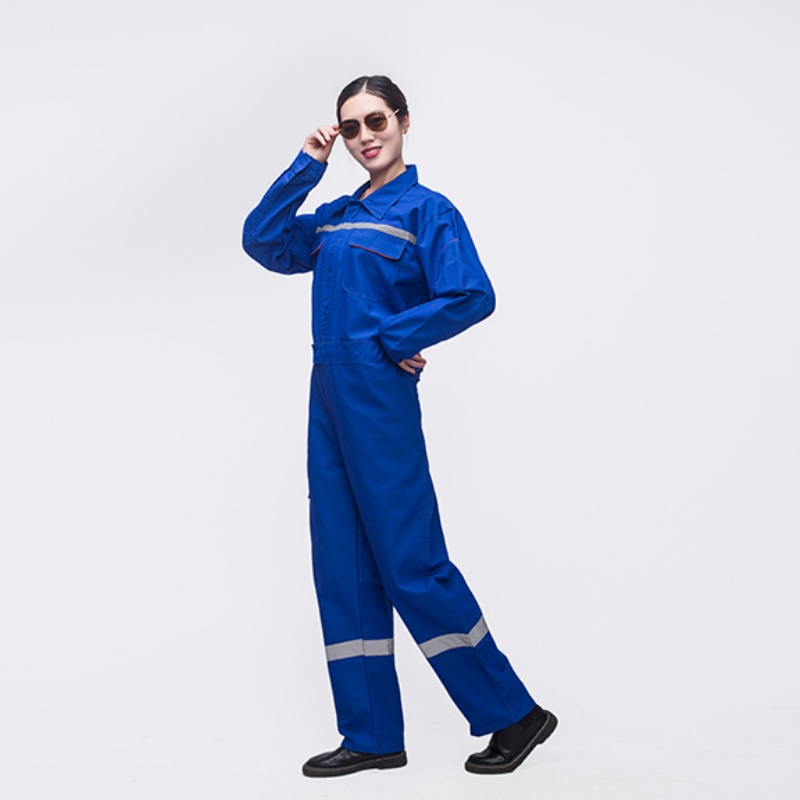
Precision cutting is a crucial step in the manufacturing process for quality automotive technician uniforms.
Application Scenarios and Technical Advantages
Automotive technician uniforms are indispensable across a wide array of automotive service environments, each presenting unique challenges that these specialized garments are designed to address. From high-volume dealership service centers to independent auto repair shops, heavy-duty truck maintenance depots, and specialized mobile mechanic units, the uniform's performance directly impacts safety and productivity.
- Dealership Service Centers: Here, professionalism and brand image are paramount. Uniforms are chosen for their clean appearance, comfort during long shifts, and resistance to common stains like oil and grease, maintaining a pristine look even after extensive use.
- Independent Auto Repair Shops: Durability and cost-effectiveness are key. An auto repair uniform must withstand rigorous daily use, frequent industrial laundering, and exposure to various chemicals without rapid degradation, ensuring a longer service life and reduced replacement costs.
- Heavy-Duty & Commercial Vehicle Repair: In these demanding environments, uniforms require enhanced abrasion and tear resistance, often with reinforced knees and elbows to protect against rough surfaces and sharp objects. High-visibility elements may also be integrated for safety in large yards or roadside assistance.
- Specialized Automotive Fields (e.g., Electric Vehicle Service): While traditional hazards remain, new risks like high-voltage exposure might necessitate additional protective features, though for general uniforms, the focus remains on robust, fluid-resistant, and comfortable design.
The technical advantages of a well-engineered auto mechanic uniform are manifold. Beyond basic protection, advanced uniforms offer features that contribute directly to operational efficiency and employee well-being. The inherent resistance to automotive fluids significantly reduces garment damage and prolongs lifespan, representing an "energy saving" in terms of reduced material consumption and fewer manufacturing cycles. Furthermore, the quick-drying and moisture-wicking properties contribute to technician comfort, especially in non-climate-controlled shops, reducing fatigue and enhancing focus. The ergonomic design allows for a full range of motion, crucial for tasks requiring bending, kneeling, and reaching into tight spaces. The corrosion resistance, particularly to mild acids, oils, and greases, ensures the uniform maintains its structural integrity and professional appearance, even after prolonged exposure. This commitment to quality is upheld through adherence to industry benchmarks like ANSI/ISEA 107 for visibility, where applicable, and general PPE guidelines.
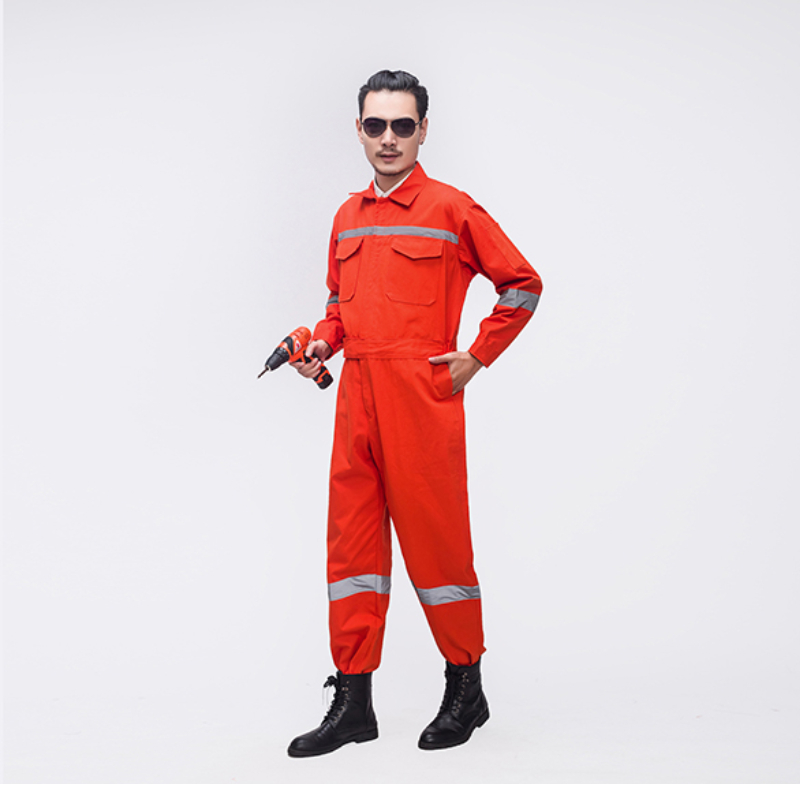
Advanced automotive technician uniforms enhance safety and efficiency in various repair settings.
Vendor Comparison and Selection Criteria
Choosing the right supplier for automotive technician uniforms is a strategic decision that impacts operational efficiency, employee morale, and brand perception. The market offers a diverse range of vendors, from large industrial uniform providers to specialized workwear manufacturers. B2B decision-makers should evaluate potential partners based on several critical criteria to ensure optimal value and compliance.
Key Vendor Evaluation Factors:
- Product Quality & Durability: Assess the fabric composition, stitching quality, and resistance to industrial laundering. Look for certifications like OEKO-TEX Standard 100 for textile safety and ISO standards for manufacturing quality.
- Customization Capabilities: Can the vendor accommodate specific branding requirements (embroidery, patches), color schemes, or ergonomic adjustments?
- Compliance & Certifications: Verify adherence to relevant safety standards (e.g., ANSI/ISEA, EN ISO for specific properties), and ethical manufacturing practices.
- Supply Chain & Lead Times: Evaluate the vendor’s ability to consistently deliver high volumes within agreed lead times, especially for initial orders and replenishment.
- Cost-Effectiveness & Total Cost of Ownership (TCO): Beyond the unit price, consider the uniform's lifespan, maintenance costs, and overall value. A higher-quality uniform, like an advanced auto repair uniform, may have a higher initial cost but lower TCO due to extended durability.
- Customer Support & After-Sales Service: Responsiveness to inquiries, ease of reordering, and support for returns or exchanges are crucial for a long-term partnership.
Comparative Analysis of Uniform Vendors (Illustrative)
| Feature | Vendor A (Premium) | Vendor B (Mid-Tier) | Vendor C (Economy) |
|---|---|---|---|
| Fabric Durability | Excellent (High tear/tensile strength, reinforced) | Good (Standard blend, some reinforcement) | Moderate (Basic blend, minimal reinforcement) |
| Specialized Treatments | Oil/Water/Stain Repellent, Anti-microbial | Basic Stain Release | Limited/None |
| Customization Options | Extensive (Embroidery, bespoke designs, fabric blends) | Moderate (Embroidery, standard colors) | Limited (Logo application only) |
| Certifications | ISO 9001, OEKO-TEX, relevant PPE standards | ISO 9001 (manufacturing) | Basic industry compliance |
| Average Lead Time (Large Orders) | 4-6 Weeks | 6-8 Weeks | 8-10 Weeks |
| Estimated Lifespan | 2.5 - 3+ Years | 1.5 - 2 Years | 0.5 - 1 Year |
Our QH-2009 Siamese uniform is positioned within the premium segment, emphasizing high durability, advanced fabric treatments, and extensive customization options, reflecting our commitment to superior performance and long-term value for our clients. We uphold ISO 9001:2015 standards in our manufacturing and have served a broad spectrum of clients, from national dealership networks to independent repair franchises, for over two decades.
Customized Solutions and Branding Integration
In the competitive automotive service industry, brand identity is crucial. Customization of automotive technician uniforms goes beyond mere aesthetics; it fosters team cohesion, reinforces professionalism, and projects a consistent brand image to customers. Our capabilities extend to a full spectrum of bespoke solutions for any auto mechanic uniform requirement.
- Logo Application: High-quality embroidery or heat-applied transfers ensure durable and vibrant representation of corporate logos and employee names.
- Color Matching: We offer a wide palette of colors and can custom-match specific corporate branding guidelines to ensure consistency across all garments.
- Fabric & Feature Customization: For clients with specific environmental or hazard requirements, we can tailor fabric blends (e.g., increased flame resistance, enhanced stretch) and integrate specialized features like reinforced cargo pockets, knee pad inserts, or high-visibility accents (meeting ANSI/ISEA 107 if required).
- Ergonomic Adjustments: Custom sizing charts and fit modifications can be developed to accommodate diverse workforces, ensuring comfort and unrestricted movement for every technician. This proactive approach minimizes discomfort and potential injury, enhancing productivity.
Our approach to custom auto repair uniforms ensures that each garment is not just a piece of clothing, but an integral part of a company's professional identity and operational safety strategy. We work closely with B2B clients to understand their unique needs, from design concepts to final production, ensuring the uniforms reflect their brand values and functional requirements.
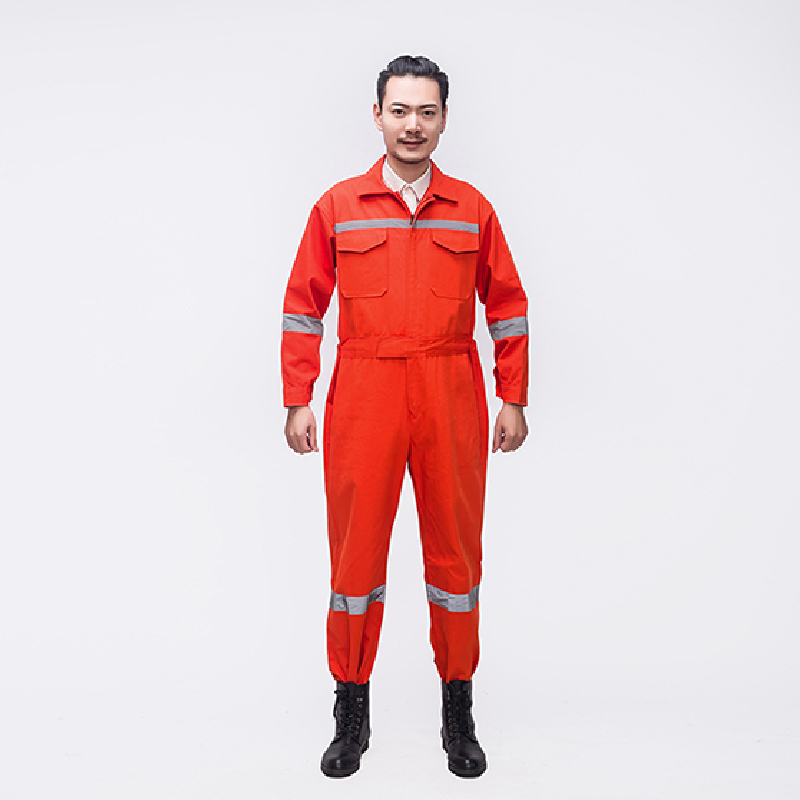
Customized automotive technician uniforms enhance brand identity and professional appearance.
Application Case Studies
Real-world applications demonstrate the tangible benefits of investing in high-quality automotive technician uniforms. These case studies highlight how superior workwear contributes to safety, efficiency, and brand perception in diverse operational contexts.
Case Study 1: Large Automotive Dealership Network
A national automotive dealership network, operating over 50 service centers, faced challenges with their previous uniform supplier. Technicians reported rapid wear and tear, especially in high-stress areas like knees and elbows, leading to frequent replacements and inconsistent brand appearance. After switching to our QH-2009 Siamese auto mechanic uniform, customized with their dealership branding, the network observed a significant improvement. The reinforced stitching and durable poly-cotton blend extended the average uniform lifespan by 70% (from 18 months to over 30 months), drastically reducing procurement costs. Technicians praised the enhanced comfort and flexibility, reporting reduced fatigue during long shifts. The oil and stain-repellent finish maintained a consistently professional appearance, directly impacting customer trust and perception of service quality. This case exemplifies how an investment in a premium auto repair uniform leads to substantial long-term savings and improved operational aesthetics.
Case Study 2: Independent Heavy-Duty Truck Repair Shop
An independent heavy-duty truck repair shop specializing in fleet maintenance required uniforms that could withstand extreme abrasion, constant exposure to lubricants, and harsh cleaning cycles. Their prior uniforms frequently ripped or degraded, posing potential safety risks and incurring high replacement expenses. Implementing a tailored solution with our uniforms, featuring additional knee pad pockets and enhanced tear-resistant fabric, provided a robust solution. Technicians found the uniforms to be highly resilient, with no reported fabric failures or seam blowouts after 12 months of intensive use. The uniforms' corrosion resistance to diesel, hydraulic fluids, and brake fluid was particularly noted, maintaining garment integrity and colorfastness. This not only improved safety compliance but also boosted technician morale due to the perceived quality and protection offered by their new workwear. The client reported a 40% reduction in annual uniform expenditure due to the increased durability.
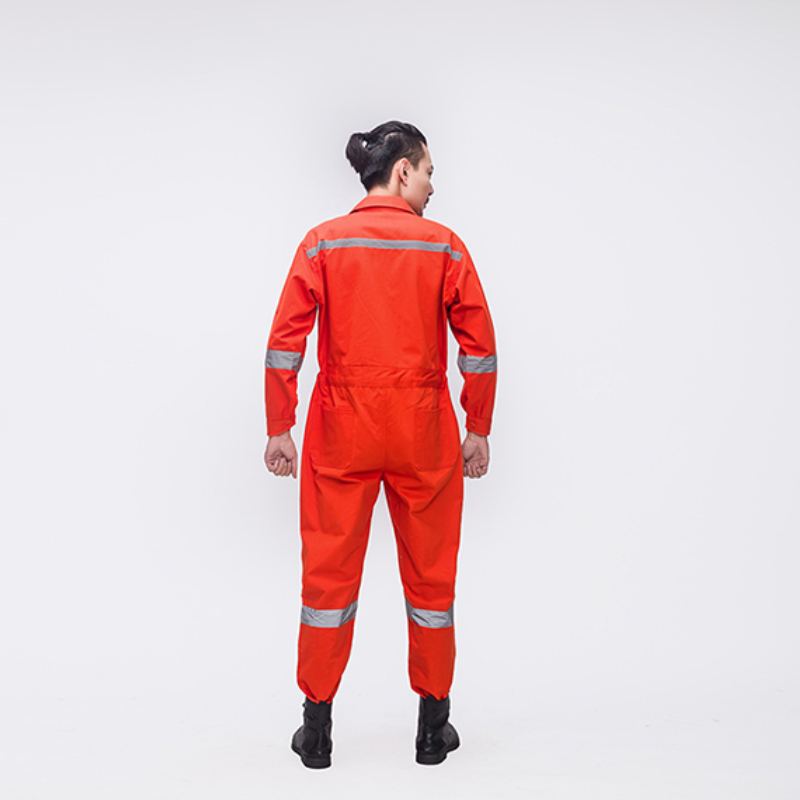
Our durable automotive technician uniforms excel in demanding heavy-duty repair environments.
Frequently Asked Questions (FAQ)
Q: What makes your automotive technician uniforms different from standard workwear?
A: Our uniforms are specifically engineered for the unique demands of automotive environments. They feature specialized fabric blends for durability and breathability, advanced stain and fluid repellent treatments, reinforced stitching in high-wear areas, and ergonomic designs for maximum mobility. This results in superior protection, comfort, and a significantly longer service life compared to generic workwear.
Q: Are your uniforms compliant with safety standards?
A: Yes, our manufacturing processes adhere to ISO 9001:2015 quality management standards. Our fabrics are OEKO-TEX Standard 100 certified, ensuring they are free from harmful substances. Depending on the specific uniform model and customization, we can also meet criteria for high-visibility (ANSI/ISEA 107) and other relevant protective clothing standards (e.g., ISO 13688).
Q: What is the typical lead time for a bulk order of auto repair uniforms?
A: For standard orders of our QH-2009 Siamese or similar models, the lead time typically ranges from 4-6 weeks, depending on the order volume and customization requirements. For highly specialized or exceptionally large orders, our sales team will provide a precise lead time estimate. We strive for efficient fulfillment without compromising on quality.
Q: How do you handle returns or warranty claims?
A: We stand by the quality of our products. All our uniforms come with a comprehensive warranty against manufacturing defects. If you encounter any issues, our dedicated customer support team is available to assist you with prompt resolution, including returns, exchanges, or repairs as per our warranty policy. We ensure a hassle-free process for our B2B clients.
Order Fulfillment, Warranty, and After-Sales Support
We understand that reliable logistics and robust post-purchase support are critical for our B2B partners. Our commitment extends beyond delivering high-quality automotive technician uniforms; it encompasses the entire customer journey.
- Lead Time & Fulfillment: Standard orders for our auto mechanic uniform range from 4-6 weeks from order confirmation to dispatch, depending on volume and specific customization. For urgent requirements or highly specialized orders, we work closely with clients to minimize lead times. Our supply chain is optimized for efficiency and reliability, ensuring timely delivery to your facilities. We provide detailed tracking information for all shipments.
- Warranty Commitment: All our automotive technician uniforms, including the QH-2009 Siamese, are backed by a 1-year warranty against manufacturing defects. This covers issues related to stitching, fabric integrity (excluding normal wear and tear or misuse), and fastener functionality. Our objective is to ensure your complete satisfaction with the durability and performance of our products.
- Customer Support: Our dedicated B2B account managers and customer service team provide comprehensive support. From initial consultation and design to post-delivery inquiries, we are available via phone, email, or a dedicated client portal. We assist with reordering, sizing adjustments, warranty claims, and any technical questions regarding garment care or performance. Our goal is to forge long-term partnerships built on trust and exceptional service.
Our streamlined processes and unwavering commitment to customer satisfaction ensure that acquiring and maintaining your fleet of auto repair uniforms is as efficient and reliable as the uniforms themselves.
References
- International Organization for Standardization (ISO). ISO 9001:2015 Quality management systems – Requirements.
- OEKO-TEX Association. OEKO-TEX Standard 100.
- American National Standards Institute (ANSI) and International Safety Equipment Association (ISEA). ANSI/ISEA 107-2020: American National Standard for High-Visibility Safety Apparel and Accessories.
- ASTM International. ASTM D1424: Standard Test Method for Tearing Strength of Fabrics by Falling-Pendulum (Elmendorf) Apparatus.
- American Association of Textile Chemists and Colorists (AATCC). AATCC Test Method 22: Water Repellency: Spray Test.
Latest news
-
Professional Tactical Reflective Jacket for Maximum Safety Guide
NewsApr.16,2026
-
Professional Tactical Reflective Vest for High Visibility Safety
NewsApr.09,2026
-
Enhancing Safety and Visibility with a Tactical Vest Reflective
NewsApr.07,2026
-
Comprehensive Guide to Choosing the Right Traffic Reflective Jacket for Safety
NewsApr.04,2026
-
Choosing the Right Traffic Vest for Enhanced Workplace Safety
NewsMar.31,2026
-
Comprehensive Guide to Traffic Vest Security and Worker Safety
NewsMar.28,2026
Copyright © 2026 Handan Xinda Qihang Trading Co., Ltd. All Rights Reserved. Sitemap | Privacy Policy | Top Blog | Global Service


